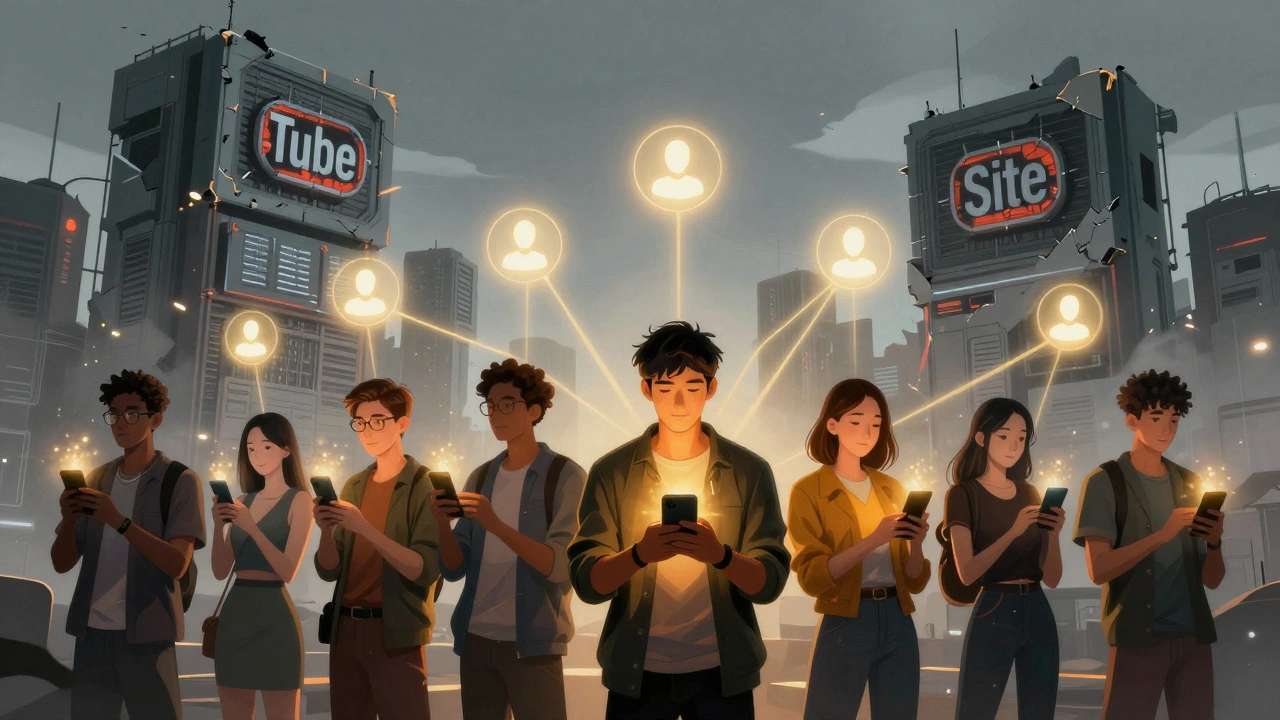

The landscape of the adult entertainment industry has shifted dramatically by mid-2026. If you are looking at the numbers from five years ago, they feel like a different planet. The era of unbridled growth for major tube sites is over, replaced by a fragmented, creator-led ecosystem where trust and direct connection matter more than raw traffic volume. We are seeing a maturation of the market, driven by payment processor crackdowns, the rise of artificial intelligence, and a consumer base that is increasingly tired of paying ten different monthly subscriptions just to access basic content.
For creators, investors, and analysts, understanding these currents is no longer optional-it is survival. The money hasn't disappeared; it has just moved into harder-to-track channels. Let's look at what is actually happening on the ground right now.
The Great Consolidation: Why Tube Sites Are Losing Ground
For decades, the business model was simple: aggregate free content, monetize with ads, and sell premium memberships. That model is crumbling. In 2026, the dominance of legacy tube sites has eroded significantly. Why? Because users have realized that ad-supported free content often comes with malware risks, poor quality, and a lack of genuine interaction.
We are seeing a clear migration toward direct-to-consumer (DTC) platforms. Creators are no longer willing to give up 50-70% of their earnings to middlemen who provide little value beyond hosting. Instead, they are building audiences on social media-specifically TikTok, Instagram, and X-and funneling them to private communities on platforms like OnlyFans, Fansly, or Patreon. This shift has turned the industry into a service-based economy rather than a product-based one. You aren't just buying a video; you are buying access to a person.
This consolidation means fewer players but higher stakes. The big aggregators are struggling to keep up with algorithm changes that de-prioritize explicit links. Meanwhile, niche communities are thriving because they offer curation and safety that massive platforms cannot match.
AI Disruption: Deepfakes vs. Generative Tools
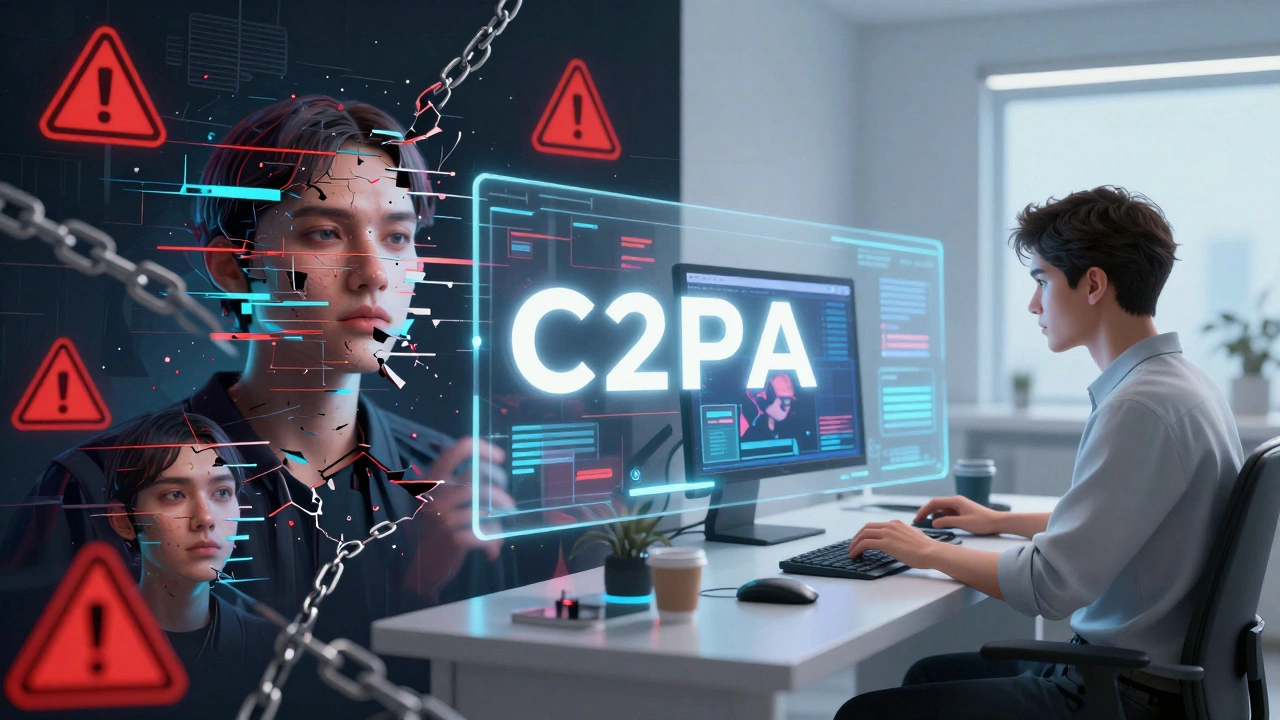
Artificial intelligence is the double-edged sword of 2026. On one side, we have the ongoing nightmare of non-consensual deepfake pornography. Despite stricter laws in the EU and several US states, enforcement remains a patchwork. This has forced platforms to invest heavily in detection tools. Watermarking standards like C2PA (Coalition for Content Provenance and Authenticity) are becoming mandatory for verification on major DTC platforms.
On the other side, however, AI is revolutionizing production. Solo creators are using generative AI to edit videos faster, create custom thumbnails, and even generate personalized messages for subscribers. Some advanced creators are experimenting with AI-driven chatbots that maintain consistent personas, allowing them to scale engagement without burning out. But there is a limit. Users crave authenticity. A study by the Digital Content Association noted in early 2026 that while AI aids efficiency, human interaction drives 80% of recurring revenue. People pay for connection, not just pixels.
Subscription Fatigue and the Rise of Microtransactions
If there is one universal truth about consumers in 2026, it is that they are broke and cautious. With inflation still lingering in certain sectors, the "pay $20 a month to every creator" model is hitting a wall. Subscription fatigue is real. Users are churning faster, canceling subscriptions after one month, and seeking cheaper alternatives.
In response, the industry is pivoting toward microtransactions and tiered pricing. Instead of a flat fee, creators are offering:
- Pay-per-view (PPV) messages: Sending exclusive clips directly to fans for $5-$20 each.
- Tiered access: A low-cost tier ($5/month) for basic posts, and a high-tier ($50+/month) for personalized interactions.
- Tip jars and goals: Gamifying support through unlockable content based on collective tipping milestones.
This approach lowers the barrier to entry for fans while potentially increasing the average revenue per user (ARPU) for top creators. It transforms the relationship from a passive subscription to an active transaction.
Payment Processing: The Silent Gatekeeper
You cannot talk about this industry without talking about payments. Payment processors remain the biggest bottleneck. Visa and Mastercard’s policies fluctuate, causing sudden bans or increased fees for adult merchants. In 2026, we see a continued push toward cryptocurrency and stablecoins as alternative payment rails.
While Bitcoin’s volatility makes it less ideal for daily transactions, stablecoins like USDC and USDT are gaining traction among tech-savvy creators. They offer lower fees, faster settlement times, and greater privacy. However, regulatory uncertainty around crypto taxes and anti-money laundering (AML) compliance keeps many traditional creators hesitant. The result is a two-speed economy: those who can navigate crypto thrive, while others face higher costs and frequent account freezes from traditional banks.
Regulatory Pressure and Age Verification
The legal landscape in 2026 is tighter than ever. Following the UK’s Online Safety Act and similar legislation in the EU, age verification is no longer optional for platforms hosting user-generated content. The US is also moving toward federal standards, though implementation varies by state.
This has led to the rise of third-party age verification services like Yoti and Veriff. While necessary for compliance, these services add friction to the user experience. Platforms must balance security with ease of use. Too much friction, and users leave. Too little, and platforms risk massive fines. The winners in 2026 are those who integrate seamless, biometric-based verification that feels invisible to the user but robust enough to satisfy regulators.
| Model | Revenue Stability | User Acquisition Cost | Scalability | Best For |
|---|---|---|---|---|
| Tube Site Aggregation | Low (Ad-dependent) | High (SEO/Ads) | High | Legacy brands, large libraries |
| DTC Subscription (OnlyFans/Fansly) | Medium (Churn-prone) | Medium (Social Media) | Medium | Established creators with loyal fanbases |
| Microtransaction/PPV | High (Per-sale basis) | Low (Direct outreach) | Low to Medium | Niche creators, high-engagement audiences |
| Crypto-Based Platforms | Variable (Market-dependent) | Low (Community-driven) | High | Tech-savvy creators, privacy-focused users |

The Future of Interaction: VR and Haptic Tech
Virtual Reality (VR) and haptic feedback technology are finally reaching price points accessible to mainstream consumers. While still a small slice of the pie, VR content commands higher prices due to its immersive nature. Creators investing in VR sets and compatible hardware are seeing premium rates for their work.
However, the real potential lies in integration. Imagine a live stream where viewers can interact with the environment in VR, or a chatbot that responds with realistic voice modulation and visual avatars. These technologies are not replacing human creators yet, but they are enhancing the experience for those willing to pay extra for immersion. By late 2026, we expect to see more hybrid experiences that blend live performance with digital augmentation.
Creator Burnout and Mental Health
A critical trend in 2026 is the focus on creator well-being. The pressure to post daily, respond to messages instantly, and maintain a perfect online persona is leading to widespread burnout. Platforms are beginning to acknowledge this, introducing features like "away modes," automated responses, and mental health resources.
Creators are also forming cooperatives and unions to negotiate better terms with platforms and share best practices for boundary-setting. This collective action is reshaping the industry culture, moving away from the "grindset