
Walking onto a professional adult film set in 2026 looks nothing like the chaotic scenes of the past. Today, performer safety is a structured system of medical, physical, and logistical controls designed to minimize health risks and ensure fair working conditions. For many performers, the biggest fear isn't the camera-it's the unknown variables of health and hygiene. This guide breaks down exactly what equipment you should expect, how hygiene protocols are enforced, and why these standards matter for your long-term career health.
The Core Equipment Every Set Must Have
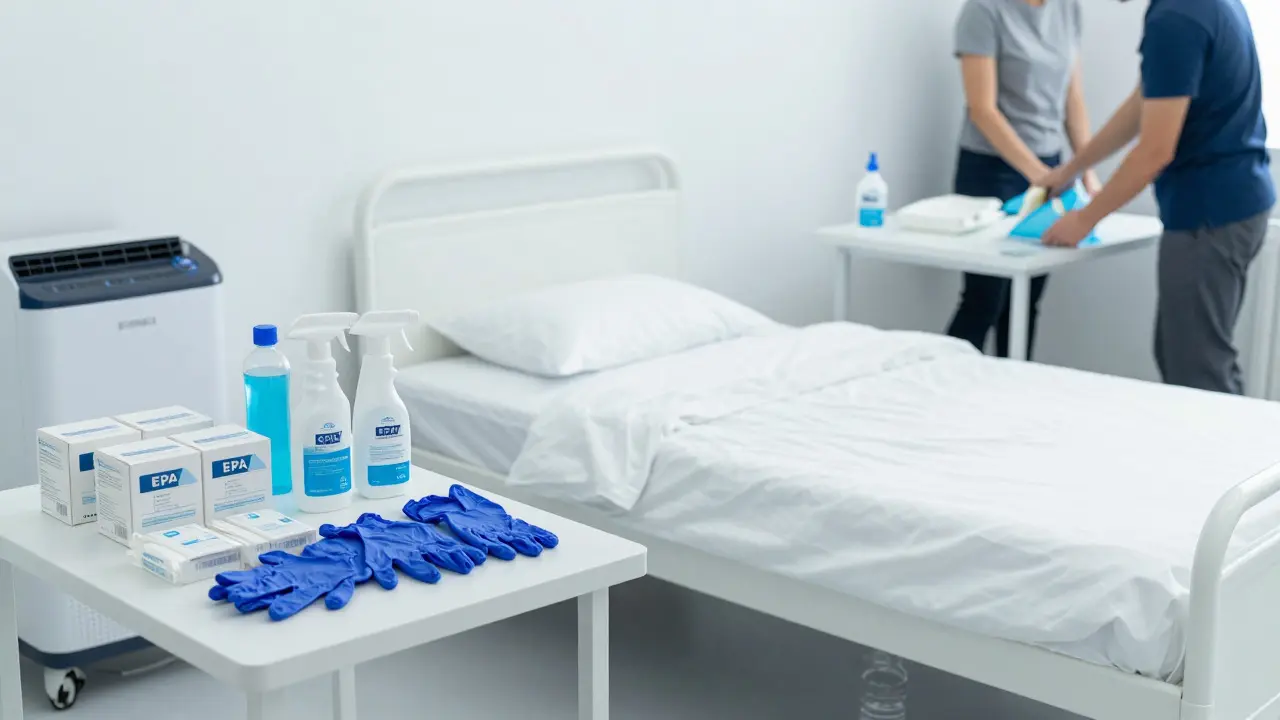
You might think that "equipment" on a set just means cameras and lights. While those are critical for production, the safety gear is equally vital. The baseline for any reputable production involves specific consumables and medical supplies that must be restocked after every scene or performer changeover.
- High-Efficiency Particulate Air (HEPA) Filters: These are mandatory in indoor sets to reduce airborne particle transmission, especially during close-up work.
- Medical-Grade Gloves: Nitrile gloves are preferred over latex due to lower allergy rates. They are used by crew members handling props or assisting with positioning.
- Disinfectant Wipes and Sprays: Surfaces like chairs, beds, and prop tables must be wiped down between takes. Look for EPA-approved disinfectants effective against common pathogens.
- Personal Protective Equipment (PPE): Depending on the scene type, this can include barrier methods like condoms, dental dams, or even face shields for specific special effects shots.
It’s not enough to have these items in a drawer. A good producer ensures they are within arm's reach of the talent and crew. If you’re a new performer, ask about the "safety kit" before signing a contract. If the answer is vague, that’s a red flag.
Hygiene Protocols: Beyond Basic Cleaning
Hygiene on set is a continuous process, not a one-time event. The protocol usually follows a strict timeline tied to the shooting schedule.
- Pre-Production Check: 48 hours before filming, all cast members submit recent test results. The location is inspected for cleanliness and potential hazards.
- On-Set Sanitization: Between each performer or major scene change, surfaces are disinfected. This includes not just furniture but also shared props, which can harbor bacteria if not cleaned properly.
- Personal Grooming Standards: Performers are expected to maintain high personal hygiene, but the set must provide facilities to support this. Access to clean restrooms, hot water, and private changing areas is non-negotiable.
- Post-Production Debrief: After wrapping, a final check ensures no biohazard waste is left behind and that reusable equipment is properly sterilized for future use.
This systematic approach reduces the risk of cross-contamination significantly. It turns what could be a stressful health gamble into a manageable professional routine.
STI Testing and Medical Clearance
No discussion of STI testing is a standardized medical procedure required for adult performers to verify their health status before and during productions. In 2026, the standard has shifted from annual checks to more frequent screenings, often every 3 months for active performers.
What does a typical panel look like? Most unions and major studios require:
| Test Type | Frequency | Purpose |
|---|---|---|
| HIV (4th Gen) | Every 3 months | Detects antibodies and antigens early |
| Syphilis (RPR/TPHA) | Every 3 months | Screening for active infection |
| Gonorrhea & Chlamydia | Every 3 months | Nucleic acid amplification tests (NAAT) |
| Hepatitis B & C | Annually | Blood-borne pathogen screening |
| Herpes (HSV-1/2) | Baseline + as needed | Identifies carrier status for disclosure |
These tests aren't just bureaucratic hurdles. They protect everyone. When a performer knows their status, they can make informed decisions about barrier usage. When the studio knows the status, they can plan safer scenes without guessing.
Performer Rights and Contractual Protections
Equipment and hygiene only work if performers have the power to enforce them. This is where performer rights come legal and contractual entitlements ensuring fair treatment, safe working conditions, and compensation for adult talent. In the modern era, contracts explicitly list safety provisions.
Key rights to look for in your agreement include:
- Right to Refuse Unsafe Scenes: If a set lacks proper ventilation or clean supplies, you should have the right to pause work until fixed.
- Access to Private Rest Areas: You shouldn’t have to wait in a hallway while crew members discuss schedules. Privacy is a health issue.
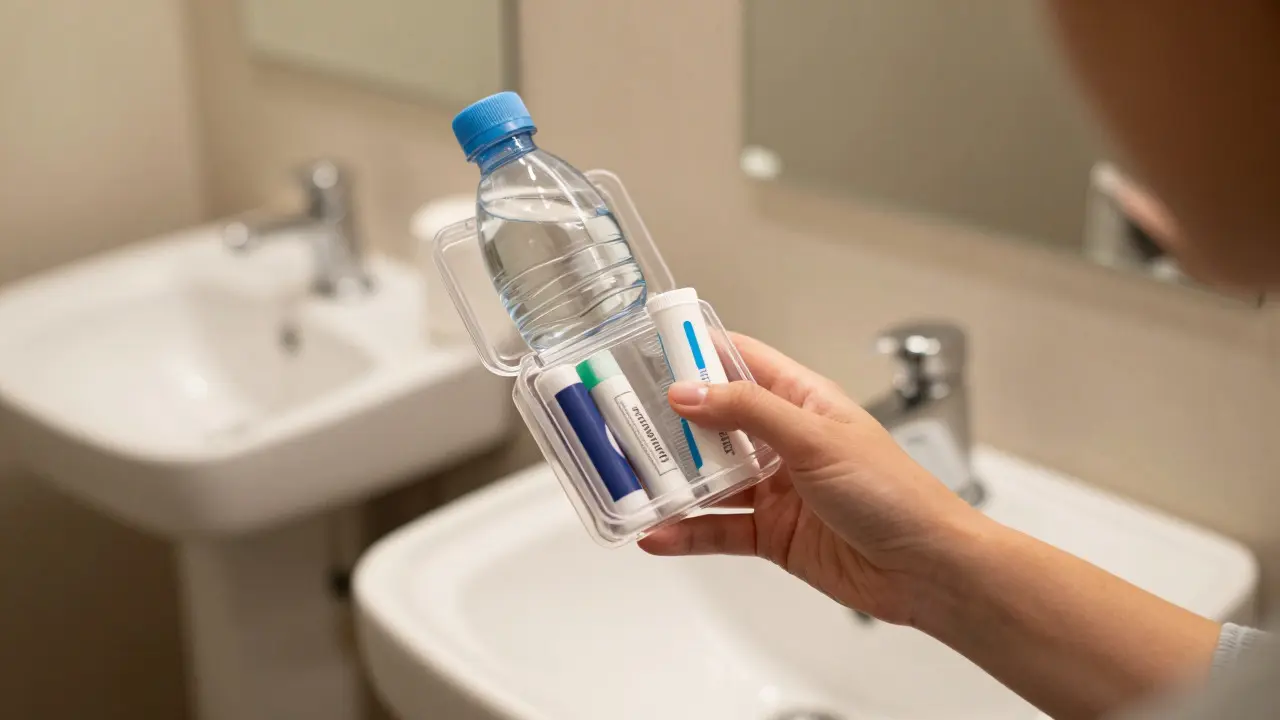
- Hydration and Breaks: Dehydration affects performance and health. Contracts should mandate regular breaks with access to clean water.
- Union Representation: Working under unions like SAG-AFTRA (which now covers more digital content) or specialized adult industry guilds provides an extra layer of oversight.
If a producer resists including these clauses, ask yourself why. Transparency is usually a sign of professionalism.
Common Pitfalls and How to Avoid Them
Even with good intentions, things go wrong. Here are the most common issues performers face and how to handle them.
1. The "Clean Enough" Myth. Some smaller productions assume that wiping a surface once is enough. Insist on seeing the cleaning log. If there isn’t one, bring your own wipes.
2. Shared Props Without Disinfection. Toys and props are high-risk items. Ensure they are either single-use or professionally sanitized between uses. Ask who is responsible for this task.
3. Lack of Emergency Contacts. Know where the nearest clinic is before you start shooting. Save the number in your phone. It sounds paranoid, but it’s smart.
4. Ignoring Allergies. Tell the director about any latex or detergent allergies upfront. Cross-reactions can cause swelling or breathing difficulties on set, which ruins the shoot.

Building a Personal Safety Checklist
You don’t have to rely solely on the production company. Create your own pre-shoot checklist to keep yourself accountable.
- Verify my latest STI test results are current (within 90 days).
- Check my contract for specific hygiene clauses.
- Pack personal essentials: favorite lubricant, backup barriers, water bottle, snacks.
- Confirm the location address and parking situation.
- Save emergency contacts: local ER, poison control, union rep.
This routine takes five minutes but gives you peace of mind. It shifts the dynamic from passive participant to active manager of your own health.
Frequently Asked Questions
How often should STI tests be done for adult performers?
The industry standard in 2026 is every three months for active performers. This frequency balances cost with safety, ensuring that any new infections are caught early before they can spread on set.
Who pays for the STI tests and hygiene supplies?
In most professional setups, the production company covers the cost of mandatory tests and on-set hygiene supplies. However, some independent producers may deduct these costs from the performer's pay. Always clarify this in your contract before agreeing to work.
What happens if a performer forgets to get tested?
Usually, the performer is pulled from the set until a valid test result is provided. This can delay the shoot and lead to penalties depending on the contract. It’s best to schedule tests well in advance to avoid last-minute scrambles.
Are HEPA filters really necessary for short shoots?
Yes, especially for indoor scenes involving close contact. Even short shoots can expose performers to airborne particles from dust, makeup, or other people. HEPA filters are a low-cost way to significantly improve air quality and reduce respiratory risks.
Do I need to bring my own protection?
While the set should provide standard barriers, bringing your own preferred brands of lubricant or condoms ensures comfort and familiarity. It also serves as a backup in case the set runs out. Never rely 100% on the production’s supply chain for critical safety items.