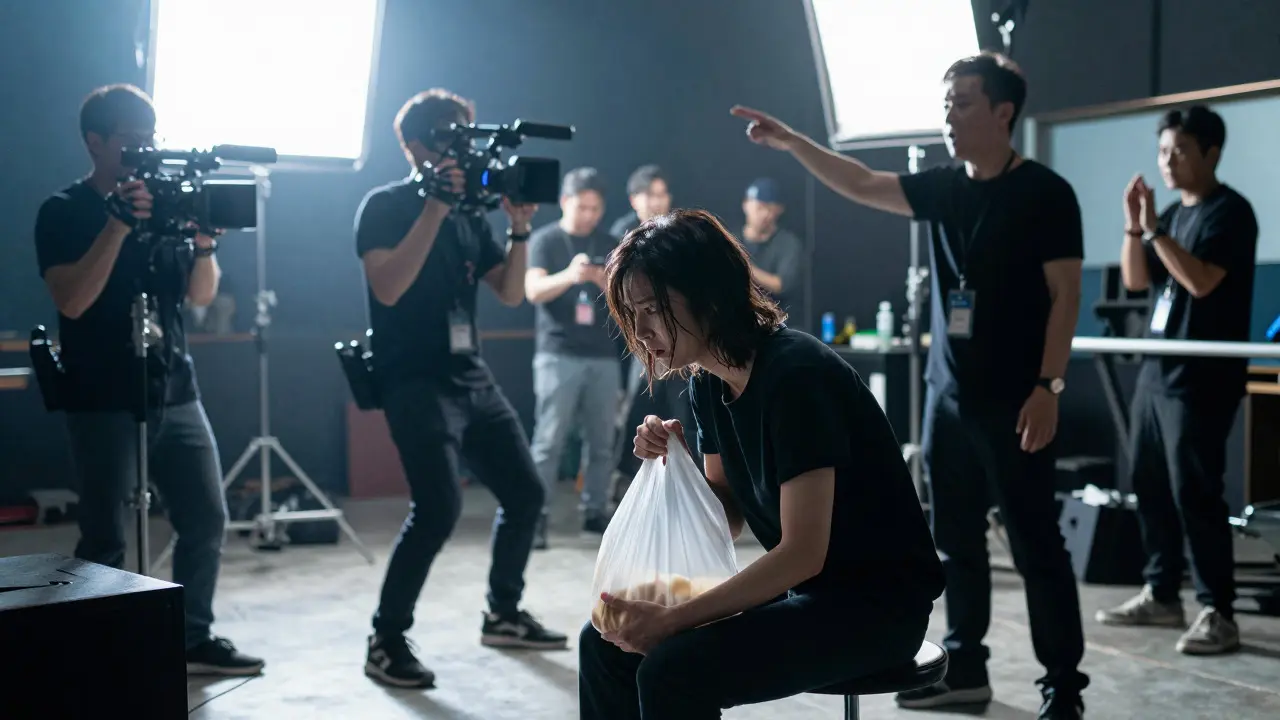

Walking onto a set for the first time can feel chaotic. Cameras are rolling, lights are blinding, and there is pressure to keep things moving. For an adult content producer, the line between a high-pressure work environment and genuine exploitation is often blurred by the fast pace of the industry. You might think you are just managing a schedule, but without proper training, you could be missing critical signs that a performer is being controlled or coerced. This guide breaks down the specific behavioral and logistical red flags that separate a professional production from a potential trafficking scenario.
Why Standard HR Training Fails in Adult Media
Most traditional Human Resources (HR) training focuses on office environments where employees have badges, fixed desks, and clear break times. In the adult industry, these structures rarely exist. Performers often work freelance, travel frequently, and may not have standard contracts. This makes standard harassment training insufficient. Instead, producers need to understand power dynamics unique to this vertical. When one person controls the paycheck, the housing, and the transportation, the risk of coercion spikes significantly. Recognizing this imbalance is the first step in preventing exploitation before it becomes a legal crisis.
The Five Critical Behavioral Red Flags
You don't need to be a psychologist to spot trouble. Look for patterns rather than single incidents. If you see two or more of these behaviors occurring together, pause the production and assess the situation.
- Isolation from Support Networks: The performer avoids calling family or friends during breaks. They seem anxious when their phone rings. Isolation is a primary tool used by traffickers to cut off outside help.
- Inconsistent Storylines: Details about how they got to the location change. One day they say they drove themselves; the next, they mention a driver. Inconsistency suggests someone else is controlling their narrative.
- Fear of Consequences: They hesitate to ask for water, a bathroom break, or a scene change. They apologize excessively for minor mistakes. This fear indicates a lack of agency over their own body and time.
- Lack of Personal Belongings: Their bag is empty, or they only carry what was provided by the production team. Independent performers usually bring personal hygiene items, clothes, and entertainment. A "pack light" strategy is often enforced by controllers.
- Physical Signs of Fatigue or Neglect: Dark circles under eyes, unexplained bruises, or poor hygiene despite having access to facilities. These are physical manifestations of long hours and lack of rest.
Logistical Warning Signs in Production Planning
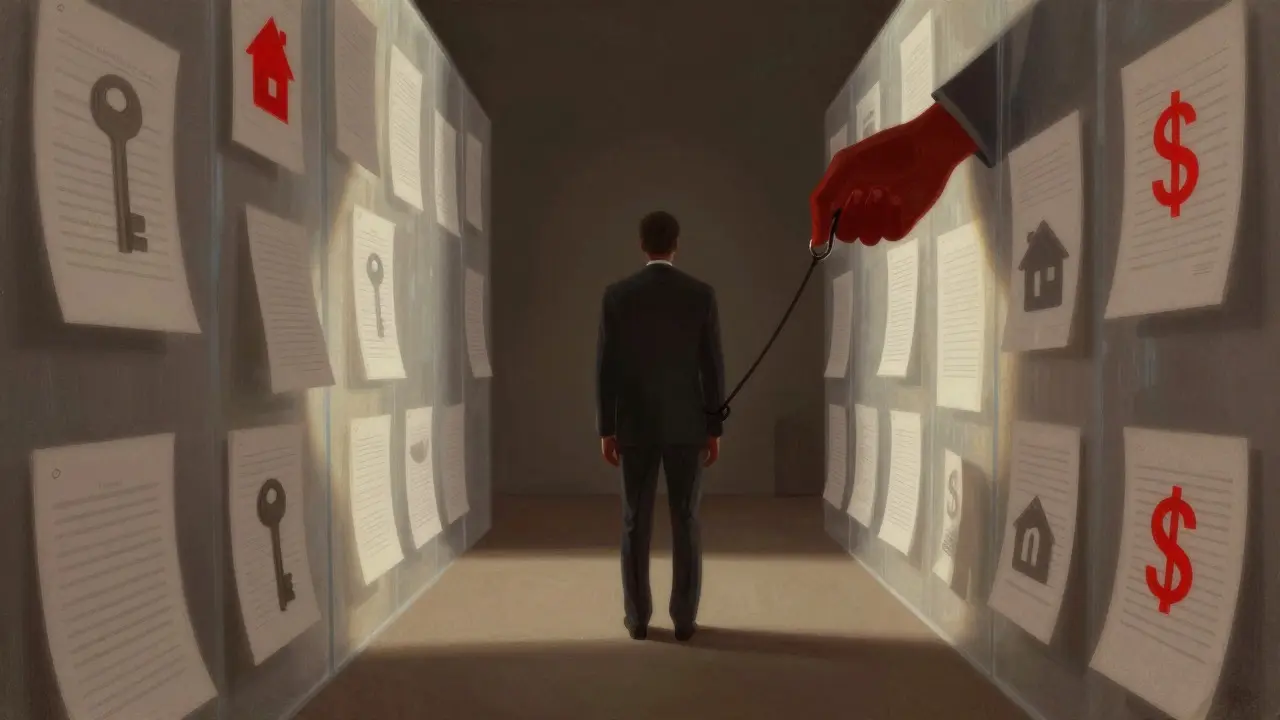
Red flags aren't just about people; they are about processes. How you organize your shoot can inadvertently enable exploitation. Review your production checklist against these logistical risks.
| Factor | Safe Practice | Risky / Exploitative Pattern |
|---|---|---|
| Contracting | Direct agreement with performer or verified agency | Verbal agreements or cash-only deals |
| Housing | Performer books own hotel or uses trusted partner | Producer books all rooms; keys held by manager |
| Payment | Transparent rate card; payment within 7 days | Deductions for "expenses"; delayed payments as leverage |
| Transportation | Reimbursed rideshare or company car with driver | Driver who also acts as handler/sitter |
If you find yourself booking the hotel and holding the key, you have created a dependency. The performer cannot leave if they are unhappy because they do not have independent access to their room. Always ensure the performer has direct control over their accommodation and transportation options.
The Role of the On-Set Manager
The on-set manager is often the first point of contact for a distressed performer. They need specific training to act as a buffer between the director's creative demands and the performer's well-being. An effective manager should:
- Check in privately with the performer every two hours, away from the camera crew.
- Keep a log of working hours, including unpaid setup and teardown time.
- Have a pre-agreed signal with the performer that allows them to pause a scene without explanation.
This role requires empathy, not just logistics. If the manager is also the talent agent or the director's spouse, the conflict of interest undermines their ability to protect the performer. Separate these roles whenever possible to maintain objective oversight.

Building a Compliance Culture
Prevention is cheaper than litigation. Building a culture where creator safety is prioritized over speed protects your brand. Start by implementing a third-party audit system. Hire an external compliance officer to review your contracts and set protocols annually. This signals to performers that you take their welfare seriously. Additionally, provide a dedicated, anonymous hotline for performers to report concerns directly to headquarters, bypassing local managers who might be part of the problem.
Immediate Action Steps for Producers
If you suspect exploitation on your current project, do not wait for proof. Take these steps immediately:
- Separate the performer from any handlers or agents present on set.
- Offer immediate payment for completed scenes to remove financial leverage.
- Provide transportation home or to a safe house, ensuring the driver is neutral.
- Document everything: times, conversations, and observed behaviors.
Acting quickly demonstrates good faith and can prevent a situation from escalating into a legal dispute. Remember, the goal is not just to avoid fines, but to ensure every person leaving your set feels respected and free.