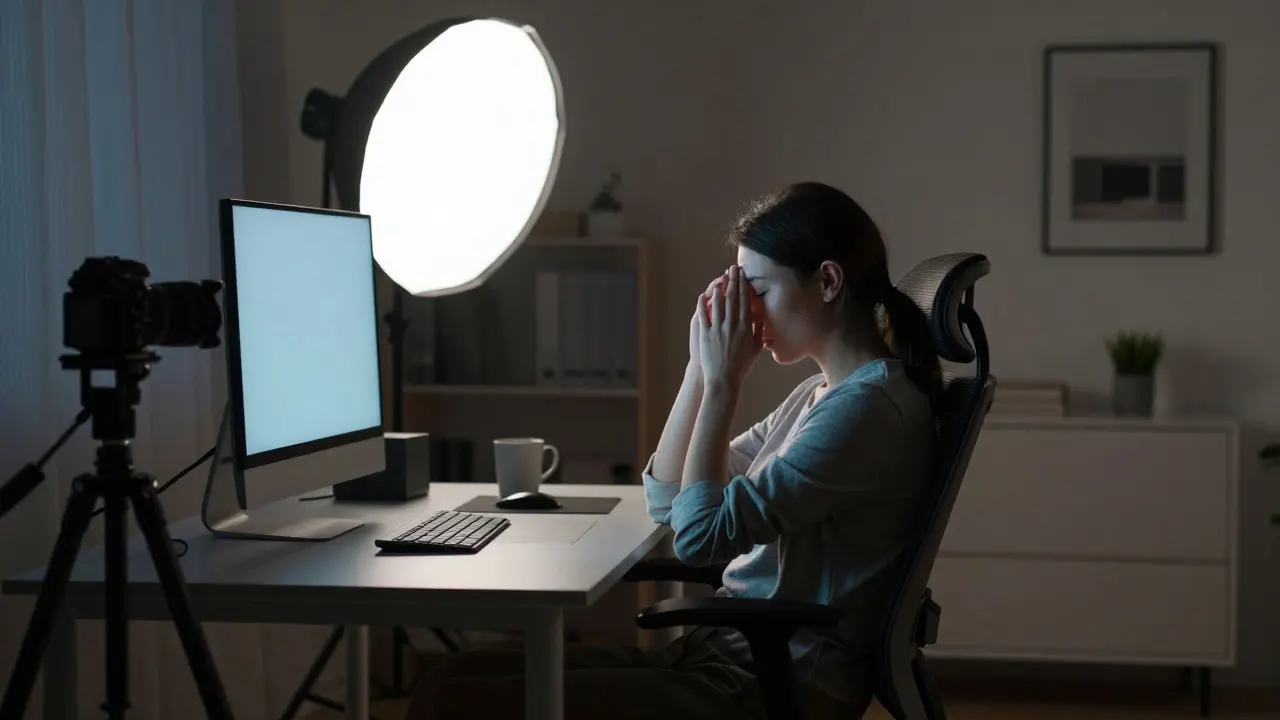

Ever finished a shoot only to feel completely drained, not in the physical sense, but mentally? For many adult content creators is professionals who produce video, photo, or interactive media for an audience, often managing their own schedules, finances, and public image without traditional corporate support structures., this is the reality of burnout. It isn't just about being tired; it’s a state of emotional, physical, and mental exhaustion caused by excessive and prolonged stress. In the creator economy, where the line between work and life can blur dangerously thin, preventing this slide into dysfunction is critical for long-term career sustainability.
The unique challenge here isn't just the hours you put in-it's the cognitive load. You are simultaneously the CEO, the marketing department, the production crew, and the talent. This multifaceted role demands constant switching between creative modes and administrative tasks, which accelerates mental fatigue far faster than a standard 9-to-5 job. Understanding how to manage this specific type of workload is the first step toward reclaiming your energy.
Understanding the Creator-Specific Stressors
To fix the problem, you have to name it. Burnout in this industry doesn't look like the typical office worker staring at a spreadsheet until their eyes bleed. It looks like checking comments at 2 AM because you’re anxious about a new release. It looks like saying "yes" to a collaboration that drains your schedule because you fear losing momentum. These stressors are distinct from general workplace stress.
- Audience Dependency: Your income is directly tied to engagement metrics. This creates a variable pay structure that feels unstable, leading to financial anxiety that bleeds into creative decisions.
- Public Scrutiny: Unlike corporate jobs, your personal brand is your product. Every comment, review, or piece of feedback feels personal, increasing the emotional toll of daily operations.
- Schedule Fragmentation: There is no set end time. A quick edit becomes a two-hour session, and a fan mail response turns into a three-hour conversation. This lack of temporal boundaries prevents true rest.
Recognizing these specific triggers allows you to target them with precision rather than relying on generic wellness advice that rarely works for independent contractors.
Building Rigid Operational Boundaries
Boundaries aren't just nice to have; they are operational necessities. Without them, your workload expands to fill whatever time you give it, a phenomenon known as Parkinson’s Law. For creators, this means if you leave your laptop open all day, you will work all day. The solution is to create artificial constraints that force efficiency and protect downtime.
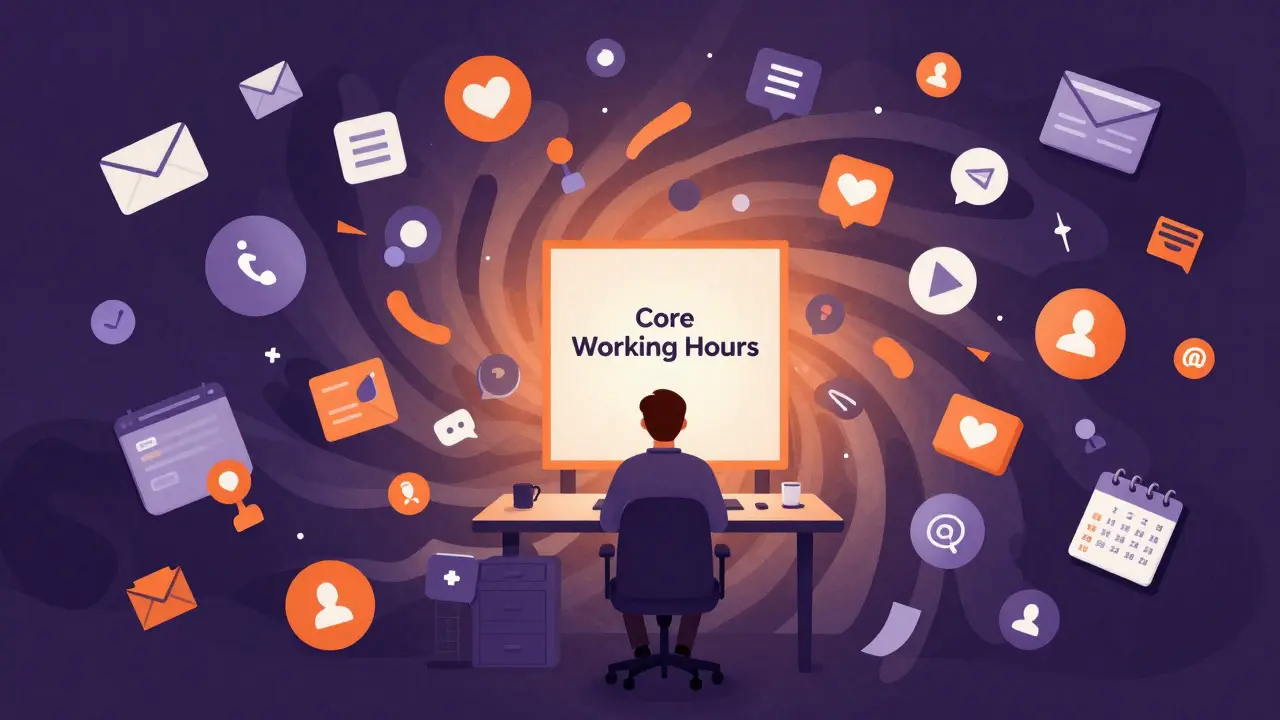
- Define Core Working Hours: Pick a window, say 10 AM to 4 PM, for all administrative and creative tasks. Outside this window, notifications go off. Yes, even for urgent emails. Most fans understand that humans need sleep.
- Batch Similar Tasks: Context switching is expensive cognitively. Instead of answering one DM, editing one clip, and updating social media in rapid succession, group them. Do all community management in one hour block. Edit all footage in another.
- Create a Physical Workspace: If possible, separate your workspace from your living space. If you live in a small apartment, use a specific desk and chair exclusively for work. When you sit down, you're working. When you stand up, you're done. This physical cue helps your brain switch modes.
This structure transforms your day from a reactive scramble into a proactive routine. It gives you permission to stop, which is often the hardest part for perfectionist creators.
Strategic Workload Management Techniques
Once boundaries are set, you need to manage what actually fits inside them. This is where strategic workload management comes in. It’s not about doing more in less time; it’s about choosing what matters most and eliminating the rest. Many creators fall into the trap of trying to be everywhere at once, posting on every platform, releasing content weekly, and engaging deeply with every subscriber. This is a recipe for collapse.
Consider the concept of "minimum viable presence." What is the absolute minimum amount of output required to maintain your income and audience growth? Anything beyond that should be treated as optional, not mandatory. Use tools to automate the repetitive parts. Scheduling posts via platforms like Buffer or Later removes the daily pressure of manual posting. Automating email responses for common questions saves hours each week. These aren't shortcuts; they are infrastructure investments that buy back your mental bandwidth.
| Strategy | Best For | Risk if Overused | Implementation Effort |
|---|---|---|---|
| Batching Tasks | Creative & Admin workflows | Delayed responsiveness | Low |
| Automation Tools | Social Media & Email | Loss of personal touch | Medium |
| Outsourcing | Editing & Customer Service | High cost & Quality control issues | High |
| Minimum Viable Presence | Growth Phase Creators | Stagnant growth | Low |
Notice the trade-offs. Automation saves time but can make you feel disconnected. Outsourcing frees you up but costs money. Finding the right mix depends on your current revenue stage. Early on, batching and automation are your best friends. As you scale, outsourcing becomes viable and necessary.
The Role of Financial Stability in Mental Health
You can’t separate burnout from financial stress. For independent creators, income volatility is a constant background noise. One month might be great; the next might be quiet. This unpredictability keeps your nervous system in a low-level state of alertness, making it harder to relax even when you aren't working.
Mitigating this requires building a financial buffer. Aim to save enough to cover six months of expenses. This safety net changes your relationship with work. When you know you won't starve if a month is slow, you can afford to take a break. You can say "no" to bad deals. You can focus on quality over quantity. Financial stability acts as a shock absorber for the emotional ups and downs of the creator lifestyle.
Additionally, diversify your income streams where possible. Relying solely on subscription fees makes you vulnerable to algorithm changes or market shifts. Adding merchandise, tips, or occasional collaborations spreads the risk. This diversification reduces the pressure on any single source of income, lowering the stakes of each individual project.

Recovering From Early Signs of Exhaustion
Even with the best plans, slip-ups happen. How do you recognize when you’re heading toward burnout before it hits full stride? Pay attention to these early warning signs:
- Cynicism: You start viewing your audience as annoying rather than supportive. The work feels meaningless.
- Physical Symptoms: Headaches, digestive issues, or chronic muscle tension that don't go away with rest.
- Performance Drop: Edits take longer. Ideas come slower. You find yourself procrastinating on simple tasks.
- Social Withdrawal: You cancel plans with friends because you’d rather stay home, but not because you want to-because you’re too tired to perform socially.
If you spot two or more of these signs, implement an immediate reset. Take a full week off. No phone, no email, no planning. Just rest. This isn't quitting; it's maintenance. Think of it like oiling a machine. If you wait until the engine seizes, the repair is much more expensive and disruptive than regular maintenance.
Long-Term Sustainability Habits
Prevention is better than cure, but both require consistent habits. Integrate these practices into your weekly routine to keep burnout at bay:
- Scheduled Downtime: Put breaks in your calendar. Treat them like client meetings. If you miss a break, you’ve failed a commitment.
- Digital Detox Windows: Designate specific times, perhaps Sunday evenings, where all work devices are off. Read a book, cook, or walk outside. Reconnect with the world outside your screen.
- Peer Support Groups: Connect with other creators. Isolation amplifies burnout. Talking to someone who understands the unique pressures of the industry provides validation and practical advice. Online communities or local meetups can serve this purpose well.
- Regular Health Check-ins: See a doctor regularly. Mental health is physical health. Address sleep hygiene, nutrition, and exercise proactively, not reactively.
Sustainability isn't about burning bright and fast; it's about burning steady and long. By treating your energy as a finite resource that needs careful management, you ensure that your career lasts decades, not just a few intense years.
How many days per week should an adult content creator take off?
Ideally, at least one full day off per week with zero work-related tasks. However, for high-volume creators, two half-days or one full day plus several shorter breaks may be more realistic. The key is consistency, not just the number of days. Ensure that on your days off, you truly disconnect from work communications.
Is it normal to feel guilty when taking a break?
Yes, it is very common due to the entrepreneurial mindset that equates worth with productivity. To combat this guilt, reframe rest as a professional requirement. Just as an athlete trains to recover, a creator must rest to maintain creative quality. Write down your accomplishments for the week before you log off to remind yourself that the work is done.
What is the most effective tool for automating social media for creators?
Tools like Buffer, Hootsuite, or Later are popular choices. They allow you to schedule posts across multiple platforms in advance. For direct messaging, many creators use built-in auto-replies on platforms like Instagram or X (formerly Twitter) to handle basic queries, reserving human interaction for complex or high-value conversations.
When should a creator consider hiring help?
Consider hiring when a task consumes more than 10% of your weekly hours and does not directly involve your creative voice or personal brand. Editing, customer service, and basic accounting are good candidates for outsourcing. Start with freelancers for specific projects before committing to full-time staff to test the waters.
Does burnout affect creative quality?
Absolutely. Burnout leads to decision fatigue, resulting in safer, less innovative content choices. Audiences often subconsciously detect lack of enthusiasm or energy in the content. Restored energy typically brings back the spark and authenticity that audiences originally subscribed for, improving engagement and retention rates.