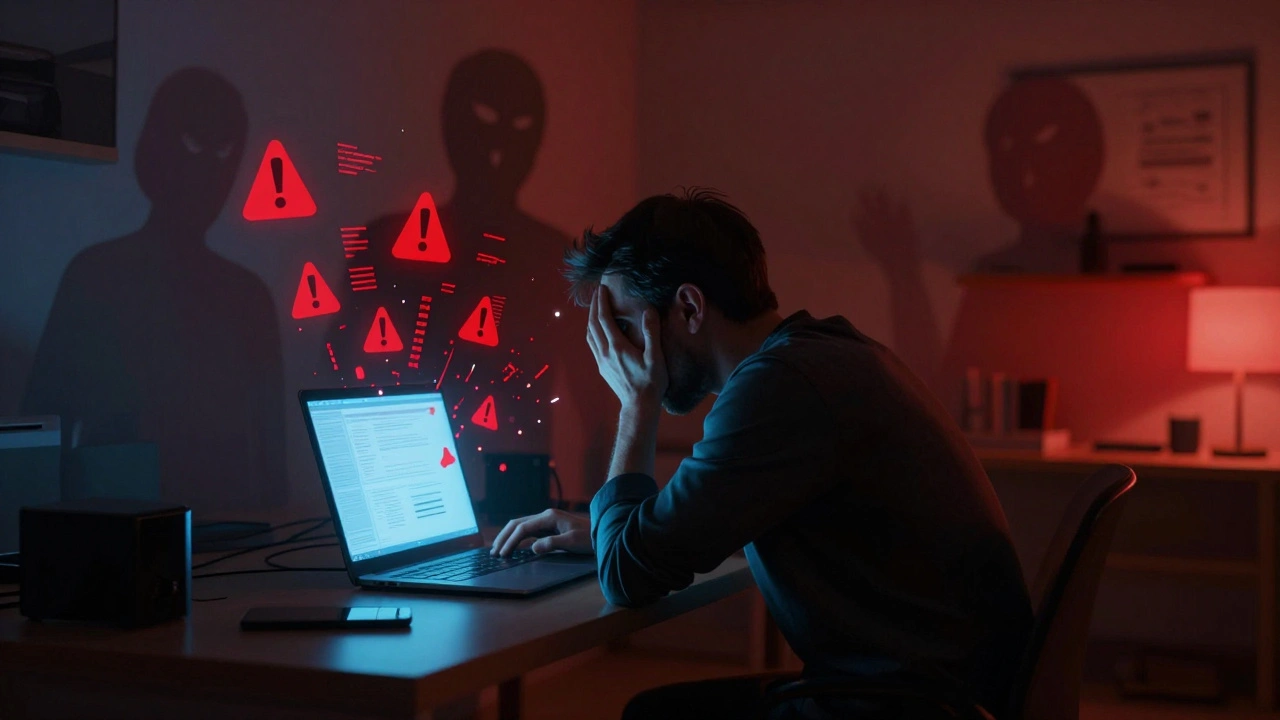

Imagine spending weeks filming, editing, and marketing a video. You hit publish, watch the numbers climb, and feel that rush of validation. Then, three days later, you find your work uploaded to a sketchy torrent site or a Telegram channel with zero warning. The comments aren’t about your art; they’re mocking you for not securing it better. This isn’t just a business loss. For adult content creators who rely on direct fan support, this is a violation that cuts deep into their sense of safety and self-worth.
The rise of subscription platforms like OnlyFans, Fansly, and Patreon has given many independent artists financial autonomy. But with that freedom comes a unique vulnerability. Unlike traditional media companies with legal teams and automated takedown bots, individual creators often face piracy alone. The emotional toll of seeing your intimate work stolen and distributed without consent can lead to anxiety, depression, and a pervasive feeling of being unsafe online. Understanding this impact is the first step toward building resilience.
The Psychological Toll of Digital Theft
When someone steals your physical property, it’s bad. When they steal your creative work, it’s worse. But when they steal content that involves your body, your identity, and your private moments, the psychological damage is profound. Many creators report feeling "exposed" even after the content is removed. The knowledge that strangers have accessed intimate images without paying or respecting boundaries creates a lingering sense of violation.
This phenomenon is closely linked to digital sexual violence, which includes non-consensual distribution of intimate material. Studies in cyberpsychology show that victims of such violations often experience symptoms similar to PTSD, including hypervigilance, shame, and social withdrawal. For adult creators, whose livelihood depends on their online presence, this can create a paralyzing conflict: you need to be visible to earn, but visibility makes you a target.
- Betrayal by fans: Many pirated leaks come from subscribers who promise discretion but share content in private groups. This betrayal erodes trust, making it harder to connect authentically with new audiences.
- Financial anxiety: Piracy directly impacts income. When free copies circulate, potential subscribers may skip paying, leading to stress about rent, bills, and future stability.
- Reputational fear: Creators worry that leaked content will reach employers, family members, or acquaintances, threatening their personal life outside the industry.
The isolation is real. Because adult creation is still stigmatized in many circles, creators often hesitate to seek help from mainstream mental health professionals who may lack understanding of the specific nuances of digital exploitation. This silence allows the negative emotions to fester.
Why Traditional Solutions Fall Short
You might think, "Just use watermarks." Or, "Report it to the platform." While these steps are necessary, they are rarely sufficient. Watermarks can be cropped or blurred. Reporting tools on major platforms like Facebook, Twitter (X), or Telegram are often slow, inconsistent, or require extensive documentation that an overwhelmed creator doesn’t have time to gather.
The scale of the problem is overwhelming. A single piece of content can be mirrored across hundreds of sites within hours. Chasing each one down feels like trying to bail out a sinking boat with a spoon. This helplessness contributes significantly to burnout. Many creators quit not because they lost interest in their art, but because the emotional labor of protecting their work became unsustainable.
Furthermore, the legal route is expensive and complex. DMCA takedowns are a standard tool, but they only remove specific links. They don’t stop the uploader from reposting elsewhere, nor do they hold them accountable. For a freelancer earning variable income, hiring a lawyer to pursue copyright infringement is often financially impossible. This gap between available tools and actual protection leaves creators feeling abandoned by the systems they depend on.

Building an Emotional Support System
If technical fixes are incomplete, emotional resilience becomes your primary defense. Coping with content piracy requires shifting from a reactive stance (chasing leaks) to a proactive mindset (protecting your peace). Here are practical strategies that focus on mental well-being rather than just digital cleanup.
1. Normalize the Experience
First, understand that you are not alone. Piracy is an industry-wide issue, not a personal failure. Many successful creators have faced massive leaks. Talking openly with other creators in trusted communities can reduce shame. Joining private Discord servers or Slack groups dedicated to adult creator wellness allows you to share experiences without judgment. Knowing others have survived similar breaches provides hope and practical advice.
2. Set Strict Boundaries Online
Your mental health is more valuable than any single piece of content. Consider implementing rules that protect your energy:
- Limited engagement: Don’t monitor pirate sites daily. Assign a specific time once a week to check for leaks, then close the tabs. Constant vigilance keeps your nervous system in fight-or-flight mode.
- Content segmentation: Keep some of your most intimate or personal content exclusive to high-tier subscribers or private messages. This reduces the surface area for mass leaks and gives you more control over who sees what.
- Separate identities: Maintain a clear separation between your creator persona and your personal life. Use separate devices, email addresses, and social media accounts. This compartmentalization helps you mentally "clock off" and reduces the fear of cross-contamination.
3. Seek Specialized Professional Help
Mainstream therapy is great, but finding a therapist who understands the adult industry is crucial. Look for providers who specialize in sex-positive counseling or trauma-informed care for sex workers. These professionals recognize that stigma is part of the trauma and won’t judge your work. They can help you process feelings of violation and develop coping mechanisms for anxiety related to online exposure.
Organizations like the Sex Workers Outreach Coalition (SWOC) or local peer-support networks often maintain lists of vetted therapists. If cost is a barrier, look for sliding-scale clinics or online therapy platforms that offer confidentiality and specialization in digital harassment.

Practical Tools for Peace of Mind
While emotional support is key, having reliable tools can reduce the daily stress of piracy. Integrating these into your workflow can make you feel more in control.
| Tool Type | Function | Pros | Cons |
|---|---|---|---|
| Image Trace Services | Scans the web for your photos/videos | Automated detection, saves time | Subscription cost, false positives |
| Dynamic Watermarking | Adds subscriber name/email to each download | Deters sharing, identifies leakers | Can degrade image quality |
| Legal Takedown Bots | Automates DMCA requests | Fast removal, handles volume | Doesn't prevent re-uploads |
Services like Pixsy or Copytrack can scan the internet for your images and send takedown notices automatically. While they don’t stop the initial leak, they reduce the manual labor of cleaning up. Dynamic watermarking, where each file is stamped with the buyer’s details, adds a layer of accountability. It doesn’t eliminate piracy, but it makes leakers think twice if they know they can be traced.
Community-Led Advocacy and Change
Individual coping is important, but systemic change is necessary. The adult creator community is increasingly organizing to demand better protections from platforms. Groups like the Coalition Against Trafficking in Women (CATW) alternatives, such as the Adult Creator Alliance, advocate for stronger copyright enforcement and ethical platform policies.
By joining these movements, you transform your frustration into power. Collective action has led to improvements in how platforms handle nude content and faster response times for takedowns. Sharing your story (anonymously if needed) helps educate the public and policymakers about the real-world harm of digital piracy. It shifts the narrative from "victim blaming" to "perpetrator accountability."
Remember, your worth is not defined by your ability to keep every piece of content secure. It is defined by your creativity, your resilience, and your right to control your own body and art. Building a support network, using available tools wisely, and prioritizing your mental health are the most effective ways to navigate this challenging landscape.
How do I emotionally recover after my content is leaked?
Start by acknowledging your feelings without judgment. Connect with supportive peers who understand the industry. Consider speaking with a sex-positive therapist to process trauma. Limit your exposure to pirate sites to avoid re-traumatization. Remember that the leak is a reflection of the thief's actions, not your worth.
Are there free tools to detect content piracy?
Yes, Google Alerts can notify you when your name or specific phrases appear online. Reverse image search tools like TinEye are free and can help locate where your images are hosted. While less comprehensive than paid services, they provide a basic level of monitoring without financial cost.
What should I do if a former subscriber leaks my content?
Document the breach immediately with screenshots. Issue a DMCA takedown request to the hosting platform. If you have their identity, consider sending a cease-and-desist letter. Emotionally, block them across all platforms and lean on your support network to process the betrayal.
How can I prevent future leaks without compromising quality?
Use dynamic watermarking that embeds user data subtly. Educate subscribers about the consequences of sharing. Offer tiered content where the most sensitive material is kept in private messages rather than public feeds. Regularly update your security practices and stay informed about new anti-piracy technologies.
Where can I find a therapist who understands adult creation?
Look for directories maintained by organizations like SWOC or ERO-Counseling. Search for terms like "sex-positive," "kink-aware," or "trauma-informed" in therapist profiles. Online platforms often allow filtering by specialty, helping you find professionals who respect your profession and understand digital harassment.