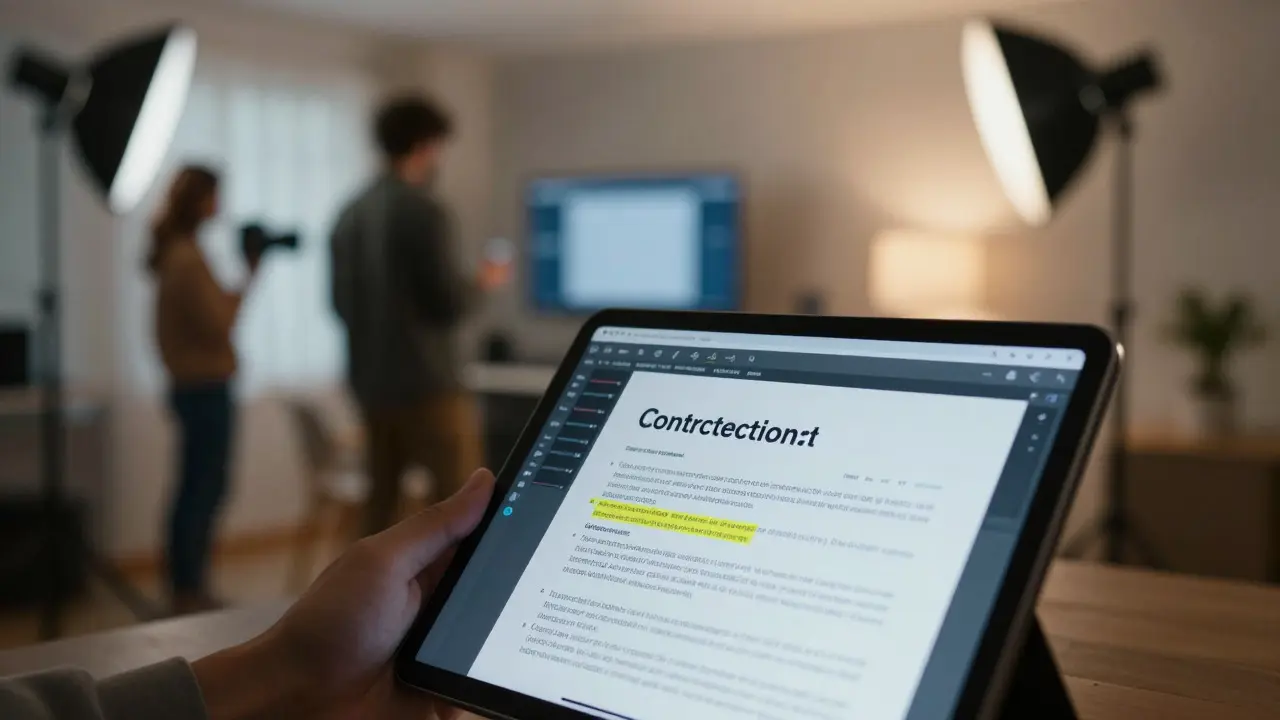

Most people think the adult industry is all about individual stars and one-off deals. But behind the scenes, the real money is often made through creator collaborations. Whether it’s a joint shoot between two performers or a brand partnership with a supplement company, these partnerships are reshaping how talent earns their keep. Yet, for many creators, the fine print remains a mystery until it’s too late. Understanding the standard revenue splits and contract clauses isn’t just legal homework; it’s the difference between a profitable career and a costly mistake.
The landscape has shifted dramatically since the rise of direct-to-consumer platforms. Creators no longer rely solely on studio paychecks. They build audiences, sell subscriptions, and collaborate to cross-pollinate fanbases. This shift means that traditional fixed-rate contracts are giving way to more complex, performance-based agreements. If you’re entering this space as a solo creator or part of a duo, knowing the baseline numbers is your first line of defense.
Standard Revenue Split Models
When two creators team up, the first question is always: who gets what? There isn’t a single universal rule, but three models dominate the market. The choice usually depends on who brings the audience, who handles production, and who takes on the financial risk.
- 50/50 Split: This is the most common arrangement for peer-to-peer collaborations where both parties have similar follower counts and bring comparable production value. It’s simple, fair, and reduces friction. However, it assumes equal effort in marketing and content creation. If one person does 80% of the work, this model quickly becomes unsustainable.
- Audience-Weighted Split: In this model, the split reflects the size and engagement of each creator’s audience. For example, if Creator A has 100k subscribers and Creator B has 10k, the split might be 70/30 in favor of A. This incentivizes smaller creators to partner with bigger names while ensuring the larger creator feels compensated for their reach.
- Production-Cost Model: Here, the creator who funds the shoot (camera, lighting, editing) retains a higher percentage, often 60-70%, regardless of audience size. The other creator receives the remainder. This works well when one party is primarily a performer and the other is a producer or director.
It’s crucial to define "net revenue" versus "gross revenue." Gross is the total amount collected from sales. Net is what remains after deducting platform fees, taxes, and production costs. Most disputes arise because contracts specify a percentage of gross without clearly listing which deductions apply. Always agree on whether the split applies before or after expenses like video hosting, thumbnail design, and ad spend.
Key Contract Clauses That Protect You
A handshake deal might work for friends, but it rarely survives the pressure of a successful release. Your contract needs specific language to prevent ambiguity. Here are the non-negotiables:
- Exclusivity Terms: Does this collaboration lock you out of working with competitors for a set period? A 30-day exclusivity window is common for major releases, but indefinite exclusivity is a red flag. Ensure you know exactly which categories of products or partners are restricted.
- Intellectual Property (IP) Rights: Who owns the final video file? Usually, the entity that paid for production owns the IP, but the performers retain moral rights. Clarify if the footage can be used in future compilations, trailers, or merchandise without additional compensation.
- Promotion Obligations: Both parties should commit to a minimum number of social media posts, stories, or emails to promote the release. Specify the timeline (e.g., "three posts per week for two weeks") to avoid situations where one side goes silent while the other drives traffic.
- Termination Clause: What happens if one creator breaches trust, misses a deadline, or simply loses interest? Define a cure period (usually 7-14 days) where the offending party can fix the issue before the contract is voided. This prevents immediate lawsuits over minor slip-ups.
Don’t forget the dispute resolution method. Arbitration is faster and cheaper than court litigation. Specify that any disagreements will be settled by a neutral third-party arbitrator in a designated state, such as California or New York, which have established precedents for entertainment law.

Comparing Collaboration Types
Not all collaborations are created equal. The structure changes depending on whether you’re partnering with another creator, a brand, or a production house. The table below highlights the typical dynamics for each type.
| Collaboration Type | Typical Revenue Split | Primary Risk | Best For |
|---|---|---|---|
| Peer-to-Peer (Creator + Creator) | 50/50 or Audience-Weighted | Misaligned marketing efforts | Cross-promoting fanbases |
| Brand Partnership | Flat Fee + Commission (5-15%) | Brand reputation damage | Monetizing niche interests |
| Studio Production | 15-30% of Net Revenue | Loss of IP control | High-budget, polished content |
Notice how the risk profile shifts. In peer-to-peer deals, the risk is operational-will we both do our jobs? In brand deals, the risk is reputational-if the brand scandals out, your name is attached. In studio deals, the risk is financial-you earn less upfront but gain access to professional resources. Choose the model that aligns with your current business goals, not just the highest potential payout.
Navigating Payouts and Taxes
Revenue splits sound straightforward until tax season hits. In the United States, independent contractors must report self-employment income. If you’re collaborating across state lines, you might owe taxes in multiple jurisdictions. Many creators overlook this, leading to surprise bills years later.
Set up a separate bank account for collaboration income. Track every dollar in and out. When splitting revenue, decide who issues the invoice. If you’re the primary contact for the payment, you receive the full amount and then pay your partner. This makes bookkeeping cleaner. Use tools like QuickBooks or even a detailed spreadsheet to log dates, amounts, and deduction reasons. Transparency here builds trust and prevents resentment down the road.
Also, consider the timing of payouts. Monthly payouts are standard for ongoing series, while lump sums are common for one-off projects. Agree on a net-30 or net-45 day payment term. This gives you time to reconcile accounts before sending checks. Late payments should incur a small fee, say 1.5% per month, to encourage promptness without being punitive.

Common Pitfalls to Avoid
Even experienced creators fall into traps. The most frequent mistake is verbal agreements. "We’ll split it 50/50" sounds fine until one partner starts spending $5,000 on ads without permission. Put everything in writing, even if it’s a simple email summary both parties reply to with "Agreed." Another pitfall is ignoring audience overlap. If both creators have 90% of the same fans, the collaboration adds little value. Aim for complementary audiences. Partner with someone whose followers are interested in your niche but don’t already subscribe to your channel. This expands your reach rather than cannibalizing it. Finally, watch out for "perpetual rights" clauses. Some contracts grant the producer the right to use your likeness forever. Limit this to a reasonable timeframe, such as five years, or tie it to the active status of the product. If the product is discontinued, your image shouldn’t be used indefinitely without consent.
Building Long-Term Partnerships
The best collaborations aren’t transactional; they’re relational. Treat your partners like business allies, not just co-stars. Communicate early and often. Share analytics so everyone sees what’s working. Celebrate wins together. When you build a reputation for being easy to work with and fair, opportunities multiply. Creators talk. Being known as a reliable partner is worth more than any single high-paying deal.
As the industry matures, expect to see more standardized contract templates and clearer guidelines on fair compensation. For now, knowledge is power. Read the fine print, ask questions, and never sign anything you don’t fully understand. Your career depends on it.
What is a fair revenue split for a first-time collaboration?
A 50/50 split is generally considered fair for peers with similar influence. If one party provides significant production value or a much larger audience, a 60/40 or 70/30 split in their favor is acceptable. Always clarify if the split is based on gross or net revenue.
Who should own the copyright to collaborative videos?
Usually, the party that funded the production owns the copyright. However, both parties should retain the right to use the footage for personal portfolios and promotional purposes. Joint ownership is possible but can complicate future licensing decisions.
How long should an exclusivity clause last?
For most digital content releases, 30 to 60 days is standard. Longer periods should only apply to major physical product launches or exclusive subscription content. Indefinite exclusivity is rare and should be negotiated carefully.
Do I need a lawyer for every collaboration?
For low-stakes, peer-to-peer deals, a solid template reviewed by a friend in the industry may suffice. For brand deals, studio productions, or international partnerships, hiring an entertainment lawyer is highly recommended to protect your IP and earnings.
How are taxes handled in international collaborations?
International collaborations require careful attention to withholding taxes and transfer pricing. Consult a tax professional specializing in cross-border entertainment income. Typically, the paying country may withhold a portion of the payment, which can sometimes be credited against local tax liabilities.