

Imagine waking up to a viral post claiming you embezzled funds or engaged in illegal activity, all because a rival creator got jealous of your subscriber count. In the adult industry is a sector where reputation is currency and public scrutiny is constant, defamation isn't just an insult; it's an existential threat.
Unlike traditional corporate sectors where a bad review might lower quarterly earnings, for independent creators and small studios, a single false claim can wipe out years of trust overnight. The stigma attached to this work makes workers particularly vulnerable to smear campaigns disguised as "whistleblowing." Understanding the legal landscape is no longer optional-it's survival.
The Unique Vulnerability of Adult Workers
Why is defamation so damaging here? Because the audience often conflates professional identity with personal morality. A claim that a performer is "unsafe" or "unprofessional" doesn't just hurt their bank account; it triggers platform algorithm demotions and fan boycotts.
Reputation risk is the primary financial liability for individual content creators who lack corporate legal departments. While large studios have PR teams ready to issue cease-and-desist letters within hours, solo operators often spend months gathering evidence before even consulting a lawyer. This gap allows false narratives to solidify in the public eye, making retraction difficult.
Furthermore, the global nature of online platforms means jurisdiction becomes a headache. If a defamatory post originates from a server in a country with weak press freedom laws, enforcing a US-based judgment can be nearly impossible. This complexity requires a proactive approach rather than a reactive one.
Defining Defamation in the Digital Age
To win a case, you need to understand what legally constitutes defamation. It’s not just saying something mean. Legally, defamation is a false statement of fact presented to a third party that causes harm to reputation. There are two main types:
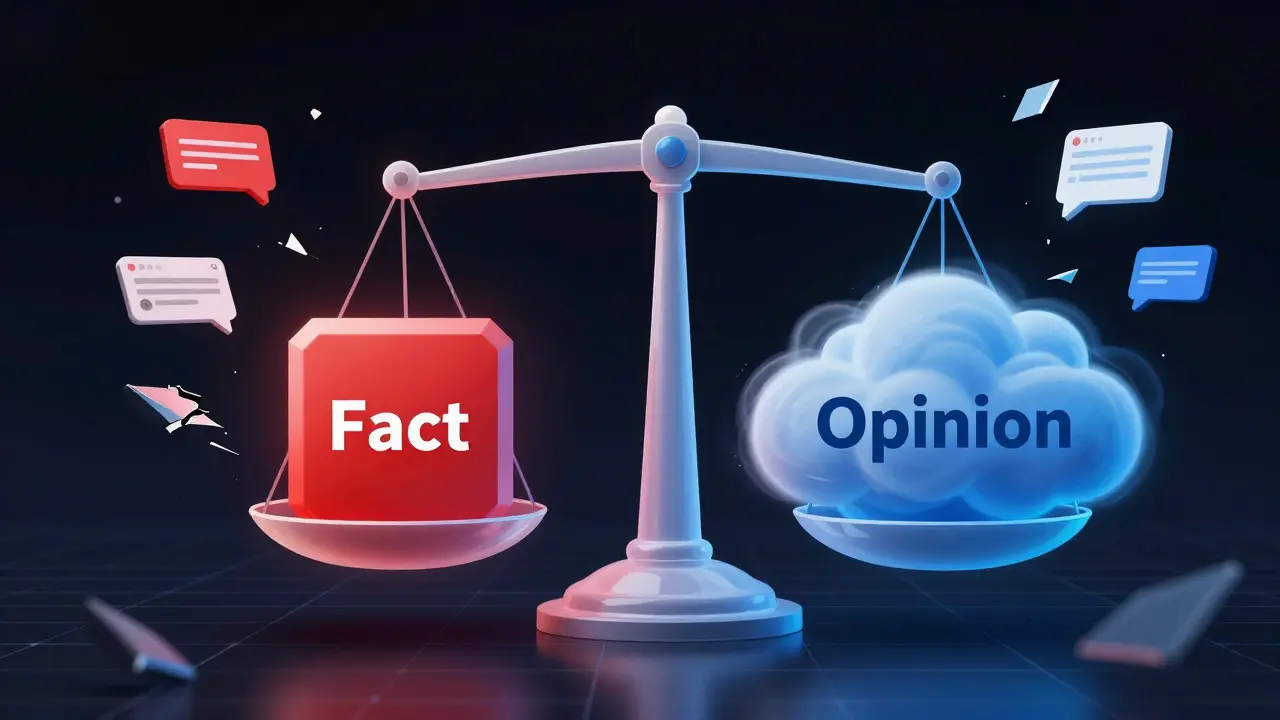
The critical distinction in the adult industry is the line between fact and opinion. Saying "I think her dance moves are clumsy" is opinion. Saying "She forgot to check her contract clauses during the shoot" is a factual claim that implies negligence. Courts generally protect opinion but punish provable falsehoods of fact. However, there is a catch. Public figures-including well-known adult performers-face a higher bar called "actual malice." This means you must prove the publisher knew the statement was false or acted with reckless disregard for the truth. For smaller, local creators who aren't widely known as public figures, the standard is lower, which actually works in your favor if you're being targeted by local competitors or ex-partners. Not all rumors carry equal legal weight. Some claims are easier to disprove than others. Here’s how common accusations stack up in court:
Notice the pattern: medical and financial claims are the most actionable because they rely on objective data. Subjective critiques are harder to sue over unless they imply specific falsifiable facts. Lawsuits are expensive. Most lawyers will tell you that if you don’t have solid proof, they won’t take the case on contingency. So, how do you build that trail?
This process takes time, but it transforms a vague grievance into a concrete legal case. Without this documentation, you’re fighting with smoke. Suing is the nuclear option. It’s slow, costly, and draws more attention to the scandal. Sometimes, smarter tactics yield faster results.
Cease and Desist Letters are the first line of defense. A letter from a reputable entertainment law firm often scares off opportunistic liars who know their story falls apart under scrutiny. It costs a fraction of a lawsuit and signals seriousness.
DMCA Takedowns can also be leveraged creatively. While primarily for copyright, if a defamatory post uses your copyrighted footage without permission to make false claims, you can file a takedown notice to remove the media while you prepare the legal response. It’s a tactical pause button.
Finally, consider Public Rebuttals carefully. If you respond publicly, keep it factual. Don’t shout. Post your verified documents. Let the evidence speak. The contrast between your calm professionalism and the accuser’s chaos often sways the undecided audience. The best defense is a strong, documented presence. When your fans know you deeply, they are less likely to believe random rumors.
In an industry where privacy is scarce, transparency is your armor. It depends on the scale of damage. For minor snark, it’s rarely worth the cost. For career-ending lies (like fraud or disease status), yes. Calculate your potential loss against legal fees. If the loss exceeds $10,000-$20,000, consult a lawyer immediately. Yes, through a subpoena to the hosting platform. Once you file a preliminary complaint, you can request the judge order the platform to reveal the user’s IP address and email. This process adds time but is effective in US jurisdictions. In most US states, it ranges from 1 to 5 years. Oregon, for example, has a 2-year limit for libel. Don’t wait. Start documenting immediately after the incident occurs. Section 230 of the Communications Decency Act protects platforms from liability for user posts, but it does NOT protect the users themselves. You can still sue the person who wrote the lie, even if Facebook or Twitter didn’t remove it quickly enough. Initial consultations often range from $300 to $500. Hourly rates for litigation specialists can exceed $400/hour. Many offer contingency fees (percentage of winnings) for high-value cases, but this varies by state and case strength.
Common False Claims and Their Legal Weight
Claim Type
Legal Classification
Evidence Required
Difficulty of Proof
"Performer is HIV+"
Factual (Medical)
Recent negative test results, doctor affidavit
Low (Easy to disprove)
"Studio pays below minimum wage"
Factual (Employment)
Payslips, tax records, employment contracts
Medium (Requires document audit)
"Creator uses fake reviews"
Factual (Business Practice)
Platform analytics, IP logs, customer emails
High (Hard to trace digital footprints)
"Performer is unprofessional"
Opinion (Subjective)
N/A (Protected speech usually)
Very High (Rarely actionable)
Building Your Evidence Trail Before You Sue
Strategic Legal Responses Beyond Litigation

Prevention: Protecting Your Brand Proactively
Frequently Asked Questions
Is it worth suing for defamation in the adult industry?
Can I sue someone who posted anonymously?
What is the statute of limitations for defamation?
Does social media immunity protect defamers?
How much does a defamation lawyer cost?