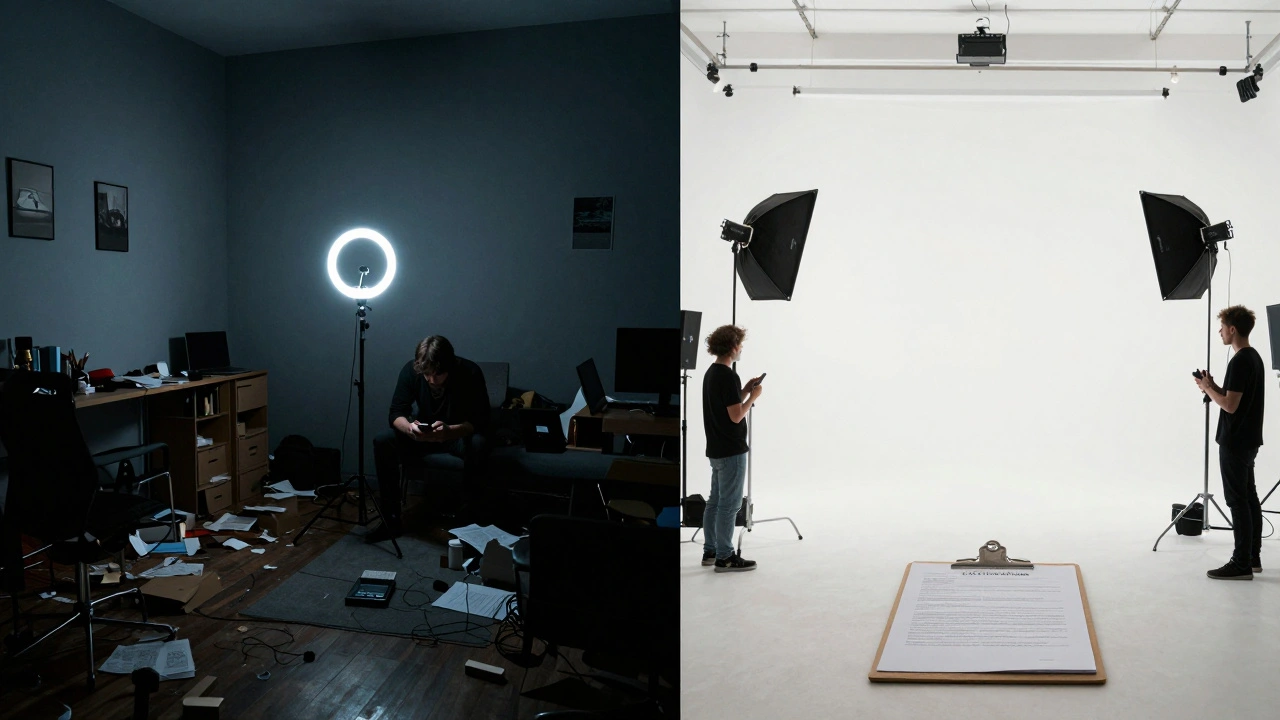

Imagine standing in a dimly lit room, camera rolling, with no clear exit strategy and a producer who insists you "just push through" the discomfort. Now imagine the same scene, but with a closed-set policy, a designated safety officer, and a contract that explicitly outlines your boundaries. The difference between these two scenarios isn't just about comfort; it's about survival in an industry that often prioritizes output over well-being.
As the adult entertainment landscape shifts dramatically toward digital content shoots, which are intimate, often solo or small-group filming sessions conducted outside traditional studio environments, performers face a unique set of risks that differ significantly from those found in studio productions, which are large-scale, regulated filming operations with established health and safety infrastructures. Understanding these differences is not optional-it's essential for anyone navigating this profession today.
The Illusion of Control in Digital Content Shoots
Digital content creation has exploded since 2020, driven by platforms like OnlyFans, Fansly, and ManyVids. While this shift offers performers more autonomy and higher revenue shares, it also strips away many of the protective layers present in traditional studios. When you're shooting content from your home, a rented Airbnb, or a friend's apartment, you become your own producer, director, and safety coordinator.
The problem? Most performers lack formal training in risk assessment. A 2024 survey by the Sex Workers Outreach Project (SWOP) found that 68% of independent digital creators had never received safety training, yet 41% reported experiencing some form of harassment or boundary violation during shoots. These aren't isolated incidents-they're systemic failures stemming from the decentralized nature of digital production.
Consider the logistics: You might hire a photographer through Instagram DMs, meet at a location you've never visited, and shoot intimate scenes without a third party present. Unlike studio sets where HR departments exist and contracts are standardized, digital shoots operate in a legal gray area. There's no union rep to call when things go wrong. No medical staff on standby. Just you, your phone, and whatever agreement you scribbled down in a text message.
| Safety Element | Digital Content Shoots | Studio Productions |
|---|---|---|
| Contract Standardization | Varies widely; often informal | Union-approved templates (e.g., FFE) |
| Health Screening | Self-reported or absent | Mandatory testing via PAL Card program |
| Closed-Set Enforcement | Rarely enforced | Strictly monitored |
| Emergency Protocols | None specified | On-site first aid, security personnel |
| Post-Shoot Support | Non-existent | Available through union resources |
Studio Safety: Strengths and Hidden Dangers
Traditional studios have long been criticized for exploitative practices, but they've also developed robust safety frameworks in response to public pressure and legal mandates. In California, for example, Assembly Bill 198 (passed in 2017) requires condom use in all pornographic films produced within the state-a regulation that doesn't apply to most digital content due to its private nature.
Studios typically employ:
- Closed-set policies: Only essential crew members are allowed on set during intimate scenes.
- Intimacy coordinators: Professionals trained to choreograph sex scenes safely, similar to theater productions.
- Regular health screenings: Programs like the PAL Card system require performers to undergo STI testing every 14 days.
- Legal oversight: Contracts reviewed by labor unions such as the Freelancers Union or local equivalents.
Yet even studios aren't perfect. Power imbalances persist. A performer may feel pressured to comply with requests because they need the paycheck or fear blacklisting. The presence of safety measures doesn't eliminate coercion-it merely makes it harder to prove afterward.
Moreover, smaller indie studios often cut corners to save money. They might skip intimacy coordinators, ignore closed-set rules, or fail to provide adequate breaks. Without strong enforcement mechanisms, written policies mean little if no one holds violators accountable.
Boundary Negotiation: Where Both Models Fail
One critical gap across both digital and studio environments is effective boundary negotiation. Too many performers enter shoots without clearly defined limits, assuming their partners will respect unspoken cues. This assumption is dangerous.
In digital shoots, negotiations happen quickly-often via chat apps before meeting in person. Messages get misinterpreted. Promises made verbally vanish once the camera starts rolling. I spoke with a performer named Sarah (not her real name) who agreed to a "softcore" session only to be asked to perform explicit acts mid-shoot. She refused, but the photographer threatened to release blurred footage unless she complied. That incident left her traumatized and financially strained.
Even in studios, boundary discussions can be rushed. Directors may prioritize efficiency over consent, pushing performers to continue despite discomfort. The solution lies in structured pre-shoot meetings where all parties explicitly discuss:
- What activities are off-limits
- Safe words or signals to stop immediately
- Who else will be present during filming
- How footage will be stored and distributed
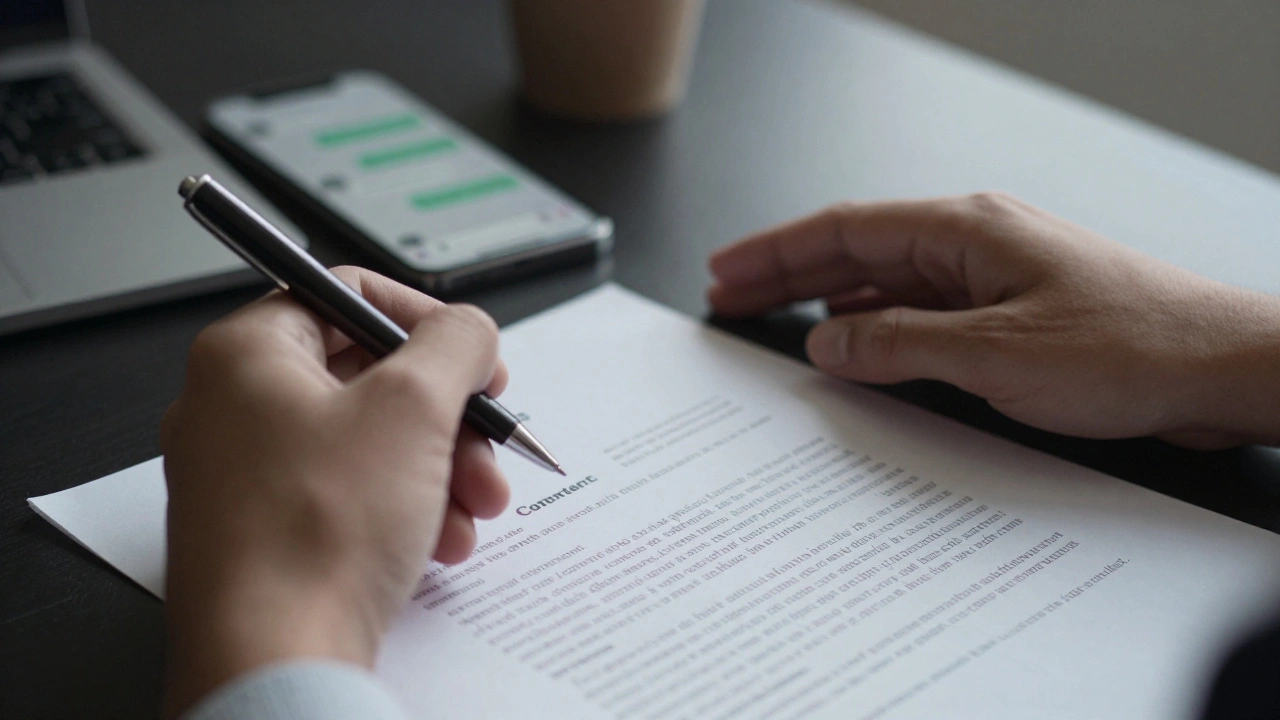
These conversations should be documented-not just discussed. Written agreements reduce ambiguity and create accountability. If something goes wrong later, there's evidence of what was originally agreed upon.
Psychological Safety: Often Overlooked
We talk extensively about physical safety-condoms, chaperones, secure locations-but rarely address psychological harm. Performing sexually explicit material takes a toll on mental health, regardless of setting. Studies show higher rates of anxiety, depression, and PTSD among adult performers compared to general population averages.
Digital shoots exacerbate this issue because isolation amplifies stress. When you're alone with another person in a confined space, there's nowhere to retreat emotionally. Microaggressions, unwanted comments, or subtle manipulations accumulate over time, eroding self-worth and confidence.
Studios offer slightly better support through peer networks and union counseling services, but access remains limited. Many performers avoid seeking help due to stigma or fear of retaliation. Employers must invest in ongoing mental health resources-not just crisis intervention after trauma occurs.
Practical steps include:
- Scheduling regular check-ins with trusted colleagues
- Using journaling or therapy to process experiences
- Setting strict work-hour limits to prevent burnout
- Building emergency funds so financial dependence doesn't force unsafe choices
Technology as a Double-Edged Sword
Advancements in technology bring both opportunities and threats. On one hand, encryption tools allow performers to protect their content from leaks. Apps like Signal enable anonymous communication with clients. Blockchain-based platforms promise transparent payment systems without intermediaries taking large cuts.
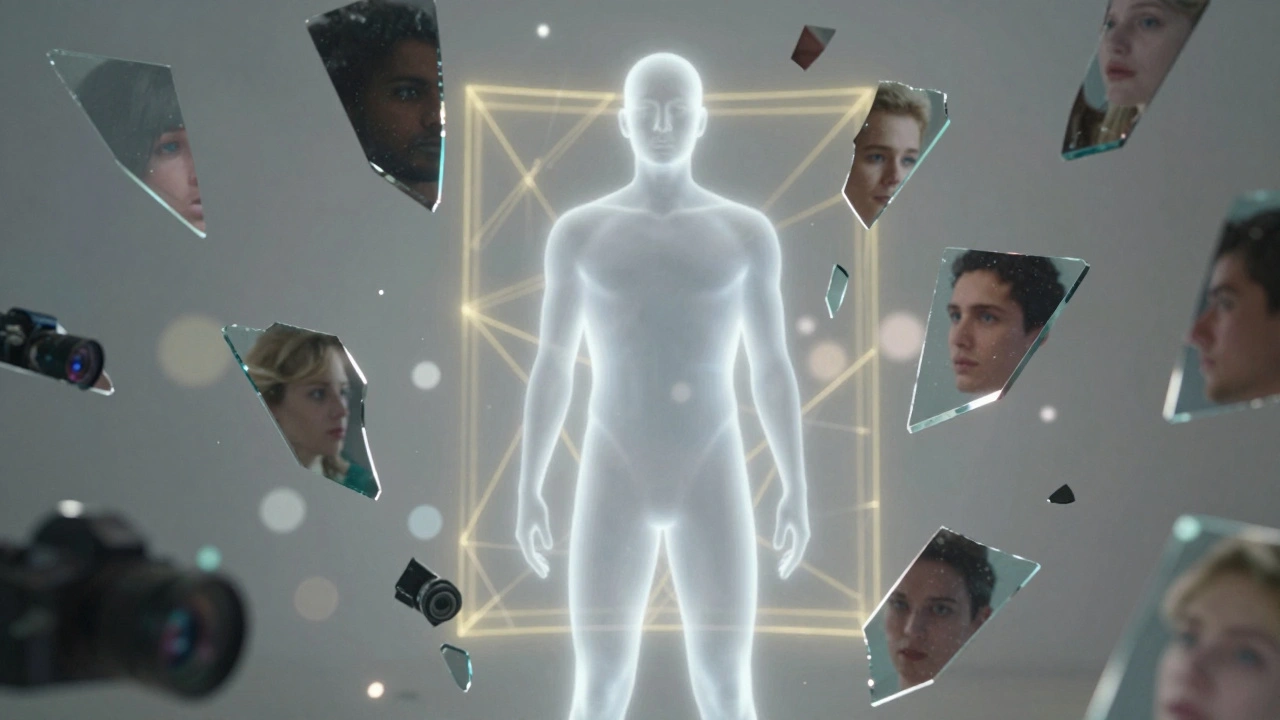
On the other hand, deepfake pornography threatens everyone involved. Non-consensual AI-generated images circulate widely online, damaging reputations and causing emotional distress. Even performers who leave the industry struggle to reclaim control over their likeness.
Additionally, cloud storage solutions used in digital shoots can be hacked. One compromised password could expose years' worth of sensitive material. Studios face similar vulnerabilities, though larger budgets allow them to hire cybersecurity experts.
To mitigate tech-related risks:
- Use two-factor authentication everywhere possible
- Avoid storing original files on personal devices
- Watermark previews sent to potential buyers
- Monitor social media regularly for unauthorized uploads
Creating Your Own Safety Framework
If you're transitioning from studio work to digital content-or starting fresh-you need a personalized safety plan tailored to your circumstances. Here’s how to build one:
Step 1: Define non-negotiables. List everything you absolutely won’t do under any conditions. Share this list with collaborators upfront. Don’t compromise based on flattery or promises of future gigs.
Step 2: Vet thoroughly. Research photographers, models, and venues before committing. Check reviews, ask for references, verify identities. Trust instincts-if something feels off, walk away.
Step 3: Establish communication channels. Agree on safe words, emergency contacts, and post-shoot feedback methods. Keep records of all interactions digitally.
Step 4: Secure your environment. For home shoots, install cameras pointing outward, lock doors, inform friends/family of schedules. For rentals, choose places near hospitals or police stations.
Step 5: Plan exits. Always know how to leave quickly. Have cash ready, keep phones charged, memorize addresses. Never rely solely on transportation arranged by others.
This framework applies whether you’re working independently or collaborating with teams. Adapt it as needed, but never skip foundational elements.
Industry Advocacy: Collective Action Matters
Individual efforts matter, but systemic change requires collective action. Organizations like Free Speech Coalition, SWOP, and Adult Performer Alliance advocate for stronger regulations, better healthcare access, and anti-discrimination laws protecting workers in adult industries.
Joining these groups connects you with communities sharing knowledge, organizing protests, lobbying legislators, and providing mutual aid during crises. Solidarity strengthens bargaining power and reduces vulnerability.
Performers also benefit from forming cooperatives-groups pooling resources to share equipment, negotiate bulk pricing, and refer vetted professionals. Cooperatives foster trust and reduce reliance on predatory middlemen.
Finally, educate newcomers early. Mentorship programs teach best practices, warn against common pitfalls, and normalize discussions around safety. Knowledge empowers resilience.
Is digital content safer than studio work for adult performers?
Not necessarily. Digital shoots offer flexibility but lack institutional safeguards. Studios provide structure but may still harbor abusive dynamics. Safety depends heavily on individual precautions rather than format alone.
How can I ensure my boundaries are respected during a shoot?
Communicate clearly beforehand using written agreements. Use safe words consistently. Refuse participation if discomfort arises. Document violations immediately for legal recourse if necessary.
Are there laws protecting adult performers in the US?
Limited protections exist depending on jurisdiction. Some states mandate condom use; others prohibit discrimination based on occupation. Federal employment law excludes adult workers, leaving gaps in coverage.
What should I do if someone violates my consent during a shoot?
Stop activity immediately. Leave the location safely. Report incidents to authorities if criminal behavior occurred. Seek counseling to process trauma. Preserve evidence including messages, photos, witness statements.
Can I join a union if I work primarily in digital content?
Most traditional unions focus on studio-based employment. However, freelance organizations increasingly serve independent creators. Look for associations offering contract templates, insurance discounts, and advocacy support.