
Most adult creators assume that if they send an email, it lands in the inbox. They are wrong. In this industry, email deliverability is not just a technical metric; it is the difference between a loyal fan base and a silent void. Unlike standard e-commerce, where a few bounced emails might be acceptable, adult businesses operate on high-volume, direct-response models where missing even 5% of your list can mean losing thousands in monthly recurring revenue.
The challenge here is unique. You are fighting against two fronts: aggressive ISP (Internet Service Provider) filtering algorithms that view "adult" keywords with suspicion, and platform-specific restrictions from Email Service Providers (ESPs) that often throttle or ban accounts associated with niche content. To win, you need a strategy that balances aggressive growth with strict technical hygiene.
Understanding the Technical Landscape of Adult Email
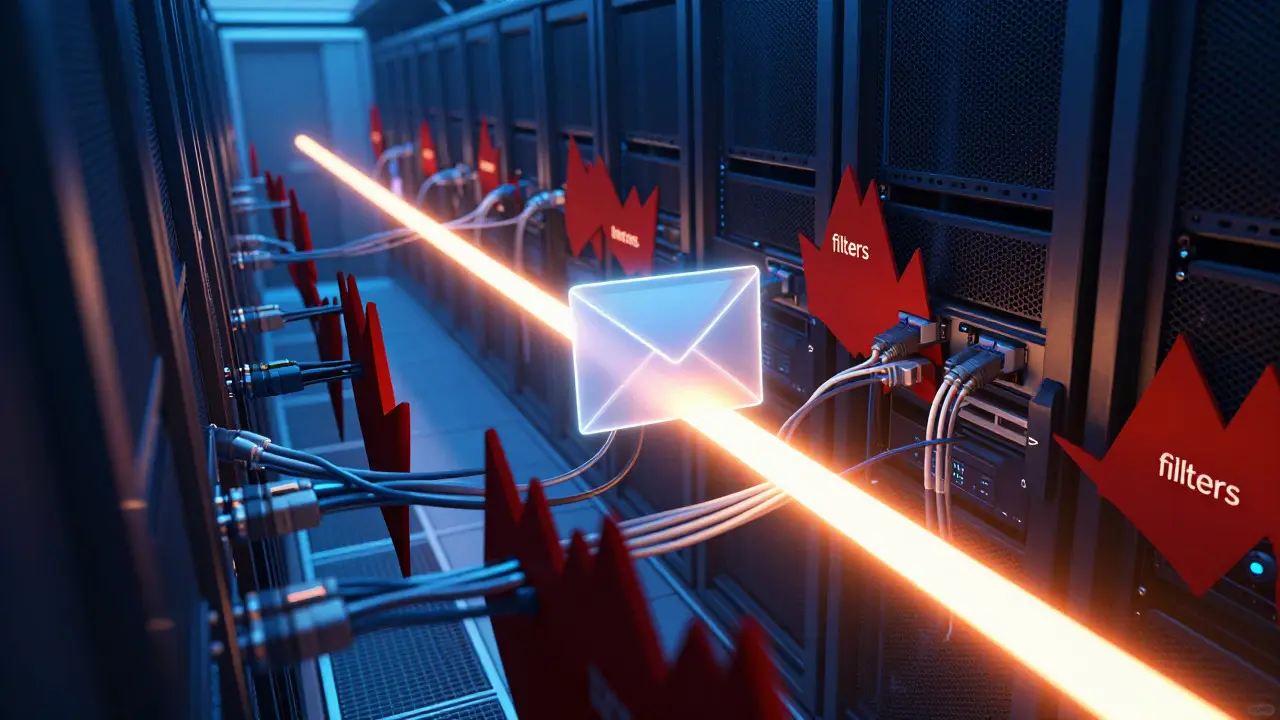
Before you write another subject line, you need to understand how your emails travel. When you hit send, your message goes through a series of checks before reaching the subscriber's device. For adult businesses, these checks are stricter than for B2B SaaS companies.
- DNS Authentication: Your domain must have valid SPF (Sender Policy Framework), DKIM (DomainKeys Identified Mail), and DMARC records. If any of these fail, Gmail and Outlook will likely dump your mail into Spam or Promotions without even looking at the content.
- IP Reputation: If you use shared IP addresses (common with cheaper ESPs), one bad neighbor sending spam can ruin your reputation. Dedicated IPs are safer but require higher volume to warm up properly.
- Content Scanning: Filters scan for trigger words. While "sex" isn't always banned, combinations like "free sex" or excessive exclamation marks raise red flags. The context matters more than the keyword itself.
A common mistake is assuming that because a competitor sends daily blasts without issue, you can do the same. Often, those competitors have spent years building IP reputation. New entrants who skip the warming-up phase face immediate throttling.
Choosing the Right Email Service Provider
Not all ESPs treat adult content equally. Some block the category entirely upon sign-up, while others allow it but apply stricter limits on sending frequency. Choosing the right partner is a business decision, not just a technical one.
| ESP Category | Typical Restrictions | Best For | Risk Level |
|---|---|---|---|
| Generalist (e.g., Mailchimp) | Strict TOS, frequent manual reviews, low tolerance for niche keywords | Small lists under 1k subscribers | High |
| Niche-Friendly (e.g., AWeber, GetResponse) | Moderate restrictions, allows explicit content with clean data | Growing brands with established domains | Moderate |
| Specialized/White-Label | Minimal restrictions, custom domain control, dedicated support | High-volume senders, agencies, large catalogs | Low |
If you are sending to more than 5,000 subscribers, consider moving away from generalist platforms. Specialized providers often offer better open rates simply because their infrastructure is optimized for the types of links and images adult creators use. Look for providers that offer subdomain isolation, which allows you to separate your transactional emails (receipts, login alerts) from your marketing blasts. This ensures that a drop in marketing reputation doesn't kill your essential communications.
Building a List That Actually Converts
Deliverability is only half the battle. The other half is conversion. In the adult industry, the average customer lifetime value (CLV) is significantly higher than in standard e-commerce due to subscription models. However, acquisition costs are also higher. Your email list is your most valuable asset because it is owned media-you don't pay per click to reach them again.
To maximize conversions, segment your list aggressively. Do not send the same email to everyone. Use behavioral triggers:
- New Subscribers: Send a welcome sequence that sets expectations. Avoid heavy sales pitches in the first email; focus on trust-building.
- Cart Abandoners: These users have high intent. Send a reminder within 1 hour of abandonment. Keep it simple: "You left something behind."
- Lapsed Subscribers: Users who haven't opened an email in 60 days are at risk of churning. Offer a re-engagement incentive, such as a discount or exclusive bonus content, to bring them back.
Personalization goes beyond using the first name. Reference specific content they viewed or purchased. If they bought a video featuring a specific theme, follow up with related content. This relevance increases click-through rates (CTR) by up to 30% compared to generic blasts.
Crafting Content That Bypasses Filters
Writing for the inbox requires a different tone than writing for social media. On Instagram or TikTok, you can be bold and visual. In email, you need to be precise and respectful of the user's attention span.
Here are practical tips to keep your emails out of the spam folder:
- Keep Text-to-Image Ratio Balanced: Don't rely solely on a single image. Include enough text so that if images are blocked (which happens frequently in mobile clients), the user still gets the message.
- Avoid Trigger Phrases: Words like "Act now," "Free," and "Click here" are fine in moderation, but stacking them raises spam scores. Vary your calls to action.
- Use Plain Text Alternatives: Always provide a plain text version of your HTML email. Many power users prefer this, and it helps with parsing accuracy for filters.
- Monitor Unsubscribes: High unsubscribe rates signal poor targeting. If more than 1% of your recipients unsubscribe after a single email, review your segmentation strategy.
Subject lines should be curious but not deceptive. Clickbait that doesn't match the content leads to quick unsubscribes and lower future engagement. Aim for clarity. If you are promoting a new release, say so. Fans appreciate transparency.
Measuring Success Beyond Open Rates
Open rates are declining across the industry due to Apple’s Mail Privacy Protection (MPP). Relying on opens as your primary KPI (Key Performance Indicator) is outdated. Instead, focus on metrics that indicate actual behavior.
- Click-Through Rate (CTR): Did they click? This is the truest measure of interest.
- Revenue Per Recipient (RPR): Divide total revenue by the number of delivered emails. This tells you exactly how much each email is worth.
- Bounce Rate: Hard bounces should be removed immediately. Soft bounces can be retried once or twice. Keeping a clean list improves your sender reputation.
- Spam Complaint Rate: Keep this below 0.1%. If it rises, pause sending and audit your list quality.
Track these metrics in a dashboard. If your CTR drops but your open rate stays high, your content might be engaging visually but failing to drive action. If both drop, your subject line or timing might be off. Test one variable at a time-change the subject line, then the send time, then the CTA button color. Small tweaks compound over time.

Common Pitfalls and How to Avoid Them
Even experienced marketers make mistakes in this niche. Here are the top three traps:
- Buying Lists: Never buy email lists. The quality is poor, and the spam complaint rate will destroy your domain reputation. Build organically through lead magnets, exclusive previews, or free samples.
- Inconsistent Sending Schedule: Fans expect consistency. If you usually send every Tuesday, don’t suddenly send on a Friday without warning. Set expectations and stick to them.
- Ignoring Mobile Optimization: Over 70% of adult content is consumed on mobile devices. Ensure your emails render correctly on small screens. Broken layouts lead to immediate deletions.
Finally, stay compliant with regulations. Even in jurisdictions with loose laws, global standards like GDPR (if you have EU subscribers) or CAN-SPAM (in the US) require clear opt-in mechanisms and easy unsubscribe options. Ignoring these risks fines and brand damage.
Frequently Asked Questions
What is the best ESP for adult content businesses?
There is no single "best" provider, but specialized or niche-friendly ESPs generally perform better than generalists like Mailchimp for adult content. Look for providers that explicitly allow adult content in their Terms of Service and offer dedicated IP options. For high-volume senders, white-label solutions often provide the most flexibility and lowest risk of account suspension.
How many emails per week should I send?
Frequency depends on your audience's engagement level. A good starting point is 1-2 times per week. Monitor your open and click rates; if they drop when you increase frequency, you are over-sending. Conversely, if engagement is high, you can test weekly sends. Consistency matters more than volume.
Why are my emails going to spam despite good authentication?
If SPF, DKIM, and DMARC are set correctly, the issue is likely content or reputation. Check for spam-trigger words, excessive images, or a high bounce rate. Also, verify that your domain has been used for email long enough to build reputation. New domains often take 4-8 weeks to stabilize in inbox placement.
Should I use GIFs in my emails?
GIFs can boost engagement, but they increase file size and may load slowly on mobile networks. Use them sparingly, preferably for short loops that add personality without distracting from the main call to action. Always ensure the email looks good if the GIF fails to load.
How do I handle unsubscribe requests efficiently?
Make the unsubscribe process as easy as possible. One-click unsubscribing is the standard. After unsubscribing, send a confirmation email and consider adding a preference center where users can choose what type of content they want to receive. This reduces hard unsubscribes and keeps interested fans engaged.