

Human trafficking often hides in plain sight, especially within industries where workers are isolated, cash transactions are common, and regulatory oversight is sparse. The adult entertainment sector has long been a hotspot for exploitation, but recent global shifts are changing the narrative. From strict licensing in Nevada to digital verification tools in Europe, successful anti-trafficking initiatives are proving that systemic change is possible when governments, NGOs, and businesses align their efforts.
This article breaks down specific, real-world examples of how different regions have tackled this issue. We will look at the mechanisms that actually work, the economic incentives driving compliance, and the lessons other markets can learn. These case studies show that while no solution is perfect, a combination of legal pressure, technological transparency, and worker empowerment yields the best results.
The Regulatory Backbone: The Nevada Model
When discussing labor rights in the sex work industry, few places offer as clear a blueprint as Nevada. In 2013, Nevada legalized regulated commercial sex work in counties with populations under 700,000. This move wasn't just about legality; it was a deliberate strategy to push traffickers out of the shadows by creating a compliant alternative.
The core of the Nevada model relies on three pillars:
- Licensing and Background Checks: Workers must obtain a state-issued license, which requires passing a background check and a medical exam. This creates a paper trail that makes it harder for undocumented or coerced workers to operate openly without detection.
- Health Insurance Mandates: Licensed brothels must provide health insurance for their workers. This reduces the financial dependency of workers on exploitative managers who might otherwise control their healthcare.
- Local Enforcement: County sheriffs, rather than federal agents, handle most enforcement. This localizes accountability and allows for community-specific policing strategies that have proven more effective than top-down federal raids.
The result? A measurable drop in reported trafficking cases in licensed counties compared to unlicensed areas. While critics argue the regulations still favor established operators, the data suggests that regulation provides a safer environment for consensual work while making trafficking riskier for criminals.
Digital Transparency: The European Verification Approach
In Europe, the fight against trafficking has shifted heavily toward the digital realm. As much of the industry moved online, so did the risks. However, countries like the Netherlands and Germany have pioneered digital identity verification systems that balance privacy with safety.
Unlike the US, where age verification has been a contentious legal battle, European platforms often integrate ID checks directly into the hiring process. For example, many Dutch agencies now require workers to verify their identity via government-issued digital IDs before they can list services on major platforms. This isn't just about age; it’s about ensuring the person behind the camera is who they say they are, reducing the chance of stolen identities used by traffickers.
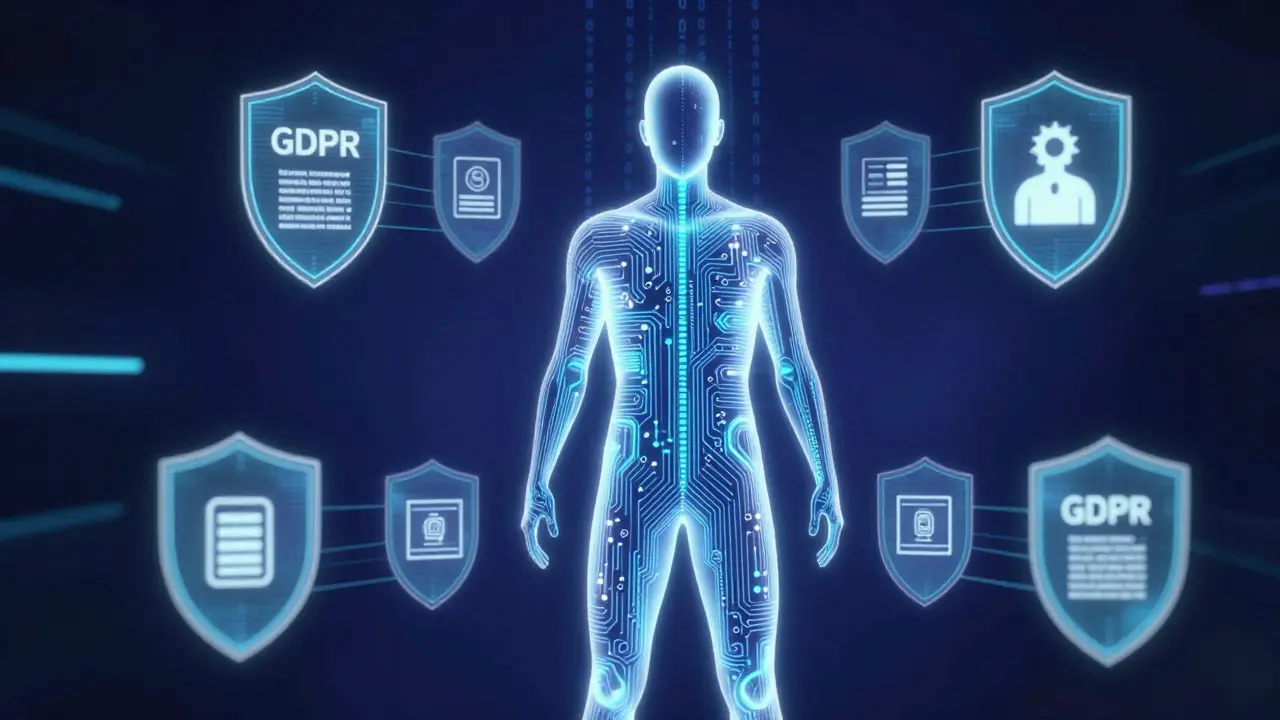
Furthermore, the General Data Protection Regulation (GDPR) has forced companies to be transparent about how they handle worker data. This transparency helps prevent data brokers from selling worker information to predators. By treating worker data as sensitive personal data, these jurisdictions create a legal shield that protects workers from secondary exploitation through data leaks.
Community-Led Solutions: The Thai NGO Network
Not all successful initiatives come from government mandates. In Thailand, a complex mix of legal ambiguity and strong civil society has led to one of the most robust grassroots responses to trafficking. Here, non-governmental organizations (NGOs) play a critical role that the state often neglects.
Organizations like the Migrant Worker Center in Bangkok operate hotlines and safe houses specifically tailored to migrant workers in the entertainment sector. These groups do not just rescue victims; they provide reintegration support, including language training and job placement in non-sexual roles. This long-term approach addresses the root cause: poverty and lack of opportunity.
A key success factor in Thailand is the collaboration between NGOs and local police. Instead of viewing rescues as criminal investigations where workers are treated as suspects, trained officers work alongside social workers. This dual-track system ensures that survivors receive immediate medical care and psychological support, while evidence is gathered properly for prosecution. This model has increased conviction rates for traffickers significantly because the evidence quality is higher when victim testimony is supported by professional advocacy.
Economic Incentives: Why Compliance Pays Off
A recurring theme in these global case studies is that compliance is not just a moral imperative; it is an economic advantage. Businesses that invest in compliance programs see lower turnover, fewer legal liabilities, and better reputations among ethical consumers.
For instance, in the US, brands that certify their supply chains as "trafficking-free" often command premium prices. Consumers are increasingly aware of the human cost behind products and services. This market pressure forces larger players to adopt rigorous vetting processes, which inadvertently sets a standard for smaller competitors who want to access those same consumer pools.
The Role of Technology in Detection
Technology is no longer just a tool for distribution; it is a primary defense mechanism. Artificial Intelligence (AI) is being deployed to scan job listings and social media profiles for red flags associated with trafficking. Algorithms can detect patterns such as unusually high payment requirements, vague location descriptions, or rapid posting/deletion cycles that are typical of scam operations.
However, technology alone is insufficient. It must be paired with human review. In several successful pilots, AI flags potential issues, but a team of trained investigators verifies them. This hybrid approach minimizes false positives, which is crucial for maintaining trust among legitimate workers who fear being wrongly accused or banned from platforms.

Challenges and Remaining Gaps
Despite these successes, significant gaps remain. Cross-border coordination is still weak. A trafficker operating in one country can easily move victims to another jurisdiction with looser laws. International treaties exist, but enforcement varies wildly. Additionally, the rise of decentralized platforms and cryptocurrency payments has created new blind spots. When transactions are anonymous and platforms are offshore, traditional regulatory tools lose their effectiveness. Future initiatives will need to focus on blockchain transparency and international data-sharing agreements to close these loopholes.
What Other Markets Can Learn
The lesson from these global case studies is clear: there is no single silver bullet. Effective anti-trafficking efforts require a multi-layered approach:
- Legal Clarity: Define what is legal and enforce it consistently.
- Worker Empowerment: Give workers the tools to verify clients and report abuse without fear of retaliation.
- Technological Integration: Use AI and digital ID to create transparent records.
- Collaboration: Break down silos between police, NGOs, and businesses.
By adopting these principles, other regions can reduce the prevalence of trafficking and improve the overall safety and dignity of workers in the adult entertainment sector.
Does legalization always reduce trafficking?
Not automatically, but regulation combined with strict enforcement tends to reduce it. Legalization alone without oversight can sometimes expand the market. The key is whether the legal framework includes protections for workers, such as health benefits and the right to unionize or leave without penalty.
How does digital ID verification protect workers?
Digital ID prevents identity theft, which is a common tactic used by traffickers to control victims. If a worker's identity is verified and tied to their account, it becomes harder for a trafficker to sell multiple 'virtual' workers using one stolen identity. It also helps in recovering assets if a crime occurs.
What role do NGOs play in successful initiatives?
NGOs often fill the gap left by slow-moving government bureaucracies. They provide immediate support, advocate for policy changes, and build trust with marginalized communities that may fear interacting with law enforcement. Their presence increases the likelihood that survivors will come forward.
Is AI reliable for detecting trafficking?
AI is useful for pattern recognition but not definitive proof. It should be used as a first-line filter to flag suspicious activity for human review. Relying solely on AI can lead to bias and false accusations, so a hybrid human-machine workflow is the current best practice.
How can small businesses afford compliance?
Compliance costs are rising across all industries due to consumer demand for ethical sourcing. Small businesses can share resources through industry associations or use low-cost digital verification tools. Moreover, avoiding the fines and lawsuits associated with trafficking violations often saves more money than the cost of compliance.