
Every day, thousands of new profiles appear on adult content platforms is digital ecosystems where creators monetize exclusive media through subscriptions or tips. While most are independent artists managing their own careers, a small but significant percentage are victims of human trafficking, a crime where individuals are exploited for labor or commercial sex. For platform operators, the challenge isn't just about moderation; it's about identifying subtle behavioral and technical signals that distinguish a free-willed creator from someone controlled by a third party.
The stakes are high. According to data from the National Center for Missing & Exploited Children (NCMEC), online exploitation cases have surged in recent years, with adult sites being a primary vector. Yet, many platforms still rely on reactive reporting rather than proactive detection. This article breaks down the specific indicators-visual, behavioral, and technical-that platforms can use to spot trafficking rings before they drain resources from vulnerable people.
Key Takeaways
- Human trafficking on adult platforms often manifests through third-party control of accounts, not just physical coercion.
- Technical indicators like shared IP addresses and device fingerprints are more reliable than visual cues alone.
- Behavioral patterns, such as erratic posting schedules and lack of personal branding, signal potential exploitation.
- Effective prevention requires a multi-layered approach combining AI analysis, manual review, and industry-wide data sharing.
- Compliance with laws like the FOSTA-SESTA act necessitates robust due diligence to avoid liability while protecting creators.
Understanding the Landscape of Online Exploitation
To detect trafficking, you first need to understand how it operates in the digital age. Unlike traditional brick-and-mortar operations, modern trafficking rings often use "digital brothels" or remote management models. A trafficker might control five to ten accounts simultaneously, handling all communication, payment processing, and content scheduling. The victim may be physically present in a separate location, or even in a different country, making physical rescue difficult without digital evidence.
The central entity here is the trafficking indicator, which is a specific sign or pattern that suggests an individual is being exploited for commercial sex or labor. These indicators fall into three main categories: visual, behavioral, and technical. Relying on just one category leads to high false positives or missed cases. For instance, a creator who posts at odd hours might simply be working night shifts, not necessarily being held captive. However, if that same account shares a device ID with three other accounts, the probability of exploitation jumps significantly.
Visual Indicators: What Moderators Should Look For
Visual cues are the first line of defense, but they are also the least reliable on their own. Traffickers often try to make victims look professional, so high-quality lighting and staging don't rule out exploitation. Instead, moderators should look for inconsistencies.
- Background Clues: Repeated appearance of the same non-standard background across multiple accounts. If five different women are photographed in the exact same room with the same window view, it’s a red flag.
- Lack of Personalization: Genuine creators usually develop a unique style, nickname, or brand identity. Trafficked victims often have generic names, stock-photo-like aesthetics, and no social media cross-references.
- Physical Signs of Control: While hard to spot in low-resolution images, signs of fatigue, bruising, or lack of agency in body language can be indicators. However, these must be weighed carefully to avoid bias.
It is crucial to train human moderators to recognize context. A photo taken in a hotel room isn't automatically suspicious, but a series of photos showing the same person in different hotels within a short timeframe, with no explanation, warrants investigation.
Technical Signals: The Data Behind the Screen
This is where technology shines. Technical indicators are objective and harder for traffickers to fake without sophisticated countermeasures. Platforms should implement automated checks for the following:
- Device Fingerprinting: Using browser APIs to identify unique hardware combinations. If 10 accounts log in from the same device fingerprint within a 24-hour period, flag them for review.
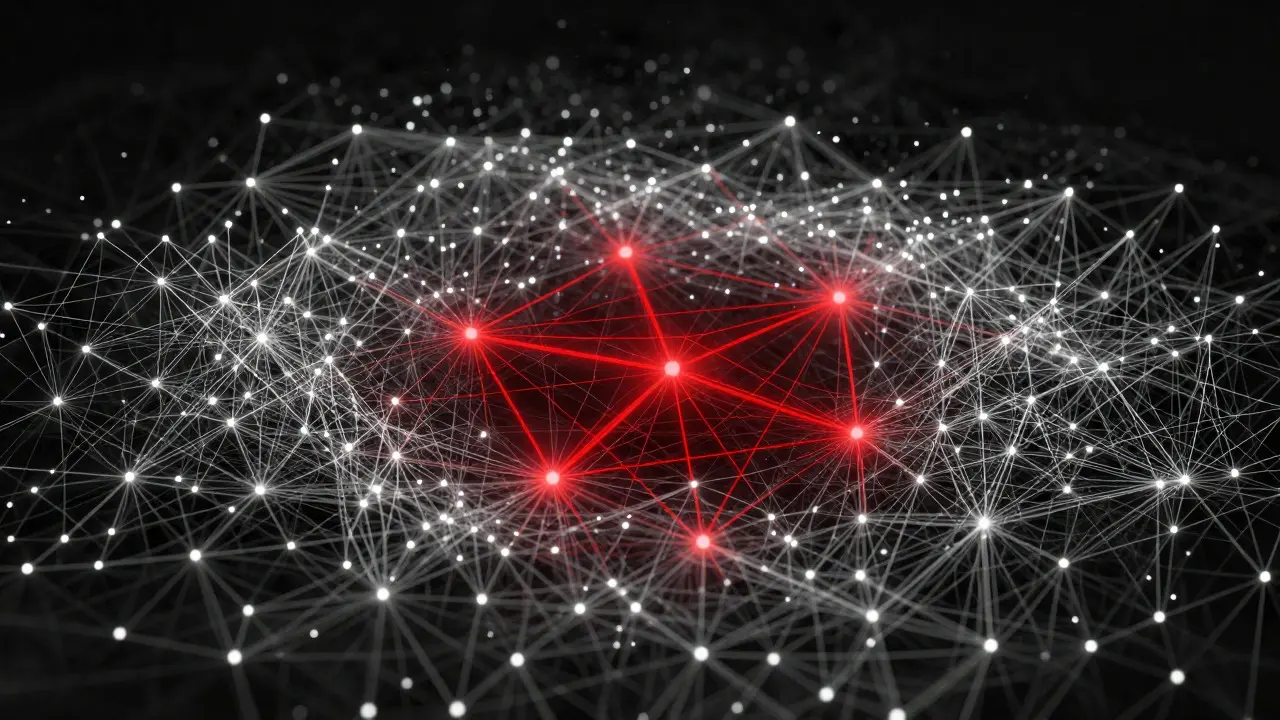
- IP Address Clustering: Multiple accounts registering or logging in from the same IP address, especially if that IP is associated with known data centers or proxy services often used to hide locations.
- Payment Pattern Analysis: Traffickers often route payments through intermediary accounts or crypto wallets. Unusual withdrawal frequencies or large lump-sum transfers to third parties can indicate financial control.
For example, a platform might detect that Account A, B, and C were registered within 10 minutes of each other, using the same email domain (like a disposable Gmail alias) and the same IP. This cluster is a strong candidate for a trafficking ring. Automated systems can flag these clusters for human review, reducing the workload while increasing accuracy.
Behavioral Patterns: How Accounts Act
Behavior is the softest indicator but often the most telling. Trafficked victims often lack autonomy in how they interact with fans. Here’s what to watch for:
- Scripted Responses: Replies that are identical across multiple chats, or responses that seem delayed and unnatural, suggesting a manager is typing on behalf of the creator.
- Inconsistent Availability: A creator who claims to be available 24/7 but never responds outside of specific business hours, or who goes silent for weeks without explanation.
- Lack of Engagement History: New accounts that immediately start selling high-priced exclusive content without building a community or interacting organically. Genuine creators usually spend time engaging before monetizing heavily.
These patterns aren't proof of trafficking, but they create a profile that deviates from typical creator behavior. When combined with technical flags, they form a compelling case for investigation.
Building a Detection Framework: A Step-by-Step Approach
Implementing detection isn't about buying one software solution. It's about creating a workflow. Here’s a practical framework platforms can adopt:
- Data Collection: Ensure your backend captures device IDs, IP logs, and timestamped user actions. Without this data, detection is guesswork.
- Automated Flagging: Use machine learning models to score accounts based on risk factors. Assign a risk score from 1-100. Accounts above 70 get auto-flagged.
- Human Review Queue: Route flagged accounts to trained moderators. Provide them with a dashboard showing the specific triggers (e.g., "Shared Device ID with 3 accounts").
- Verification Protocol: Contact the creator directly via a secure channel. Ask questions only the owner would know. Compare responses with past behavior.
- Action & Reporting: If trafficking is confirmed, suspend the account, freeze payouts, and report to authorities like the FBI Task Force or local law enforcement.
This process takes time, but it builds institutional knowledge. Over time, your team will learn which patterns are common in your specific user base, allowing you to fine-tune your algorithms.
Comparison of Detection Methods
Not all methods are equal in cost, accuracy, or ease of implementation. Here’s a comparison to help prioritize resources:
| Method | Accuracy | Cost | Implementation Time | Best For |
|---|---|---|---|---|
| Visual Moderation | Low-Medium | High (Labor) | Immediate | Catching obvious cases |
| Device/IP Fingerprinting | High | Medium (Tech) | 2-4 Weeks | Identifying account clusters |
| Behavioral AI | Medium-High | High (Dev) | 1-3 Months | Scoring risk at scale |
| Payment Analysis | High | Medium | 2-6 Weeks | Detecting financial control |
Notice that no single method is perfect. Visual moderation is cheap to start but expensive to scale and prone to error. Technical methods are more accurate but require engineering investment. The best approach combines them: use tech to filter noise, then use humans to verify complex cases.

Challenges and Pitfalls to Avoid
Even with the best tools, pitfalls exist. The biggest risk is false positives. Accusing a legitimate creator of trafficking can destroy their career and lead to legal backlash. To avoid this:
- Always Verify Before Acting: Don't ban accounts based solely on an algorithmic flag. Give the creator a chance to explain.
- Respect Privacy: Only collect data necessary for detection. Over-collecting can violate GDPR or CCPA regulations.
- Train Your Team: Bias in moderation can lead to unfair targeting of certain demographics. Regular training helps mitigate this.
- Stay Updated: Traffickers adapt. What worked last year might fail today. Keep your detection rules flexible.
Another pitfall is siloed data. If your payment processor doesn't share data with your moderation team, you miss half the picture. Break down internal walls to create a unified view of user activity.
The Role of Industry Collaboration
No single platform can solve trafficking alone. Traffickers move between sites easily. If you ban an account on Platform A, they’ll reappear on Platform B within days. This is why industry collaboration is vital.
Organizations like the Adult Industry Association and various NGOs work to share blacklists of known traffickers and verified devices. Participating in these networks increases your detection rate without reinventing the wheel. Additionally, partnering with law enforcement provides access to real-time intelligence on active cases.
Consider joining or forming a consortium where platforms share anonymized data points (like device hashes) to track serial offenders. This collective effort creates a net that is much harder to escape.
Next Steps for Platform Operators
If you’re ready to improve your detection capabilities, start small. Audit your current data collection practices. Are you capturing device IDs? If not, fix that first. Then, pilot a simple rule-based system that flags accounts with shared IPs. Measure the results. Adjust. Scale.
Remember, the goal isn't perfection. It's progress. Every case caught is a life saved. By combining technology, human insight, and industry cooperation, adult content platforms can become powerful allies in the fight against human trafficking.
What is the most reliable indicator of human trafficking on adult platforms?
Technical indicators, specifically shared device fingerprints and IP address clustering, are generally considered the most reliable because they are harder to fake than visual or behavioral cues.
How long does it take to implement a basic detection system?
A basic rule-based system focusing on IP and device clustering can be implemented in 2-4 weeks if your backend already logs this data. More advanced AI-based systems may take 1-3 months.
Should platforms ban accounts immediately upon detection?
No. Immediate bans can lead to false positives and legal issues. It is better to suspend payouts and conduct a verification interview before making a final decision.
What role do payment processors play in detection?
Payment processors can provide crucial data on fund flows. Unusual withdrawal patterns or third-party beneficiaries can indicate that a trafficker is controlling the money, even if the account looks normal otherwise.
Is visual moderation enough to prevent trafficking?
No. Visual moderation alone has a high error rate and cannot detect remote control or digital manipulation. It should be part of a multi-layered strategy that includes technical and behavioral analysis.