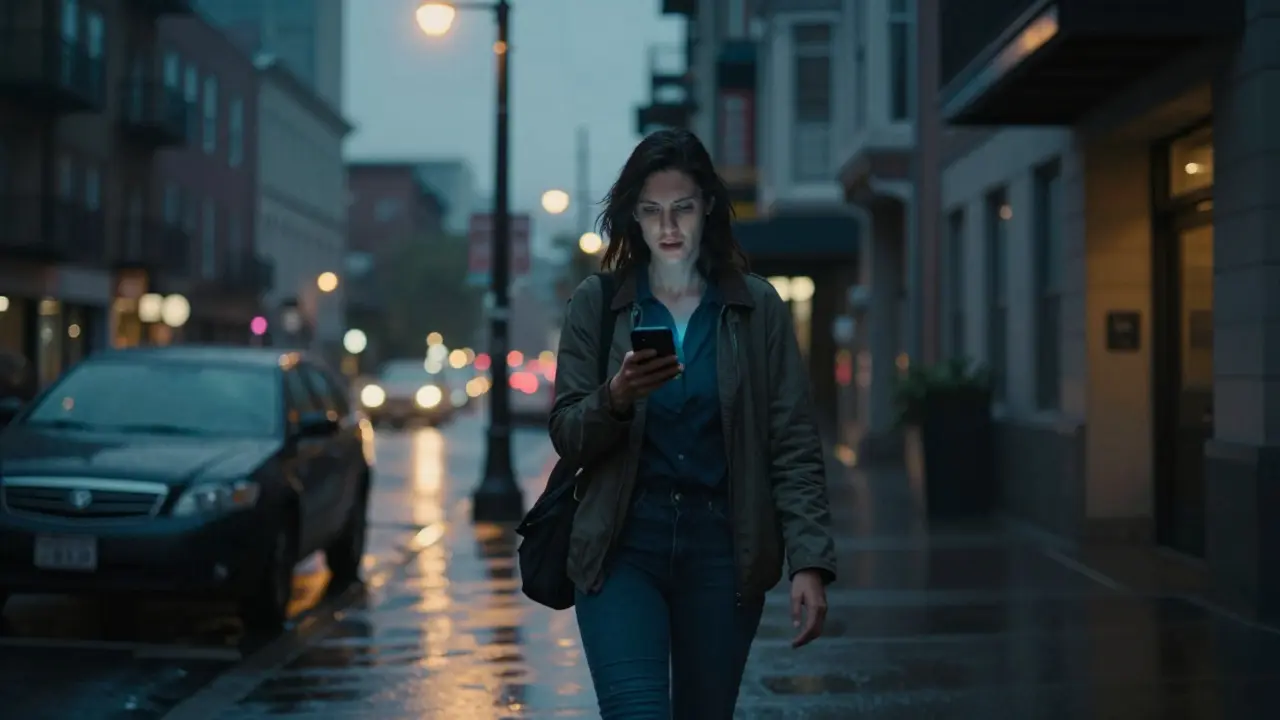

Walking home from a shoot in Portland, Oregon, you check your phone. Three new notifications. One is a sweet comment. Another is a vague "hey" with no context. The third? A photo of your car parked outside your apartment building, timestamped two hours ago. You don't know who took it. This is the reality for many adult content creators: the line between professional interaction and personal intrusion can blur faster than you can blink.
A personal safety plan is a structured set of protocols, digital boundaries, and physical security measures designed to protect an individual's identity, location, and well-being. For performers in the adult industry, this isn't just about locking doors; it's about managing the unique risks of public visibility while maintaining private autonomy. Unlike corporate employees or general influencers, adult creators often face higher rates of doxxing, stalking, and harassment due to societal stigma and the intimate nature of their work.
Understanding the Unique Risk Landscape
To build an effective plan, you first need to understand what makes your risk profile different. Your primary threat vectors are not usually violent crime in the traditional sense, but rather digital surveillance and boundary violation. These threats stem from the intersection of your public persona and private life.
- Doxxing: The unauthorized release of private information (home address, real name, family details) to the public internet.
- Stalking: Repeated unwanted attention that creates fear, often facilitated by social media geotags or inconsistent posting habits.
- Parasocial Aggression: Fans who feel entitled to access your private life because they pay for your content, leading to intrusive behavior when boundaries are tested.
The core issue here is data leakage. Every piece of metadata attached to a photo, every background detail in a video, and every pattern in your posting schedule is a potential clue. A robust safety plan treats your digital footprint as a security perimeter, not just a marketing tool.
Digital Hygiene: Securing Your Online Footprint
Your digital presence is the front door to your safety. If your online defenses are weak, your physical safety is compromised. Start with the basics of metadata stripping. Before uploading any image or video to platforms like OnlyFans, Fanvue, or Instagram, remove EXIF data. This data includes GPS coordinates, camera model, and exact timestamps. Tools like Adobe Lightroom or free online strippers can automate this, but manual checking is safer for high-risk content.
Next, audit your visual environment. If you film at home, create a "set boundary." Keep your living room clutter-free of identifying items: mail, utility bills, distinctive bookshelves, or windows showing recognizable landmarks. Use backdrops or curtains to obscure views. If you must film outdoors, avoid consistent locations. Rotate your filming spots weekly to prevent pattern recognition by obsessive fans.
| Action Item | Tool/Method | Risk Mitigated |
|---|---|---|
| Strip EXIF Data | Adobe Lightroom, IrfanView | GPS Doxxing |
| Separate Accounts | Dedicated email/phone for business | Personal Identity Leak |
| Two-Factor Authentication (2FA) | Authenticator App (not SMS) | Account Hacking |
| Password Management | 1Password, Bitwarden | Credential Stuffing |
| Background Audits | Reverse Image Search | Location Identification |
Use a dedicated email address and phone number for all business communications. Never use your personal Gmail or main cell number on public profiles. This separation ensures that if one account is breached, your entire personal life isn't exposed simultaneously. Enable Two-Factor Authentication (2FA) using an authenticator app rather than SMS, as SIM swapping is a common tactic used to hijack accounts and leak private messages.
Physical Security and Routine Management
Once your digital perimeter is secure, focus on your physical space. Living in a city like Portland offers anonymity, but it also means you have to be proactive. Vary your routines. If you always go to the same coffee shop at 9 AM, you become predictable. Change your routes, your hours, and your locations frequently.
Consider your housing situation carefully. If you live in an apartment complex, ensure your unit number is not visible from the street. Use a lockbox for deliveries instead of leaving packages at your door. If you have a garage, keep it closed. Cars are major identifiers; if possible, park in a secured lot rather than on the street, or consider having a trusted friend or partner move your car occasionally to break patterns.
Install basic security technology. A simple video doorbell can deter opportunistic intruders and provide evidence if something goes wrong. However, be mindful of camera angles-don't let them capture your interior layout clearly. Motion-sensor lights around entry points are another low-cost, high-impact addition. These measures don't guarantee safety, but they increase the effort required for someone to target you, which deters most casual stalkers.
Fan Interaction and Boundary Enforcement
One of the hardest parts of being an adult creator is managing the emotional labor of fan interaction. Many fans develop parasocial relationships where they believe they know you personally. When these expectations aren't met, resentment can turn into aggression. Establish clear rules early.
Create a standard response template for difficult situations. For example:
- The Silent Block: For minor boundary violations (e.g., excessive DMs), block without explanation. Explanation invites debate.
- The Formal Warning: For repeated offenses, send a brief, neutral message stating the boundary was crossed. Keep it short: "Please limit messages to once per week."
- The Legal Notice: For serious threats or doxxing attempts, involve a lawyer or platform moderator immediately. Document everything before taking action.
Use platform tools to your advantage. On subscription sites, you can restrict messaging to paying subscribers only. This filters out free-riders who may be more prone to erratic behavior. Regularly review your subscriber list. If a fan's behavior changes drastically after a breakup or life event, monitor their activity closely. Sudden silence followed by intense engagement can be a red flag.
Legal Protections and Documentation
Knowledge is power, especially when dealing with legal issues. Understand your rights under local and federal laws. In the United States, the Violence Against Women Act (VAWA) and state-specific stalking laws provide protections against non-consensual tracking and harassment. While these laws apply to everyone, adult creators should familiarize themselves with how they apply to digital harassment.
Keep a "Safety Binder" (digital or physical) containing:
- Copies of IDs and passport.
- Contact info for your lawyer, agent, and emergency contacts.
- Screenshots of threatening messages (with timestamps).
- Logs of routine changes (dates/times you moved cars, changed locks, etc.).
If you experience a breach, act quickly. Report the incident to the platform, file a police report if necessary, and consult a lawyer specializing in privacy law. Speed is critical because digital evidence can be deleted or lost within days. Having a pre-drafted statement ready can save precious time during a crisis.

Building a Support Network
You don't have to do this alone. Isolation amplifies fear. Build a circle of trust that includes at least three people who know your safety protocols. This could be a close friend, a family member, or a fellow creator. Agree on a code word or signal system for emergencies. For example, text "Blue Sky" to indicate you're safe but need backup, or "Red Alert" for immediate danger.
Join communities of other adult creators. Platforms like Reddit's r/onlyfanscreator or specialized Discord servers offer peer support and shared resources. Hearing how others handle similar situations provides practical advice and emotional validation. You'll find that most creators share similar strategies, reinforcing that your precautions are normal, not paranoid.
Finally, prioritize your mental health. Chronic vigilance is exhausting. Schedule regular check-ins with a therapist who understands the nuances of the adult industry. They can help you manage anxiety and maintain a healthy perspective on risk versus paranoia. A calm mind makes better decisions than a panicked one.
Frequently Asked Questions
Is it worth hiring a private investigator for an adult creator?
Generally, no, unless you have a specific, credible threat. PIs are expensive and best used for verifying the identity of a known stalker after initial digital traces are found. For most creators, a solid digital hygiene routine and community support are more cost-effective and sufficient.
Should I reveal my real name to fans?
Only if you have fully separated your online and offline identities. If you want to keep your day job or family life private, stick to a stage name. If you choose to reveal your name, ensure all your social media profiles are consistent and scrubbed of previous private information.
What is the fastest way to respond to a doxxing attempt?
Screenshot everything immediately, including URLs and timestamps. Report the post to the platform for removal. Contact a privacy-focused attorney to assess cease-and-desist options. Simultaneously, change your Wi-Fi password and enable 2FA on all major accounts to prevent further leaks.
Do I need a bodyguard for shoots?
For most indoor studio shoots, a reliable production assistant or chaperone is sufficient. A full bodyguard is usually overkill unless you are filming in a high-risk area or have a history of aggressive fans. Focus on vetting your crew thoroughly instead.
How often should I update my safety plan?
Review your plan quarterly or whenever you make significant life changes (moving, changing jobs, new relationship). Digital threats evolve quickly, so staying current on new platform features and security patches is essential for long-term protection.