
Signing a deal with the wrong adult content producer is one of the fastest ways to lose control over your career. You might think you’re just hiring someone to help with editing or marketing, but in reality, you’re handing over keys to your digital identity, your income, and your reputation. The industry is fragmented, regulations are patchy, and "standard" contracts often hide clauses that favor the producer over the talent. If you haven’t vetted them properly, you could end up locked into exclusive deals that block other platforms, paying out royalties you never agreed to, or dealing with a lack of basic workplace safety.
This guide cuts through the noise. It focuses on practical steps to evaluate a producer’s track record, their approach to performer rights, and the red flags that should make you walk away before you sign anything. We’ll look at specific documents to request, questions to ask during meetings, and how to verify claims about their past work. By the end, you’ll have a clear framework to ensure any partnership is built on transparency and mutual respect.
Why Vetting Matters More Than Ever
The landscape for adult creators has shifted dramatically in recent years. With the rise of direct-to-consumer platforms like OnlyFans and Fansly, many performers now operate independently. However, those who choose to work with traditional production companies or management agencies do so for scale: access to larger audiences, professional post-production, and global distribution. But this scale comes with complexity. A producer isn’t just a business partner; they are a gatekeeper to your marketability.
When you fail to vet a producer, three main risks emerge. First, financial opacity. Many producers operate on opaque royalty structures where you don’t know exactly how much revenue is generated versus how much is retained for overhead. Second, creative control loss. Without explicit contractual boundaries, a producer may decide what content is "brand safe," potentially limiting your artistic expression. Third, legal exposure. In some jurisdictions, labor laws for adult workers are still being defined, making a solid contract your only real protection against wage theft or unfair termination.
Step One: Verify Their Track Record and Reputation
Don’t take a producer’s word for their success. Ask for data. A reputable producer will be transparent about their portfolio. Look beyond the glossy website. Check if their top-performing titles have consistent engagement over time, not just viral spikes. Use tools like IMDb Pro or specialized industry databases to see who else works with them. Are the same names appearing across multiple projects? This can indicate a stable, happy team or, conversely, a closed circle that discourages outside collaboration.
Reach out to former or current talent. Most producers will provide references, but try to find independent contacts as well. Ask specific questions:
- How quickly were payments made after the release date?
- Was there clear communication about scheduling and shoot days?
- If a dispute arose, how was it resolved?
Step Two: Audit the Contract Line by Line
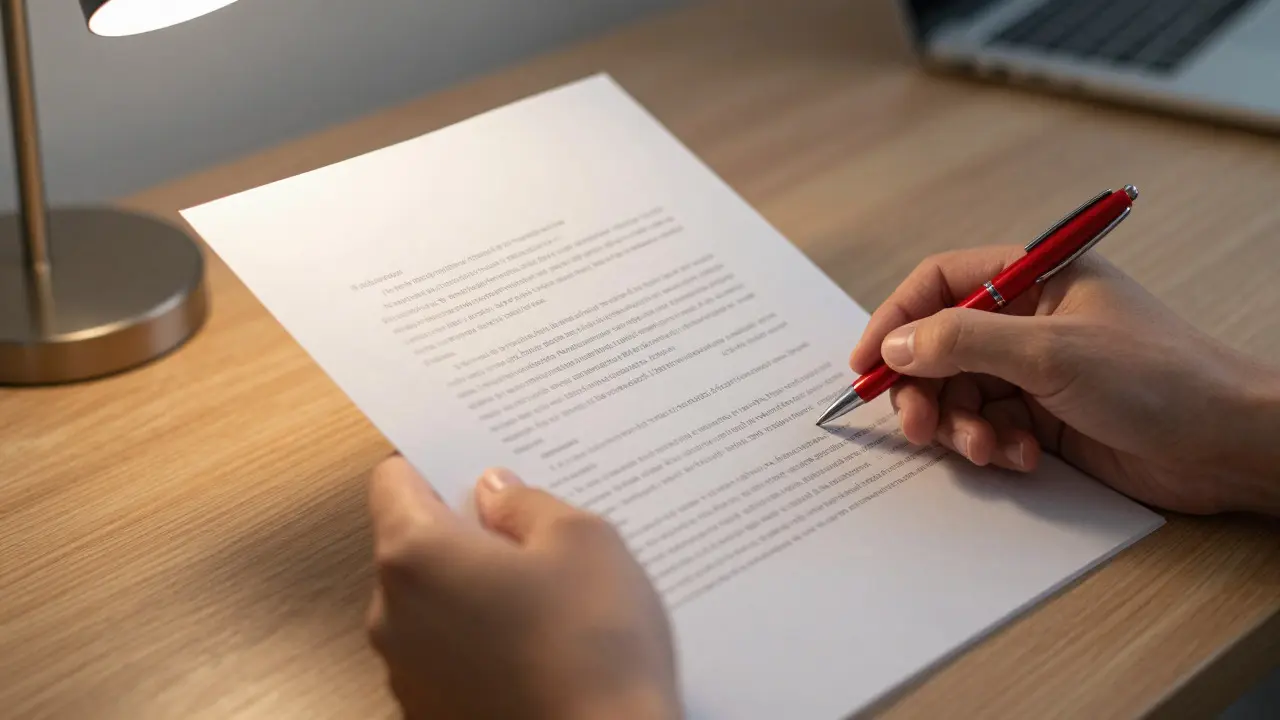
The contract is the most critical document in this relationship. Never sign without legal review, even if the producer says it’s "standard." Here are the specific clauses you need to scrutinize:
- Exclusivity Clauses: Does the contract prevent you from working with other studios or posting on your own social media? Limit exclusivity to specific content types or timeframes (e.g., 12 months for studio releases only).
- Royalty Structures: Is it a flat fee, a percentage of gross, or a percentage of net? "Net" is dangerous because the producer defines what expenses are deducted. Aim for a percentage of gross revenue or a clearly defined net calculation method.
- Termination Rights: Can you exit the contract if the producer misses payment deadlines? What happens if the producer goes bankrupt? Ensure you retain ownership of your likeness after the contract ends.
- IP Ownership: Who owns the final video file? Usually, the producer owns the master, but you should retain the right to use clips for self-promotion.
Ask for a sample invoice. Seeing how they break down costs helps you understand where your money goes. If they resist sharing these details, assume the margins are wider than advertised.

Step Three: Assess Workplace Safety and Ethics
Safety isn’t just about physical security; it’s about psychological comfort and professional respect. During your initial meeting, observe the environment. Is the office clean? Do staff members seem stressed or rushed? Ask directly about their health and safety protocols. For example, do they require regular STI testing for all cast members? Do they provide on-site medical support for high-intensity scenes?
Ethical standards also extend to how they treat non-performer staff. Do editors and camera operators get fair wages? Are breaks enforced? A producer who exploits back-office staff often extends that behavior to talent. Look for signs of a culture that prioritizes output over people. If the producer talks down to you during negotiations or rushes the process, expect that dynamic to continue throughout the partnership.
Comparison of Common Producer Models
Not all producers operate the same way. Understanding the model helps you set realistic expectations. Below is a comparison of the three most common structures in the industry.
| Model Type | Risk Level for Talent | Control Over Content | Typical Royalty Structure | Best For |
|---|---|---|---|---|
| Traditional Studio | High | Low | 5-10% of Net Revenue | Established brands seeking mass distribution |
| Management Agency | Medium | Medium | 15-20% Flat Commission | Talent wanting to keep IP ownership |
| Independent Collaborator | Low | High | 50/50 Split of Gross | Niche creators building personal brand |
Notice how the risk shifts based on the model. Traditional studios offer the widest reach but take the largest cut and control. Independent collaborators offer more freedom but require you to handle more administrative tasks yourself. Choose the model that aligns with your long-term career goals, not just the immediate payout.

Red Flags That Should Stop You Cold
Even with a good contract, certain behaviors are deal-breakers. Watch for these indicators during your vetting process:
- Vague Communication: Emails that go unanswered for days, or promises that change every week.
- Pressure Tactics: "Sign today or lose the slot." Good opportunities don’t expire in 24 hours.
- Lack of Transparency: Refusing to show financial reports or explain expense deductions.
- Isolation: Discouraging you from talking to other agents or lawyers.
- Inconsistent Quality: Recent releases look dated or poorly edited compared to their portfolio highlights.
Building a Long-Term Partnership
Vetting isn’t a one-time event; it’s an ongoing process. Once you’ve signed, maintain open lines of communication. Schedule quarterly reviews to discuss performance, upcoming projects, and any changes in your career direction. Keep records of all interactions, especially verbal agreements. If a producer starts to drift from the ethical standards they promised, you need evidence to enforce the contract terms.
Finally, remember that you are the product. Your reputation is built on consistency, quality, and professionalism. A producer who understands this will invest in your growth, not just extract value from your existing fanbase. When both parties prioritize sustainability over quick wins, the partnership becomes a true asset rather than a liability.
Frequently Asked Questions
What is the standard royalty rate for adult content performers?
There is no single standard, but rates typically range from 5% to 20% of net revenue for traditional studios. Management agencies usually charge a flat 15-20% commission. Independent collaborations often split gross revenue 50/50. Always clarify whether the percentage applies to gross or net income.
Do I need a lawyer to review a producer contract?
Yes, highly recommended. Even if the producer provides a "standard" template, a lawyer specializing in entertainment law can spot hidden clauses regarding exclusivity, IP ownership, and termination. The cost of legal review is usually negligible compared to the potential losses from a bad contract.
How can I verify if a producer pays on time?
Ask for references from at least three current or former talent members. Specifically ask about payment timing and reliability. Additionally, check online forums or communities where performers share experiences. Consistent complaints about late payments are a major red flag.
What does "net revenue" mean in a producer contract?
Net revenue is the total income minus allowable expenses. These expenses can include marketing, distribution fees, taxes, and sometimes overhead. Because the producer defines what counts as an expense, it’s crucial to list acceptable deductions explicitly in the contract to avoid disputes.
Can I leave a producer if they breach the contract?
Usually, yes, but it depends on the termination clause. Most contracts allow termination for material breach, such as missed payments or failure to deliver services. You should send a formal notice of breach and give them a specific timeframe to cure the issue before exiting the agreement.