
One missed signature on a consent form can turn a routine shoot into a six-figure lawsuit. In the adult industry, where boundaries are negotiated daily and physical contact is part of the job, liability waivers and robust insurance policies aren't just paperwork-they're the difference between a smooth wrap and a career-ending legal battle. If you’re producing content, whether as a studio owner or an independent creator, understanding how to structure these legal safeguards is no longer optional. It’s the foundation of professional risk management.
Why Standard Contracts Fail in Adult Productions
Many producers start with generic talent agreements found online. The problem? They often lack specific clauses addressing the unique risks of adult work. A standard waiver might say "assume all risks," but courts look for specificity. Did it mention sexually transmitted infections (STIs)? Did it cover emotional distress from on-set conflicts? Was the language clear enough that a tired performer at 3 AM actually understood what they were signing?
The core issue is enforceability. For a waiver to hold up, it must be conspicuous, written in plain English, and specific to the activities involved. Vague terms like "general negligence" are often struck down if the producer was grossly negligent. Your goal is to create a document that clearly allocates risk while proving you acted reasonably during production.
The Two Pillars: Insurance and Waivers
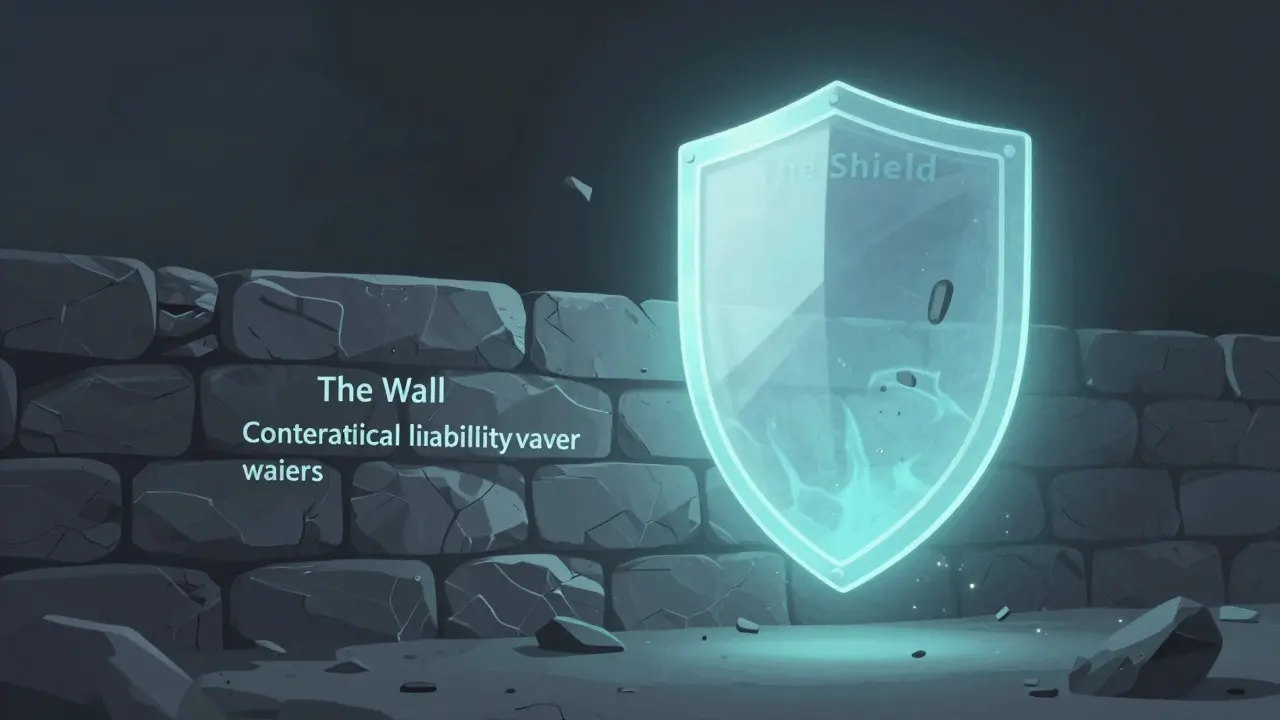
You need two distinct layers of protection. Think of them as a shield and a wall.
- Liability Waivers (The Wall): These are contractual agreements signed by talent before filming. They limit your ability to be sued for certain types of harm. This is your first line of defense in court. 2.Production Insurance (The Shield): Even with a perfect waiver, some risks remain. Insurance pays out when the waiver doesn't apply or when damages exceed what a contract can reasonably cover. This includes General Liability, Professional Liability, and specialized Production Insurance.
Using only one without the other is risky. A waiver protects against minor slips and falls, but it won't save you if a set piece collapses due to structural failure. Insurance covers that. Conversely, insurance has deductibles and exclusions; a good waiver helps keep claims below those thresholds or prevents frivolous lawsuits entirely.
Structuring the Perfect Liability Waiver
Drafting a waiver isn't about using big legal words. It's about being precise. Here are the key components that make a waiver bulletproof:
- Specific Activity Description: Don't just say "filming." List the specific acts, stunts, or props involved. If you're using water, mention drowning risks. If you're doing impact play, mention bruising or injury risks.
- Assumption of Risk: Clearly state that the talent understands the inherent dangers of the specific acts being performed. Reference any pre-existing conditions they disclosed.
- Release of Indemnity: This clause says the talent agrees not to sue you for ordinary negligence. Note: Most states do not allow you to waive liability for *gross* negligence, so this clause usually specifies "ordinary negligence only."
- Medical Consent: Explicit permission to provide emergency medical treatment on-site without needing to call next of kin immediately.
- Waiver of Jury Trial: In many jurisdictions, agreeing to arbitration or bench trial speeds up dispute resolution and reduces costs. Check local laws to ensure this is enforceable.
A pro tip: Have the talent initial each major section. It shows they read it. Keep a digital copy with a timestamped signature, not just a PDF scan.
Navigating Production Insurance Options
Not all insurance is created equal. General Liability (GL) covers third-party bodily injury and property damage. But for adult productions, you need more. You should look for policies that specifically endorse adult entertainment or include riders for high-risk activities.
| Insurance Type | Covers What | Typical Cost Range (Annual) | Key Exclusion to Watch |
|---|---|---|---|
| General Liability | Slips, trips, falls, basic property damage | $1,500 - $3,000 | Intentional acts, punitive damages |
| Professional Liability (E&O) | Mistakes in editing, copyright infringement, defamation | $2,000 - $5,000 | Known prior errors |
| Cast & Crew Accident | Injuries to performers regardless of fault | $500 - $1,500 per project | Pre-existing conditions |
| Equipment Breakdown | Camera gear, lighting, set pieces | Varies by asset value | Wear and tear |
When shopping for quotes, be transparent. If you hide that you're filming adult content, the insurer can void the policy when you file a claim. Use the term "Adult Entertainment Production" explicitly in your application. This honesty builds trust and ensures coverage is valid when you need it most.
State-Specific Pitfalls and Compliance
Legal requirements vary wildly by location. In California, for example, you must comply with strict health inspection laws for STI testing, which interacts directly with your liability exposure. If you skip a required test, a subsequent infection claim might be deemed gross negligence, rendering your waiver useless. In contrast, states with fewer regulations might have looser waiver standards but higher risks of local ordinance violations.
Always consult with a lawyer who specializes in media law *and* has experience with adult industries. A general business attorney might miss the nuance of how a specific state interprets "informed consent" in sexual contexts. This expertise is worth every penny.

Building a Pre-Production Checklist
To avoid last-minute panic, integrate legal checks into your production schedule. Here is a streamlined workflow:
- Week 4 Before Shoot: Finalize script and identify high-risk scenes. Update waiver templates to reflect specific props or actions.
- Week 3 Before Shoot: Send waivers to talent for review. Collect signed copies digitally. Verify insurance policy is active and names all key personnel.
- Week 2 Before Shoot: Conduct a safety briefing. Document attendance. Ensure all crew members know emergency protocols.
- Shoot Day: Keep signed waivers accessible on-site. Log any incidents, no matter how small, in a production diary. Immediate documentation strengthens your defense later.
- Post-Production: Archive all legal documents for at least 7 years (the statute of limitations in many states). Store them in a secure, cloud-based legal folder.
Common Mistakes That Void Your Protection
Even with good intentions, producers make errors that unravel their legal safety net. The most common? Verbal promises. If a director tells a performer, "Don't worry, we'll fix the lighting later," and that performer gets hurt because the light fell, the verbal assurance can override the written waiver. Stick to the contract. If changes happen, sign an addendum.
Another frequent error is failing to update waivers for new projects. Reusing a template from two years ago that didn't account for new equipment or locations creates gaps. Every project needs a fresh, tailored review. Finally, ignoring the fine print of your insurance policy is dangerous. Read the exclusions. Know what triggers a deductible. Surprise exclusions are the silent killer of financial stability in this industry.
Do I need a separate lawyer for every shoot?
No, but you need a lawyer who reviews your master templates annually. For standard shoots, use your approved templates. For high-risk or unusual concepts, get a quick review to ensure the waiver covers the specific novelty of the scene.
What happens if a performer signs a waiver under duress?
Duress can void a contract. To prevent this, give talent reasonable time to read the waiver (at least 24 hours before the shoot). Avoid signing right before action starts. A calm, informed signature is far stronger legally than a rushed one.
Does insurance cover mental health issues caused by the shoot?
Generally, no. Standard GL policies focus on physical injury. To cover emotional distress or PTSD, you might need a specialized rider or a higher tier of Professional Liability coverage. Discuss this explicitly with your broker.
How long should I keep signed waivers?
Keep them for the duration of the statute of limitations for personal injury in your state, plus one year. In most US states, this is 2 to 6 years. However, storing them for 7+ years is best practice to cover potential copyright or contract disputes that arise later.
Can I use a free online waiver template?
You can use them as a starting point, but never rely on them exclusively. Free templates often miss state-specific nuances or industry-specific risks. Treat them as a draft, then have a qualified attorney polish and customize them for your jurisdiction and production style.