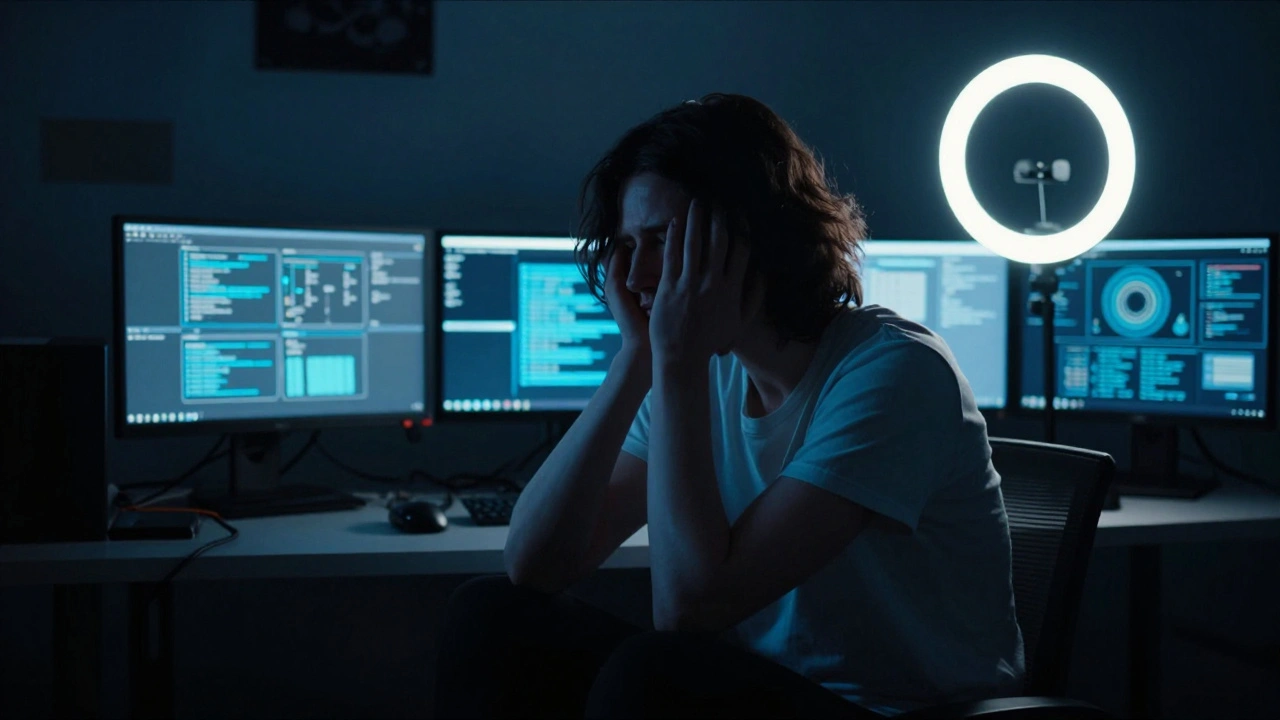

Imagine waking up with a knot in your stomach before you’ve even checked your phone. For many people working in adult entertainment is the industry producing sexually explicit content for digital and physical distribution, this isn’t just stress-it’s a baseline state of being. You might be a cam model, a performer on set, or an independent content creator selling subscriptions. The work is visible, the scrutiny is intense, and the emotional toll often goes unspoken because there are few safe spaces to discuss it.
Depression and anxiety don’t care about your job title. But when your livelihood depends on performing intimacy, managing rejection, and constantly guarding your privacy, the risk factors multiply. This guide cuts through the stigma. It offers practical, actionable steps to protect your mental health while earning a living in this complex field.
The Unique Stressors of the Industry
To manage your mental health, you first need to name what’s hurting you. Generic advice like "just take a break" doesn’t account for the specific pressures you face. Here are the primary drivers of anxiety and depression in adult work:
- Stigma and Isolation: Society often views sex work as deviant rather than labor. This leads to shame spirals, especially if you can’t share your struggles with friends or family who don’t understand the nuances of the job.
- Boundary Erosion: Clients and fans often blur lines between professional performance and personal connection. Saying "no" can feel risky, leading to burnout from over-giving emotionally or physically.
- Digital Permanence: Content posted online stays online. The fear of leaks, doxxing, or future employment discrimination creates a chronic background hum of anxiety.
- Income Instability: Algorithm changes on platforms like OnlyFans or sudden shifts in consumer spending can cause financial panic, which directly fuels depressive episodes.
Recognizing these triggers helps you stop blaming yourself. Your anxiety isn’t a character flaw; it’s a rational response to a high-stakes environment.
Building Psychological Boundaries
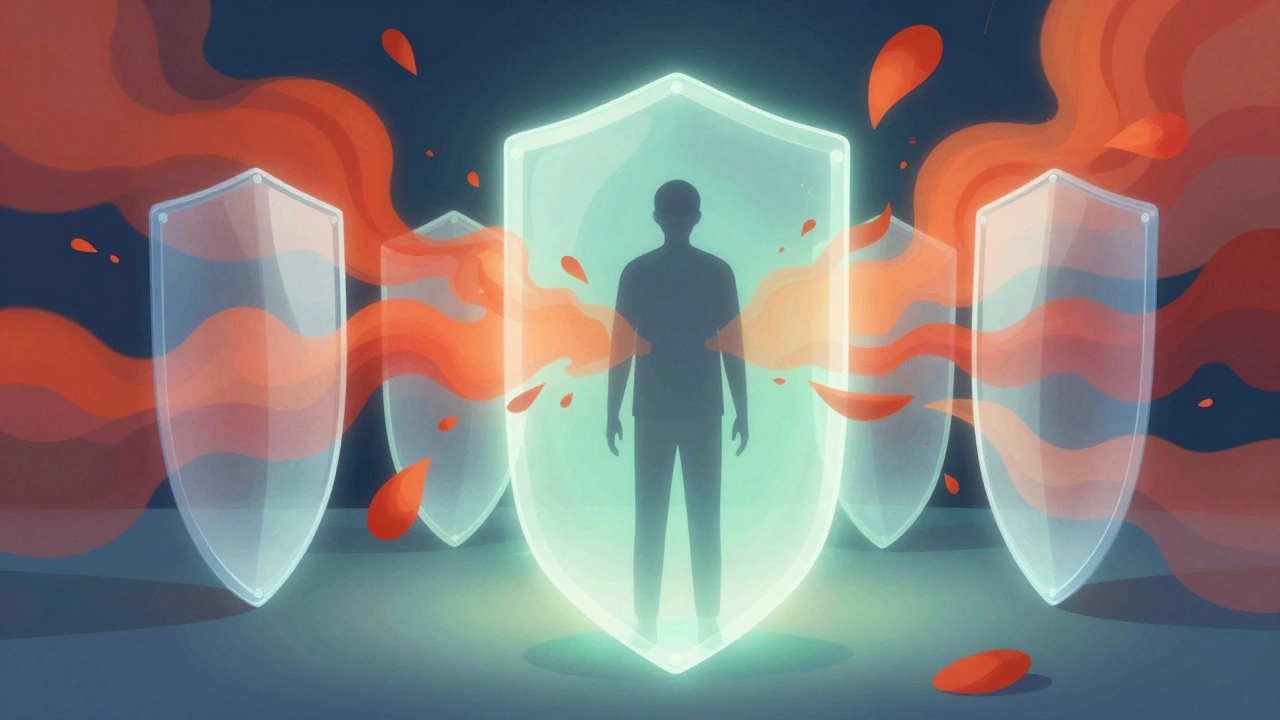
Your boundaries are your armor. Without them, you become a vessel for other people’s desires, leaving nothing for your own well-being. Setting limits isn’t rude; it’s essential for survival.
Separate Identity from Performance
You are not your persona. If you use a stage name, lean into that distinction. Create separate email addresses, social media accounts, and even devices for work versus personal life. When you log off, physically close the laptop or turn off the ring light. These small rituals signal to your brain that the "performance" mode is over.
The Power of "No"
Anxiety often stems from the fear that saying no will cost you income or reputation. Practice low-stakes refusals. Start by declining minor requests-like changing a shoot time last minute or engaging in unpaid promotional chats. Each "no" reinforces your autonomy. Remember: a client who respects your boundaries is a quality client. One who reacts with anger is a liability.
Financial Firewalls
Money worries exacerbate depression. Build a buffer. Aim to save three to six months of living expenses outside of your primary income streams. Diversify your revenue so you aren’t dependent on one platform or one type of content. This reduces the desperation that leads to accepting unsafe or mentally draining gigs.
Managing Daily Anxiety Triggers
Anxiety thrives on uncertainty. In adult entertainment, uncertainty is constant. Here’s how to ground yourself in the present moment.
- Schedule "Worry Time": Instead of letting anxious thoughts hijack your entire day, designate 15 minutes daily to write down every fear. Once the timer goes off, close the notebook. This contains the spiral.
- Control Your Feed: Unfollow peers who trigger comparison culture. If seeing others’ success makes you feel inadequate, mute them. Curate your digital environment to include supportive communities, not competitive ones.
- Physical Grounding: When panic sets in, use the 5-4-3-2-1 technique: Name five things you see, four you can touch, three you hear, two you smell, and one you taste. This pulls your nervous system out of fight-or-flight mode.
Consider using apps like Headspace or Calm for guided meditations, but remember that consistency matters more than the tool itself.
Finding Supportive Professional Help
Therapy is crucial, but finding a therapist who understands sex work without judgment can be difficult. Many general practitioners hold biases that can re-traumatize you.
What to Look For
Seek providers who explicitly list "sex-positive" or "kink-aware" in their profiles. Organizations like the National Sex Worker Alliance maintain directories of affirming therapists. During initial consultations, ask direct questions: "How do you view consensual adult entertainment?" Their reaction will tell you everything.
Peer Support Groups
Connecting with others in the industry reduces isolation. Online forums like Fleshlight Blog Community or private Discord servers offer safe spaces to vent. Hearing that others struggle with post-shoot dysphoria or fan harassment normalizes your experience.
Crisis Resources
If you’re in immediate distress, know your local resources. The Sexual Health Resource Center offers confidential support for workers facing violence or severe mental health crises. Save these numbers in your phone now, not when you’re in crisis.

Preventing Burnout Through Lifestyle Design
Burnout isn’t just exhaustion; it’s a collapse of motivation and identity. Prevent it by designing a life that exists outside of your work.
| Area | Actionable Step | Why It Works |
|---|---|---|
| Sleep | Maintain a consistent sleep schedule, even on days off. | Regulates cortisol levels and improves emotional resilience. |
| Nutrition | Eat regular meals rich in protein and omega-3s. | Supports brain chemistry and stabilizes mood swings. |
| Exercise | Engage in non-sexual physical activity (e.g., hiking, yoga). | Reclaims body autonomy and releases endorphins. |
| Hobbies | Pursue interests unrelated to sexuality or appearance. | Builds self-worth beyond professional validation. |
Notice the emphasis on *non-sexual* activities. Your body is your workplace, but it shouldn’t be your only source of joy. Find hobbies where your worth isn’t tied to how you look or perform. Cooking, coding, painting-anything that lets you create without being consumed.
When to Consider Leaving
There is no shame in exiting the industry. Sometimes, despite best efforts, the mental health costs outweigh the benefits. Signs it may be time to step away include:
- Persistent inability to feel pleasure outside of work.
- Chronic insomnia or reliance on substances to cope.
- Feeling trapped due to financial dependency.
- Loss of interest in personal relationships and goals.
If you decide to leave, plan ahead. Use transition periods to build skills for other careers. Many former performers excel in writing, tech, or advocacy roles. Your experience has given you unique insights into human behavior, digital marketing, and resilience-assets in any field.
Is it normal to feel depressed after finishing a shoot?
Yes, this is common and often referred to as "post-coital tristesse" or "aftercare fatigue." The drop in adrenaline and oxytocin after intense performance can lead to temporary sadness. Practice gentle aftercare: hydrate, rest, and engage in calming activities. If feelings persist beyond a few hours, consider talking to a therapist.
How do I handle toxic fans without losing my mind?
Set strict moderation rules. Use auto-filters for abusive language, block users who cross boundaries immediately, and never engage in arguments. Remember: their toxicity reflects their issues, not your value. Protect your peace by limiting interaction to paid, structured exchanges only.
Can therapy really help if my therapist doesn't understand the industry?
It can, but it’s harder. A non-affirming therapist may pathologize your choices, worsening shame. Seek out sex-positive professionals who recognize consensual adult work as valid labor. If none are available locally, telehealth options expand your reach to specialized providers nationwide.
What are signs of severe burnout in adult entertainment?
Signs include emotional numbness, irritability, physical ailments (headaches, stomach issues), decreased performance quality, and dreading work. Unlike regular tiredness, burnout feels deep and pervasive. Rest alone won’t fix it; structural changes to your workload or career path are needed.
How can I protect my privacy to reduce anxiety?
Use pseudonyms consistently, avoid sharing location data, and watermark all content. Keep personal social media private and separate from professional accounts. Regularly audit your digital footprint and remove old posts that could link your identities. Privacy tools like VPNs and encrypted messaging apps add extra layers of security.