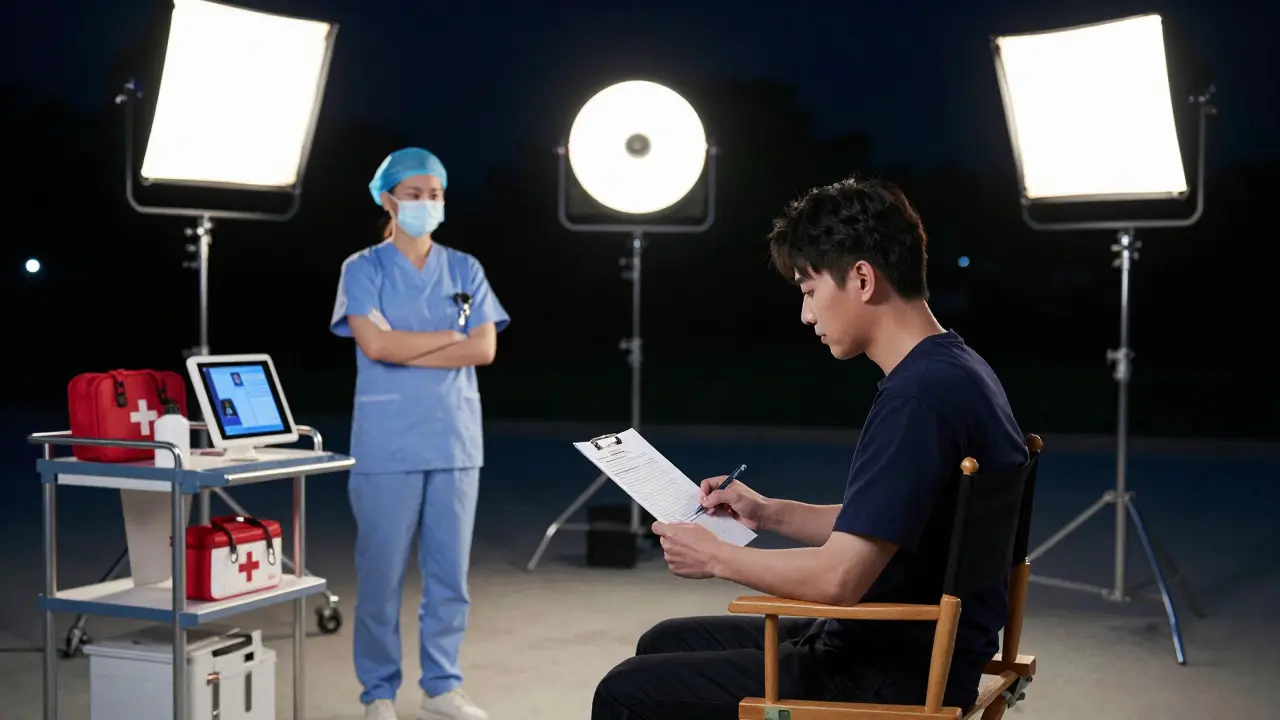

Walking onto a set without knowing your rights is like signing a contract blindfolded. For many adult performers, the line between creative freedom and workplace hazard can blur fast if you don’t know what the law actually requires. In 2026, the landscape has shifted significantly due to stricter state-level regulations and the growing influence of unions like SAG-AFTRA, which now covers a substantial portion of the industry.
This isn't just about having condoms on hand. It’s about understanding the legal framework that protects your body, your data, and your future career. Whether you are a seasoned veteran or stepping into the industry for the first time, knowing the baseline expectations helps you negotiate better deals and avoid costly mistakes.
The Legal Baseline: Federal vs. State Rules
First, let’s clear up a common misconception: there is no single federal "Adult Film Act." Instead, safety standards are a patchwork of federal occupational health rules and specific state laws. The most critical federal agency here is OSHA, which sets general workplace safety standards that apply to all industries, including adult production.
However, the real teeth come from state legislation. California, for instance, has long been the leader with its specific requirements for sexually transmitted infection (STI) testing and condom use. But other states like New York and Illinois have recently updated their codes to include broader protections for gig workers and independent contractors, categories where many performers fall.
- Federal Level: General workplace safety (slip/trip hazards, electrical safety, heat stress).
- State Level: Specific health mandates (STI testing frequency, contraceptive use, minor consent forms).
- Local Level: Some cities have noise ordinances or late-night work permit requirements that affect shoot schedules.
Health Protocols: Beyond the Condom Box
When we talk about occupational safety standards for adult film production, health protocols are the centerpiece. In 2026, the standard of care has moved beyond simple visual checks. Producers are increasingly required to maintain digital health logs for every performer involved in a scene involving bodily fluids.
Here is what you should expect regarding medical documentation:
- Pre-Production Testing: Most major studios require negative STI tests within 14 days of the shoot date. This includes HIV, Chlamydia, Gonorrhea, and Syphilis.
- Contraceptive Verification: If a scene involves open sex (no barrier), producers must verify current birth control methods or recent sterilization records.
- Emergency Kits: On-site medical kits must be stocked not just with condoms, but with emergency contraception and basic trauma supplies.
A key change in recent years is the shift toward third-party verification. Instead of relying solely on a performer's word, reputable productions now partner with clinics that provide direct-to-producer confirmation of test results, reducing the risk of miscommunication.

Contractual Rights and Union Protections
Your contract is your primary shield. While non-union shoots rely heavily on trust, unionized productions under SAG-AFTRA offer standardized minimums that protect against exploitation.
If you are working with a union-covered studio, you are entitled to specific clauses regarding rest periods, meal breaks, and location changes. These aren't perks; they are legal obligations. For example, if a shoot moves to a remote location, the contract must specify travel time as paid hours.
| Feature | Union (SAG-AFTRA) | Non-Union / Independent |
|---|---|---|
| STI Testing Frequency | Strictly enforced via verified records | Varies; often self-reported or spot-checked |
| Rest Breaks | Mandatory after 8 hours of work | Negotiable; often waived for small crews |
| Liability Insurance | Coverage included in rate | Performer may need own policy |
| Dispute Resolution | Union grievance process | Private arbitration or court |
For those working independently, it is crucial to insist on written addendums. Verbal promises about "safe sets" disappear quickly when money gets tight. Always ask for the producer's liability insurance certificate before signing anything.
Data Privacy and Digital Safety
In the digital age, physical safety is only half the battle. Data privacy has become a major component of occupational safety. With the rise of AI-generated deepfakes and unauthorized content sharing, performers face unique risks.
Standard practice in 2026 includes:
- Content Ownership Clauses: Clear definitions of who owns the final cut and how long it can be distributed.
- Right of First Refusal: The right to review scenes before they go live, allowing you to veto shots that feel compromising.
- DMCA Tracking: Reputable studios use automated tools to track unauthorized uploads of your content across the web.
You should expect your contract to specify exactly which platforms will host your work. If a studio plans to release content on a niche platform with poor moderation, that is a red flag worth negotiating.
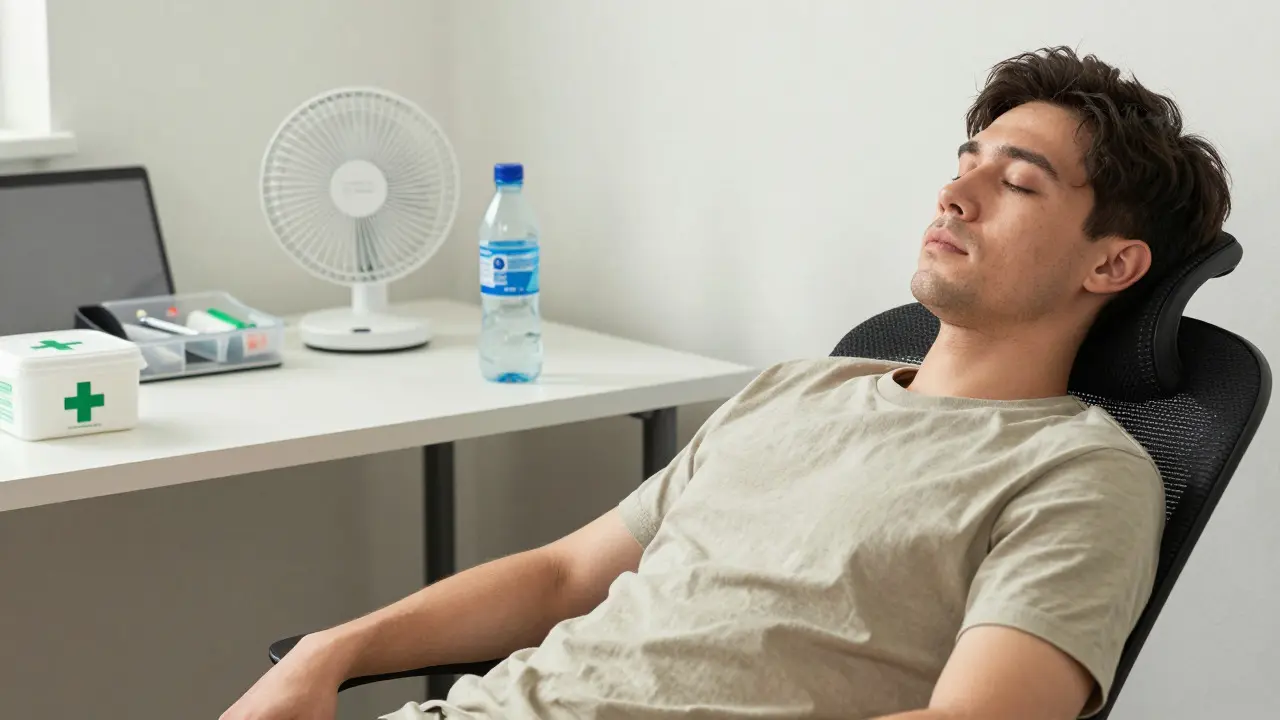
Physical Environment and Ergonomics
We often forget that adult film sets are still workplaces. Slips, falls, and repetitive strain injuries are common. A professional set should treat ergonomics with the same seriousness as any other industry.
Look for these environmental safeguards:
- Temperature Control: Air conditioning is mandatory in hot climates, as prolonged exposure to heat can lead to dehydration and dizziness.
- Lighting Safety: High-intensity lights should have proper diffusers to prevent skin burns and eye strain.
- Prop Hygiene: All props, especially those used in close-up scenes, must be sanitized between takes.
If a set feels chaotic or unsafe, you have the right to pause work. Under OSHA guidelines, employees can stop working if they believe there is an "imminent danger," though this is rarely invoked in creative settings. More commonly, you would invoke a "stop-work" clause in your contract if conditions deteriorate.
Building Your Personal Safety Checklist
Don't rely entirely on the producer. Take proactive steps to protect yourself before you step on set.
- Verify Credentials: Check if the producer has a history of paying on time and following through on promises.
- Bring Your Own Kit: Even if the studio provides supplies, bring backup condoms, lube, and personal hygiene items.
- Designate a Contact: Give a trusted friend or agent your schedule and location details.
- Know Your Exit Strategy: Have transportation arranged so you are never dependent on the crew for a ride home.
By treating your career with the same rigor as a corporate job, you empower yourself to demand better treatment. The industry is evolving, and informed performers are leading that change.
Do all adult film performers need to be union members?
No, union membership is voluntary. However, working with union studios usually requires membership or at least adherence to union rates. Non-union work is common for smaller productions, but offers fewer legal protections.
How often should STI tests be conducted?
The standard is typically every 14 days for active performers. This window ensures that test results are relevant to the specific shoot date, minimizing the risk of undetected infections.
What happens if a producer fails to follow safety protocols?
You can withhold payment approval until issues are resolved, file a complaint with local labor boards, or pursue legal action based on breach of contract. Document everything with photos and emails.
Is performance pay guaranteed even if a scene is cut?
Yes, once you have performed the work, you are owed your rate regardless of whether the footage makes the final edit. Contracts should explicitly state that payment is due upon completion of shooting, not release.
Can I refuse a scene last minute?
It depends on your contract. Most agreements allow for reasonable refusal if new elements are added that weren't discussed. However, refusing without cause may result in a penalty or loss of future opportunities.