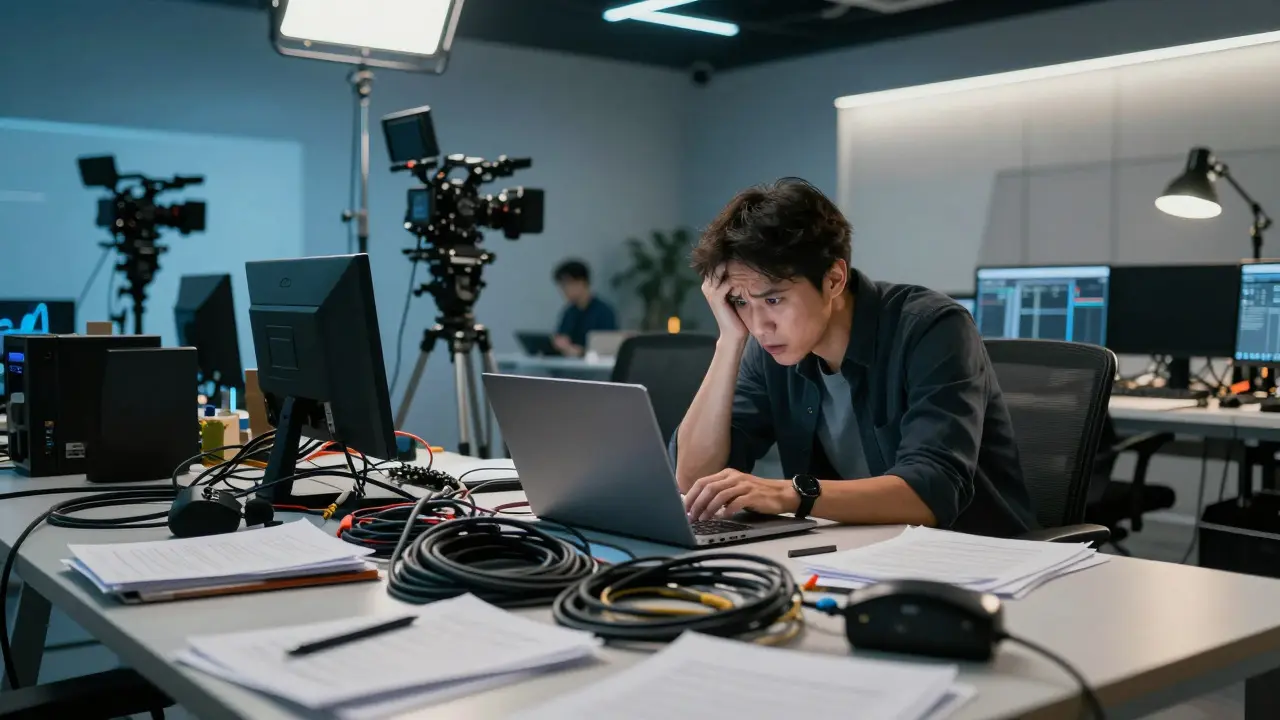

Most adult studios hit a wall at ten performers. The creative director is still editing B-roll, the accountant is chasing invoices, and the newest hire doesn't know where to save raw footage. It’s not a talent problem; it’s a systems problem. Scaling Adult Content Production is a complex operational challenge that requires balancing creative freedom with rigorous logistical frameworks. If you want to grow without burning out your team or sacrificing consistency, you need to stop relying on heroics and start building infrastructure.
The Hiring Trap: Why "Star Power" Fails at Scale
New owners often think the solution to slow growth is hiring more famous talent. In reality, adding high-profile stars without a solid backend just multiplies chaos. A star performer brings their own schedule, their own demands, and often their own way of doing things. If your Standard Operating Procedures (SOPs) are loose, one difficult day can delay an entire month's output.
Instead, prioritize role clarity over fame. You need three distinct pillars in your hiring strategy:
- Production Coordinators: These are your logistics brains. They don't care about the lighting setup; they care about ensuring the call sheet was sent 48 hours in advance and that the location permits are valid.
- Technical Specialists: Camera operators and sound engineers who follow a strict technical checklist. Consistency in image quality matters more than artistic flair when you are producing dozens of titles a month.
- Post-Production Leads: Editors who understand the specific pacing required for different distribution platforms. A cut for a premium subscription site looks different from a cut for a short-form social clip.
When interviewing, test for process adherence. Give a candidate a messy scenario-like a performer running late and a location curfew approaching-and ask how they would triage the issue. You are looking for people who solve problems using existing rules, not people who invent new ones on the fly.
Building Your Operational Backbone: The SOP Framework
An SOP is not a rulebook; it is a decision tree. It tells your team what to do when things go wrong so they don't have to guess. For a scaling studio, you need documented workflows for every major phase of production.
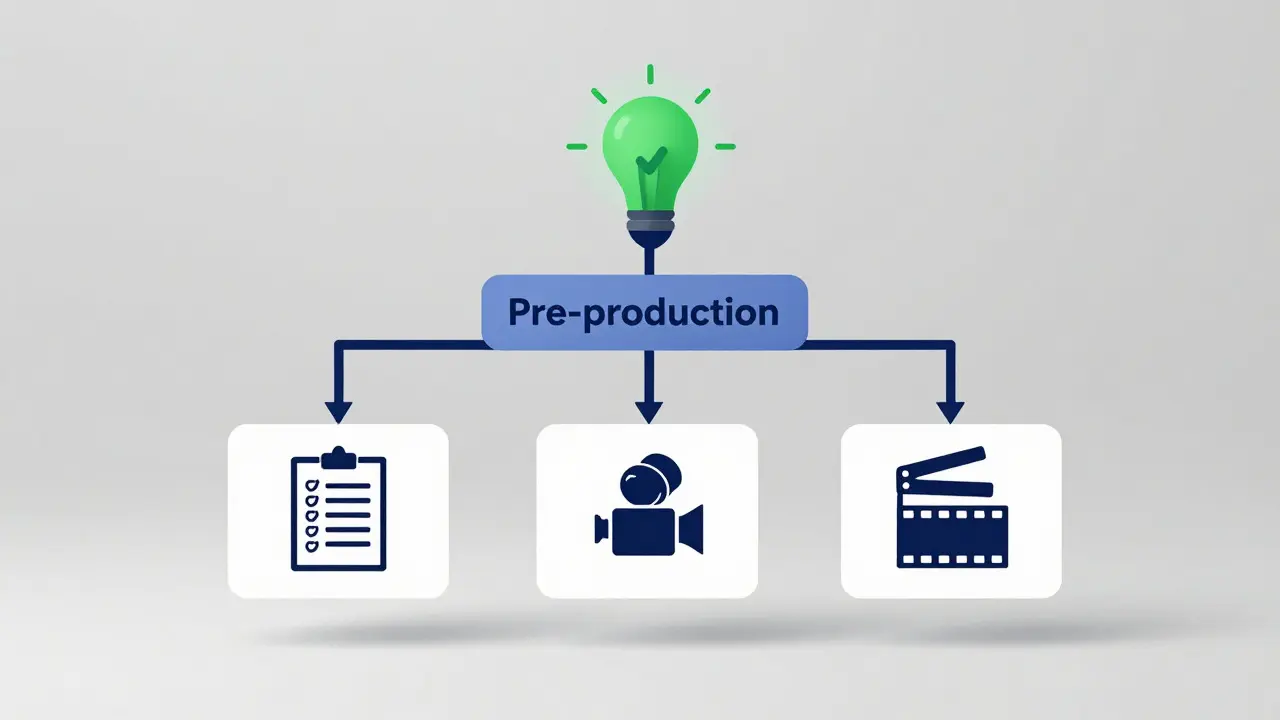
Pre-Production: This is where most projects die. Your SOP should mandate a "Green Light" meeting before any shoot is scheduled. This meeting confirms budget, cast availability, and technical requirements. If any item is missing, the shoot doesn't happen. This saves thousands in wasted travel and equipment rental costs.
On-Set Protocol: Define exactly what happens when a take fails. Do you reshoot immediately? Do you move to the next scene? An SOP removes the emotional weight from these decisions. For example, a standard rule might be: "If a technical failure occurs, pause for no more than 15 minutes. If not resolved, switch to backup plan B." This keeps momentum alive.
Post-Production Handoff: The transition from camera to editor is often messy. Implement a naming convention system that is non-negotiable. Files should be named `ProjectID_Date_Scene_Take`. When editors receive organized files, edit time drops by up to 30%, directly impacting your profit margins.
Quality Control Without the Bottleneck
As volume increases, manual review becomes impossible. If the founder reviews every single frame, they become the bottleneck. You need a tiered QC system.
- Automated Checks: Use software to scan for audio dropouts, black frames, or incorrect metadata tags. This catches 80% of errors instantly.
- Spot Checks: A senior editor reviews random samples from each batch. They aren't checking every second; they are checking for pattern issues like color grading inconsistencies or audio levels drifting.
- Final Approval: Only the final master file gets a human eye check for narrative flow and brand alignment.
This approach allows you to scale output while maintaining a consistent baseline of professionalism. Viewers may not notice what is missing, but they will definitely notice when something is wrong.
Comparing Production Models: Lean vs. Heavy
Not every studio needs the same level of bureaucracy. Your choice depends on your business model. Here is how two common models compare in terms of scalability and risk.
| Feature | Lean Model (Freelance/Crowdsourced) | Heavy Model (In-House Team) |
|---|---|---|
| Scalability Speed | High (Ramp up quickly) | Low (Hiring takes months) |
| Consistency Risk | High (Varies by freelancer) | Low (Standardized training) |
| Overhead Cost | Low (Pay per project) | High (Salaries + Benefits) |
| IP Security | Moderate (NDAs required) | High (Employment contracts) |
| Best For | Niche genres, testing markets | Mainstream brands, high-volume series |
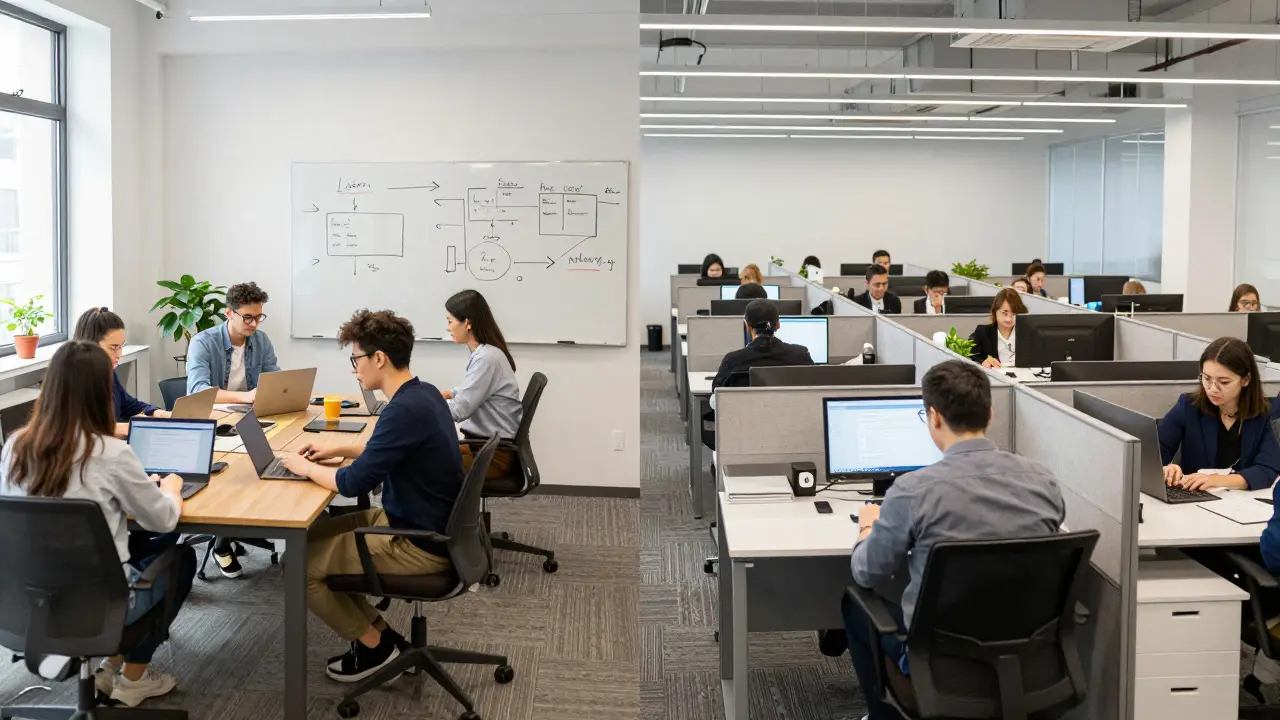
If you are testing a new genre, use the Lean model. Keep overhead low. Once the data proves demand, shift those specific roles to in-house staff to lock in consistency and speed.
Common Pitfalls That Stall Growth
Even with good SOPs, studios stumble. The most frequent error is "Scope Creep" in post-production. Directors keep asking for "just one more tweak" after the QC pass is complete. This kills efficiency. Enforce a deadline for feedback. After that date, changes cost extra or wait for the next version.
Another trap is ignoring data in hiring. Don't hire based on gut feeling. Look at metrics: How many titles did this editor turn around last month? What was their error rate? Data-driven hiring ensures you are bringing in people who fit your current capacity, not just talented people who work differently.
Frequently Asked Questions
How many employees does a small adult studio need to scale?
A typical scaling studio moves from 2-3 people to a core team of 6-8. This includes a Producer, two Technical Staff, an Editor, a Coordinator, and a Business Manager. Beyond this, you usually add specialized roles based on specific bottlenecks.
What is the biggest mistake in adult content hiring?
Hiring for creativity instead of reliability. In a scaled environment, a reliable technician who follows instructions perfectly is more valuable than a creative genius who misses deadlines. Creativity can be managed; missed deadlines cannot.
How do I enforce SOPs without stifling creativity?
Apply SOPs to logistics and technical standards, not artistic choices. The SOP dictates file names, lighting safety, and scheduling. It does not dictate camera angles or acting direction. This separation allows artists to innovate within a safe structural container.
Is outsourcing post-production viable for large studios?
Yes, but only for bulk tasks like tagging or basic cuts. Final polish and brand-specific edits should stay in-house. Outsourcing too much leads to a disjointed look across your catalog, which hurts subscriber retention.
How often should SOPs be updated?
Review them quarterly. Technology changes fast. New cameras, new editing software, and new platform requirements mean your old processes might be inefficient. A quarterly audit ensures your team isn't wasting time on outdated methods.