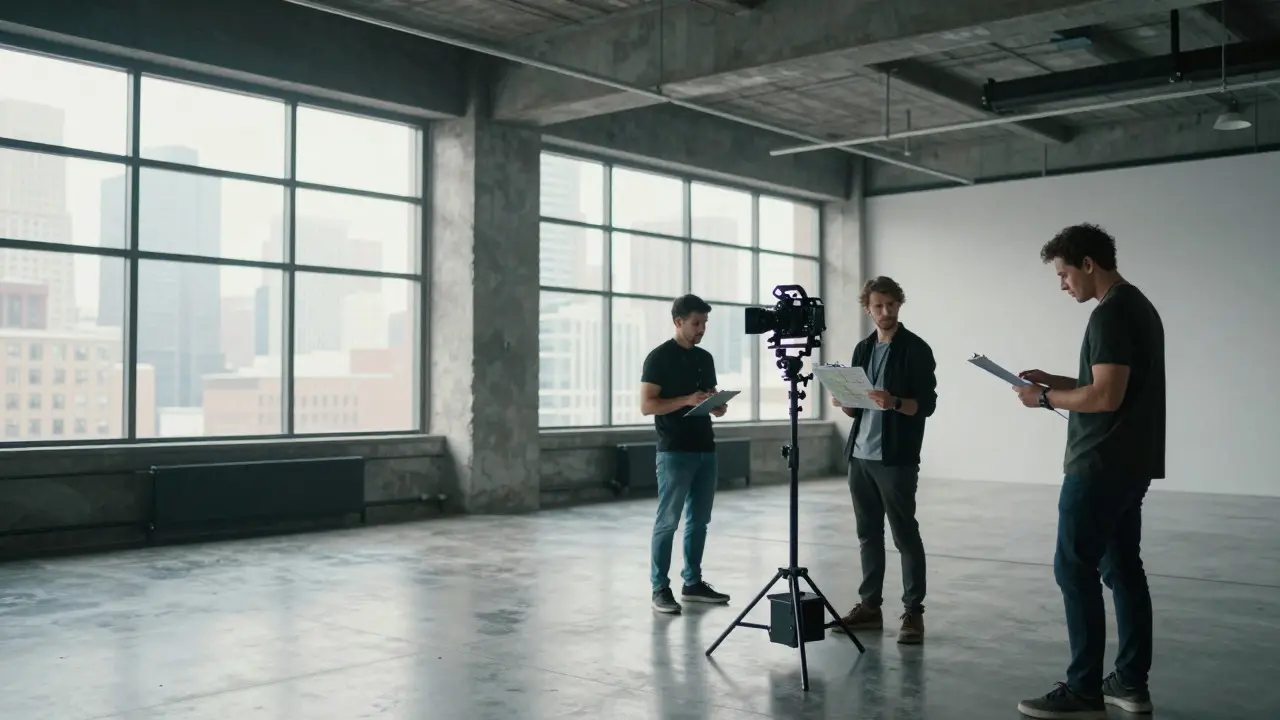

Walking into a new production space in Portland or Los Angeles can feel like navigating a maze of invisible walls. One minute you're scouting a beautiful loft with high ceilings, and the next, a city clerk tells you it’s technically a "residential zone" where no commercial filming is allowed without a variance that takes six months to approve. For adult content studios, this isn't just bureaucratic red tape; it's the difference between launching a project on schedule or losing thousands in idle crew time.
Regulations for Adult Content Studios are business entities that produce visual media for mature audiences, subject to specific local land-use laws and state-level operational permits distinct from standard commercial film productions. Unlike general entertainment, these businesses face a unique layer of scrutiny because they operate at the intersection of commerce, morality codes, and public health standards. Understanding the landscape in 2026 requires looking beyond federal law, which barely touches production locations, and diving deep into municipal zoning maps and county health departments.
The Zoning Landscape: Where You Can Actually Film
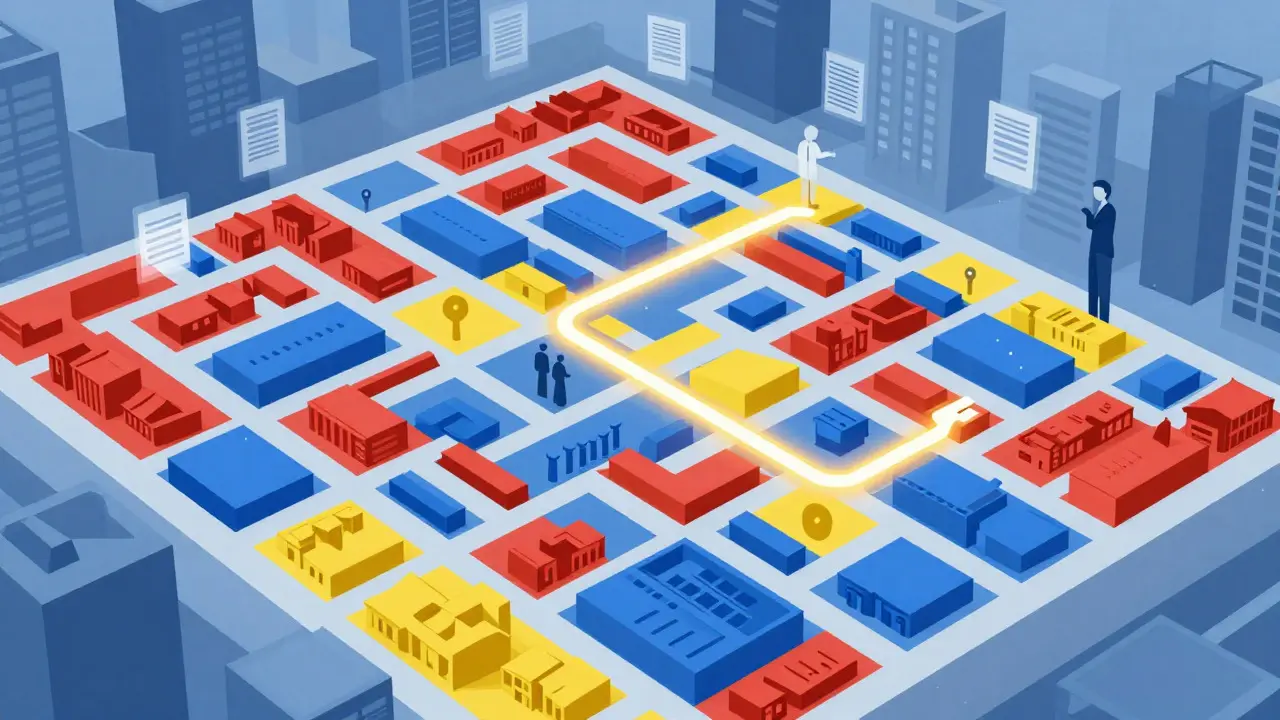
Zoning is the first hurdle. Most cities divide their territory into districts: residential, commercial, industrial, and mixed-use. The critical question for any producer is whether their location falls under an ordinance that explicitly allows or prohibits "adult entertainment" or "adult use." In many jurisdictions, if a building is zoned R-1 (single-family residential), you cannot legally run a business there, let alone one with a stigma attached. However, urban cores often have C-3 or M-1 designations that are more flexible.
A common pitfall is assuming that because a neighbor has a camera shop, you can set up a full production unit. Zoning laws distinguish between "office use" and "production facility." If your studio involves sound stages, editing suites, and large equipment storage, you need a commercial or light industrial designation. In cities like Austin, Texas, for instance, recent updates to the Unified Development Code clarified that remote workspaces do not count as production facilities, but physical sets with lighting rigs and generators do. Always check the specific "conditional use permit" requirements. These permits allow a business to operate in a zone where it isn't automatically permitted, provided it meets certain criteria like parking ratios and noise limits.
| Zoning Type | Typical Abbreviation | Production Viability | Key Restriction |
|---|---|---|---|
| Residential | R-1, R-2 | Low | No commercial activity without special permit |
| Commercial | C-1, C-2 | Medium | Often restricted by hours of operation and signage |
| Light Industrial | M-1, I-1 | High | Better for heavy equipment and loading docks |
| Mixed-Use | MU, MU-2 | Variable | Depends on floor-specific rules; ground floors usually commercial |
Licensing Beyond the Basics: State and Local Permits
Once you’ve secured the right square footage, you need the paperwork to prove you’re legal. This goes far beyond a standard business license. In states like California and Nevada, which host the majority of the industry, specific state agencies oversee aspects of production. For example, the California Department of Public Health requires regular inspections for sanitation in any facility where performers stay overnight or where food is served on set. This is non-negotiable. A single failed inspection can shut down a shoot for days while you remediate issues.
Local business licenses also vary. In some counties, you must register as an "adult establishment" specifically, which triggers additional fees and public notice requirements. This means your neighbors might receive a letter informing them of your presence. While this sounds intrusive, failing to disclose can result in fines that dwarf the original permit cost. Additionally, consider temporary event permits. If you plan to move your set frequently, you may need a short-term occupancy permit for each new location. These are cheaper than permanent leases but require quick turnaround times, so build buffer weeks into your schedule.
Navigating Community Opposition and Noise Complaints
Even if you have every permit in hand, your biggest threat often comes from outside the city hall. NIMBY (Not In My Backyard) groups are active in almost every major metro area. They don’t care about your zoning code compliance; they care about traffic, noise, and perceived property value impact. In 2025, a studio in Seattle faced a six-month delay because residents complained about generator noise during early morning shoots. The solution wasn’t legal-it was logistical. The studio switched to battery-powered lighting and limited outdoor shoots to daytime hours.
To mitigate this risk, engage with the community before you sign the lease. Attend city council meetings where your district’s zoning changes are discussed. Introduce yourself not as a "porn studio," but as a creative production company contributing to the local tax base. Transparency builds trust. Also, monitor local news and social media channels. A single viral video of a chaotic set can lead to a wave of complaints that forces the city to re-evaluate your conditional use permit. Proactive communication is cheaper than reactive litigation.

Tax Implications and Financial Compliance
Compliance isn’t just about permits; it’s about money. Adult content studios often operate across multiple jurisdictions, which complicates sales tax and income tax reporting. If you hire local talent in Oregon but edit in a cloud service based in New York, where does the income get reported? Generally, you pay taxes where the work is performed, but digital services are creating gray areas. Keep meticulous records of every expense tied to a specific location. This includes rent, utilities, and even catering. If the IRS or state auditor asks why you spent $5,000 on catering in a month with no shoots, you better have a receipt showing it was for a pre-production meeting held at that specific address.
Furthermore, understand the difference between gross receipts tax and net income tax. Some localities tax the total revenue generated within their borders, regardless of profit. This affects how you price your projects. If a city imposes a 2% gross receipts tax on all business activities, that’s a direct hit to your margin. Factor this into your budgeting phase. Don’t wait until tax season to realize your effective tax rate is higher than projected.
Best Practices for Long-Term Location Stability
Building a sustainable presence in a city requires more than just checking boxes. It requires relationship management. Build a rapport with the local planning department staff. They are human beings who want to see compliant businesses succeed. When you have a good relationship, getting answers to ambiguous questions becomes faster. Similarly, maintain a clean record with health inspectors. A spotless facility sends a message that you take the community seriously.
Diversify your locations too. Relying on a single studio space makes you vulnerable to zoning changes. If the city decides to rezone your block from commercial to residential, you could be forced out. Having backup locations in different zones provides insurance against regulatory shifts. Finally, stay updated on legislative trends. In 2026, several states are discussing stricter data privacy laws for digital media, which could impact how you store and manage behind-the-scenes footage. Staying ahead of these curves ensures your operations remain smooth and profitable.
Do I need a separate license for every new shooting location?
It depends on the duration and nature of the use. If you are filming for less than 48 hours, a temporary event permit is usually sufficient. For longer stays or permanent sets, you will likely need a change of use permit or a conditional use approval specific to that address. Always verify with the local planning department before moving equipment.
How long does it take to get a conditional use permit for an adult studio?
The timeline varies significantly by jurisdiction. In smaller towns, it might take 30 to 60 days. In larger cities like Los Angeles or New York, the process can take 3 to 6 months due to public hearings and environmental reviews. Start this process immediately after securing a potential lease to avoid delays.
Can I operate an adult content studio in a residential zone?
Generally, no. Residential zones prohibit commercial activity unless a specific variance is granted. This is rare for adult establishments due to community opposition. Look for light industrial or commercial zones instead. If you must use a residential building, ensure it is classified as a "mixed-use" structure with a commercial ground floor.
What happens if a neighbor files a noise complaint?
The city will typically send a code enforcement officer to measure decibel levels. If you exceed the limit, you’ll receive a warning or fine. Repeated violations can lead to the suspension of your conditional use permit. To prevent this, use acoustic barriers, limit generator runtime, and communicate your shooting schedule to immediate neighbors in advance.
Are there federal laws governing adult content studio locations?
Few federal laws directly dictate where you can locate a studio. Federal regulation focuses more on labor practices, age verification for performers, and data privacy. Zoning and licensing are primarily state and local matters. However, ensure your studio complies with OSHA safety standards, which are federally enforced, regarding electrical wiring and fire exits.