

Imagine logging off after a twelve-hour shift of live streaming or content creation. You feel drained, not just physically, but emotionally hollowed out. Then comes the harder part: navigating the real world where people whisper, judge, or simply don’t understand your job. For sex workers and adult creators who produce explicit content online, this disconnect between their professional identity and societal perception creates a unique form of stress known as minority stress. This isn't just about feeling tired; it's about the constant cognitive load of managing shame, fear of exposure, and emotional labor.
You are not alone in feeling this weight. The rise of platforms like OnlyFans, Fansly, and manyvids has brought adult creation into the mainstream economy, yet the social stigma remains stubbornly high. Understanding how to protect your mental well-being isn't a luxury-it’s a survival skill. Let’s look at practical, actionable ways to build resilience against stigma and maintain your sanity in an industry that demands so much from you.
Understanding Minority Stress in the Adult Industry
To fight stigma, you first need to name it. Psychologist Ilan Meyer developed the concept of minority stress theory, which explains how marginalized groups experience chronic stress due to prejudice and discrimination. While originally focused on LGBTQ+ communities, this framework applies directly to sex workers and adult creators. When society views your work as deviant or immoral, you internalize that judgment, leading to anxiety, depression, and isolation.
This stress manifests in two main ways:
- Externalized stigma: Fear of being "outed" to family, friends, or traditional employers. This leads to hyper-vigilance, checking locks twice, using aliases, and avoiding public places where you might be recognized.
- Internalized stigma: Believing the negative stereotypes yourself. You might feel "dirty," "broken," or unworthy of love because your job involves selling intimacy or nudity.
Recognizing these patterns is the first step toward breaking them. You aren't crazy for feeling anxious; you're reacting rationally to an irrational environment.
The Digital Intimacy Paradox
Adult creators face a specific challenge called the digital intimacy paradox. On one hand, your job requires you to perform warmth, connection, and affection for subscribers. On the other hand, those interactions are transactional and often superficial. Over time, this can lead to emotional dissonance, where what you feel doesn't match what you show.
This mismatch drains your emotional battery faster than physical labor. A study by the Sex Worker Project found that nearly 60% of digital sex workers reported symptoms of burnout within their first year. Burnout here looks different: it’s numbness, irritability, and a loss of interest in hobbies outside of work. To combat this, you need strict boundaries between your "creator persona" and your "real self."
Practical Strategies for Emotional Resilience
Building resilience isn't about becoming immune to stress; it's about creating systems that absorb the shock. Here are concrete strategies used by successful creators to manage stigma and protect their mental health.
1. Create a "Decompression Ritual"
Your brain needs a clear signal that work is over. Without this, you’ll carry the energy of your fans into your personal life. Develop a ritual that takes 15-30 minutes immediately after logging off. This could include:
- Changing clothes into something comfortable and non-revealing.
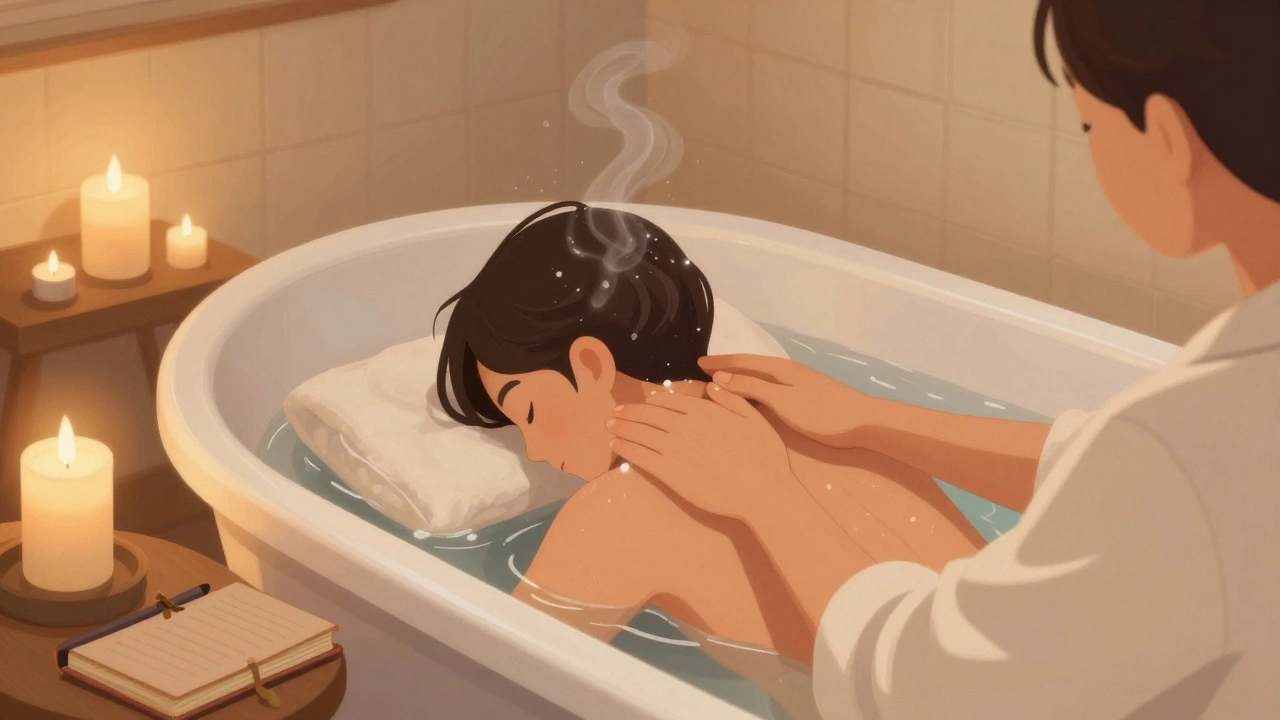
- Taking a hot shower or bath to wash away the "performance" energy.
- Writing down any negative comments or interactions in a journal to "dump" them out of your head.
This ritual acts as a psychological airlock, separating your professional space from your personal sanctuary.
2. Build a Supportive Community
Isolation fuels stigma. Connect with other sex workers and adult creators who understand your reality. Join private Discord servers, Facebook groups, or local meetups (if safe). Sharing experiences normalizes your feelings and provides practical advice. You’ll find that others deal with similar issues-like dealing with entitled fans or payment processor bans-and their solutions can save you hours of stress.
3. Practice Radical Self-Compassion
When you catch yourself thinking, "I’m disgusting" or "No one would ever respect me," challenge that thought. Replace it with evidence-based affirmations. Remind yourself: "I am providing a service that consensual adults enjoy. I am honest about my work. I deserve respect." Therapy techniques like cognitive behavioral therapy (CBT) can help rewire these negative thought patterns over time.

Setting Boundaries That Stick
Boundaries are not walls; they are gates that control who enters your life and on what terms. In the adult industry, poor boundaries are the fastest route to burnout. Here’s how to set them effectively:
| Boundary Type | Why It Matters | How to Implement |
|---|---|---|
| Digital Privacy | Prevents doxxing and unwanted recognition. | Use separate devices/accounts for work vs. personal life. Avoid geotagging posts. Use PO Box for mail. |
| Emotional Labor | Protects your empathy reserves. | Limit chat hours. Use auto-responses for common questions. Block users who demand excessive attention without paying. |
| Content Limits | Reduces regret and safety risks. | Define a "hard no" list before creating content. Stick to it even if fans beg. Review old content periodically to delete anything that makes you uncomfortable. |
| Financial Boundaries | Ensures stability and reduces stress. | Separate business finances from personal savings. Pay taxes consistently. Do not lend money to fans or friends based on pity. |
Remember, saying "no" is a complete sentence. You do not owe anyone an explanation for protecting your peace. Fans who respect your boundaries will stay; those who don’t are costing you more than they’re worth.
Navigating Relationships and Disclosure
One of the biggest sources of anxiety is deciding whether to tell partners, family, or friends about your work. There is no right answer, but there are frameworks to help you decide.
Ask yourself:
- Who is safe? Have they shown judgment toward other sex workers? Do they gossip?
- What is my goal? Do I want support, validation, or just honesty?
- Am I ready for their reaction? Even supportive people may struggle initially.
If you choose to disclose, start small. Test the waters with one trusted person. Gauge their response before expanding the circle. If someone reacts with anger or shame, that reflects their biases, not your worth. You have the right to curate your inner circle to include only those who accept you fully.
For romantic partners, open communication is key. Discuss jealousy triggers, sexual expectations, and privacy concerns upfront. Some couples thrive in this dynamic; others don’t. Both outcomes are valid. Don’t force a relationship to fit a mold that doesn’t work for both of you.
Finding Professional Help
Therapy can be transformative, but finding a therapist who understands the adult industry is challenging. Many general practitioners hold unconscious biases against sex work. Look for providers who specialize in:
- Trauma-informed care: Essential if you’ve experienced past trauma or current harassment.
- Sex-positive therapy: Therapists who view sexuality as healthy and diverse.
- Stigma management: Professionals trained in minority stress models.
Resources like the National Alliance for Sexual Health Equity (NASH) or local sex worker advocacy groups often maintain lists of vetted therapists. Online therapy platforms like BetterHelp or Talkspace offer anonymity, which can lower the barrier to entry if you’re afraid of being judged in person.
Don’t settle for a therapist who pathologizes your work. Your job is not a disorder. You deserve care that honors your autonomy and agency.
Long-Term Career Sustainability
Mental wellness isn’t just about surviving today; it’s about thriving for years. The adult industry has a high turnover rate because many creators burn out quickly. To build a sustainable career:
- Diversify your income: Don’t rely solely on tips or monthly subscriptions. Offer tiered pricing, custom content, and affiliate marketing to reduce pressure on any single revenue stream.
- Plan for retirement: Start investing early. Consider tax-advantaged accounts like IRAs. The adult industry can be volatile; financial security reduces existential anxiety.
- Take regular breaks: Schedule vacations where you completely disconnect. Use this time to recharge creatively and emotionally.
- Evaluate your content regularly: As you grow older or change personally, your comfort level with certain types of content may shift. Adjust accordingly without guilt.
Sustainability means treating your body and mind as assets, not expendable resources. Protect them fiercely.
Reclaiming Your Narrative
Finally, remember that you define your own story. Society may try to label you, but you get to decide what words stick. Whether you see yourself as an entrepreneur, an artist, a performer, or simply a person doing honest work, that identity is yours. Embrace it proudly. Share your truth when you feel safe. Inspire others who are struggling with the same fears. By living authentically, you chip away at the stigma, one act of courage at a time.
How do I deal with hate comments from strangers?
First, recognize that hate comments say more about the commenter’s insecurities than your worth. Create a moderation system: use filters to block keywords, mute aggressive users, and never engage in arguments. Save screenshots for legal protection if threats occur. Remember, you control your platform. Curate your community by removing toxicity promptly.
Can I still have a normal dating life as an adult creator?
Yes, but it requires honesty and patience. Many partners struggle with jealousy or societal stigma. Open conversations about boundaries, expectations, and privacy are essential. Seek partners who value consent and respect your autonomy. It may take longer to find compatible matches, but meaningful relationships are absolutely possible.
What should I do if I feel ashamed of my work?
Shame often stems from internalized societal judgments. Challenge these thoughts by listing reasons why your work is valid: it’s consensual, profitable, and serves a demand. Connect with supportive peers who normalize your experience. Consider working with a sex-positive therapist to unpack deep-seated beliefs. Self-compassion practices can also help replace shame with pride.
How can I protect my identity online?
Use separate devices and email addresses for work versus personal life. Avoid posting identifiable background details in photos/videos. Disable location services on social media apps. Use a pseudonym consistently across all platforms. Be cautious about sharing personal stories that could reveal your location or routine. Regularly audit your digital footprint for accidental leaks.
Where can I find mental health resources specifically for sex workers?
Organizations like the National Alliance for Sexual Health Equity (NASH), Sex Workers Outreach Program (SWOP), and local advocacy groups often provide referrals to stigma-aware therapists. Online directories such as Psychology Today allow filtering by specialties like "sex positivity" or "trauma." Peer support networks on Discord or Reddit can also share recommendations for affordable counseling options.