

The lights are off. The camera is stopped. But your mind is still racing through the last take, the next upload, or the comments section. If you create adult content, you know that disconnecting isn't as simple as turning off a laptop. You carry the weight of performance, privacy concerns, and public scrutiny long after the workday ends. This isn't just about being tired; it's about surviving in an industry that demands constant emotional availability while offering little structural support for your well-being.
Mindfulness might sound like something reserved for yoga studios or corporate retreats, but for adult content professionals, it is a survival tool. It is the practice of anchoring yourself in the present moment to stop the spiral of anxiety, shame, or burnout. When you learn to observe your thoughts without judgment, you reclaim control over your nervous system. You stop reacting to every notification and start responding to your own needs. Let’s look at how you can build this resilience, right where you are.
Understanding the Unique Stressors of Your Industry
To fix the problem, you first have to name it. The stress you face is not generic office stress. It is specific, intense, and often stigmatized. You deal with emotional laborthe effort required to manage one's emotions to meet job requirements on a daily basis. Whether you are performing for a camera, managing subscribers, or handling customer service, you are curating a persona that may differ significantly from your private self. This creates a cognitive dissonance that drains your energy.
Then there is the issue of digital boundary erosionthe blurring of lines between professional online presence and personal offline life. In traditional jobs, you leave work at the door. In your line of work, your work is your identity, and your identity is accessible 24/7. The fear of leaks, doxxing, or harassment keeps your amygdala-the brain's threat detection center-constantly active. This chronic state of hyper-vigilance leads to burnout faster than any physical exertion could. Mindfulness helps by teaching your brain that "not now" is a valid safety signal.
The Science of Grounding: Why It Works
You don’t need to believe in spirituality to benefit from mindfulness. It is neuroscience. When you are anxious, your prefrontal cortex (the logical part of your brain) goes offline, and your limbic system (the emotional center) takes over. This is why you might feel irrational anger or panic when reading a negative comment. Grounding techniques force your brain to switch back to sensory processing, which calms the limbic system.
Consider the concept of interoceptionthe sense of the internal state of the body, including heartbeat, hunger, and tension. Many creators live so much in their heads-planning shoots, editing, strategizing-that they lose touch with their bodies. They ignore signs of exhaustion until they collapse. Mindfulness rebuilds the connection between your mind and your physical sensations. By noticing a tight jaw or shallow breathing early, you can intervene before stress becomes trauma.
Practical Techniques for Immediate Relief
You likely don’t have time for hour-long meditation sessions. You need tools that fit into the gaps of your day. Here are three specific techniques tailored for high-stress moments.
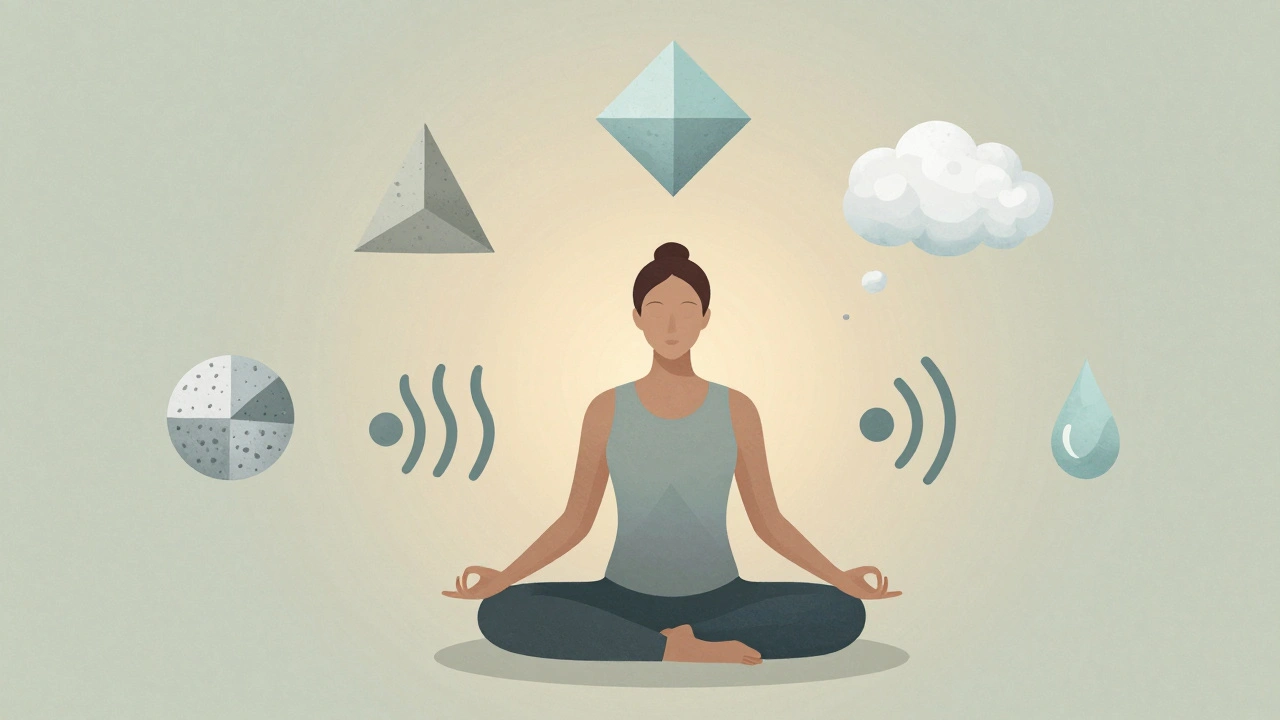
- The 5-4-3-2-1 Sensory Method: When you feel overwhelmed by notifications or hate mail, stop. Name five things you can see, four things you can physically feel (like the fabric of your chair), three things you can hear, two things you can smell, and one thing you can taste. This forces your brain to process immediate sensory data, pulling you out of the digital void and into the physical room.
- Box Breathing for Panic Attacks: Inhale for four seconds, hold for four, exhale for four, hold for four. Repeat this cycle four times. This technique is used by Navy SEALs to regulate heart rate under extreme pressure. It signals to your vagus nerve that you are safe, lowering your cortisol levels within minutes.
- The "Camera Off" Ritual: Create a physical transition between work and life. After you finish recording or streaming, perform a specific action that signifies the end of the shift. Wash your face with cold water, change your clothes immediately, or light a specific candle. This anchors your brain to recognize that the performance role is paused.
Building Digital Boundaries Through Mindful Awareness
Mindfulness isn't just about calming down; it's about making conscious choices. One of the biggest drains on your mental health is the compulsion to check metrics. The dopamine hit from new views or likes creates a feedback loop that keeps you tethered to your phone. To break this, you must practice digital minimalisma philosophy that focuses on intentional use of technology.
Start by auditing your triggers. Do you open your analytics app when you're bored? Lonely? Anxious? Notice the urge without acting on it. Ask yourself: "Will checking this number change my reality in the next hour?" Usually, the answer is no. By delaying the response, you weaken the habit loop. Set strict "no-phone zones" in your home, such as the bedroom or bathroom. These spaces become sanctuaries where your identity is just yours, not a brand.
Managing Shame and Stigma Internally
Society places a heavy burden of stigma on adult content creation. Even if you are proud of your work, you may internalize negative judgments from others. This internalized shame manifests as self-criticism, isolation, or depression. Mindfulness offers a way to separate your worth from your output.
Practice self-compassiontreating oneself with kindness during times of failure or suffering. When you catch yourself thinking, "I shouldn't be doing this," or "People will judge me," label the thought. Say to yourself, "I am having the thought that I am being judged." This small linguistic shift creates distance between you and the thought. It reminds you that thoughts are mental events, not facts. You are the observer, not the victim, of these narratives.

Creating a Supportive Environment
Your environment shapes your mindset. If your workspace is cluttered, chaotic, or associated with stress, your brain will trigger anxiety the moment you enter it. Redesign your space to support calmness. Use soft lighting instead of harsh LEDs. Add plants, which have been shown to lower blood pressure. Keep your desk clear of distractions when you are not working.
Also, consider your social circle. Isolation exacerbates mental health issues. Seek out communities of other creators who understand the unique challenges you face. Sharing experiences reduces the feeling of being alone in your struggles. Peer support validates your reality and provides practical advice that mainstream mental health resources often miss.
| Stress Trigger | Reactive Response | Mindful Response |
|---|---|---|
| Negative Comment | Anger, defensive reply, rumination | Acknowledge emotion, pause, decide if response is necessary |
| Low Sales Day | Panic, overworking, self-doubt | Observe data objectively, plan adjustments, rest |
| Privacy Fear | Hypervigilance, paranoia, sleep loss | Review security protocols once, then ground in present safety |
| Burnout Signs | Ignore symptoms, push through | Recognize fatigue, prioritize recovery, set boundaries |
Long-Term Resilience Strategies
Mindfulness is not a quick fix; it is a muscle. The more you practice, the stronger it gets. Integrate short practices into your daily routine. Try a five-minute body scan before bed to release physical tension accumulated during the day. Use mindful eating to reconnect with your body’s natural hunger cues, which often get ignored during busy schedules.
Remember that progress is non-linear. Some days will be harder than others. That is okay. The goal is not to eliminate stress entirely but to change your relationship with it. By building these habits, you protect your most valuable asset: your ability to show up as yourself, both on and off camera.
How can mindfulness help with anxiety in adult content creation?
Mindfulness helps by grounding you in the present moment, reducing the impact of past regrets or future worries. It lowers cortisol levels, improves emotional regulation, and helps you distinguish between actual threats and perceived ones, which is crucial when dealing with online harassment or privacy concerns.
What are some quick grounding techniques for creators?
Quick techniques include the 5-4-3-2-1 sensory method, box breathing (inhale 4s, hold 4s, exhale 4s, hold 4s), and physical grounding like splashing cold water on your face or holding an ice cube. These methods interrupt the stress response and bring your focus back to your immediate physical surroundings.
How do I set digital boundaries to protect my mental health?
Set specific times for checking messages and analytics, and stick to them. Create "no-phone zones" in your home, such as the bedroom. Use app blockers to limit screen time. Practice observing the urge to check your phone without acting on it, gradually weakening the habit loop.
Can mindfulness reduce feelings of shame or stigma?
Yes. Mindfulness encourages non-judgmental observation of thoughts. By labeling negative thoughts as "mental events" rather than facts, you create distance from them. This practice, combined with self-compassion, helps you separate your self-worth from societal judgments or external criticism.
Is mindfulness effective for preventing burnout?
Mindfulness is highly effective for preventing burnout by improving interoception (awareness of bodily signals). It helps you recognize early signs of stress and exhaustion, allowing you to take breaks and set boundaries before reaching a breaking point. Regular practice builds emotional resilience over time.