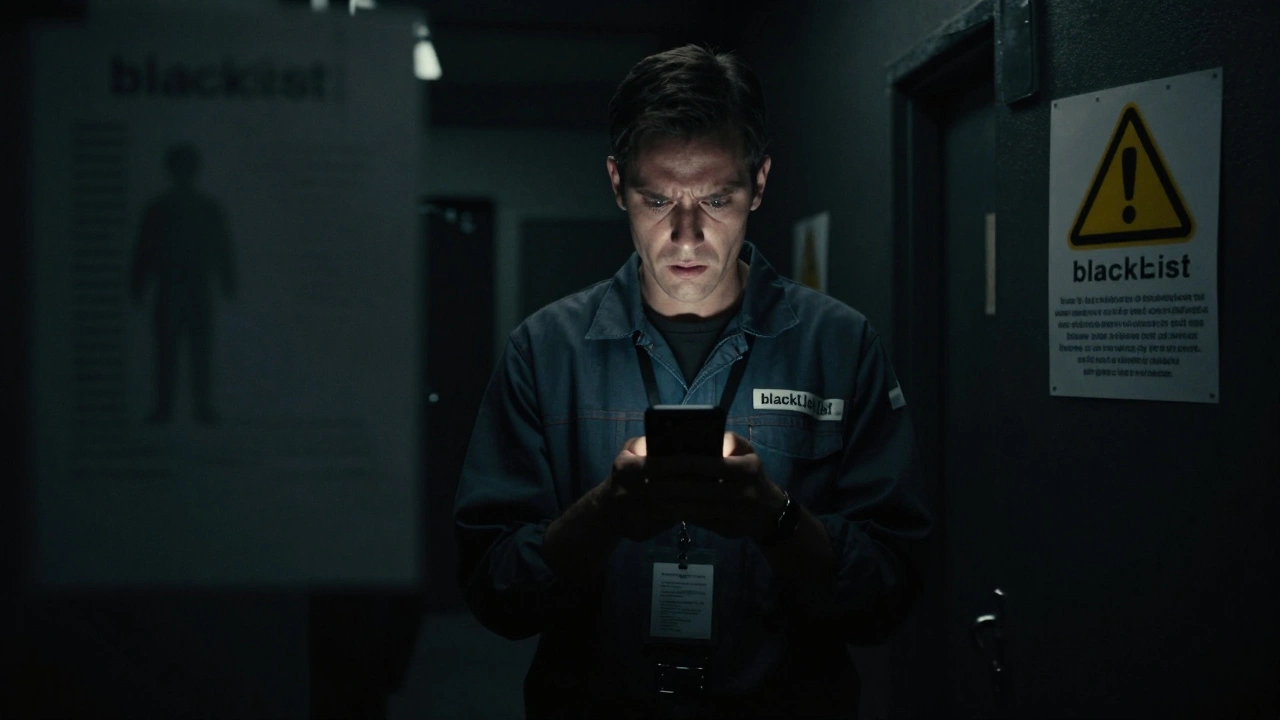

Imagine finding out your boss is running a forced labor scheme. You know you need to report it, but you also know that speaking up could cost you your income, your reputation, or even your safety. For workers in the adult entertainment industry, a sector often shrouded in secrecy and stigma, this fear is not hypothetical. It is a daily reality.
Whistleblower protections are legal safeguards designed to protect employees who report illegal activities, such as fraud, safety violations, or human trafficking, from retaliation by their employers. In most industries, these laws are well-known. In the adult industry, however, they are frequently misunderstood, underutilized, or outright ignored due to the unique power dynamics and social stigma involved. This guide breaks down how these protections work, why they matter for preventing trafficking, and how workers can safely report abuse without falling victim to retaliation.
The Unique Risks of Whistleblowing in the Adult Sector
The adult industry operates differently from traditional workplaces. There is no standard HR department to complain to, and many workers operate as independent contractors rather than employees. This structural ambiguity creates a dangerous gap in protection. When a worker reports coercion, non-payment, or unsafe conditions, they often face immediate blacklisting. Blacklisting is an informal practice where industry insiders share lists of "troublemakers," effectively banning them from future work across multiple platforms and agencies.
This fear of being silenced is exactly what predators exploit. Traffickers rely on the belief that victims have nowhere to turn. They use contracts that include strict non-disclosure agreements (NDAs) and threats of defamation lawsuits to keep workers quiet. Understanding that whistleblower protections exist-and that they apply even in this niche sector-is the first step in breaking that cycle of silence. The law does not care about the nature of the work; it cares about the illegality of the employer's actions.
Federal Laws That Protect Workers
Several federal laws provide a safety net for workers in the adult industry. These laws are enforced by various government agencies and offer different avenues for recourse depending on the type of violation.
- The Fair Labor Standards Act (FLSA): This law sets minimum wage, overtime pay, and child labor standards. Crucially, Section 215 of the FLSA explicitly prohibits employers from firing or discriminating against employees who file complaints or participate in proceedings regarding wage and hour violations. Many adult performers are misclassified as independent contractors to avoid paying minimum wage or overtime. If you are controlled by an employer’s schedule and tasks, you may be an employee entitled to these protections.
- The National Labor Relations Act (NLRA): The NLRA protects the right of employees to engage in "concerted activity" for mutual aid or protection. This means discussing wages, working conditions, or safety concerns with coworkers is protected activity. An employer cannot fire you for talking about unfair treatment with other workers.
- The Trafficking Victims Protection Act (TVPA): Enacted in 2000 and reauthorized several times since, the TVPA is the cornerstone of anti-trafficking legislation in the United States. It defines sex trafficking and labor trafficking and provides specific remedies for victims, including back wages, damages, and access to justice. Importantly, it allows for civil suits against traffickers and provides visa options for foreign nationals who are victims of severe forms of trafficking.
These laws create a framework where reporting illegal activity is not just a moral choice but a legally supported action. The Department of Labor (DOL) and the Department of Justice (DOJ) are the primary enforcers of these statutes, offering investigative powers that individual workers do not possess.
State-Level Protections and Local Resources
While federal laws set the baseline, state laws often provide stronger protections. Some states have specific whistleblower statutes that cover a broader range of illegal activities than federal law. For example, California’s Labor Code includes robust provisions protecting employees who disclose information about violations of state or federal laws. New York has similar laws that protect workers from retaliation when they report safety hazards or wage theft.
Local resources play a critical role in supporting whistleblowers. Non-governmental organizations (NGOs) like the Polaris Network and local coalitions against trafficking offer free legal assistance, counseling, and safety planning. These organizations understand the nuances of the adult industry and can help navigate the complex process of filing a complaint without exposing the worker to unnecessary risk. They often serve as intermediaries between the worker and law enforcement, ensuring that the worker’s identity is kept confidential whenever possible.
| Feature | Federal Laws (e.g., FLSA, TVPA) | State Laws (e.g., CA, NY) |
|---|---|---|
| Scope of Coverage | Nationwide; applies to interstate commerce | Varies by state; may cover more local businesses |
| Types of Violations | Wage theft, trafficking, safety violations | Can include discrimination, privacy violations, specific industry abuses |
| Enforcement Agency | DOL, DOJ, EEOC | State Labor Departments, Attorney General’s Office |
| Statute of Limitations | Typically 2-6 years depending on the law | Varies widely; some states have longer windows |
| Confidentiality | Protected in investigations; anonymity not guaranteed in court | Often stricter privacy laws for complainants |

Identifying Retaliation and Illegal Conduct
Knowing what constitutes illegal conduct is half the battle. In the adult industry, red flags often include:
- Withholding Pay: Employers or agencies keeping earnings under the guise of "fees" or "marketing costs" without prior written agreement.
- Coercion: Threats to release private content if the worker leaves or complains.
- Safety Violations: Refusal to provide condoms or regular STI testing, or forcing workers to perform acts they have consented to opt out of.
- Document Confiscation: Holding passports, IDs, or green cards to prevent workers from leaving. This is a clear sign of trafficking.
Retaliation takes many forms. It is not just about being fired. It can include sudden cuts in hours, exclusion from desirable assignments, public smear campaigns, or physical intimidation. If you experience any of these actions after raising a concern, document everything. Keep a detailed log of dates, times, witnesses, and communications. Save emails, text messages, and DMs. This evidence is crucial for proving that the adverse action was a direct result of your protected activity.
Steps for Safe Reporting
Reporting abuse requires careful planning to ensure your safety and the strength of your case. Here is a step-by-step approach:
- Secure Your Evidence: Before making any moves, gather all documentation. Use secure, encrypted storage solutions. Do not store sensitive files on devices owned by your employer or shared devices.
- Consult an Attorney: Seek legal counsel specializing in employment law or trafficking. Many NGOs offer free initial consultations. An attorney can help you understand your rights and the best agency to contact.
- Choose the Right Agency: Depending on the violation, you might file a complaint with the Department of Labor (for wage issues), the FBI (for trafficking), or a state labor board. Your attorney can guide this decision.
- Request Confidentiality: When filing a complaint, explicitly request that your identity be kept confidential. While anonymity is not always guaranteed, agencies have protocols to protect whistleblowers during investigations.
- Create a Safety Plan: Work with a support organization to develop a safety plan. This may include changing your online presence, securing new housing, or obtaining a restraining order if necessary.
Remember, you do not have to go it alone. Support networks exist specifically to help workers in high-risk industries navigate these challenges. The goal is to remove the abuser from power while ensuring you remain safe and financially stable.

The Role of Technology in Protection
Technology plays a dual role in the adult industry: it facilitates exploitation but also offers tools for protection. Secure communication apps like Signal or Wickr allow workers to communicate with advocates and lawyers without fear of surveillance. Blockchain-based payment systems can provide transparent records of transactions, making it harder for employers to withhold pay without a paper trail.
Additionally, digital evidence preservation tools can help workers save screenshots, videos, and chat logs in a way that is admissible in court. These tools timestamp and hash data, proving that it has not been altered. As the industry evolves, so too must the tools we use to protect ourselves. Embracing secure technology is a proactive step in safeguarding your career and your life.
Building a Culture of Accountability
Individual actions are powerful, but systemic change requires collective effort. Worker cooperatives and unions are emerging in the adult industry to provide peer support and collective bargaining power. By organizing, workers can establish industry-wide standards for safety, pay, and respect. These groups often have legal funds to support members who face retaliation, reducing the individual burden of whistleblowing.
Educating consumers is also part of the solution. Platforms that prioritize ethical sourcing and worker safety attract conscientious users. By demanding transparency from platforms and producers, the market can shift towards practices that respect worker rights. Whistleblower protections are not just about punishing bad actors; they are about creating an environment where good practices are the norm.
Are independent contractors protected by whistleblower laws?
This is a complex area. Traditionally, whistleblower laws like the FLSA apply to employees, not independent contractors. However, courts increasingly look at the "economic reality" of the relationship. If your employer controls your schedule, provides equipment, and dictates how you work, you may be considered an employee regardless of your contract title. Consult an attorney to determine your classification.
What happens if I am falsely accused of being a whistleblower?
Employers sometimes claim that termination was for performance reasons rather than retaliation. This is known as a "pretext." To counter this, you need strong evidence showing that the timing of your termination coincides with your protected activity. Documentation of prior positive performance reviews and consistent treatment before the complaint is crucial.
Can I remain anonymous when reporting trafficking?
Yes, to a large extent. Law enforcement agencies like the FBI and Homeland Security Investigations have protocols to protect the identity of victims and whistleblowers. While your name may eventually become public if a case goes to trial, investigators will take significant steps to shield your identity during the initial investigation and prosecution phases.
How long do I have to file a whistleblower complaint?
The statute of limitations varies by law. For FLSA wage claims, you generally have two years from the date of the violation, or three years if the violation was willful. For trafficking cases under the TVPA, the window can be longer, especially if the victim was a minor or under duress. Always act quickly and consult legal experts to ensure you do not miss critical deadlines.
What resources are available for financial assistance during a case?
Legal battles can be expensive. Organizations like the Polaris Network and local victim advocacy groups often provide emergency financial assistance, including housing, food, and transportation. Some legal aid societies offer pro bono representation for trafficking and labor rights cases. Additionally, successful whistleblower cases may result in restitution payments from the employer, which can help cover legal fees.