

Quick Safety Checklist
- Mandatory government ID upload with holographic verification.
- Liveness checks (facial movement) to prevent static photo fraud.
- Cross-referencing IDs against global sanctions and watchlists.
- Direct communication channels for creators to report coercion.
- Regular audits of verification logs by third-party compliance experts.
The Shift from Static IDs to Biometric Proof
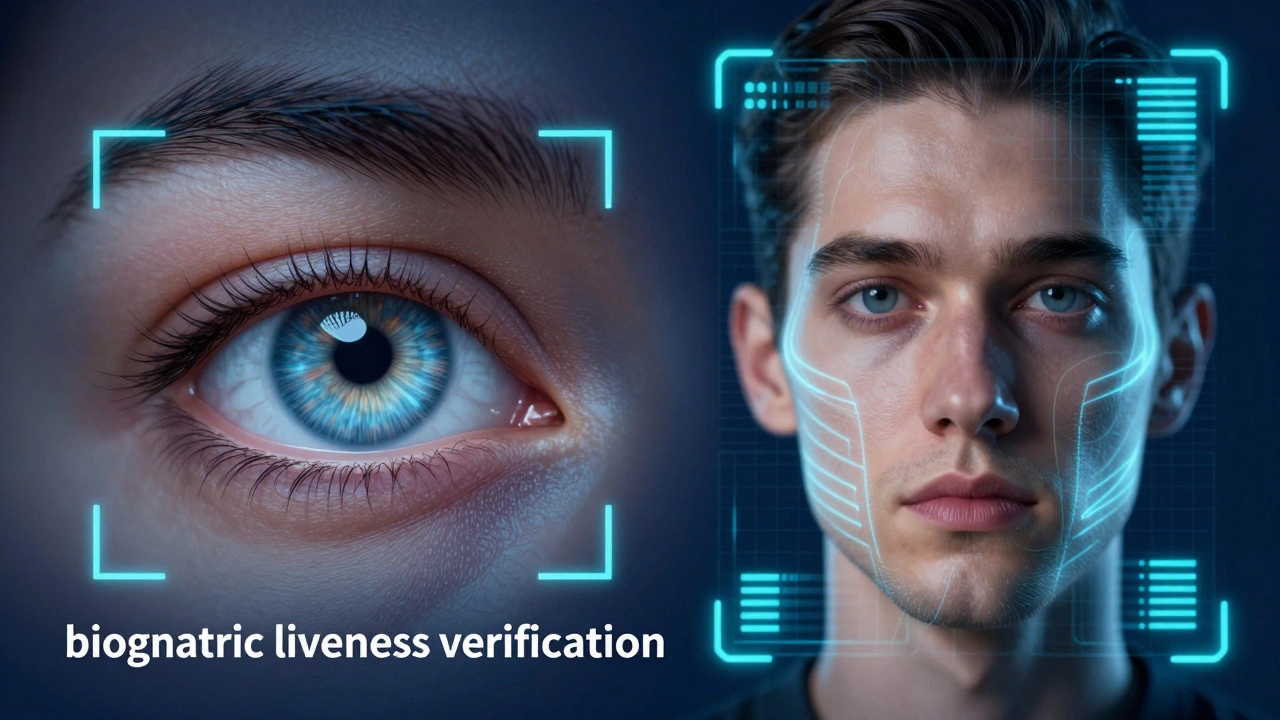
For years, platforms relied on a photo of a passport or a driver's license. But here is the problem: you can buy a high-quality fake ID on the dark web for under $100, or simply steal a photo of one from a leaked database. This is where Biometric Verification comes in. Instead of just looking at a card, you're looking at the person. Modern systems use a "liveness check." This asks the user to blink, turn their head, or say a specific phrase into the camera. This ensures the person on the screen is the same person on the ID and, more importantly, that they are actually alive and present. If a trafficker is trying to upload a stolen ID and a pre-recorded video of a victim, the liveness check will fail because the AI can detect the lack of genuine 3D depth and spontaneous movement. This is a critical layer in age verification that moves the needle from "guessing" to "knowing."
Implementing Robust Identity Mapping
Verification isn't a one-time event; it's a continuous process. You need to establish a clear link between the person's legal identity and their online persona. This involves using KYC (Know Your Customer) protocols, which are standard in the banking world but essential for adult productions. When a creator signs up, the system should not only verify the ID but also check the metadata of the upload. Is the ID from a country known for high trafficking rates? Was the photo taken five minutes ago, or was it uploaded from a cloud folder? Using OCR (Optical Character Recognition) technology allows platforms to instantly extract data from IDs and compare it against public records. If the name on the ID doesn't match the payment account name, that's a massive red flag for coercion or money laundering.
| Method | Security Level | User Friction | Trafficking Prevention |
|---|---|---|---|
| Photo ID Upload | Low | Low | Very Low (Easy to fake) |
| Database Matching | Medium | Low | Medium (Prevents some stolen IDs) |
| Biometric Liveness | High | Medium | High (Confirms presence) |
| Video Interview/Vetting | Very High | High | Very High (Can spot coercion) |
Identifying Signs of Coercion and Trafficking
Identity documents tell you who a person is, but they don't tell you if that person is acting of their own free will. Traffickers often have the victims' real IDs to make everything look legal. This is where behavioral analysis and "canary" checks become vital. Watch for signs like the "handler" presence. If a creator is being coached during a verification video or if their eyes are constantly darting to someone off-camera, that is a red flag. Many platforms are now implementing "safe words" or private surveys during the onboarding process. For example, asking a creator, "Do you have full control over your bank account?" in a way that can't be seen by someone standing behind them. If the answer is "no," the system should immediately flag the account for a manual safety review by a human specialist trained in Human Trafficking indicators.
The Role of Third-Party Compliance Services
Most platform owners aren't security experts, and that's okay. Trying to build a verification engine from scratch is a recipe for disaster. Instead, partnering with Identity Service Providers (IDSPs) allows you to offload the risk. These companies specialize in maintaining updated databases of fraudulent documents and the latest AI spoofing techniques. By using an API-based approach, the platform never actually stores the sensitive government ID on its own servers. This reduces the risk of data breaches and ensures compliance with GDPR and other privacy laws. The IDSP simply sends back a "verified" or "failed" status. This separation of concerns is the gold standard for protecting both the company and the creator's private data.

Managing Long-Term Consent and Record Keeping
Verification isn't just about the first day. Consent can be withdrawn at any time, and laws regarding adult content-like the 18 U.S.C. § 2257 record-keeping requirements in the US-are incredibly strict. You must maintain a permanent, auditable trail that proves every person appearing in a video was an adult at the time of filming. This means timestamping every piece of content with a unique ID linked to the verification record. If a creator decides to leave the platform, their records must be archived securely. A failure to produce these records during a government audit can lead to the immediate shutdown of the business and criminal charges for the owners. The best practice is to use a digital vault that links content hashes to verified identities, ensuring that the proof of age is immutable and cannot be altered after the fact.
Can AI be used to spoof liveness checks?
Yes, advanced deepfakes can occasionally fool basic liveness checks. This is why the best systems use "active liveness," where the user must perform a random, unpredictable action (like following a dot on the screen with their eyes) rather than a simple blink. Multi-modal verification-combining biometrics with ID data and device fingerprinting-makes it nearly impossible for AI to bypass the system.
What should I do if I suspect a creator is being trafficked?
Immediately freeze the account and the payouts. Do not alert the creator via a public channel, as the trafficker may be monitoring their messages. Use a secure, private channel to offer help or contact local law enforcement and anti-trafficking organizations. Document all evidence, including IP addresses and communication logs, to assist in a legal investigation.
Is it legal to ask for a government ID for age verification?
In most jurisdictions, yes, provided you have a legal basis for doing so and you handle the data according to privacy laws like GDPR or CCPA. In the adult industry, this is often a legal requirement to prevent the distribution of illegal content. Always provide a clear privacy policy explaining how the ID will be stored and when it will be deleted.
How often should identity records be audited?
Internal audits should happen monthly, with a comprehensive third-party audit conducted annually. This ensures that no one on the internal team is bypassing checks for "preferred" creators and that the verification software is still catching the latest types of fraudulent IDs.
Does 2257 apply to creators who are independent?
Yes, if they are producing and distributing content. While the burden is often higher for the platform hosting the content, individual producers are still responsible for maintaining records that prove the age of everyone involved in the production to avoid federal penalties.
Next Steps for Platform Owners
If you're currently using a simple image upload, your first priority is to move to a biometric provider. Start by auditing your current creators-anyone who hasn't passed a liveness check in the last six months should be flagged for re-verification. Next, implement a "safety-first" onboarding flow that includes questions about coercion. Finally, ensure your record-keeping is automated. Manually tracking PDFs in a folder is a huge legal risk; move to a dedicated compliance vault that links identities to content automatically.