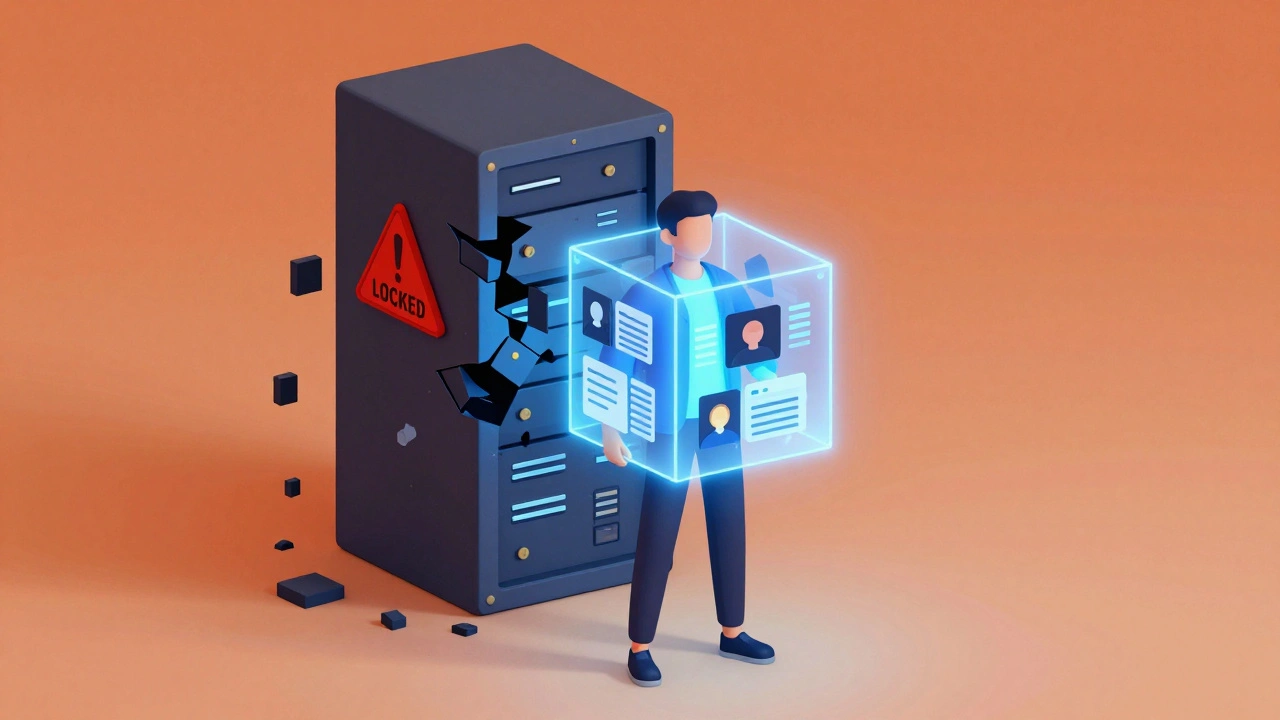

You spent years building your audience. You uploaded thousands of videos, photos, and exclusive messages. Then, the platform changed its terms, banned your account, or simply shut down overnight. If you’re an adult content creator, this isn’t just a hypothetical nightmare-it’s a recurring reality. The difference between losing everything and retaining control comes down to one technical concept: data portability.
Data portability is the right and ability for users to retrieve their personal data from a service provider in a structured, commonly used, and machine-readable format, allowing them to move that data to another provider without hindrance. For most internet users, this means exporting a list of friends or a few emails. For adult creators, it means saving your entire livelihood-your subscriber lists, payment histories, media files, and community interactions.
The Stakes Are Higher Than You Think
When a regular user leaves Facebook, they lose connections but keep their life. When an adult creator loses access to their primary platform, they often lose their income source instantly. This asymmetry creates a power imbalance known as platform lock-in. Platforms benefit when creators cannot easily leave because switching costs are too high. You might worry about losing search ranking, breaking links with fans, or facing a cumbersome export process that takes weeks.
This lock-in allows platforms to enforce arbitrary rules. If you know you can’t take your audience elsewhere, you have less leverage to negotiate fair revenue splits or appeal unfair bans. Ethical platform governance starts by acknowledging that the data generated by the interaction between creator and consumer belongs primarily to those individuals, not the corporation hosting the server.
What Actually Constitutes "Your" Data?
To exercise portability, you first need to understand what counts as portable data. It’s not just the video file you uploaded. In the context of adult content creation, your data ecosystem includes several critical layers:
- Media Assets: High-resolution images, video files, and audio recordings stored on the platform’s servers.
- Metadata: Titles, tags, descriptions, upload dates, and category classifications that help algorithms find your work.
- Relational Data: Subscriber lists, follower counts, direct message histories (where privacy laws permit), and tip amounts.
- Financial Records: Transaction histories, payout schedules, and tax documents required for independent contractor status.
Most platforms make downloading media assets relatively easy. The real friction point is relational data. Moving your subscriber base from one subscription-based site to another is technically difficult because these platforms treat user relationships as proprietary intellectual property. They argue that the community exists *because* of their interface, so the data belongs to them. This argument fails ethical scrutiny because the relationship was built on your personal brand and effort, not their software code.
Technical Barriers to Migration
Even if a platform agrees to give you your data, the format matters. Many services provide exports in proprietary formats that are nearly impossible to import into competing systems. Imagine receiving your subscriber list as a PDF screenshot rather than a CSV file. You would have to manually type every email address-a task that invites errors and discourages migration entirely.
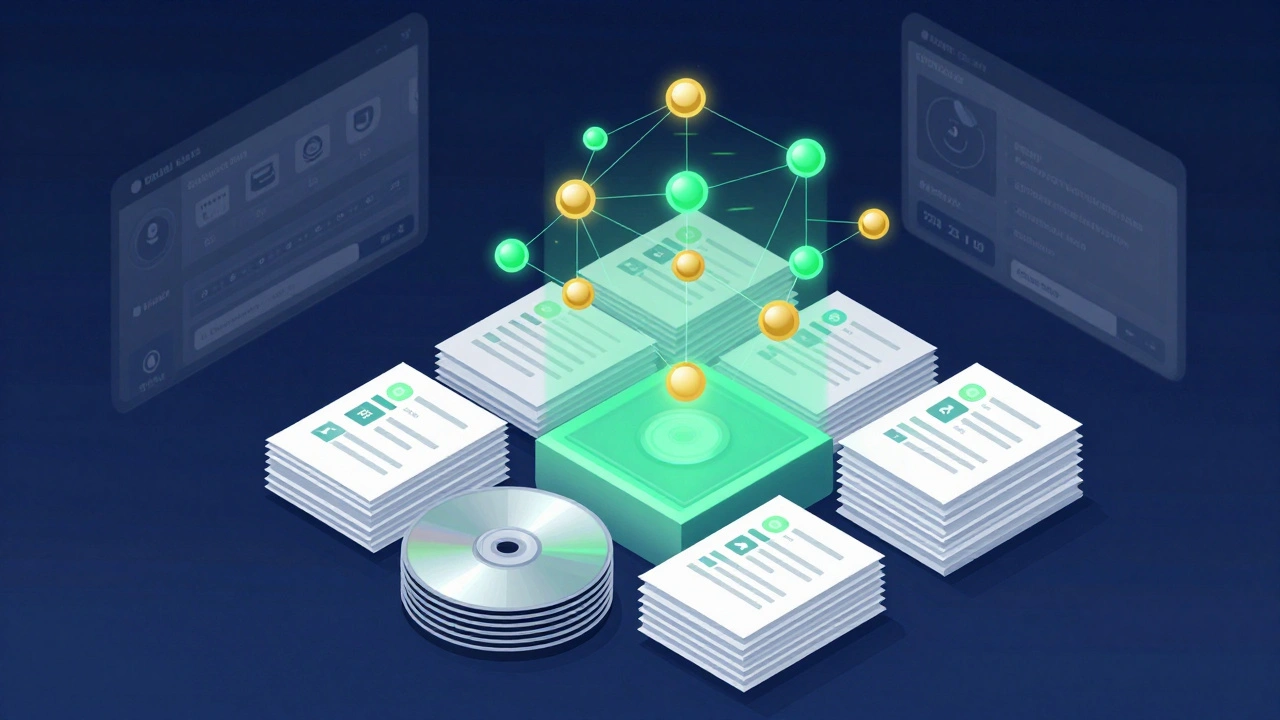
Ethical interoperability requires standardized data structures. The tech industry has developed standards like ActivityPub and WebFinger for social media, allowing different networks to communicate. While adult platforms rarely adopt these open protocols due to payment processing complexities, the principle remains the same. A platform acting ethically will provide exports in universal formats like JSON or XML, complete with schema definitions that explain what each field represents.
Consider the case of image hosting sites. When a major image board shuts down, creators who backed up their metadata alongside their images can migrate to new hosts within hours. Those who didn’t spend months re-tagging thousands of posts. The barrier isn’t just the file size; it’s the loss of context. Without proper metadata, your content becomes invisible to search engines and recommendation algorithms on the new platform.
Privacy vs. Portability: The Delicate Balance
A common objection to data portability in the adult industry is privacy. Critics argue that giving creators full access to subscriber data could lead to doxxing or harassment if that data leaks. This concern is valid but misplaced. The risk doesn’t come from portability itself; it comes from poor security practices during the transfer process.
Ethical approaches distinguish between identifiable data and anonymized data. When migrating to a new platform, you shouldn’t necessarily need to export raw email addresses of your subscribers. Instead, you can use invitation-only systems where existing fans receive a unique link to join your new profile. This preserves the relationship without exposing sensitive contact information to potential breaches.
Furthermore, GDPR and CCPA regulations already mandate that companies provide mechanisms for data deletion and export. These laws recognize that users own their digital footprint. Adult platforms operating globally must comply with these frameworks anyway. Using compliance as an excuse to block portability is a legal risk for platforms, not a protection for users.
Why Platforms Resist Giving Up Control
If portability is good for creators and legally required in many jurisdictions, why do platforms fight it? The answer lies in network effects. A platform’s value increases with the number of users it holds. By making it hard to leave, they artificially inflate their perceived value. Investors look at user retention rates, not user satisfaction scores.
Additionally, there is the cost of infrastructure. Storing petabytes of video content is expensive. Platforms worry that if they allow easy downloads, creators will hoard copies and then delete their accounts to save storage fees. However, this fear ignores the reality of cloud economics. Most creators don’t have the bandwidth to download terabytes of data quickly. More importantly, the threat of leaving forces platforms to improve their service quality. Competition drives innovation; monopolies drive stagnation.
Some platforms also claim that their algorithms are part of the product. They argue that removing a creator removes the training data that makes their recommendation engine better. This is a false equivalence. Algorithmic improvement should never trump fundamental human rights to self-determination and economic freedom. Your body and your labor are not free training data for AI models.

Practical Steps for Creators Today
You don’t need to wait for perfect legislation to protect yourself. Here are actionable steps to ensure your data remains portable regardless of platform behavior:
- Maintain Local Backups: Never rely solely on cloud storage. Use external hard drives or decentralized storage solutions to keep copies of your original media files.
- Export Metadata Regularly: Check your platform’s settings for data export options. Download your metadata quarterly. Store it in a secure, encrypted folder.
- Build an External Landing Page: Create a simple website or landing page that links to all your platforms. This ensures that even if one platform vanishes, your audience knows where to find you next.
- Use Universal Email Lists: If possible, grow an email newsletter independently of your content platforms. Email addresses are truly portable and owned by you.
- Document Terms of Service Changes: Keep screenshots of policy updates. If a platform suddenly restricts data access, having proof of prior agreements can help in disputes or public advocacy.
The Future of Ethical Platform Governance
The conversation around adult creator data is shifting from moral judgment to structural ethics. We are seeing the rise of creator-owned cooperatives and decentralized applications (dApps) that prioritize user sovereignty. These models experiment with token-gated communities where the creator controls the smart contract logic, not a central corporate entity.
While blockchain solutions offer promise, they introduce new complexities regarding censorship resistance and transaction fees. The ideal future likely involves hybrid models: traditional platforms that adhere to strict portability standards, combined with personal websites that serve as the ultimate home base for data.
Regulators are beginning to notice. The EU’s Digital Markets Act explicitly targets "gatekeeper" platforms, requiring them to facilitate data switching. As these regulations spread, adult platforms will face increasing pressure to standardize their export processes. Until then, creators must advocate for themselves by demanding transparency and refusing to accept walled gardens as permanent residences.
Can I legally force a platform to give me my subscriber list?
In regions covered by GDPR (Europe) or CCPA (California), you have the right to request a copy of your personal data, which may include subscriber interactions depending on how the platform classifies that data. However, platforms often redact personally identifiable information (PII) of other users to protect their privacy. You typically cannot get raw email addresses of subscribers unless the platform explicitly allows it via an invitation system.
What is the best format for backing up my content metadata?
JSON or CSV are the most versatile formats. JSON is preferred for complex nested data like tags and comments, while CSV works well for flat lists like titles and dates. Ensure the file includes clear headers describing each column so you can map the data correctly when importing it to a new platform.
Does deleting my account erase my data immediately?
Not always. Most platforms retain backups for disaster recovery purposes for a period ranging from 30 to 90 days. During this window, you can sometimes recover your account if you change your mind. After this period, data is usually purged from active servers but may remain in cold storage archives for legal compliance reasons.
How can I move my audience from one platform to another without losing them?
The most effective method is using an external communication channel like email newsletters or Discord servers. Promote your new platform link through these channels. Additionally, use cross-posting tools to share previews on multiple platforms simultaneously, directing traffic to your primary destination.
Are there any platforms that currently support full data portability?
Few mainstream adult platforms offer seamless migration tools due to competitive barriers. However, some decentralized platforms and niche communities are beginning to implement ActivityPub standards, allowing for easier movement between compatible networks. Always check the platform's API documentation and data export policies before committing significant time to building an audience there.