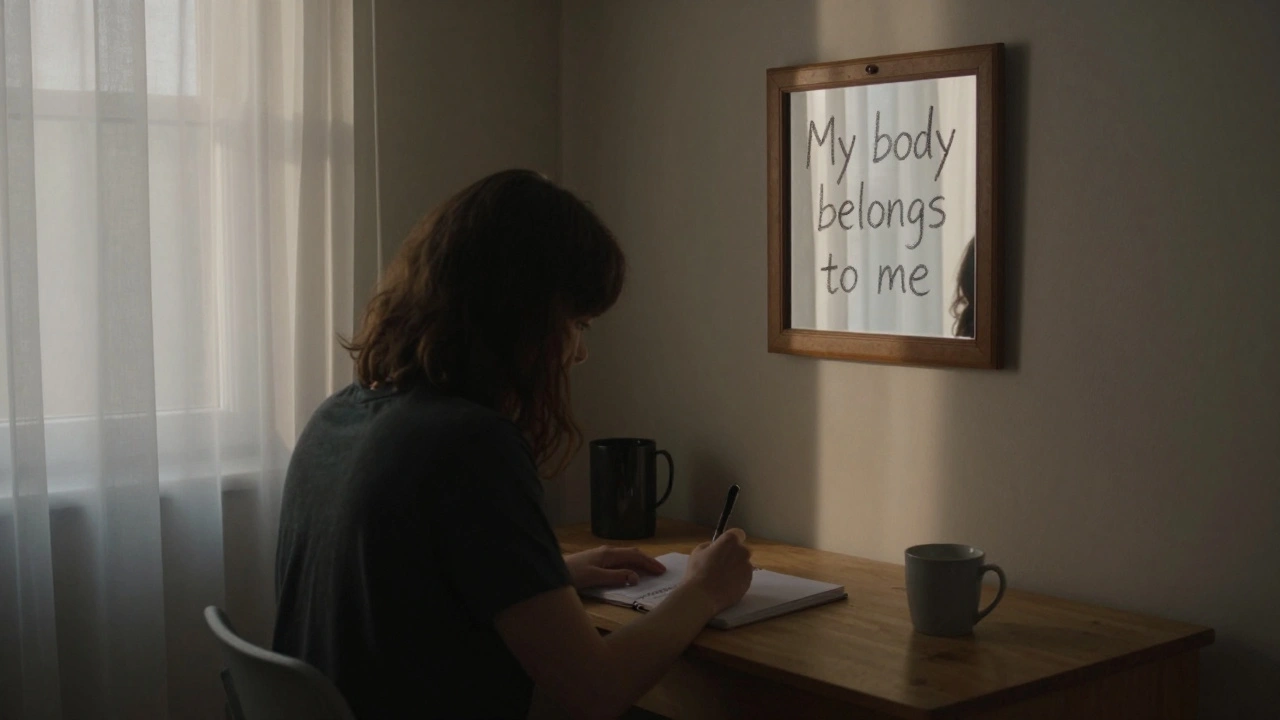

Being an adult performer isn’t just about the work you do on camera. It’s about showing up every day - emotionally, mentally, and physically - when the world doesn’t always understand you. Many people assume it’s all confidence and glamour, but the truth is harder: long hours, judgment, isolation, and the constant need to prove your worth. That’s why resilience isn’t optional. It’s survival.
Resilience Isn’t Just Toughing It Out
Resilience doesn’t mean ignoring your feelings or pushing through pain. That’s burnout waiting to happen. Real resilience is knowing when to rest, when to ask for help, and how to rebuild after setbacks. It’s the quiet practice of showing up for yourself even when no one else is watching.
One performer I know, Maya, started her career thinking she had to be invincible. She skipped therapy, avoided talking about stress, and thought self-care was selfish. Within a year, she was exhausted, anxious, and nearly quit. Then she tried something different: five minutes of journaling every morning. Not about work. About how she felt. Just three sentences. That small habit changed everything. She started sleeping better. She stopped dreading calls. She began to feel like herself again.
The Mindset Shift: From Survival to Self-Ownership
Most performers grow up hearing messages like: "You’re too much," "No one will take you seriously," or "This isn’t real work." Those voices stick. They whisper during quiet moments, making you doubt your worth even when you’re earning well or loved by fans.
Building resilience starts with replacing those lies with truths. Not just any truths - the ones you prove to yourself daily. For example:
- "My value isn’t tied to how many views I get."
- "I don’t need permission to set boundaries."
- "My body belongs to me - not the algorithm, not the client, not the comment section."
Write these down. Say them out loud. Put them on your mirror. Repeat them when you’re tired or scared. Over time, they become your inner voice. And that voice? It’s the foundation of real resilience.

Habits That Keep You Grounded
You can’t build resilience on willpower alone. You need routines that anchor you. These aren’t fancy wellness trends. They’re simple, repeatable, and real.
- Move your body every day - even if it’s just walking around the block. Movement resets your nervous system. It tells your brain: "I’m still here. I’m still alive."
- Protect your sleep - no exceptions. If you’re working late, make your wind-down ritual sacred. No screens. No work talk. Just dim lights, tea, or music.
- Limit comparison - scrolling through other performers’ lives isn’t inspiration. It’s emotional pollution. Curate your feed. Unfollow anyone who makes you feel smaller.
- Connect with your body - not as a tool for work, but as a home. Stretch. Massage your feet. Take a hot bath. These aren’t luxuries. They’re repairs.
- Keep a wins log - not big milestones. Tiny ones. "I said no to a shoot I wasn’t comfortable with." "I called my sister and didn’t apologize for my job." Write them down. Read them when you’re low.
These habits don’t fix everything. But they keep you from falling apart. They’re your daily maintenance.
Community Isn’t a Luxury - It’s a Lifeline
Isolation is the silent killer in this industry. You think you’re alone. You’re not. But you won’t know that unless you reach out.
There are private Facebook groups, Discord servers, and local meetups where performers talk about everything: taxes, mental health, dealing with nosy family members, how to handle a bad shoot. These aren’t gossip circles. They’re lifelines.
One performer in Portland started a monthly coffee meet-up for local performers. No agenda. Just chairs, coffee, and silence if needed. Some weeks, no one spoke. Others, they cried. But everyone left feeling less alone. That’s the power of community - not because it fixes your problems, but because it reminds you: you’re not the only one carrying this.
Find your people. Even one person who gets it. Someone who doesn’t ask you to explain your job. Someone who says, "I get it," and just sits with you.

When You Hit a Wall
Everyone hits a wall. Maybe it’s after a bad review. Maybe it’s after a family member finds out. Maybe it’s just… nothing. You wake up and feel empty.
Here’s what works when the weight feels too heavy:
- Call someone. Not to vent. Just to say: "I’m struggling." No need to explain why.
- Take 24 hours off. No work. No social media. Just rest. You’re allowed.
- Write a letter to your younger self. Tell her what you wish you’d known then. Then burn it. Or keep it. It doesn’t matter. The act does.
- Go to therapy. Not because you’re broken. Because you’re human. And humans need support.
There’s no shame in needing help. In fact, asking for it is one of the strongest things you can do.
Resilience Is a Practice, Not a Goal
You won’t wake up one day and suddenly be "resilient." That’s not how it works. It’s built in small moments: saying no, resting when you’re tired, reaching out when you’re scared, showing up even when you don’t feel like it.
It’s the performer who cancels a shoot because she’s emotionally drained. It’s the one who starts therapy after five years of silence. It’s the one who joins a group and says, "I’m tired," and no one laughs.
Resilience isn’t about being unbreakable. It’s about learning how to mend - gently, patiently, with help - when you do break.
You’re not alone. And you don’t have to do this alone.
Can resilience be learned, or is it something you’re born with?
Resilience isn’t a trait you’re born with - it’s a skill you build. Like muscle, it grows through use. Studies from the American Psychological Association show that people who practice self-compassion, maintain social connections, and engage in regular self-care develop stronger emotional resilience over time. It’s not about being tough. It’s about being consistent.
What if I don’t have a support system?
You don’t need a big group to start. One person who listens without judgment is enough. Online communities for adult performers - like the ones on Discord or Reddit - are full of people who’ve been where you are. Start by reading. Then reply to one post. You don’t have to share your whole story. Just say, "I’m trying to do better for myself." That’s enough to begin.
How do I stop feeling guilty about taking time off?
Guilt often comes from internalized messages: "You’re not real if you’re not always working." But your worth isn’t measured in output. Rest isn’t laziness - it’s repair. Think of your body like a smartphone: if you never let it charge, it dies. Taking time off isn’t quitting. It’s recalibrating so you can keep going.
Is therapy worth it for someone in this industry?
Yes - especially if you’re dealing with shame, anxiety, or trauma. Many therapists specialize in sex work and understand the unique pressures performers face. Look for providers listed on the Woodhull Freedom Foundation or SWOP (Sex Workers Outreach Project). They offer sliding-scale fees and know how to talk about this work without judgment.
What if my family finds out and reacts badly?
You’re not obligated to explain yourself. Your job doesn’t define your worth as a person. Some family members need time. Others may never understand. That’s okay. Focus on the people who see you - not just your work. Your chosen family matters just as much. And if you need space? Take it. Your peace is non-negotiable.