

If you're wondering how these audits actually work, it's not just a checklist. It's a rigorous process of stress-testing systems and interviewing staff to ensure that adult platform safety is a built-in feature, not an afterthought.
Quick Takeaways on Platform Auditing
- Audits move beyond self-reporting to verify actual safety outcomes.
- Scope covers everything from KYC (Know Your Customer) to content moderation accuracy.
- Methodologies rely on a mix of data sampling, API testing, and policy reviews.
- The goal is to identify "blind spots" that internal teams often miss.
What Exactly Is the Scope of a Safety Audit?
When an outside firm steps in, they don't just look at the homepage. They dive into the engine room. A comprehensive audit focuses on three main pillars: technical infrastructure, policy enforcement, and human oversight.
First, they look at Identity Verification is the process of ensuring that users are who they say they are, specifically to prevent minors from accessing adult content or creators from uploading stolen media. An auditor will check if the platform uses reliable KYC (Know Your Customer) protocols. For example, they might test if the system can be easily fooled by a low-quality Photoshop of an ID or if the platform is using automated AI tools that are too lenient.
Next, they examine the content moderation pipeline. This isn't just about seeing if a moderator clicked "delete" on a bad post. It's about the accuracy rate. Auditors will take a random sample of 10,000 pieces of content and see if the platform's internal team categorized them correctly. If the platform says they have a 99% accuracy rate in catching illegal content but the audit shows it's actually 82%, that's a massive red flag.
Finally, they look at the reporting mechanisms. Is the "Report" button hidden in a submenu? Does the platform actually respond to reports within the timeframe they promise? If a user reports a case of non-consensual content, does the system trigger an immediate freeze on the account, or does it sit in a queue for three days? These operational details determine whether a platform is actually safe or just pretending to be.
The Methodology: How Auditors Find the Gaps
Auditors don't just ask for a presentation; they demand evidence. They use a combination of qualitative and quantitative methods to get the truth. One common approach is the "Shadow User" technique. Auditors create fake accounts to see how the platform's algorithms react to borderline content. They try to upload content that barely violates the rules to see if the moderation AI is consistent or if it lets things slide randomly.
They also perform Gap Analysis is a method of comparing the actual performance of a system against its intended goals or industry standards. They take the platform's written Terms of Service and map every single rule to a specific technical control. If the rules say "No hate speech," but there is no specific keyword filter or reporting category for hate speech in the backend, there is a gap.
| Feature | Internal Review | Third-Party Audit |
|---|---|---|
| Perspective | Confirmation bias (proving it works) | Adversarial (trying to break it) |
| Data Access | Curated reports | Raw database logs and API access |
| Verification | Self-certification | Independent sampling and validation |
| Outcome | Internal memo | Public or regulator-facing certification |

Tackling the "Grey Areas" of Adult Content
Moderating adult content is way harder than moderating a knitting forum. The line between "consensual adult content" and "policy violation" can be incredibly thin. This is where auditors focus on Content Moderation is the process of screening user-generated content to ensure it adheres to platform guidelines and legal requirements.
A major part of the methodology involves reviewing moderator wellness. Why? Because a burnt-out moderator makes mistakes. If a platform has 500 people looking at graphic content for 10 hours a day without mental health breaks, the safety of the platform will eventually collapse. Auditors check for "wellness intervals" and psychological support systems. If the staff is miserable, the moderation is usually sloppy.
They also look at the hash database. Most safe platforms use a shared database of "known bad" content (like child sexual abuse material or CSAM). Auditors verify that the platform is actively syncing with global databases like those provided by the NCMEC (National Center for Missing & Exploited Children). If a platform isn't using these industry-standard hashes, they aren't just failing the audit; they're ignoring a basic safety requirement.
The Role of Algorithmic Transparency
Many platforms now use AI to flag content. The problem is the "black box" effect-even the engineers sometimes don't know why the AI flagged a specific video. Auditors push for algorithmic transparency. They ask for the training data used for the AI. Was the AI trained only on a small set of examples, or does it understand the nuances of different cultures and languages?
For instance, if an AI is trained to flag "nudity" but can't tell the difference between a medical photo and an adult photo, it creates a terrible user experience and misses actual danger. Auditors run adversarial tests, where they intentionally try to trick the AI using filters or slightly altered images to see where the system fails. This helps the platform build a more resilient shield.
From Audit to Action: Closing the Loop
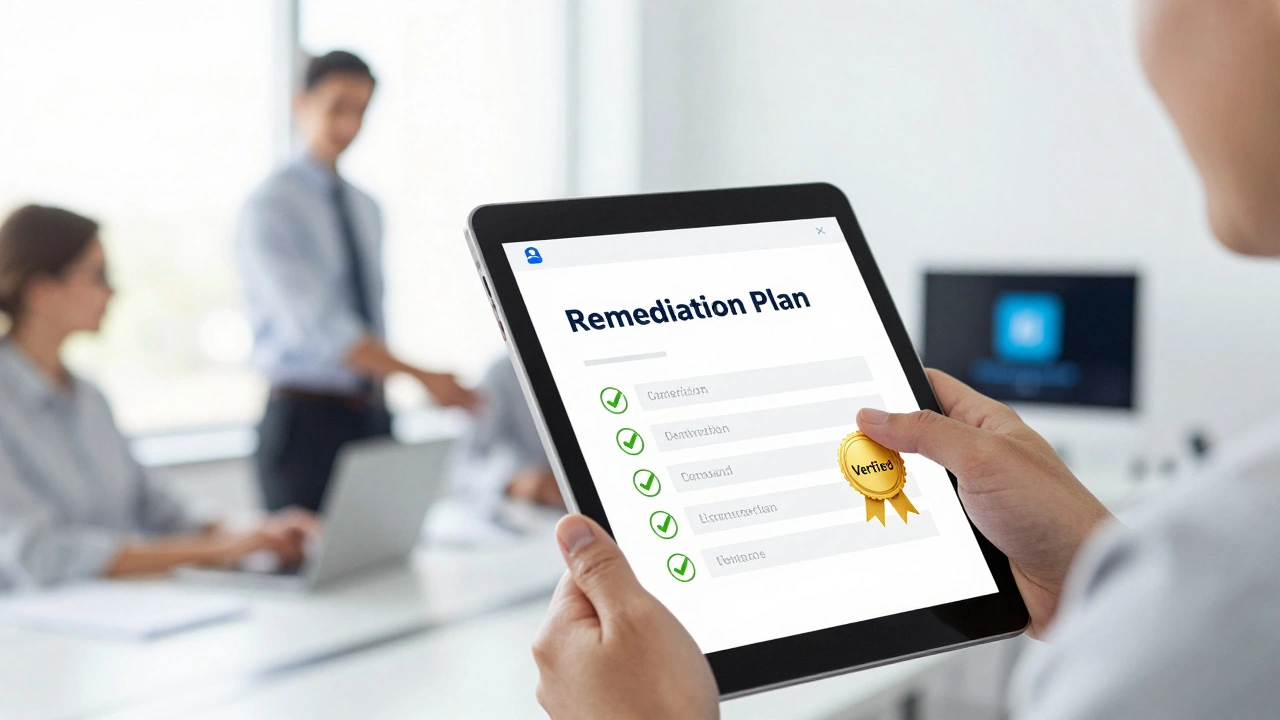
An audit that just ends with a PDF report is useless. The real value is in the Remediation Plan. Once the auditor finds a hole-say, a way to bypass the age gate using a specific browser exploit-the platform has a set amount of time to fix it. The auditor then comes back for a "re-test" to confirm the patch actually works.
This cycle is part of a broader Platform Governance is the framework of rules, practices, and processes by which a digital platform is directed and controlled. It transforms safety from a reactive game (fixing things after they break) to a proactive strategy. When a platform can show a verified audit trail, it builds trust with payment processors, advertisers, and most importantly, the creators who risk their livelihoods on the site.
Do third-party audits guarantee a platform is 100% safe?
No platform is 100% safe because bad actors are always finding new ways to abuse systems. However, an audit proves that the platform has a rigorous system in place to find and fix those vulnerabilities quickly. It's about reducing risk, not eliminating it entirely.
Who usually performs these audits?
They are usually performed by specialized cybersecurity firms, legal compliance agencies, or independent non-profits that focus on digital safety and human rights. These firms must be independent of the platform to avoid conflicts of interest.
How often should an adult platform be audited?
Ideally, a full-scale audit should happen annually. However, "delta audits" or targeted reviews should happen every quarter, especially after major feature updates or changes in regional laws (like new age-verification mandates in specific US states).
What happens if a platform fails its audit?
A failure usually results in a mandatory remediation period. If the platform refuses to fix critical vulnerabilities, they may lose their certification, which can lead to payment processors (like Visa or Mastercard) cutting off their services due to high risk.
Can users tell if a platform has been audited?
Some platforms display a "Safety Certified" badge or publish a summary of their audit findings in their Transparency Report. Users should look for these public-facing documents rather than trusting a simple "Safe" claim in the footer.
Next Steps for Platform Operators
If you're managing a platform and want to move toward a professional audit, start by documenting your current workflow. Don't try to hide the flaws-auditors are paid to find them. The more honest your internal documentation is, the more helpful the audit will be.
- Map your data flow: Know exactly where a user's ID goes and who has access to it.
- Audit your moderators: Check your turnover rates and mental health support.
- Test your reporting tools: Try to report a fake violation and see how long it takes to get a response.
- Hire an independent firm: Look for experts with experience in the adult industry specifically, as the legal requirements are unique.