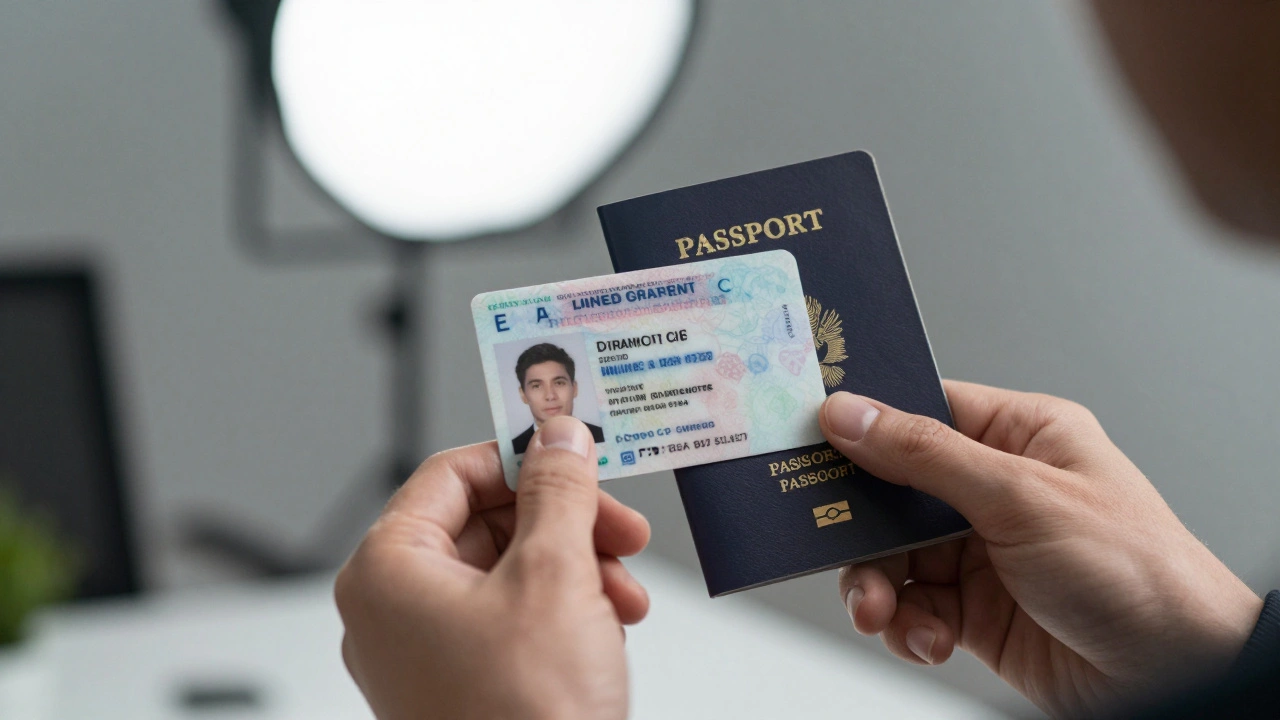

Walking onto a set or starting a remote shoot usually brings one immediate question to mind: what do I need to bring? For performers in the adult entertainment industry, the answer isn’t just your portfolio or your contract. It is your government-issued identification. The requirement stems from 18 U.S.C. § 2257, a federal law requiring producers of sexually explicit material to maintain records verifying the age and identity of all performers. While this statute was originally designed to combat child sexual abuse material (CSAM), it has evolved into a critical framework for performer protection and industry legitimacy. Understanding how this law works from a performer’s perspective is not just about legal compliance; it is about safeguarding your career, your privacy, and your future.
The Core Purpose of 2257 Compliance
To understand why you are handing over copies of your driver’s license or passport, you have to look at the intent behind the law. Passed in 1984 and significantly amended in 1994, Section 2257 mandates that any person who produces visual depictions of actual sex acts must keep specific records. These records must prove that every performer was at least 18 years old at the time of production. The burden of proof lies entirely with the producer, not the performer. However, the performer plays an active role by providing the necessary documentation.
This process serves two primary functions. First, it creates a paper trail that law enforcement can use to investigate allegations of underage involvement. Second, and perhaps more importantly for modern performers, it establishes a professional standard. When a studio or platform strictly adheres to these protocols, it signals that they operate within legal boundaries. This reduces the risk of association with illegal content, which can have devastating effects on a performer’s bankability and mental health. You are not just filling out a form; you are participating in a system designed to protect minors and legitimize the industry.
What Documents Are Accepted?
Not all forms of identification are created equal under federal guidelines. To satisfy the record-keeping requirements, a producer must obtain a copy of a valid, government-issued photo ID. The most common documents accepted include:
- Driver’s Licenses: Issued by any U.S. state or territory. The license must be current and unexpired at the time of the shoot.
- Passports: U.S. passports or passports issued by foreign governments. For non-U.S. citizens, a valid visa or work authorization may also be required depending on the producer’s internal policies.
- Military IDs: Valid military identification cards.
- State ID Cards: Non-driver identification cards issued by state agencies.
Documents that are generally not sufficient on their own include library cards, student IDs, or birth certificates without a photo. The key attribute here is verifiability. The ID must contain your full name, date of birth, and a photograph that matches your appearance. If your ID has expired, even by a day, a compliant producer should refuse it. Using an expired ID compromises the legal validity of the record and puts both you and the producer at risk.
| Document Type | Status | Reason |
|---|---|---|
| Valid Driver’s License | Accepted | Government-issued, photo, DOB, name |
| U.S. Passport | Accepted | Federal-issued, international standard |
| Expired ID | Rejected | No longer proves current legal status |
| Library Card | Rejected | Lacks government verification and security features |
| Social Security Card | Rejected | No photo, high risk of identity theft |
The Process: From Submission to Storage
How does your ID actually get processed? In a professional setting, the workflow is standardized to ensure security and compliance. When you arrive for a shoot, you will typically meet with a compliance officer or the director. They will ask to see your original ID to verify its authenticity. This step involves checking for holograms, watermarks, and other security features to ensure the document is not forged.
Once verified, the producer will make a copy or scan of the ID. This copy becomes part of the 2257 Record. According to federal regulations, these records must be kept for five years after the last transaction involving the material. This means your ID copy stays on file long after the video is released. The records must include:
- Your real first and last name.
- Your stage name (if different).
- Your date of birth.
- A description of the visual depiction (scene title, date of production).
- A copy of your government-issued ID.
It is crucial to understand that you do not have to provide your Social Security Number (SSN). Legitimate producers never require an SSN for 2257 compliance. If a company asks for your SSN, it is a major red flag. This request often indicates poor data security practices or potential misuse of your personal information. Your ID provides enough data to prove age and identity without exposing your financial or tax profile.
Performer Rights and Privacy Concerns
Many performers worry about privacy. Handing over a copy of your driver’s license feels invasive. This concern is valid, but there are protections in place. Federal law prohibits the disclosure of these records to the public. They are only accessible to authorized federal agents upon presentation of a subpoena or court order. Furthermore, the records cannot be used for any purpose other than verifying compliance with the law.
As a performer, you have the right to know who is handling your data. Reputable studios and platforms will have clear privacy policies outlining how they store and destroy these records. Digital storage has become the norm, with encrypted servers replacing physical filing cabinets. This reduces the risk of loss or unauthorized access. However, digital systems are not immune to breaches. Always ask questions about data security. A professional producer will welcome your inquiry and explain their encryption methods and access controls.
You also retain the right to refuse participation if you feel the compliance process is being mishandled. If a producer refuses to show you their compliance procedures or asks for unnecessary documents, walk away. Your safety and legal standing are more important than any single gig. The industry relies on trust, and that trust starts with proper ID verification.

Red Flags to Watch For
While most companies follow the rules, some cut corners. Being aware of warning signs can protect you from legal entanglements and exploitation. Here are common red flags:
- Waiving ID Requirements: Any producer who says they don’t need your ID because it’s “just a quick scene” is violating federal law. There are no exceptions for amateur or low-budget productions.
- Asking for Originals: A producer should never keep your original ID. They only need a copy. If they hold onto your original, demand it back immediately.
- Vague Contracts: Contracts that do not mention 2257 compliance or record-keeping obligations are suspect. Clear contracts outline the producer’s responsibility to maintain records.
- Pressure to Rush: Compliance takes time. If a producer rushes you through the ID check or ignores discrepancies, they may be trying to avoid creating a proper record.
If you encounter any of these behaviors, report them to industry watchdog groups or legal advisors. Protecting yourself is not just about individual safety; it helps raise standards across the entire sector.
Impact on Career Longevity
Compliance is not a one-time event; it is a lifelong aspect of your career. As you build a portfolio, your 2257 records accumulate. Major platforms like OnlyFans, ManyVids, and traditional studios require proof of age before allowing content uploads. Without proper records, you may find yourself unable to monetize your work or distribute it legally. This can severely limit your earning potential and professional growth.
Furthermore, consistent compliance enhances your reputation. Agencies and managers prefer working with performers who understand and respect legal requirements. It shows professionalism and reliability. In an industry often stigmatized by outsiders, adhering to strict legal standards helps demonstrate that adult entertainment is a legitimate business sector. Your willingness to comply with ID verification contributes to this broader narrative of legitimacy.
Can I use a fake name for my 2257 records?
No. Federal law requires your real legal name as it appears on your government-issued ID. You can list your stage name alongside your legal name, but the record must link the stage name to your true identity. Using a completely false name violates the law and invalidates the compliance record.
How long do producers keep my ID copy?
Producers must retain 2257 records for at least five years after the last transaction involving the visual depiction. Some companies may keep them longer for internal auditing purposes, but they cannot destroy them before the five-year mark expires.
What happens if I lose my ID before a shoot?
You cannot proceed without a valid, government-issued photo ID. Producers are legally obligated to verify your age. If you lose your ID, you must replace it through your local DMV or passport agency before booking another shoot. No alternatives like utility bills or selfies are acceptable.
Do independent creators need to keep 2257 records?
Yes. If you produce sexually explicit material featuring yourself, you are considered the producer under the law. You must maintain your own 2257 records, including a copy of your ID and a log of your productions. Platforms often require you to upload this documentation during the verification process.
Is my 2257 information confidential?
Yes. Federal law protects the confidentiality of 2257 records. They cannot be disclosed to the public or used for commercial purposes. Access is restricted to federal law enforcement officials with proper legal authority, such as a subpoena or court order.