

Why Merch Is the New Goldmine in the Adult Industry
For years, the conversation around making money in the adult industry revolved around two things: traffic and conversion rates on subscription platforms. But that model is hitting a wall. With platform fees rising and audience attention splintering across TikTok, Instagram, and emerging short-form video apps, creators need a way to own their revenue streams directly. That’s where merchandising for adult performers has shifted from a nice-to-have side hustle to a core pillar of sustainable income.
You might think selling physical goods is old news, but in this specific vertical, it’s still wide open. Unlike mainstream influencers who fight over saturated markets for hoodies and phone cases, adult performers have a highly engaged, loyal fanbase willing to spend on items that feel personal, exclusive, or intimate. The key isn’t just printing a logo on a shirt; it’s building an ecosystem where merchandise deepens the connection between you and your subscribers.
The real challenge? Logistics. Most creators are experts at creating content, not managing inventory, handling customs, or dealing with chargebacks. If you get the fulfillment wrong, your profit margins vanish, and your reputation takes a hit. Let’s break down what actually sells, how to price it right, and the smartest ways to handle shipping without turning your home into a warehouse.
What Actually Sells: Beyond the Basic T-Shirt
If you’re looking to launch a store, don’t start with generic apparel unless you have a massive brand already. The data from successful adult e-commerce stores shows a clear hierarchy of demand. Fans want items that offer utility, exclusivity, or a tangible piece of the fantasy.
| Product Category | Avg. Profit Margin | Fan Engagement Level | Fulfillment Difficulty |
|---|---|---|---|
| Custom Apparel (Hoodies/Teeshirts) | 40-50% | Medium | Low (Print-on-Demand friendly) |
| Signed Memorabilia | 80-90% | High | Medium (Requires manual labor) |
| Digital-Physical Hybrids (QR Code Cards) | 95%+ | Very High | Low |
| Intimate Accessories (Lingerie/Jewelry) | 60-70% | High | High (Inventory risk) |
| Customized Video Gifts | 100% | Maximum | None (Digital only) |
Custom Apparel remains the backbone of most stores, but it’s becoming commoditized. To stand out, focus on quality fabrics and unique designs that reference inside jokes or specific scenes rather than just your face. Signed Memorabilia is a goldmine if you treat it correctly. A signed photo or a used prop (cleaned and sanitized) can sell for $50-$200 because it offers proof of authenticity. It taps into the collector mindset.
The most underrated category is the Digital-Physical Hybrid. Think of a high-quality printed card or a small box containing a QR code that unlocks a private, never-before-seen video or a personalized voice message. The physical item acts as a trophy, while the digital content provides the actual value. This minimizes shipping costs and maximizes perceived value.
Pricing Psychology: How Much Should You Charge?
One of the biggest mistakes new creators make is underpricing their merchandise. They look at the cost of goods sold (COGS) and add a tiny markup, forgetting about shipping, packaging, payment processing fees, and their own time. In the adult industry, fans expect premium pricing for premium access. Low prices can actually signal low quality or desperation.
Use a value-based pricing model. Ask yourself: "How much would my top fans pay to feel closer to me?" For example, a standard hoodie might cost you $15 to produce. Instead of selling it for $30, sell it for $65. Why? Because you’re bundling it with free shipping, a handwritten note, and perhaps a discount code for your OnlyFans or Fanvue page. The perceived value skyrockets.
Also, consider tiered pricing. Offer a "Basic" tier for casual supporters and a "VIP" tier that includes limited-edition items, early access, or exclusive colors. Scarcity drives urgency. If you announce that only 50 units of a specific design will be made, you’ll likely sell them out faster and at a higher price point than if you kept them in stock indefinitely.
Fulfillment Strategies: Don't Become a Shipping Clerk
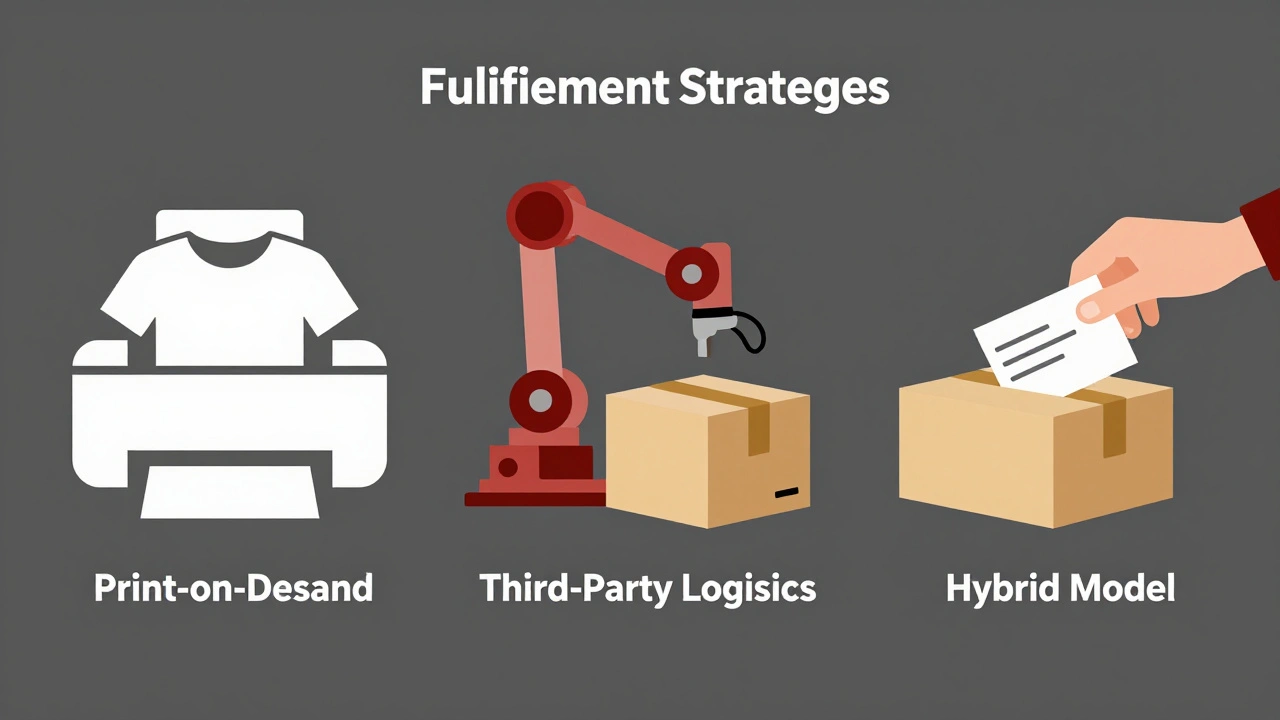
This is where most businesses fail. You cannot scale your content creation if you’re spending four hours a day packing boxes and running to the post office. Your time is better spent creating content that brings in new fans. Here are the three main paths for fulfillment:
- Print-on-Demand (POD): Services like Printful or Gelato integrate directly with your store. When an order comes in, they print and ship it automatically. You never touch the product. The downside is lower margins and less control over packaging. However, for starting out, it’s the safest route.
- Third-Party Logistics (3PL): You buy inventory in bulk and ship it to a 3PL provider. They store your items and pick/pack/ship when orders come in. This is ideal for branded items like custom jewelry or lingerie where you need specific packaging. Look for 3PLs that understand "discreet shipping" requirements.
- Hybrid Model: Use POD for apparel and handle high-value, low-volume items (like signed photos) yourself. This gives you the personal touch for VIP customers while automating the bulk sales.
If you choose to fulfill manually, invest in good packaging materials. Branded tape, tissue paper, and a thank-you card go a long way. Unboxing experiences are shareable moments. If a fan posts your package on social media, you’ve just got free advertising. Make sure your packaging is discreet enough for privacy but exciting enough to encourage sharing.

Navigating Payment Processors and Legal Hurdles
Let’s address the elephant in the room: payments. Standard payment gateways like Stripe and PayPal often ban adult-related businesses. Getting banned mid-month can freeze your funds and shut down your store overnight. You need specialized payment processors that cater to high-risk industries.
Look for providers like CCBill, Segpay, or Verotel. These companies are built to handle the chargeback risks and regulatory scrutiny associated with adult content. They may charge slightly higher transaction fees (often 4-6% plus fixed fees), but the stability is worth it. Never try to skirt these rules by using a personal account; it’s a quick path to permanent bans.
Legally, ensure your terms of service clearly state age verification requirements. You must verify that buyers are 18+ (or 21+, depending on your jurisdiction). Implementing an age-gate on your checkout page is non-negotiable. Additionally, be transparent about return policies. Due to the nature of the products, many items should be final sale once opened. Clearly communicate this to avoid disputes.
Marketing Your Store Without Breaking Platform Rules
You can’t just drop a link to your merch store on every TikTok video. Platforms are cracking down on external links, especially those leading to adult content. You need a funnel strategy.
Start by driving traffic to a landing page that hosts both your social links and your store. Use tools like Linktree or Beacons, which are more platform-friendly. On social media, focus on lifestyle marketing. Show behind-the-scenes clips of you designing the merch, packing orders, or wearing the clothes. Humanize the brand. People buy from people they trust.
Email marketing is your best friend here. Collect emails from your social media followers and send regular newsletters. Highlight new drops, offer exclusive discounts, and share stories. Email lists are owned assets-unlike social media followers, no algorithm change can take them away from you. Segment your list based on purchase history. Send different messages to someone who bought a $20 t-shirt versus someone who bought a $200 signed package.
Is it legal to sell adult-themed merchandise?
Yes, it is legal in most jurisdictions, provided you comply with local laws regarding obscenity, age verification, and consumer protection. Always consult with a legal professional familiar with adult industry regulations in your country or state to ensure full compliance.
Which payment processor is best for adult creators?
Specialized high-risk processors like CCBill, Segpay, or Verotel are recommended. They are designed to handle the unique chargeback risks and regulatory requirements of the adult industry, unlike standard processors like Stripe or PayPal which often ban such accounts.
How do I handle returns for adult merchandise?
Due to hygiene and privacy concerns, most adult merchandise should be marked as "final sale" once opened. Clearly state this policy on your website and during checkout. For unopened items, you can offer standard return windows, but factor in the restocking fees and shipping costs.
Can I use Print-on-Demand for adult content?
Most major Print-on-Demand services like Printful or Teespring have strict content policies prohibiting explicit nudity or sexual acts. You can usually sell suggestive or themed apparel, but you must review their terms carefully. For explicit content, you may need to find niche POD providers or handle printing yourself.
What is the average profit margin for adult merch?
Profit margins vary widely. Apparel typically sees 40-50% margins after production and shipping. Digital-hybrid products can exceed 90%. Signed memorabilia often has 80%+ margins due to low production costs. Always calculate all hidden costs, including payment processing fees and packaging, to determine your true net profit.