

Imagine scrolling through a video feed. One second you’re watching a cooking tutorial; the next, an explicit image flashes on your screen before you can swipe away. It’s jarring, invasive, and often illegal depending on where you live. For platforms hosting adult media, this isn’t just a bad user experience-it’s a massive liability. The difference between chaos and control comes down to one thing: how well you label and tag your content.
In 2026, regulators aren’t just asking platforms to be nice. They are demanding precise, machine-readable data that proves who made what, when it was made, and exactly what is in it. Content labeling has moved from a nice-to-have feature to a strict legal requirement in regions like the European Union and several US states. If you run or manage an adult media platform, getting your metadata wrong doesn’t just mean lost revenue. It means fines, bans, and reputational damage that takes years to fix.
The Legal Pressure Cooker: Why Metadata Matters Now
Gone are the days when a simple '18+' warning sticker was enough. Laws like the EU’s Digital Services Act (DSA) and various state-level age verification bills require platforms to take active steps in protecting users and verifying creators. This creates a complex web of compliance needs. You need to prove that every performer in a video is over 18 and consented to the recording. You also need to ensure that minors cannot accidentally stumble upon explicit material.
This is where metadata becomes your shield. Metadata is the structured data behind the scenes-the digital fingerprint of your content. It tells search engines, recommendation algorithms, and regulatory bodies exactly what they are looking at. Without robust metadata, your platform is blind. You can’t moderate what you can’t identify. When a regulator asks for proof of consent for a specific file, you need to pull up a record instantly. That record lives in your database, linked directly to the media file via unique identifiers.
The stakes are high. In 2025, major platforms faced multimillion-dollar penalties for failing to adequately filter non-consensual intimate media. These failures often traced back to poor tagging systems that couldn’t distinguish between consensual adult content and illegal material. Proper labeling isn’t just about organization; it’s about survival in a heavily regulated digital landscape.
Core Components of Effective Content Labeling
To build a governance system that holds up under scrutiny, you need to break down labeling into three distinct layers: descriptive tags, technical identifiers, and compliance markers. Each layer serves a different purpose, and skipping any one of them creates vulnerabilities.
Descriptive Tags help users find what they want while helping algorithms categorize content safely. These include genre, theme, and participant roles. However, these tags must be standardized. If one creator uses 'romantic' and another uses 'softcore' for the same type of content, your moderation tools will struggle to apply consistent rules. Standardized taxonomies reduce ambiguity and make automated filtering more accurate.
Technical Identifiers are the backbone of your system. Every piece of media needs a unique ID, such as a UUID (Universally Unique Identifier). This ID links the video or image to its metadata record. You should also embed cryptographic hashes within the file itself. A hash acts like a DNA test for files. If someone rips your content and reposts it elsewhere, the hash remains the same. This allows you to track copyright infringement across the web and issue takedowns efficiently.
Compliance Markers are the most critical layer for legal safety. These tags indicate whether age verification has been completed, if consent forms are on file, and whether the content contains sensitive elements like nudity or sexual acts. Some jurisdictions now require specific flags for AI-generated content. As deepfakes become more sophisticated, distinguishing between real human performers and synthetic avatars is no longer optional. Your metadata must clearly state the origin of the content.
Standardizing Metadata with Industry Protocols
You don’t have to invent a new language for your metadata. The industry has developed standards specifically designed to handle the complexities of adult media. Ignoring these standards isolates your platform and makes interoperability impossible. Two key standards dominate the space: XRI (eXtensible Resource Identifier) and C2PAS (Consent and Provenance Authentication System).
XRI provides a framework for uniquely identifying resources on the internet. It allows you to create persistent links to metadata records that don’t break when you change servers or domains. C2PAS, developed by the Coalition for Online Protection, focuses specifically on provenance. It helps verify that the people in the images are who they say they are and that they consented to the distribution. Adopting these protocols shows regulators that you are taking industry best practices seriously.
Another powerful tool is Content Credentials, backed by the Coalition for Content Provenance and Authenticity (C2PA). While originally designed for journalism, its application in adult media is growing. It embeds verifiable information directly into the file format. This ensures that even if the content is downloaded and shared, the proof of authenticity travels with it. This is crucial for combating revenge porn and unauthorized leaks.
| Standard | Primary Function | Best Use Case | Complexity Level |
|---|---|---|---|
| XRI | Unique Resource Identification | Linking content to creator profiles | Medium |
| C2PAS | Consent & Provenance Verification | Legal compliance and age verification | High |
| C2PA | Embedded Authenticity | Preventing unauthorized redistribution | High |
| Dublin Core | General Description | Basic cataloging and search optimization | Low |

Automating Tagging with AI and Human Oversight
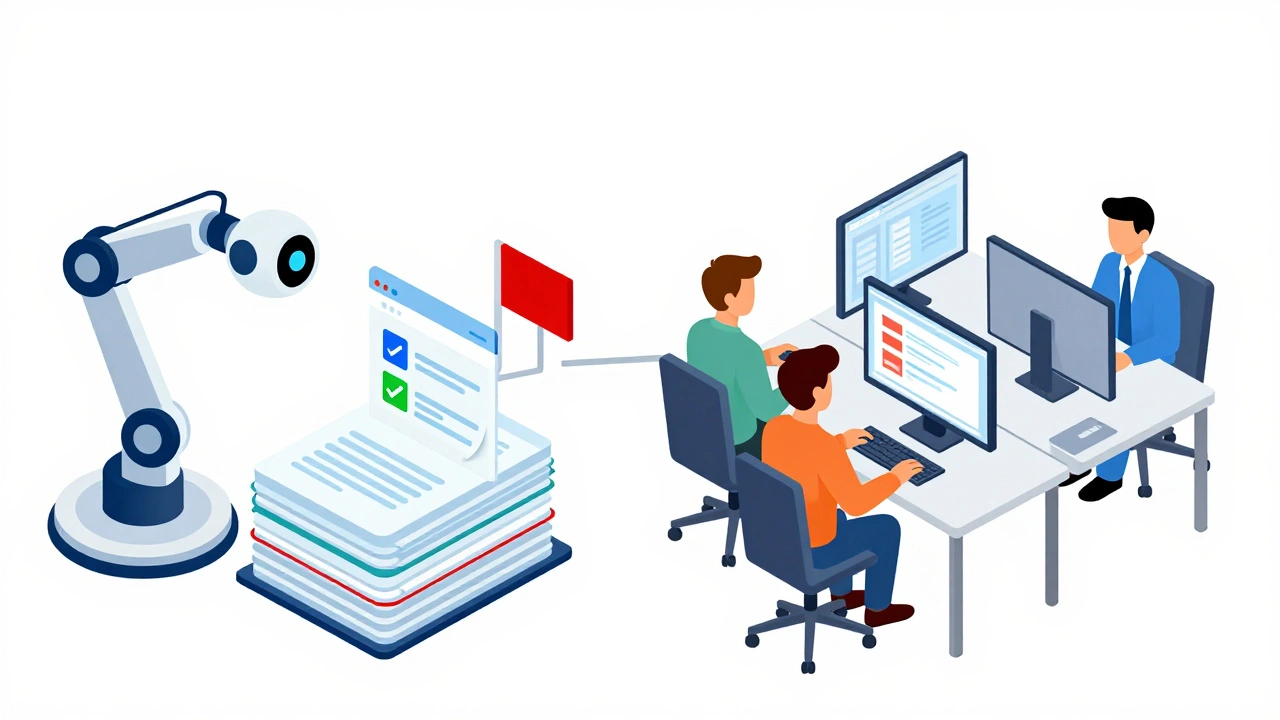
Relying solely on creators to tag their own content is risky. Creators might miss details, use inconsistent terms, or, in worst-case scenarios, intentionally mislabel content to evade filters. This is why hybrid moderation models are essential. You need artificial intelligence to do the heavy lifting, but humans must verify the results.
AI models can analyze frames within a video to detect skin exposure, specific poses, or objects associated with certain genres. Computer vision algorithms can flag potential violations of community guidelines in seconds. However, AI is not perfect. It can confuse artistic nudity with explicit content, or fail to recognize context. This is where human moderators come in. They review the AI’s flags, correct errors, and add nuanced tags that machines might miss.
Invest in training your moderation team. They need to understand not just what to look for, but why certain labels matter. A moderator who understands the legal implications of a 'non-consensual' tag will treat it with greater urgency than one who sees it as just another checkbox. Regular audits of your tagging accuracy are necessary. Pick random samples of content and check if the metadata matches the visual reality. If you find discrepancies, retrain your AI models and re-educate your staff.
Protecting Creator Rights Through Metadata
Governance isn’t just about keeping users safe; it’s about protecting the people who make the content. Creators in the adult industry face disproportionate risks of theft, harassment, and financial exploitation. Robust metadata gives them a way to assert ownership and control.
When every video carries embedded proof of the creator’s identity and consent, it becomes much harder for scammers to claim they didn’t know who was in the footage. It also simplifies royalty tracking. If your platform pays creators based on views, accurate metadata ensures that the right person gets paid for the right content. Misattributed videos lead to unpaid invoices and angry creators who may leave your platform for competitors.
Consider implementing a 'creator signature' in your metadata. This could be a digital certificate signed by the creator, confirming that they uploaded the content and agree to the terms of service. This adds a layer of trust for subscribers and makes it easier to dispute false claims of impersonation. Platforms that prioritize creator rights through transparent metadata practices tend to retain talent better than those that treat content as disposable commodities.
Building a Scalable Metadata Infrastructure
As your library grows, managing metadata manually becomes impossible. You need a scalable infrastructure that can handle millions of records without slowing down. This starts with your database architecture. Relational databases like PostgreSQL are good for structured data, but you might need NoSQL solutions like MongoDB for flexible schema requirements where tags vary widely between creators.
Ensure your API endpoints expose metadata securely. Third-party apps and analytics tools might need access to basic tags, but sensitive compliance data should remain hidden. Use role-based access control (RBAC) to limit who can view or edit metadata fields. Only authorized personnel should be able to update consent records or age verification statuses.
Don’t forget backup and versioning. Metadata changes over time. A video might start as 'teaser' and later be updated to 'full release.' Keep a history of these changes. If a legal dispute arises, you need to show exactly what the metadata looked like at the time of upload, not just what it looks like today. Immutable logs provide this audit trail, giving you peace of mind during investigations.
Common Pitfalls to Avoid
Even experienced platforms make mistakes in their labeling strategies. Here are the most common traps:
- Inconsistent Taxonomies: Allowing free-text entry for tags leads to chaos. Enforce dropdown menus or predefined lists for critical categories.
- Ignoring Context: A picture of a beach towel isn’t necessarily nudity. Ensure your AI models understand context to reduce false positives.
- Over-Automation: Trusting AI blindly without human review leads to missed violations and wrongful takedowns.
- Poor Documentation: If your internal team doesn’t understand how the tagging system works, they won’t use it correctly. Create clear guides and training materials.
- Neglecting Updates: Laws change. Your metadata schema must evolve to include new required fields, such as AI disclosure flags.
Avoiding these pitfalls requires continuous attention. Treat your metadata system as a living product, not a set-and-forget utility. Regularly solicit feedback from your moderation team and creators. They will tell you what’s broken before it becomes a crisis.
What is the difference between metadata and content labeling?
Metadata is the structured data stored in your database that describes the content, such as file size, upload date, and unique IDs. Content labeling refers to the visible tags or categories assigned to the media, like 'romantic' or 'explicit,' which help users navigate and algorithms categorize the material. Metadata supports labeling by providing the underlying structure and verification needed for accurate tags.
How does metadata help with age verification compliance?
Metadata stores records linking each piece of content to verified age documents of the performers involved. When a regulator requests proof, you can quickly retrieve the specific consent forms and ID checks associated with a video’s unique identifier. This demonstrates due diligence and helps avoid penalties for hosting unverified content.
Should I use AI or humans for tagging adult content?
You should use both. AI is efficient for processing large volumes of content and detecting obvious patterns, but it lacks nuance and can make errors. Humans provide context, verify AI decisions, and handle edge cases. A hybrid approach ensures speed without sacrificing accuracy or safety.
What are the risks of poor metadata management?
Poor metadata management can lead to legal fines, inability to remove illegal content quickly, payment disputes with creators, and loss of user trust. It also makes it difficult to scale your platform efficiently, as manual corrections become overwhelming as your library grows.
How can metadata protect creators from theft?
By embedding unique identifiers and cryptographic hashes into the content, creators can prove ownership even if their work is stolen and reposted elsewhere. This evidence simplifies the process of issuing takedown notices and pursuing legal action against infringers.