

Key Takeaways for Safety
- Financial independence is the strongest shield against coercive control.
- Peer-led support networks break the isolation that traffickers rely on.
- Standardized, transparent contracts prevent "debt bondage" and unexpected fees.
- Direct access to banking and payment processors removes the middleman risk.
- Digital literacy helps workers spot red flags in agency recruitment.
The Financial Fortress: Breaking Economic Dependence
Exploitation thrives when a worker has no way to survive without their abuser. In many cases, agencies or "managers" take total control of a performer's earnings, leaving them with a small allowance. This is a classic tactic used in Human Trafficking the illegal practice of transporting or recruiting people by force or deception for labor or sexual exploitation. To stop this, workers need a "financial fortress." This means having a private bank account that no one else can access. When a worker controls the flow of money, they have the means to buy a plane ticket, rent a room, or hire a lawyer without asking for permission.
Many creators face hurdles with Payment Processors services that enable the electronic transfer of funds between a buyer and a seller, which often flag adult content as "high risk." This pushes workers toward sketchy third-party managers who promise to "handle the money." Instead, empowerment looks like utilizing a diverse set of payment methods. By diversifying where their money comes from-using a mix of direct fan subscriptions, crypto wallets, and specialized high-risk merchant accounts-workers ensure that if one channel is cut off, they aren't suddenly broke and dependent on a predatory manager.
| Red Flag (Exploitative) | Empowered State (Safe) |
|---|---|
| Manager holds all passwords and bank logins | Worker owns all accounts; manager has limited access |
| Earnings are paid as a "stipend" or allowance | Worker receives full payment; pays manager a set fee |
| Worker is told they "owe" the agency for startup costs | Clear, written agreement on expenses with a buyout clause |
| No record of transactions or earnings | Worker maintains an independent ledger of all income |
The Power of Collective Knowledge and Peer Networks
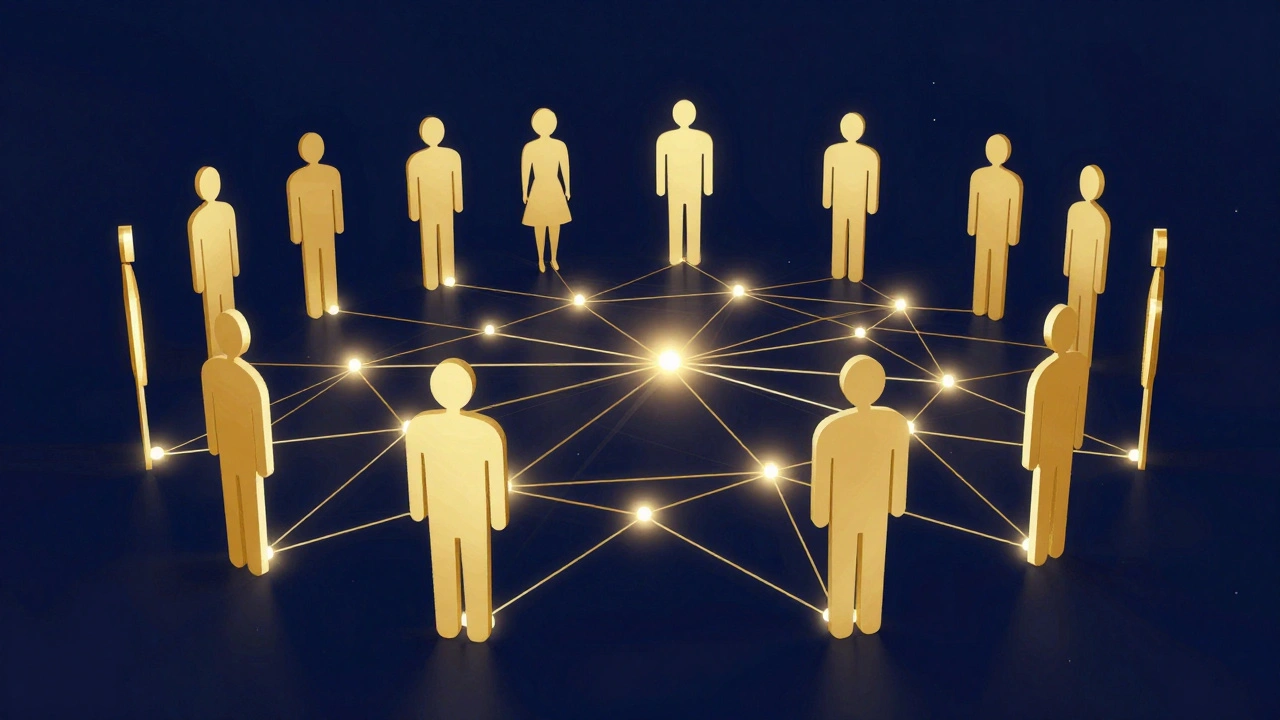
Isolation is a trafficker's best friend. If a worker believes they are the only one experiencing "strange" rules or restrictive contracts, they are less likely to seek help. This is why Peer Support Networks community-based systems where individuals with shared experiences provide mutual aid and information are so critical. When creators share a "blacklist" of abusive agencies or warn each other about specific recruiters on social media, the entire community becomes a radar for danger.
Think of it like a neighborhood watch for the digital age. When a new performer joins the industry, an established peer can explain the difference between a legitimate agency and a predatory one. They can point out that a manager asking for a passport or a detailed list of family contacts is a massive warning sign. This organic flow of information transforms the industry from a series of isolated individuals into a connected web of professionals who look out for one another. It moves the focus from "surviving" the industry to actively managing a business.
Rewriting the Contract: Legal Literacy and Agency Standards
A lot of exploitation happens through the "fine print." Many workers sign contracts they don't fully understand, which later turn into tools for Debt Bondage a form of forced labor where a person is forced to work to pay off a debt that is often artificially inflated. For example, a manager might claim they spent $5,000 on "marketing" the worker, and now the worker cannot leave until that money is paid back. This is a hallmark of exploitation.
Empowerment means demanding Contract Law the body of law that governs the creation and enforcement of agreements between parties literacy. A fair contract should have a clear exit clause-a way to leave the agreement with a reasonable notice period. It should explicitly state that the worker owns their own content (the copyright) and that the agency is merely a distributor. When workers know how to read these documents, they can spot "exclusivity clauses" that are too broad or penalties that feel like threats. The goal is to move from a master-servant relationship to a professional B2B (business-to-business) partnership.
Digital Sovereignty and Content Control
In the modern adult industry, the "product" is digital data. Whoever controls the account controls the worker's livelihood. Digital Sovereignty the right of an individual or group to have control over their own digital data and identity is the next frontier of empowerment. When a manager creates the accounts, sets the passwords, and manages the emails, the worker is essentially a ghost in their own brand. If the relationship turns abusive, the manager can simply change the password, effectively deleting the worker's income stream and professional history overnight.
To combat this, workers should always be the primary account holders. They should use Two-Factor Authentication (2FA) a security process in which users provide two different authentication factors to verify themselves linked to their own personal devices. If a manager needs access to post content, they can be given a limited login or use a scheduling tool, but they should never have the "master key" to the account. Owning the digital infrastructure means the worker can cut ties with an exploiter in seconds, rather than spending months trying to recover an account from a platform's support team.

Recognizing the Subtle Signs of Coercion
Exploitation isn't always a locked door and a guard; often, it's a slow creep of control. It starts with "helpful" suggestions: "You should let me handle your emails so you can focus on the art," or "I'll take care of your rent this month, just pay me back from your next three shoots." This creates a cycle of gratitude and obligation that masks a power imbalance.
Empowered workers and their allies learn to identify Coercive Control a pattern of behavior which is used to harm, punish, or frighten a victim. This includes monitoring a worker's location via GPS, isolating them from friends and family, or threatening to "leak" content if the worker doesn't comply with new demands. By naming these behaviors, we strip them of their power. When a person realizes that their "supportive" manager is actually using a textbook trafficking technique, the psychological spell is broken.
How can I tell if a manager is actually predatory?
Look for any request that removes your autonomy. If they ask for your passport, demand all your passwords, insist on being the only one who talks to your fans, or tell you that you "owe" them money for unspecified costs, these are major red flags. A legitimate professional will respect your ownership of your accounts and your right to see every penny you earn.
What should I do if I've already signed a restrictive contract?
First, start documenting everything-save emails, screenshots of messages, and payment records. Next, seek legal advice from an attorney who specializes in labor rights or the adult industry. Many contracts with "penalty fees" for leaving are actually legally unenforceable if they are deemed unconscionable or constitute debt bondage. Do not tell the manager you are seeking legal help until you have a safe exit plan.
Are there safe ways to manage payments without an agency?
Yes. Many creators use a combination of direct-to-fan platforms, cryptocurrency for anonymity and speed, and specialized high-risk merchant accounts. Using a dedicated business account separate from your personal spending helps you track taxes and protects your primary savings from being frozen if a specific platform has an issue.
How do peer networks actually help prevent trafficking?
Traffickers rely on the victim feeling alone and confused. Peer networks provide a "reality check." When a worker can ask a peer, "Is it normal for my manager to take my phone for the weekend?" and the peer answers "No, that's a huge red flag," it validates the worker's intuition and encourages them to seek help before the situation escalates.
What is the best way to secure my digital accounts?
Use a password manager for unique, complex passwords and always enable app-based Two-Factor Authentication (like Google Authenticator) rather than SMS-based 2FA, which can be intercepted via SIM swapping. Ensure the recovery email and phone number are yours and not your manager's.
Next Steps for Creators and Advocates
If you're a creator, start by auditing your own independence. Do you have a secret emergency fund? Do you own all your login credentials? If the answer is no, start making those changes today. Even small steps, like moving your recovery email to a private account, create a safety net.
For those in support roles, focus on amplifying the voices of survivors and experts who can identify the subtle signs of coercion. Support the creation of open-source "safe agency" registries and advocate for the decriminalization of worker status, which often makes people too afraid to report abuse to the police for fear of being arrested themselves. True empowerment happens when the risk of being exploited is higher for the exploiter than it is for the worker.