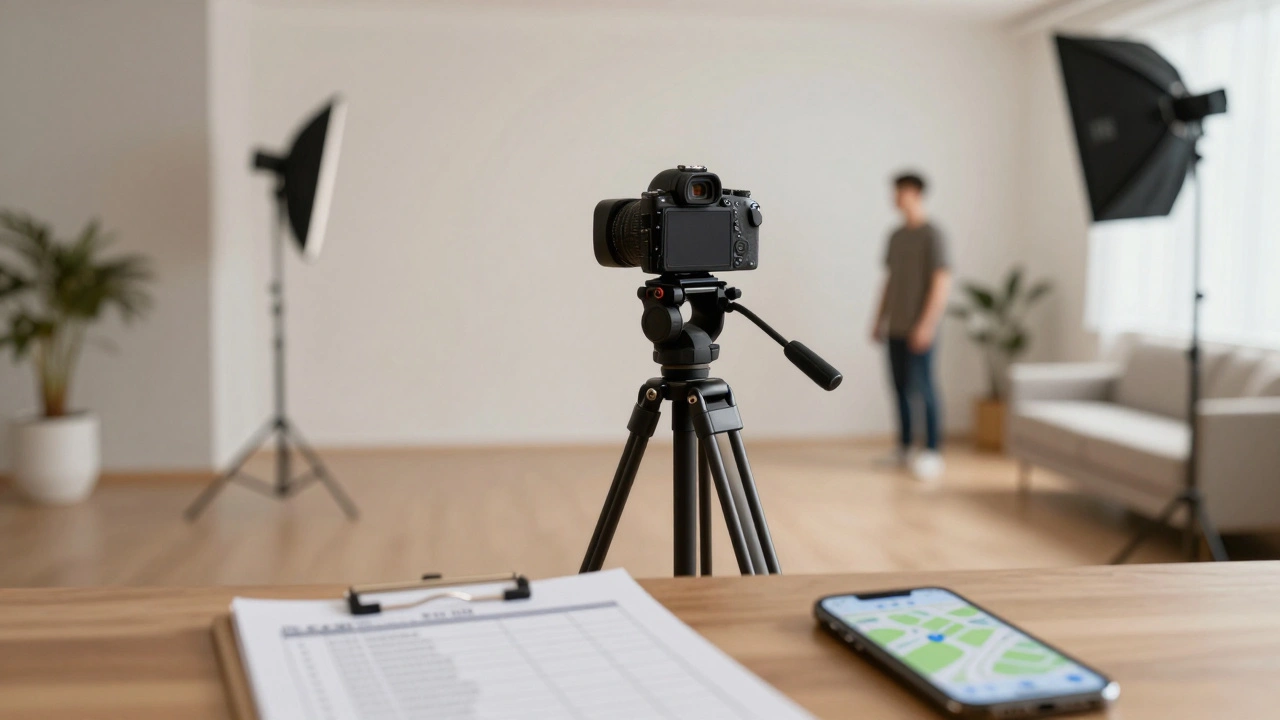

Imagine walking into a room where the lighting is perfect, the camera angles are set, and your partner is ready. You feel confident, prepared, and excited to create. Now imagine that same scenario, but you didn’t check who else was in the building, you didn’t verify the exit routes, and you have no way to stop the shoot if things go wrong. The difference between those two scenarios isn't just comfort-it's safety. For independent adult content creators, the line between a professional studio and a vulnerable situation can be thin.
The rise of platforms like OnlyFans, ManyVids, and Fansly has empowered thousands of performers to take control of their careers. But with independence comes responsibility. Unlike traditional production houses that employ dedicated HR departments and security teams, independent creators must build their own safety infrastructure. This guide provides practical, actionable checklists to protect your physical safety, digital privacy, and legal rights before, during, and after every shoot.
Pre-Production Vetting: Knowing Who You Work With
Safety starts long before the camera turns on. It begins with vetting. Whether you’re working with another performer, a director, or a photographer, you need to know who they are. Trust is good; verification is better.
- Verify Identity: Never work with someone using only an online alias without verifying their real identity. Ask for a government-issued ID or use video calls to confirm their face matches their profile pictures. Services like BacktrackID allow you to search public records to ensure your collaborator doesn’t have a history of violent offenses.
- Check References: Ask for contact information from at least two previous collaborators. Call them. Ask specific questions: Did they show up on time? Were boundaries respected? Would they work with this person again?
- Review Social Media Footprint: A quick look at their Instagram or Twitter can reveal red flags. Do they post respectful content about past partners? Do they engage in harassment? Their online behavior often predicts their offline behavior.
- Use Contracts: Even for casual shoots, a simple agreement outlines expectations. Specify what acts are included, what equipment will be used, and how the footage will be distributed. A contract isn’t just legal protection; it’s a conversation starter about boundaries.
If a potential collaborator gets defensive when asked for verification, walk away. Professionalism means respecting your right to know who is entering your space.
Physical Environment Safety Checklist
Your shooting location is your workplace. Whether it’s a rented studio, a hotel room, or your home, you must control the environment. Here’s what to check before anyone arrives.
| Area | Check Item | Why It Matters |
|---|---|---|
| Access Points | Lock all windows and doors except the main entrance | Prevents unauthorized entry or escape routes for intruders |
| Exit Routes | Identify at least two clear exits | Ensures you can leave quickly if you feel unsafe |
| Lighting | Ensure adequate lighting in all corners | Dark areas hide threats and make recording less secure |
| Emergency Contact | Share live location with a trusted friend | Someone knows exactly where you are and when you should be done |
| Surveillance | Check for hidden cameras or listening devices | Protects against non-consensual recording and blackmail |
Consider investing in a doorbell camera with a wide-angle view. If you shoot from home, install a smart lock that allows temporary access codes for collaborators. This creates a digital log of who entered and when, which is crucial evidence if anything goes wrong.
Digital Security and Privacy Protection
In the digital age, your data is as valuable as your physical safety. Leaked private content can lead to harassment, job loss, and emotional distress. Protecting your digital footprint requires proactive measures.
First, separate your identities. Use a business name for your adult content work and keep your personal social media accounts strictly private. Do not link your personal email or phone number to your creator profiles. Use a dedicated email address and a virtual phone number service like Burner or Hushed.
Second, secure your files. Store raw footage on encrypted drives. Cloud storage services like iCloud or Google Drive offer encryption, but enable two-factor authentication (2FA) on all accounts. Hackers often target adult creators because leaked content generates clicks and revenue for them.
Third, manage metadata. Photos and videos contain EXIF data-information about the device used, location, and time. Before uploading content to any platform, strip this metadata. Tools like ExifEraser can remove this information automatically. This prevents malicious actors from pinpointing your exact location based on a photo.
On-Set Boundaries and Communication Protocols
Clear communication prevents misunderstandings. Establish boundaries before the shoot begins. This includes discussing safe words, consent limits, and aftercare needs.
Use a "green-yellow-red" system. Green means everything is fine. Yellow means pause and check in. Red means stop immediately. Make sure everyone on set understands these signals. Post them visibly near the camera area so they’re always in sight.
Never assume consent is ongoing. Check in regularly, especially if the scene changes intensity. If you feel uncomfortable, stop. You don’t owe anyone an explanation. Your body, your rules.
Also, discuss health protocols. Require recent STI test results from all collaborators. Keep copies of these documents in a secure folder. This protects your health and provides proof of due diligence if disputes arise later.
Legal Rights and Contractual Protections
As an independent creator, you are your own employer. This means you must understand your legal rights. Familiarize yourself with Section 230 of the Communications Decency Act, which protects platforms from liability for user-generated content. However, this doesn’t protect you from misuse of your content by others.
Include a "Right to Delete" clause in your contracts. This allows you to request removal of content from collaborators’ portfolios if you terminate the relationship. While not always enforceable, it sets a professional expectation.
Consider registering your content with copyright offices. In the U.S., the Copyright Office allows you to register works online. Registration provides legal standing to sue for infringement. If someone steals your content, having a registered copyright makes takedown requests stronger and faster.
Additionally, understand labor laws in your jurisdiction. Some states, like California, have specific regulations regarding adult entertainment workers, including mandatory condom use and testing requirements. Ignorance of these laws can lead to fines or shutdowns.
Post-Shoot Procedures and Incident Response
Safety doesn’t end when the camera stops. After each shoot, follow a debriefing process.
- Secure Files: Transfer footage to your encrypted drive immediately. Delete copies from shared devices.
- Document Interactions: Write down any incidents, however minor. Note dates, times, and details. This record can be vital if patterns of abuse emerge over time.
- Check Mental Health: Reflect on how the shoot felt. Did you feel pressured? Disrespected? If yes, consider blocking the collaborator and reporting them to industry watchdog groups.
- Update Blacklists: Maintain a private list of individuals or companies you refuse to work with again. Share this list discreetly with trusted peers to prevent others from experiencing similar issues.
If you experience harassment or theft of content, act quickly. File DMCA takedown notices with hosting providers. Report violations to platforms like OnlyFans or Twitter/X. Document everything for potential legal action.
Building a Support Network
You don’t have to do this alone. Connect with other independent creators. Join online communities focused on safety and rights. Organizations like Fleshbot and Sex Workers Outreach Program (SWOP) offer resources, advocacy, and peer support.
Create a buddy system. Have a friend you can call before and after shoots. Share your schedule and location. This simple step adds a layer of accountability and safety.
Educate yourself continuously. Attend workshops on digital security, legal rights, and mental health. Knowledge is power, and in this industry, it’s also protection.
What is the first thing I should do before hiring a new collaborator?
The first step is identity verification. Ask for a government-issued ID and conduct a background check using services like BacktrackID. Always request references from previous collaborators and speak to them directly to gauge reliability and respectfulness.
How can I protect my content from being stolen online?
Register your content with the Copyright Office to establish legal ownership. Strip metadata from files before uploading. Use watermarks strategically. Monitor the web for unauthorized distribution using tools like ImageSearch or Google Alerts. Issue DMCA takedown notices promptly when infringements occur.
Is it necessary to have a contract for small, informal shoots?
Yes. Even a simple one-page agreement clarifies expectations regarding acts, compensation, and usage rights. It serves as a reference point if disputes arise and demonstrates professionalism. Contracts protect both parties and reduce ambiguity.
What should I include in my physical safety checklist?
Your checklist should include verifying exit routes, locking unused doors/windows, ensuring adequate lighting, sharing your live location with a trusted contact, and checking for hidden surveillance devices. Install smart locks and doorbell cameras for added security and documentation.
Where can I find support if I experience harassment or exploitation?
Reach out to organizations like Fleshbot or SWOP for advocacy and resources. Document all incidents meticulously. File reports with relevant platforms and law enforcement if crimes occurred. Connect with peer networks for emotional support and guidance on navigating complex situations.