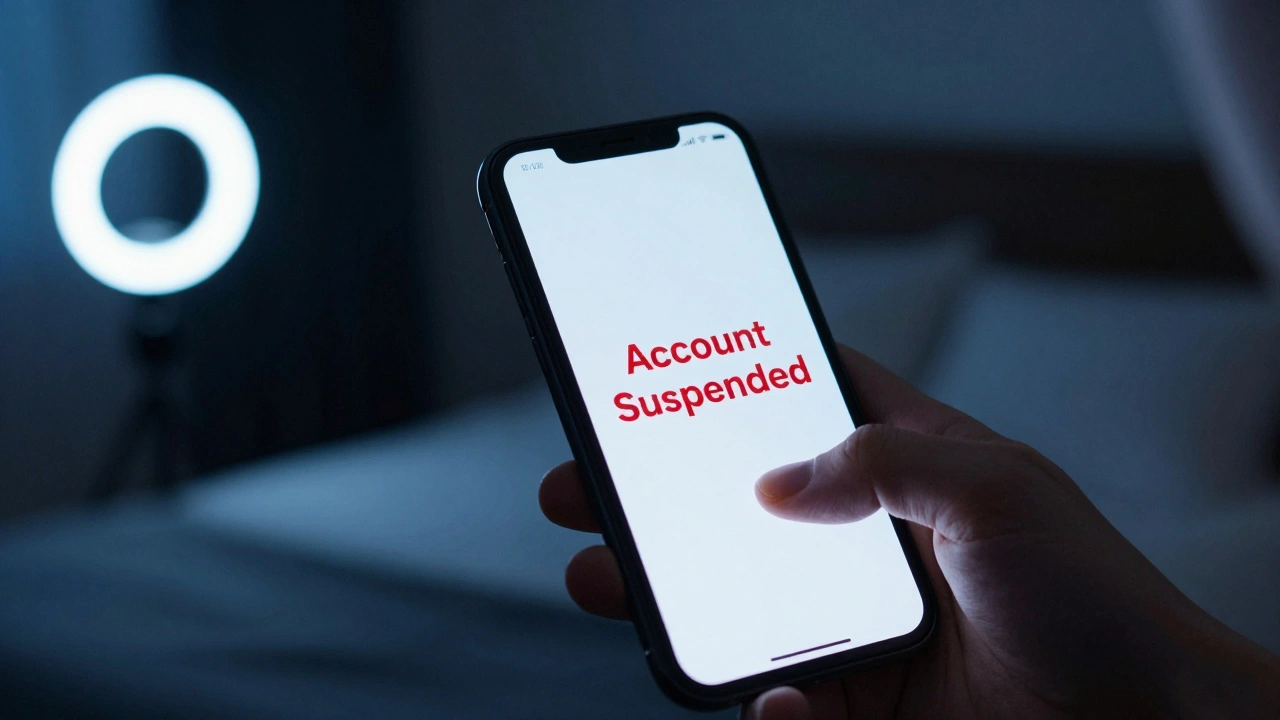

Imagine this: You wake up, check your phone, and see a notification that your account has been suspended. Your access to months of work is gone. Your pending payouts are frozen. The reason? A vague "community guidelines violation" with no specific details. For adult creators, this isn't just an inconvenience; it’s an existential threat. Unlike mainstream influencers who can pivot to Instagram or TikTok, many adult creators rely on a single platform for their entire livelihood. When that platform pulls the plug without a clear path to appeal, the damage is often irreversible.
This is why understanding appeals and redress mechanisms is not just legal jargon-it is your primary line of defense. In 2026, the landscape of platform governance has shifted slightly toward transparency, but the power imbalance remains stark. Most platforms operate as private entities with unilateral authority over your content. However, they are not above scrutiny. There are structured ways to challenge decisions, recover funds, and protect your intellectual property. This guide breaks down exactly how these systems work, where they fail, and what you can do when the algorithm gets it wrong.
The Anatomy of a Platform Appeal System
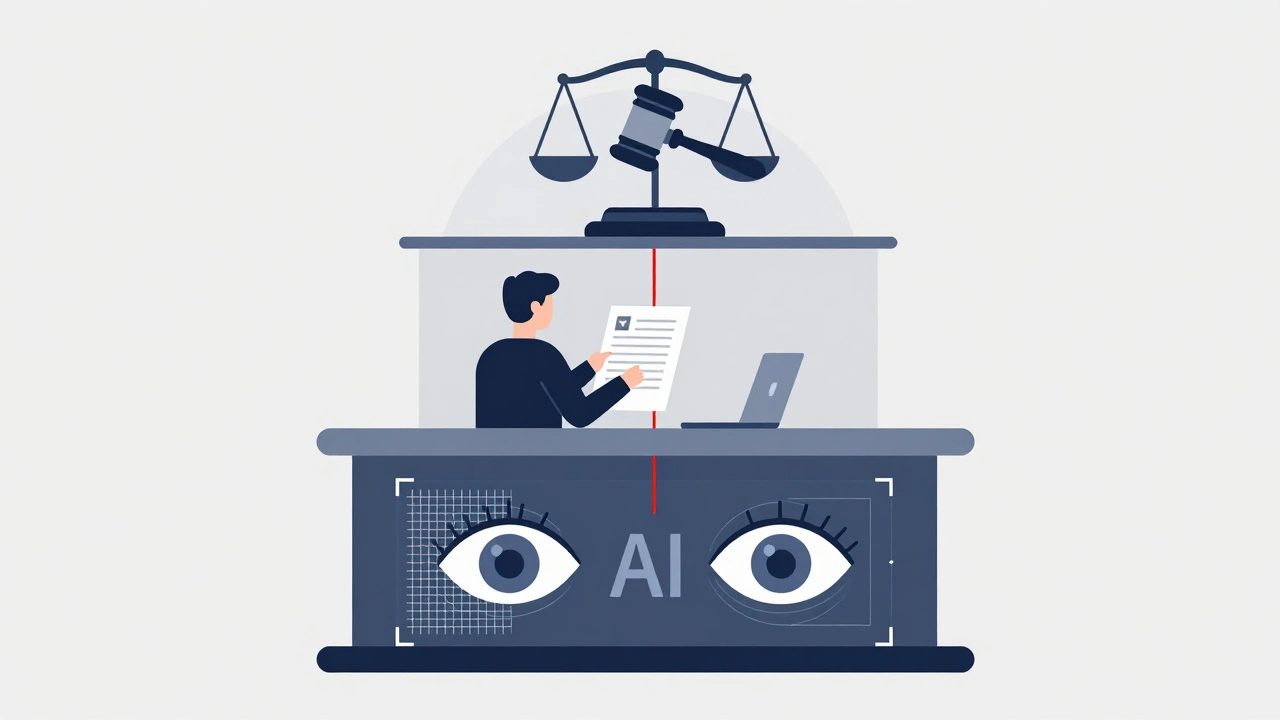
Before you can fight a ban, you need to understand the battlefield. Most major platforms hosting adult content-whether direct-to-consumer sites like OnlyFans and Fansly, or marketplace models like ManyVids and Clips4Sale-operate under similar governance structures. These structures typically involve three layers: automated detection, human review, and final adjudication.
Automated detection is where most false positives occur. AI systems scan images and videos for prohibited material using pattern recognition. Because adult content exists in a gray area between legal expression and policy violations, these algorithms are notoriously blunt. They might flag consensual roleplay as non-consensual sexual violence, or mistake artistic nudity for child exploitation due to lighting or body type misidentification. When this happens, the suspension is immediate and automated.
The second layer is Human review. This is the first step in the formal appeals process. A moderator reviews the flagged content against the platform’s Terms of Service (ToS). Here is the catch: moderators are often underpaid, overworked, and operating under strict liability fears. They tend to err on the side of caution. If the AI flagged it, they are likely to uphold the ban unless the violation is blatantly obvious.
The third layer, Final adjudication, is rare. It usually involves a senior trust and safety manager or a legal team member. Getting to this stage requires a compelling argument that goes beyond "I didn’t do anything wrong." It requires evidence, context, and sometimes, external validation.
| Platform Type | Average Response Time | Appeal Success Rate (Est.) | Fund Release Policy |
|---|---|---|---|
| Direct Subscription (e.g., OnlyFans) | 24-72 hours | Low (10-15%) | Funds frozen until reinstatement |
| Marketplace (e.g., ManyVids) | 3-7 days | Moderate (25-30%) | Pending sales held; past earnings accessible |
| Decentralized/Web3 | Variable (Community vote) | High (if community supports) | Smart contract controlled; harder to freeze |
Why Standard Appeals Fail and How to Fix Them
Most creators make the same mistake when appealing: they write an emotional plea. They explain how hard they work, how much they need the money, and how unfair this feels. While valid, this approach fails because platform support teams are trained to look for policy compliance, not empathy. To succeed, your appeal must be forensic.
First, identify the exact policy cited. If the platform says "Sexually Explicit Content," ask for specifics. Is it the pose? The audio? The metadata? Without specificity, you cannot refute the claim. Second, provide context. If your content was part of a consensual scene with verified adults, include proof of age verification and consent forms if available. Third, highlight inconsistencies. Did another creator post similar content without issue? Screenshot it. Show that the enforcement is arbitrary.
Consider the case of a creator banned for "Non-Consensual Sexual Content" after posting a fantasy-themed video. The appeal succeeded only when the creator provided a timeline of communications with the co-star, proving mutual agreement, and pointed out that the platform had previously approved similar content from other users. The key was shifting the burden of proof back to the platform by demonstrating procedural inconsistency.
Recovering Frozen Payouts: The Financial Redress Gap
One of the most painful aspects of a suspension is the freezing of funds. Platforms often cite "security holds" or "pending investigations" to keep money locked for weeks or months. This is a significant point of contention in platform governance. From a legal standpoint, once a transaction is complete and the service rendered, the creator has a right to compensation. However, contracts often give platforms broad discretion to withhold payments during disputes.
In 2026, some jurisdictions have begun to address this. California’s recent updates to digital labor laws require clearer timelines for payout releases upon termination. If you are based in a region with such protections, reference them in your appeal. State that withholding funds beyond the statutory period constitutes a breach of contract. Even if you are not in such a jurisdiction, citing these standards can pressure platforms to act faster to avoid setting a precedent.
If the platform refuses to release funds, consider chargeback protection. If fans paid directly via credit card, they may initiate chargebacks if they feel misled, which hurts the platform more than the creator. However, this is a nuclear option and should be used cautiously. Instead, focus on internal escalation. Ask for the name of the Trust and Safety officer handling your case. Request a written explanation of the decision. Create a paper trail that could be useful in small claims court if the amount is substantial.
External Avenues for Redress When Platforms Refuse
When internal appeals fail, you are not out of options. The rise of creator advocacy groups has introduced new mechanisms for external redress. Organizations like the Adult Performer Advocacy Coalition and various digital rights nonprofits offer mediation services. They can intervene on your behalf, leveraging collective bargaining power that individual creators lack.
Another avenue is regulatory complaint. In the European Union, the Digital Services Act (DSA) imposes strict obligations on very large online platforms regarding transparency and user recourse. If you are an EU-based creator or your platform operates significantly in the EU, you can file a complaint with the designated Out-of-Court Dispute Settlement Body. This process is slower but carries legal weight. Platforms risk hefty fines for non-compliance, making them more likely to settle.
For US-based creators, the Federal Trade Commission (FTC) has shown increased interest in deceptive platform practices. While the FTC does not handle individual bans, patterns of arbitrary suspensions and fund withholding can be reported as potential unfair business practices. Joining forces with other affected creators to submit a joint complaint amplifies your voice.

Preventing Future Bans: Proactive Governance Strategies
The best redress mechanism is prevention. Understanding platform governance allows you to navigate the rules rather than break them accidentally. Start by documenting everything. Keep records of all communications with collaborators, including consent agreements. Use watermarks to protect your intellectual property and prove ownership. Regularly audit your content against the latest Terms of Service updates. Platforms change their rules frequently, often without prominent notification.
Diversification is also critical. Do not rely on a single platform. Maintain a presence across multiple sites and build a direct relationship with your audience through email lists or independent websites. This reduces your vulnerability to any single platform’s policy shifts. Additionally, consider using decentralized storage solutions for your master files. If a platform deletes your content, having backups ensures you can migrate quickly to a new host.
Finally, engage with the community. Join creator forums and stay informed about common pitfalls. Share experiences about successful appeals. Collective knowledge is powerful. When one creator discovers a loophole or a effective appeal strategy, sharing it helps everyone. This collaborative approach builds resilience against the unpredictable nature of platform governance.
The Role of AI in Moderation and Bias
As we move deeper into 2026, AI-driven moderation is becoming more sophisticated but also more opaque. Machine learning models are trained on datasets that may contain inherent biases. Studies have shown that these systems disproportionately flag content created by women of color or those with certain body types. Understanding this bias is crucial for crafting effective appeals.
If you suspect your ban was due to algorithmic bias, frame your appeal around this issue. Point out that the content complies with all stated policies and that the flagging appears inconsistent with similar content from other demographics. Some platforms are beginning to acknowledge these issues and have established diversity and inclusion committees within their trust and safety departments. Referencing these initiatives can show that you are aware of the broader context and are seeking a fair resolution based on equitable treatment.
Moreover, request data transparency. Under certain regulations, you have the right to know what data was used to make the decision. While platforms may not disclose proprietary algorithms, they can often provide the specific inputs that triggered the flag. This information can be invaluable in disproving the violation.
What should I do immediately after my adult creator account is suspended?
Do not panic or delete your content. First, read the suspension notice carefully to identify the cited policy. Take screenshots of your dashboard, balance, and any error messages. Then, draft a factual, concise appeal referencing the specific policy and providing context. Avoid emotional language. Submit the appeal through the official channel and save a copy for your records.
Can I sue a platform for unfairly banning me and withholding my money?
It depends on your location and the platform’s Terms of Service. Many platforms require arbitration, which limits your ability to go to court. However, if the platform violated consumer protection laws or breached contract terms explicitly, you may have grounds for small claims court or a regulatory complaint. Consult with a lawyer specializing in digital media law to assess your options.
How long does the appeals process usually take?
Response times vary widely. Direct subscription platforms may respond within 24-72 hours, while marketplaces can take 3-7 days. Complex cases involving legal review can take several weeks. If you do not receive a response within the timeframe stated in the Terms of Service, follow up politely but firmly, referencing the delay.
Are there any organizations that help adult creators with appeals?
Yes, several advocacy groups and digital rights organizations offer support. Look for groups focused on creator economy rights or adult industry welfare. They may provide template letters, legal referrals, or mediation services. Additionally, joining creator communities can provide peer support and shared strategies for successful appeals.
Does the Digital Services Act (DSA) apply to adult content platforms?
The DSA applies to all online platforms operating in the EU, including those hosting adult content, if they meet certain size thresholds. It mandates transparent moderation practices and accessible redress mechanisms. If you are an EU user, you can leverage DSA provisions to demand clarity and fairness in the appeals process.