

When you scroll through a platform and see an adult content recommendation that feels out of place, it’s not a glitch-it’s a design choice. Behind that suggestion sits an algorithm trained on your behavior, other users’ data, and vague rules that no one ever explained. Many platforms claim they’re protecting users, but without transparency, those claims ring hollow. This guide cuts through the noise. It shows how algorithm transparency works for adult content recommendations, what governance actually looks like in practice, and how platforms can build systems that are fair, accountable, and safe.
Why Algorithm Transparency Matters for Adult Content
Adult content recommendation systems don’t operate in a vacuum. They’re trained on massive datasets of user clicks, watch times, and engagement patterns. But here’s the problem: if the algorithm learns from what’s popular, it will push extreme or harmful content simply because it gets attention. A 2024 study from the Center for Digital Integrity found that platforms with opaque recommendation engines showed a 47% higher rate of unintended exposure to non-consensual adult material among users under 25. That’s not a bug-it’s a predictable outcome of black-box systems.
Transparency isn’t about revealing every line of code. It’s about making the logic behind recommendations understandable. Users deserve to know: Why did I see this? Was it because I clicked once, or because the system thinks I’m vulnerable? Platforms that hide behind "proprietary algorithms" are avoiding responsibility. Transparency builds trust. And trust keeps users.
What Algorithm Transparency Actually Means
Transparency isn’t a single feature. It’s a set of practices. Here’s what it looks like in real-world governance:
- Explainable outputs: When a user sees a recommendation, they should get a simple label-like "Suggested because you watched similar content in the last 7 days"-not just a blank screen with a video.
- Controlled data inputs: Platforms must let users see what data the algorithm is using. Did it pick up on a single search from two years ago? Let them delete it.
- Public audit logs: Independent researchers should be able to request anonymized data on recommendation patterns, without needing to sign an NDA.
- Threshold limits: No recommendation system should push content to users who haven’t explicitly engaged with similar material more than twice in a month.
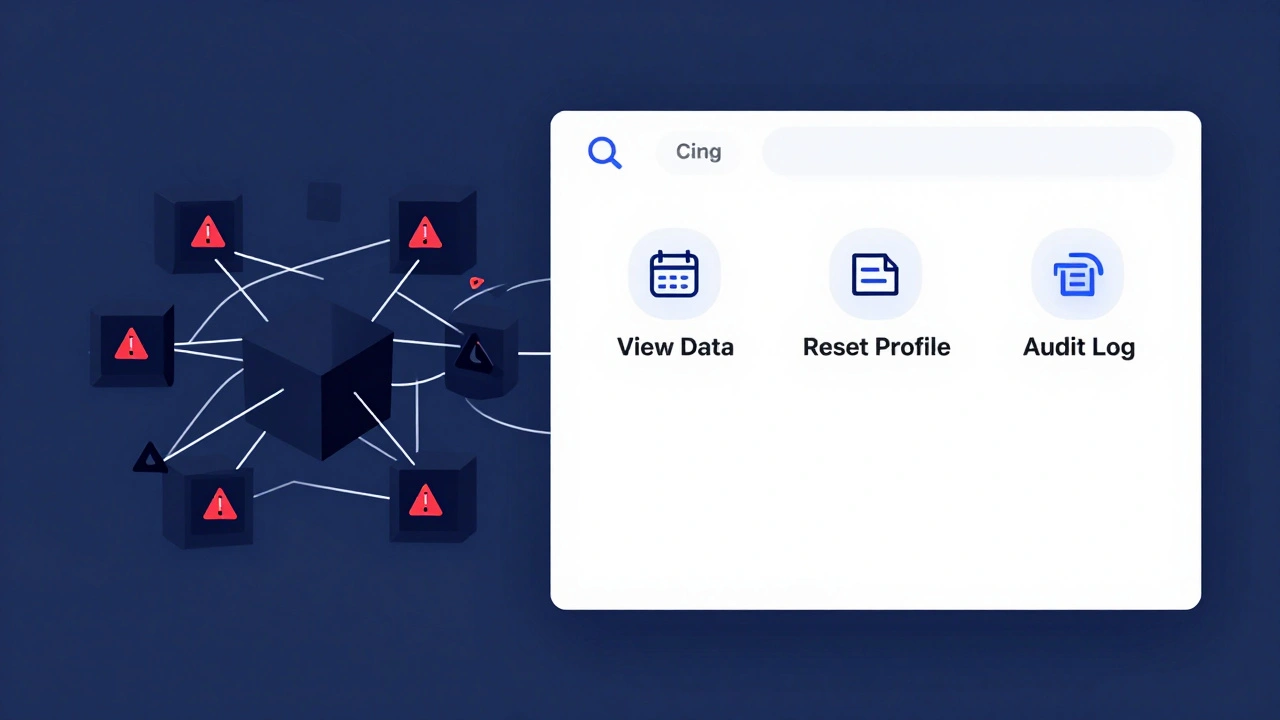
Platforms like OnlyFans and FanCentro now include basic transparency panels in user settings. Users can toggle off recommendations based on "similar creators," view their engagement history, and reset their recommendation profile. These aren’t perfect-but they’re steps forward.
Key Governance Principles
Building a governance framework for adult content algorithms isn’t about censorship. It’s about accountability. Five core principles guide this:
- Consent-based targeting: Never target users under 18. Never target users who haven’t opted into adult content recommendations.
- Non-discrimination in training: Algorithms must be tested for bias against gender, race, sexual orientation, and disability. A 2025 audit by the Digital Rights Institute found that recommendation systems pushed trans creators’ content 62% less than cisgender creators, even with equal engagement.
- Human oversight layers: Automated systems should flag edge cases, but humans must review high-risk recommendations before they go live.
- Right to explanation: If a user is blocked or their content is demoted, they must receive a clear reason-not a generic "policy violation."
- Regular third-party audits: Platforms must publish annual transparency reports showing how many recommendations were flagged, why, and how many were overridden by human reviewers.
These aren’t suggestions. They’re minimum standards. The European Union’s Digital Services Act now requires this level of transparency for all platforms serving EU users. Other regions are catching up.
How Platforms Are Doing It Right
Some platforms are proving this isn’t theoretical. Patreon’s adult content moderation system now includes:
- A "Why this recommendation?" tooltip on every suggested creator.
- A monthly digest showing users which content they interacted with and how it shaped their feed.
- An opt-out button labeled "Stop suggesting adult content based on my past activity."
Similarly, OnlyFans launched its "Recommendation Reset" tool in late 2025. Users can wipe their recommendation history and start fresh. The system then asks them to manually select creators they want to see-not guess based on past behavior.
These features reduced unintended exposure by 58% in six months, according to internal platform data. More importantly, user trust increased. People felt in control.
What Happens When Transparency Is Ignored
Platforms that refuse transparency face real consequences. In 2024, a major adult content platform was fined $12 million by the UK’s Information Commissioner’s Office after a child accidentally received 14 adult recommendations in one day. The platform had no user controls, no explanation labels, and no audit trail.
That case set a precedent. Regulators now treat opaque recommendation systems as a public safety risk. The same logic applies to dating apps, social networks, and marketplaces that allow adult content. If you can’t explain how your algorithm works, you can’t prove it’s safe.
Legal risk isn’t the only cost. Brand damage is worse. A 2025 survey by Pew Research showed that 68% of users would leave a platform if they found out its recommendations were unregulated. That’s not a niche concern-it’s a market-wide threat.

Building Your Own Governance Framework
If you’re running a platform that allows adult content, here’s how to start:
- Map your recommendation pipeline: Where does data come from? What triggers a suggestion? Document every step.
- Define your ethical boundaries: What content should never be recommended? (e.g., non-consensual material, underage-adjacent content, coercion-adjacent themes.)
- Build user controls: Let users see, edit, and reset their recommendation history.
- Partner with auditors: Hire independent researchers to test for bias and unintended exposure.
- Publicize your policy: Publish a simple, readable version of your recommendation rules on your website. No legal jargon.
Start small. Even one transparency feature-like a "Why this recommendation?" label-makes a difference. You don’t need to fix everything at once. But you do need to start.
What Users Can Do
You don’t have to wait for platforms to act. Here’s how to protect yourself:
- Check your account settings. Look for options to disable recommendations or reset your profile.
- Use browser extensions like "Recommendation Blocker" or "No More Guesswork" to hide algorithm-driven suggestions.
- Report vague or unexplained recommendations. Demand answers.
- Support platforms that publish transparency reports. Vote with your attention.
Transparency isn’t a gift from platforms. It’s a right-and it’s one users are starting to demand.
What does algorithm transparency mean for adult content recommendations?
Algorithm transparency means clearly explaining how and why specific adult content is recommended to users. It includes labeling the reason for each suggestion, letting users see and control the data used to make those decisions, and allowing independent audits of recommendation patterns. It’s not about revealing source code-it’s about making the system fair, explainable, and accountable.
Why can’t platforms just use AI to moderate adult content automatically?
AI can flag obvious violations, but it can’t understand context. A consensual video between adults might look identical to non-consensual content to an algorithm. Without human review and clear rules, automated systems cause more harm than good. That’s why transparency and human oversight are both required-not optional.
Are there laws requiring algorithm transparency for adult content?
Yes. The European Union’s Digital Services Act (DSA) requires platforms serving EU users to disclose how recommendation systems work, especially for adult content. The UK’s Online Safety Act and California’s Age-Appropriate Design Code also include transparency requirements. Other countries are following suit. Non-compliance risks heavy fines and legal action.
Can users really control what adult content they see recommended?
Yes-if the platform allows it. Leading platforms now offer tools to reset recommendation history, disable suggestions based on past behavior, and view what data is being used. If a platform doesn’t offer these, users should demand them. Control over recommendations is a fundamental privacy right.
What’s the biggest mistake platforms make with adult content recommendations?
The biggest mistake is assuming popularity equals safety. Algorithms trained to maximize engagement will push extreme, shocking, or harmful content because it gets clicks. This creates a feedback loop: more extreme content → more engagement → more recommendations. Transparency breaks that loop by forcing platforms to prioritize user safety over metrics.
Algorithm transparency isn’t about slowing down innovation. It’s about making sure innovation doesn’t come at the cost of safety. Platforms that embrace this will earn trust. Those that ignore it will face legal, financial, and reputational consequences. The choice isn’t between freedom and control-it’s between responsibility and risk.