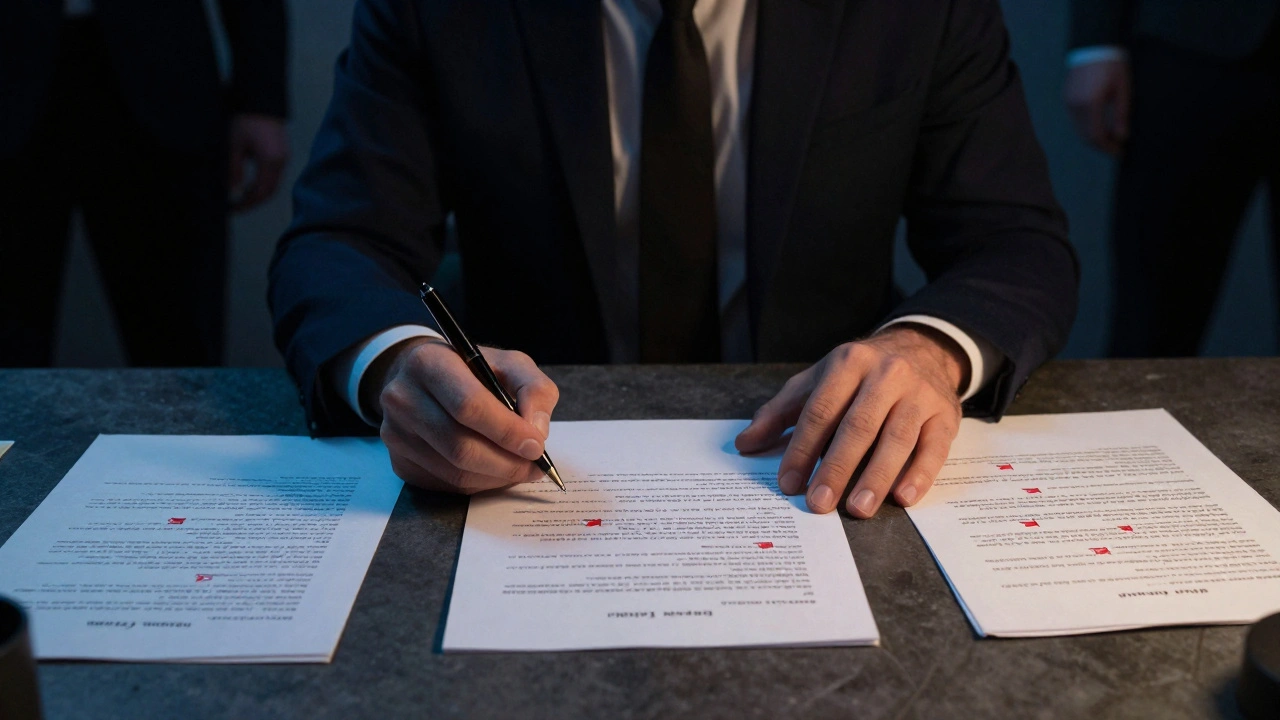

Signing a contract as an adult performer isn’t like signing a lease or a gym membership. These agreements can shape your career, your income, and even your personal freedom for years. Many performers don’t realize how much power these documents hold until they’re stuck in one they didn’t fully understand. If you’ve ever wondered why a studio won’t pay you after a scene, or why you can’t work for another company even after your shoot is done, the answer is usually hidden in three clauses: indemnities, morals clauses, and termination terms.
What Is an Indemnity Clause-and Why It Could Cost You Everything
An indemnity clause sounds like legal jargon, but it’s one of the most dangerous parts of your contract. In simple terms, it says: "If you do something that gets me sued, you pay for it." For adult performers, this often means you’re on the hook if someone claims you didn’t consent, if footage leaks without permission, or if a scene is later labeled as "non-consensual" by a third party-even if you clearly agreed at the time.
Here’s how it works in real life: A studio films you in a scene. Months later, someone uploads it to a site without their permission. The studio gets sued for copyright infringement. Under a broad indemnity clause, they’ll come after you for legal fees, settlement costs, and even lost profits-even if you had no control over the leak. Some contracts even demand you cover the studio’s attorney fees if they’re sued because of your name, image, or likeness being used.
Not all indemnity clauses are this extreme. Some studios offer limited indemnity, only covering claims directly tied to your performance. But many don’t. Always ask: "Does this cover me if someone else shares the content?" If the answer is "no," or if they refuse to clarify, walk away. You’re not just agreeing to perform-you’re agreeing to pay for their legal mistakes.
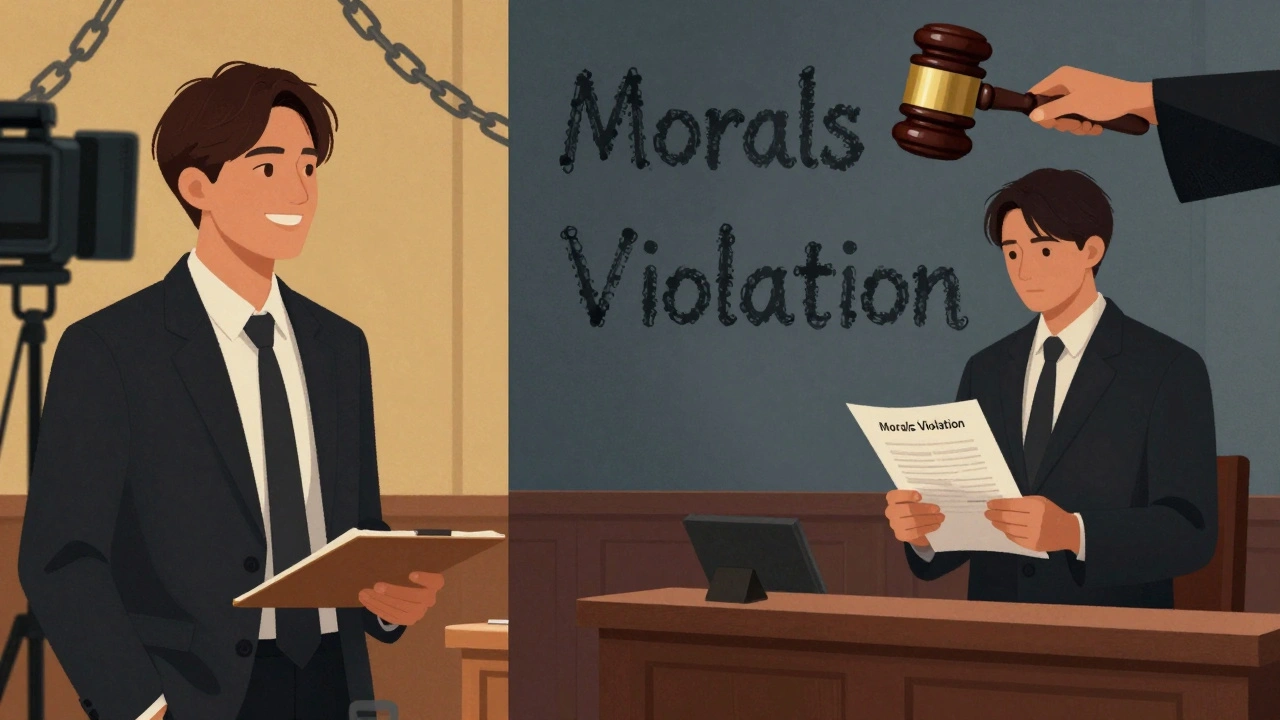
Morals Clauses: When Your Personal Life Becomes a Breach
A morals clause gives the studio the right to cancel your contract if you do something they deem "unethical," "immoral," or "damaging to their brand." Sounds vague? That’s the point. These clauses are intentionally broad so studios can use them as leverage.
Examples? You post a political opinion online. You get arrested for a minor offense-even if charges are dropped. You enter rehab for substance use. You date someone who later makes headlines. All of these have been used as grounds to terminate contracts and withhold payment.
In 2023, a performer in California had her contract terminated after she posted a tweet criticizing a studio owner’s behavior. The studio claimed it violated their morals clause. She had no legal recourse because she’d signed the clause without understanding it. No court, no union, no law protected her-just a paragraph buried in fine print.
Some studios now include "good faith" language, requiring them to prove actual harm to their brand before acting. Others still use language like "any conduct reflecting poorly on the company." Always ask: "What specific actions would trigger this clause?" If they can’t list them, demand it in writing. If they refuse, you’re signing away control over your private life.
Termination: How and When You Can Really Walk Away
Most performers assume they can quit anytime. That’s rarely true. Termination clauses often lock you in for months or years-even after your last shoot.
Some contracts say you can’t work for competitors for 12-24 months after termination. Others say you can’t use your stage name, likeness, or even your real name in any future work. Some even claim ownership of your body of work forever, regardless of when you left.
Here’s what to look for:
- Notice period: How much advance notice do you need to give before leaving?
- Payment upon termination: Will you still get paid for completed work if you leave early?
- Non-compete: Does it restrict you from working with other studios, even if they’re not direct competitors?
- Ownership rights: Does the studio own your performances indefinitely, or only for a set term?
In 2024, a performer in Oregon successfully challenged a 3-year non-compete clause in court. The judge ruled it was unenforceable because it didn’t protect a legitimate business interest-it just prevented competition. But that took two years, $15,000 in legal fees, and emotional stress. Don’t wait for a court to fix this. Read your contract before you sign.
What You Can Do Right Now
You don’t need a lawyer to protect yourself-but you do need to know what to ask for. Here’s what works:
- Get a copy of the contract before you shoot anything. Don’t sign on set.
- Ask for a 72-hour review period. Most studios will agree.
- Request a plain-language summary of the indemnity, morals, and termination clauses. If they won’t provide one, that’s a red flag.
- Use free legal resources: Organizations like the Free Speech Coalition and the Adult Performer Advocacy Committee offer contract reviews for members.
- Never sign a contract with blank spaces. If a term is left undefined, it’s a trap.
One performer in Portland refused to sign a contract until the studio added a clause that said: "Termination by performer shall not affect payment for completed work." They agreed. She’s been working consistently for two years since.

Why This Matters Beyond Your Paycheck
These clauses aren’t just about money. They’re about control. Indemnity clauses make you financially responsible for someone else’s actions. Morals clauses turn your personal choices into contractual violations. Termination terms can trap you in an industry you want to leave.
The adult industry has changed. Performers now have more power than ever-but only if they know how to use it. Contracts used to be one-sided. Now, more studios are competing for talent. That means you can negotiate. You can ask for limits. You can say no.
There’s no law that says you have to accept a contract that strips you of your rights. The only thing standing between you and a bad agreement is your willingness to read it-and ask questions.
Common Misconceptions
"I’m just doing one scene-I don’t need a lawyer."
One scene can lead to five years of restricted work. Contracts bind you long after the camera stops rolling.
"They wouldn’t sue me. I’m just a performer."
Studios sue performers all the time. Not to punish, but to protect their bottom line. Your name is an asset to them. If it becomes a liability, they’ll act.
"I can just quit if it gets bad."
Not if your contract says you owe them $10,000 for breaking it. Or if they own your stage name forever. Or if they can block you from working elsewhere.
Can a morals clause be enforced if I didn’t know what it meant?
Ignorance of the contract doesn’t make it invalid. Courts generally uphold contracts signed voluntarily-even if one party didn’t fully understand the terms. That’s why reading the contract before signing matters. If you were misled or pressured into signing, you may have grounds to challenge it, but you’ll need legal help. Always get a summary in plain language before signing.
Do I have to pay legal fees if the studio gets sued over my content?
Only if your contract says so. Many studios include indemnity clauses that force performers to cover legal costs if a lawsuit arises from their work. But not all clauses are enforceable. In some states, courts have ruled that indemnity clauses requiring performers to pay for a studio’s negligence are unconscionable. Always check your state’s laws and ask for limits on your liability.
Can I negotiate out of a non-compete clause?
Yes. Non-compete clauses in the adult industry are often unenforceable because they restrict your ability to earn a living. Many courts have thrown them out, especially if they’re too broad in time or scope. You can ask to shorten the period (e.g., 6 months instead of 2 years) or limit it to direct competitors. Some studios agree if you’re willing to sign an NDA instead.
What happens if I refuse to sign a contract?
Some studios will walk away. Others will pressure you. But refusing to sign is your right. Many performers who say no end up working with studios that respect boundaries. There are dozens of companies that offer fair contracts, especially those that work with performer advocacy groups. You don’t have to accept bad terms to work.
Is there a legal limit to how long a contract can last?
There’s no federal law setting a maximum term, but many states limit contracts to 7 years under the "Seven-Year Rule," originally designed for entertainment. Some courts have applied this to adult performers. Even if your contract says "indefinite," it may not hold up in court. Still, don’t rely on that-read the fine print and negotiate a clear end date.