
- 0
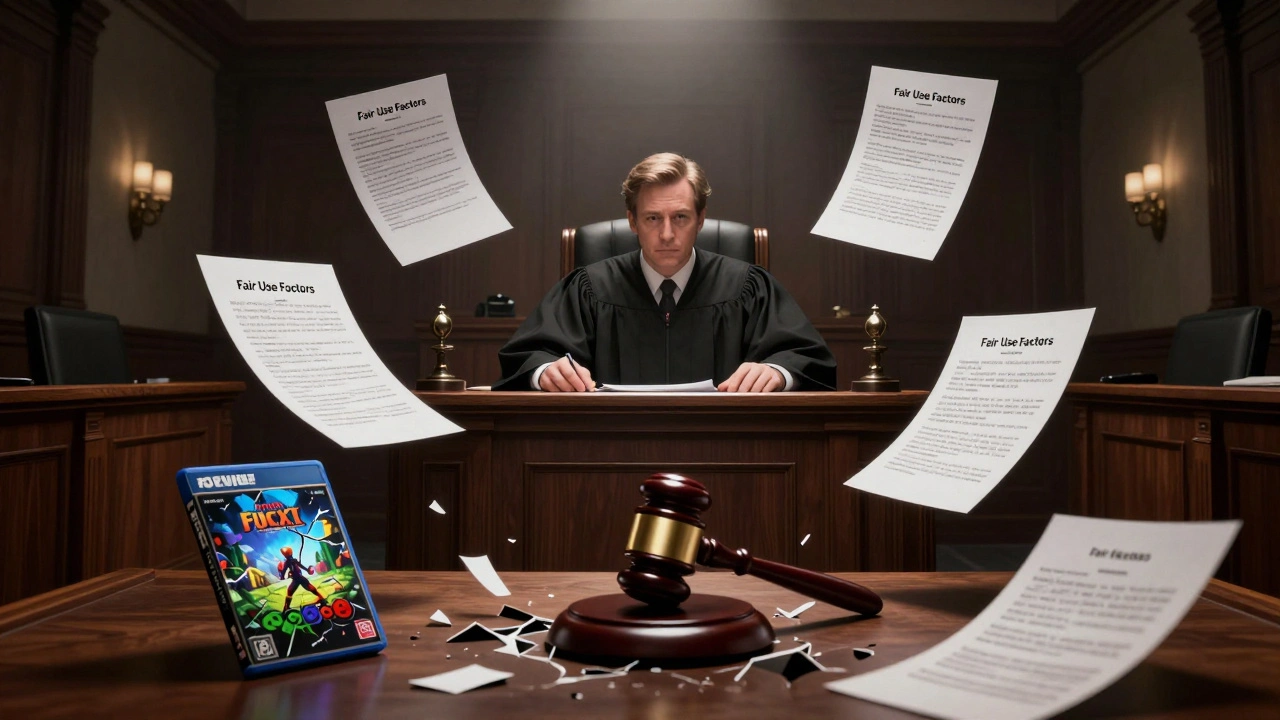
Using video game box art or gameplay footage in your videos, streams, or articles sounds simple-until you get a copyright strike. You bought the game. You recorded your playthrough. You even added a disclaimer: "No copyright infringement intended." But that doesn’t mean you’re safe. Fair use isn’t a free pass. It’s a legal defense, and it’s harder to claim than most creators think.
What Fair Use Actually Means
Fair use is a part of U.S. copyright law that lets you use someone else’s copyrighted material without permission-but only under very specific conditions. It’s not a right. It’s a defense you can raise if you get sued. Courts look at four things to decide if your use counts:
- The purpose and character of your use
- The nature of the copyrighted work
- The amount and substantiality of what you took
- The effect on the market for the original work
There’s no magic number. You can’t say, "I used only 10% of the footage, so it’s fine." Courts have ruled that even a few seconds of music or a single screenshot can be infringement if it’s the most important part. The same applies to box art. If you use the full cover image-the one with the main character, title, and logo-you’re likely using the "heart" of the work.
Transformative Use Is Your Best Shot
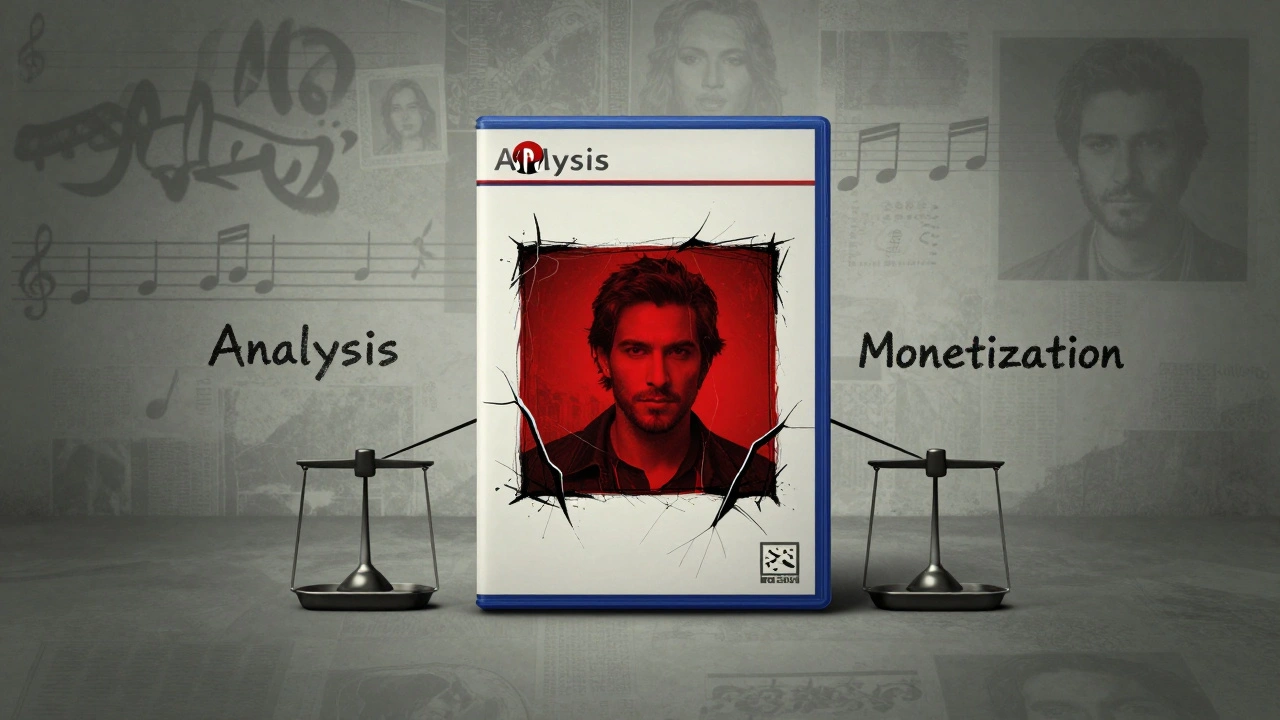
The strongest fair use case comes when you’re doing something new with the material. Not just showing gameplay. Not just slapping box art on a thumbnail. You need to add meaning. Criticism. Analysis. Commentary.
For example: If you’re making a video about how loot boxes exploit psychological triggers, and you use 30 seconds of gameplay footage to show how the system works-while explaining the mechanics, showing stats, and comparing it to real-world gambling-that’s transformative. You’re not just entertaining. You’re teaching.
But if you’re doing a Let’s Play with no commentary, just background music and reaction shots? That’s not transformative. It’s a substitute for someone else playing the game. And that’s risky.
Box Art Isn’t Just a Picture
Video game box art isn’t a random image. It’s a marketing tool. It’s designed to sell. Publishers spend thousands on artists, designers, and legal teams to make it stand out on shelves and digital storefronts. When you use that art in your thumbnail, banner, or video intro, you’re using it for the same reason they made it: to attract attention.
That’s a problem. Fair use doesn’t protect you if your use competes with the original. If your video gets 500K views because of the box art, you’re essentially piggybacking on their advertising. The publisher loses potential sales or clicks because you’re giving away the visual hook they paid for.
Even if you credit the publisher, that doesn’t help. Attribution isn’t permission. You still need a license-or a strong fair use argument.
Gameplay Footage Is Tricky Too
Not all gameplay is equal. If you’re streaming a 2-hour session of a single-player story game with no commentary, you’re walking a thin line. You’re not adding value. You’re just broadcasting someone else’s art.
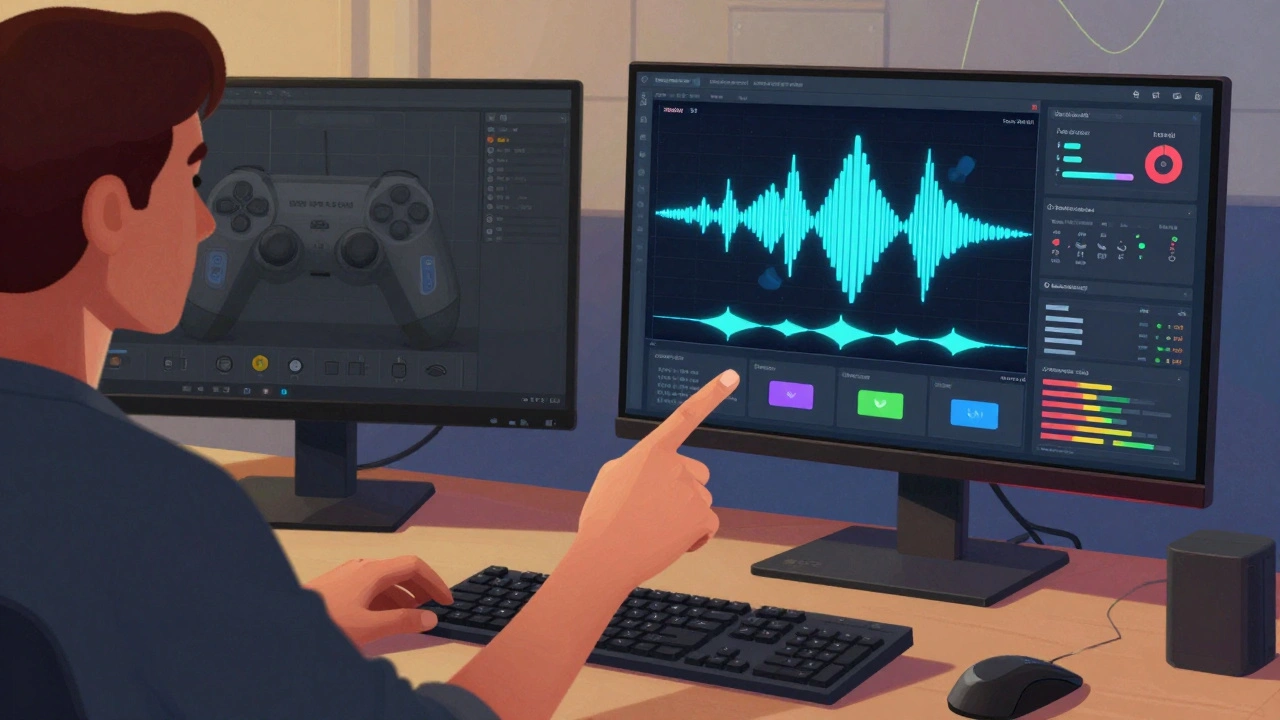
But if you’re making a breakdown of how the game’s AI handles enemy behavior, and you cut together 15 clips from different playthroughs to show patterns-that’s different. You’re using the footage as evidence. You’re not replacing the game. You’re analyzing it.
There’s also the "de minimis" exception. Courts have ruled that if the copyrighted material is barely visible or heard-like a blurry logo in the background of a sports game-it might not count. But that’s rare. You can’t rely on it.
Third-Party Content Can Trap You
Many games include things you didn’t create. Music. Graffiti. Brand logos. Real people.
Let’s say you’re playing a game like GTA VI and a song by a famous artist plays in the background. Even if Rockstar (the game maker) licensed that song for the game, that license doesn’t extend to you. The music label can still issue a takedown. Same with street art. If you capture a mural in-game and it’s copyrighted, the artist can claim infringement.
And don’t forget publicity rights. If you use footage of a player who looks exactly like LeBron James in a basketball game, and you’re monetizing the video, you could be sued by the real person. Their likeness is protected under state law. You don’t need a copyright claim to get in trouble.
Disclaimers Don’t Work
You’ve seen them: "I don’t own this. All rights go to the publisher. This is fair use."
They’re useless. Courts don’t care. Saying "this is fair use" doesn’t make it true. It’s like writing "I didn’t steal this" on a stolen bike. It doesn’t change the law.
In fact, in the Ninth Circuit (which includes Oregon, California, and Washington), courts have started requiring creators to show they actually considered the four fair use factors before posting. If you just slap on a disclaimer and move on, you might be seen as reckless-not innocent.
When to Get Legal Advice
If you’re building a channel, podcast, or YouTube series around game analysis, you need more than guesswork. If you’re making money off it. If you’re using more than 30 seconds of footage per video. If you’re using box art in your thumbnails or branding.
Then you need a fair use opinion letter from a copyright lawyer. It costs a few hundred dollars. It’s not cheap. But it’s cheaper than a lawsuit.
Some publishers have clear rules. Nintendo, for example, allows monetized gameplay videos if you follow their Creator Guidelines. Sony and Microsoft have similar policies. But these aren’t legal guarantees. They’re licenses that can be revoked. If you’re serious about long-term content, don’t rely on corporate policies. Know the law.
What You Should Do Instead
- Use your own screenshots or recorded footage-but only if you’re analyzing it, not just showing it.
- Replace box art with your own design. Use a generic game icon or create a custom thumbnail.
- Use short clips (under 10 seconds) that are clearly necessary to make your point.
- Always add original commentary, voiceover, or on-screen analysis. Don’t just let the footage speak.
- When in doubt, ask for permission. Many indie devs are happy to let you use their art if you ask nicely.
- For big projects, get a legal opinion. It’s not overkill. It’s insurance.
Final Reality Check
Fair use is not a loophole. It’s a shield you hold up after you’ve already been hit. And the courts rarely side with creators who use game content just because they think it’s "harmless." Video games are complex works with dozens of copyrightable layers. Box art. Music. Code. Character designs. Sound effects. Each one is owned by someone. You can’t assume that because you bought the game, you own the right to use its parts.
The safest path? Don’t use what you don’t have permission for. If you’re making content that adds value-analysis, education, critique-you might have a case. But if you’re just repackaging the game to get views, you’re asking for trouble.
Can I use video game box art in my YouTube thumbnail?
Using the full box art in your thumbnail is risky. It’s a direct copy of a copyrighted marketing image, and it’s used to attract clicks-exactly what the publisher designed it for. Courts see this as market substitution. Even if you link to the game, you’re still competing with their official promotion. Use a custom thumbnail instead.
Is it fair use if I only use 5 seconds of gameplay?
Length doesn’t guarantee fair use. If those 5 seconds show the most important moment of the game-the final boss fight, the iconic ending, or the main character’s signature move-you’re using the "heart" of the work. Courts care more about importance than duration. If you’re analyzing that moment, you have a better chance. If you’re just showing it for entertainment, you’re still infringing.
Can I monetize a video that shows gameplay footage?
Monetization alone doesn’t kill fair use, but it makes it harder. Commercial use weighs against fair use. If your video is purely entertainment with no commentary, analysis, or critique, monetizing it looks like you’re profiting off someone else’s work. If you’re teaching, reviewing, or critiquing, and the footage is minimal and necessary, you might still qualify-but you’ll need strong evidence you’re adding value.
What if the game publisher says it’s okay?
Some publishers allow fan content under specific rules. That’s a license, not fair use. It’s a gift they can take away. If they change their policy tomorrow, you could lose your channel. Fair use doesn’t depend on their permission. But if you rely on their rules, you’re not protected by law-you’re protected by their goodwill.
Do I need permission for music in my gameplay video?
Yes. Even if the music is part of the game, the copyright belongs to the composer or record label-not the game studio. They can issue a takedown even if the game publisher doesn’t care. The only safe options are using royalty-free music, original soundtracks, or getting explicit permission from the music rights holder.