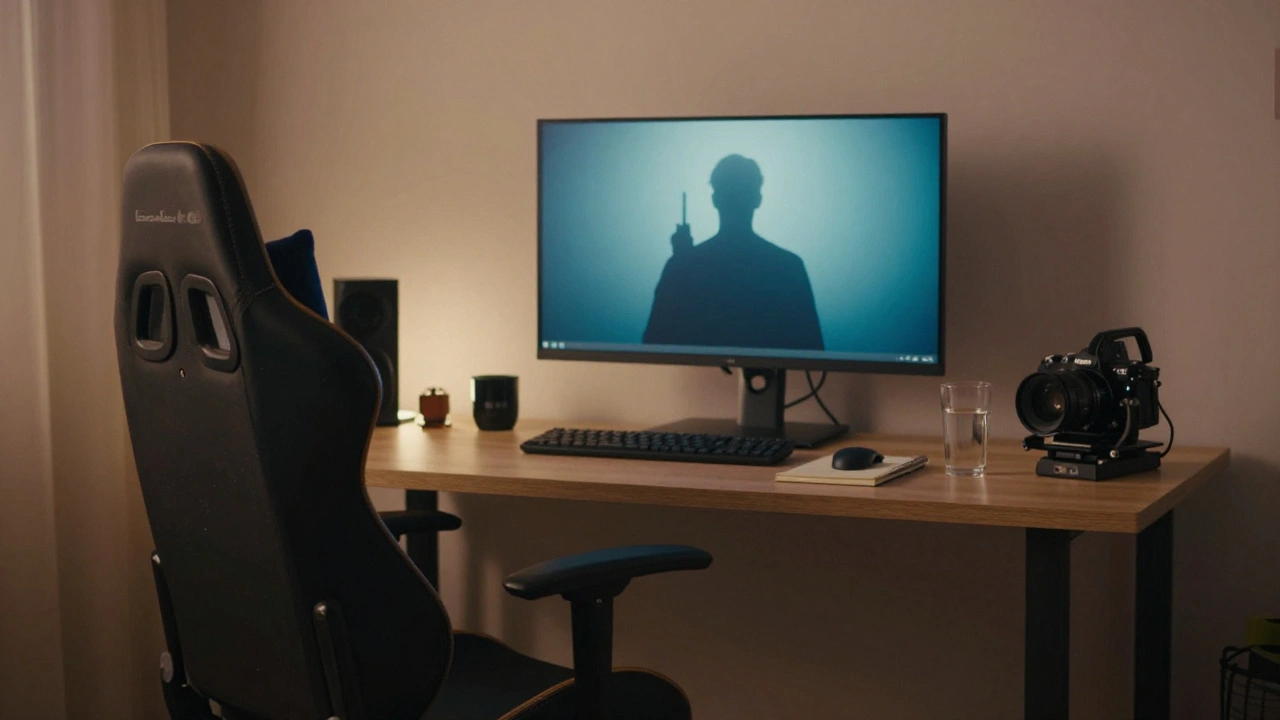

The camera never sleeps, but you do. That's the first rule of surviving this industry. Many performers treat their streaming time like a marathon, pushing through the fatigue until the eyes blur and the reactions slow down. You feel the weight of every interaction. It isn't just physical exhaustion; it's the emotional toll of constant performance. Adult Webcam Models deal with unique pressures that standard office jobs simply don't have. Your environment is your studio, your home, and sometimes your bedroom. Blending these spaces creates friction.
Adult Webcam Models face high levels of emotional labor, requiring robust stress management strategies to maintain long-term career health. In 2026, the platforms are faster, expectations are higher, and the competition feels relentless. If you ignore stress management, burnout hits hard and fast. You need a system that works alongside your irregular schedule, not against it.
Recognizing the Specific Triggers
Before you fix the problem, you need to name it clearly. Generic advice like 'take deep breaths' doesn't account for a user requesting something invasive at 3 AM. Understanding where the tension comes from helps you build better defenses. Most stress falls into three buckets for performers: boundary violations, income instability, and social isolation.
Burnout often starts quietly. You might skip dinner because a viewer tipped. You might stay online past your planned time just to finish a chat session. These small compromises stack up. By the time you feel drained, you've been operating in survival mode for weeks. Identifying these early warning signs saves your energy for when it matters most.
The Pre-Shift Ritual
Starting a shift cold is dangerous for your mental state. You need a transition period between your private self and your performer persona. This buffer zone sets the tone for the next few hours. A structured pre-shift routine acts as armor before you go live.
- Physical Warm-up: Spend ten minutes stretching. Tight shoulders often hold onto suppressed tension. Loose muscles react better to movement.
- Environment Check: Adjust lighting and temperature. Harsh fluorescent lights spike cortisol. Soft, warm bulbs keep your nervous system calm.
- Mental Anchoring: Write down three intentions for the session. Examples include 'I will enforce my limits today' or 'I will focus on joy.' Review them right before hitting stream.
This preparation separates your personal space from your workspace. When the shift ends, returning to this space becomes easier because you haven't saturated it with work energy prematurely.
Navigating the Stream Session
Once you go live, distractions multiply. Notifications pop, chat moves fast, and you feel pressured to respond instantly. Staying present without absorbing every emotion requires technique. Implementing micro-breaks helps reset your internal clock.
If a chat gets toxic, don't engage internally. Privacy Settings on major platforms allow you to ban users immediately. Use them without guilt. Protecting your peace is part of the job requirements. Spending fifteen minutes arguing with a troll costs more than the tips they might give.
| Time Slot | Routine Focus | Danger Zone |
|---|---|---|
| Morning | Hydration & Light | Sleep inertia affecting mood |
| Afternoon | Fuel & Snacks | Blood sugar crashes |
| Night | Screen Filters | Circadian rhythm disruption |
Keep water within arm's reach. Dehydration mimics anxiety symptoms. Throat irritation or dry mouth signals you are holding too much tension. Drinking a full glass of water forces a pause and gives you a moment to reset your breathing pattern.
Shutdown Protocols
Ending the stream is critical. Stopping abruptly leaves your brain in high-alert mode. You need a clear signal that the work day is over. Creating a shutdown ritual tells your body it's safe to relax now.
Turn off the main lighting immediately. Dim the room to simulate evening naturally. Wash your face or change clothes to physically mark the transition. Do not browse other profiles immediately after going offline. Scrolling feeds keeps you in the performance cycle even when you aren't broadcasting.
Schedule at least thirty minutes of silence. This means no phone, no email, no messages. Just quiet. This gap prevents work thoughts from bleeding into sleep time. Without this buffer, insomnia often follows late-night shifts.
Dealing with Isolation
Working alone for hours a day breeds loneliness. Even when chat is active, the connection is transactional. Real human contact outside the screen is vital. Schedule non-work meetups weekly. Friends who don't know the industry details provide normalcy.
Online Community support groups offer peer validation. Talking to someone who understands the specific nuances of camera work relieves pressure. Venting to a partner often creates distance; venting to a peer creates solidarity.
Managing Financial Anxiety
Income fluctuates in this line of work. Variations in tip volume trigger stress waves that affect performance. Building an emergency fund reduces the panic of low earnings days. Treat yourself as a business owner rather than an employee.
Separate finances completely. Business accounts for expenses and taxes prevent mixing personal budget stress with business income stress. Knowing you have covered rent or bills for the month allows you to focus on the stream quality instead of the numbers.
Professional Support Options
Sometimes coping mechanisms aren't enough. Reaching out for help shows strength, not weakness. Therapists familiar with adult industry work understand the stigma and legal boundaries involved. Therapeutic Support provides tools tailored to your specific stressors.
Consider finding a specialist listed on directories specifically for sex workers or performers. They navigate safety protocols regarding confidentiality differently. Regular check-ins act as maintenance for your mind, similar to maintaining your streaming gear.
Frequently Asked Questions
How do I tell friends about my job without causing stress?
Set boundaries before sharing. Explain what you are comfortable discussing and what topics remain private. You don't owe anyone full transparency if it creates family tension.
What should I do if I miss a scheduled shift?
Prioritize rest. Missing a shift occasionally is better than performing while burnt out. Apologize professionally if needed, then focus on recovery rather than making up lost time immediately.
Is it normal to feel dread before turning on the camera?
Yes, this happens frequently among creators. It usually signals unmet needs like sleep, food, or emotional boundaries. Address those basic needs first before attempting to stream.
How can I improve sleep quality after night shifts?
Use blackout curtains and keep the room cool. Avoid blue light exposure one hour before bed. Consistent wake-up times anchor your circadian rhythm regardless of sleep time.
When should I take a complete break from streaming?
Plan breaks every six months. Continuous work degrades creativity and increases sensitivity to stressors. A week-long detox lets you return with fresh energy and perspective.
How do I tell friends about my job without causing stress?
Set boundaries before sharing. Explain what you are comfortable discussing and what topics remain private. You don't owe anyone full transparency if it creates family tension.
What should I do if I miss a scheduled shift?
Prioritize rest. Missing a shift occasionally is better than performing while burnt out. Apologize professionally if needed, then focus on recovery rather than making up lost time immediately.
Is it normal to feel dread before turning on the camera?
Yes, this happens frequently among creators. It usually signals unmet needs like sleep, food, or emotional boundaries. Address those basic needs first before attempting to stream.
How can I improve sleep quality after night shifts?
Use blackout curtains and keep the room cool. Avoid blue light exposure one hour before bed. Consistent wake-up times anchor your circadian rhythm regardless of sleep time.
When should I take a complete break from streaming?
Plan breaks every six months. Continuous work degrades creativity and increases sensitivity to stressors. A week-long detox lets you return with fresh energy and perspective.