
Most people think limited edition video games are just fancy boxes with extra stuff inside. But for a small group of collectors and investors, these games are becoming serious assets. Some sealed copies of modern limited editions have already doubled or tripled in value within just a few years. The question isn’t whether they can appreciate-it’s which ones will.
Scarcity Is the Only Real Rule
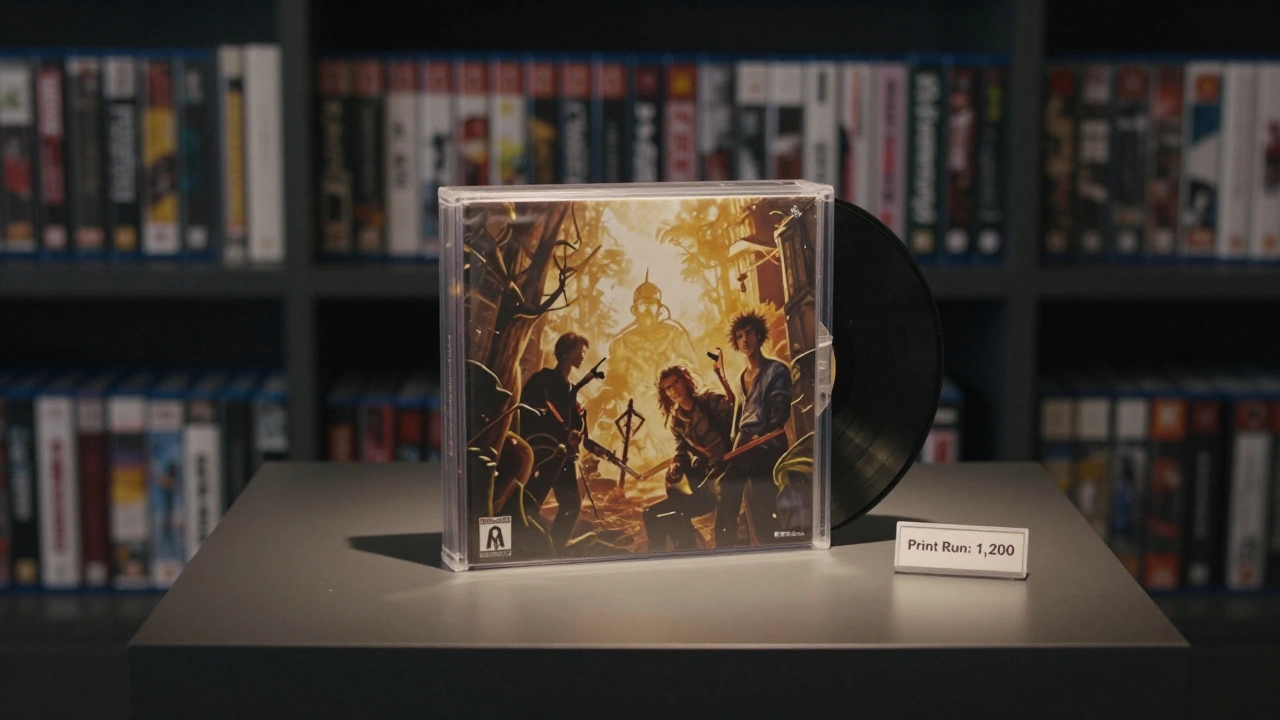
Not all limited editions are created equal. A game labeled "limited edition" with 50,000 copies printed? That’s not limited. That’s just marketing. The games that actually go up in value are the ones with print runs under 5,000. Some publishers don’t even announce how many they made-those are the ones to watch. If you see a game with a print run of 1,200 or 2,500, especially if it’s from a smaller studio or indie publisher, you’re looking at real scarcity. Compare that to a AAA game like Call of Duty a mainstream first-person shooter franchise with annual releases and collector’s editions that typically sell millions of copies. Those rarely hold value. Why? Because they’re everywhere. Scarcity doesn’t come from a sticker on the box-it comes from how many were actually made.
Condition Is Everything
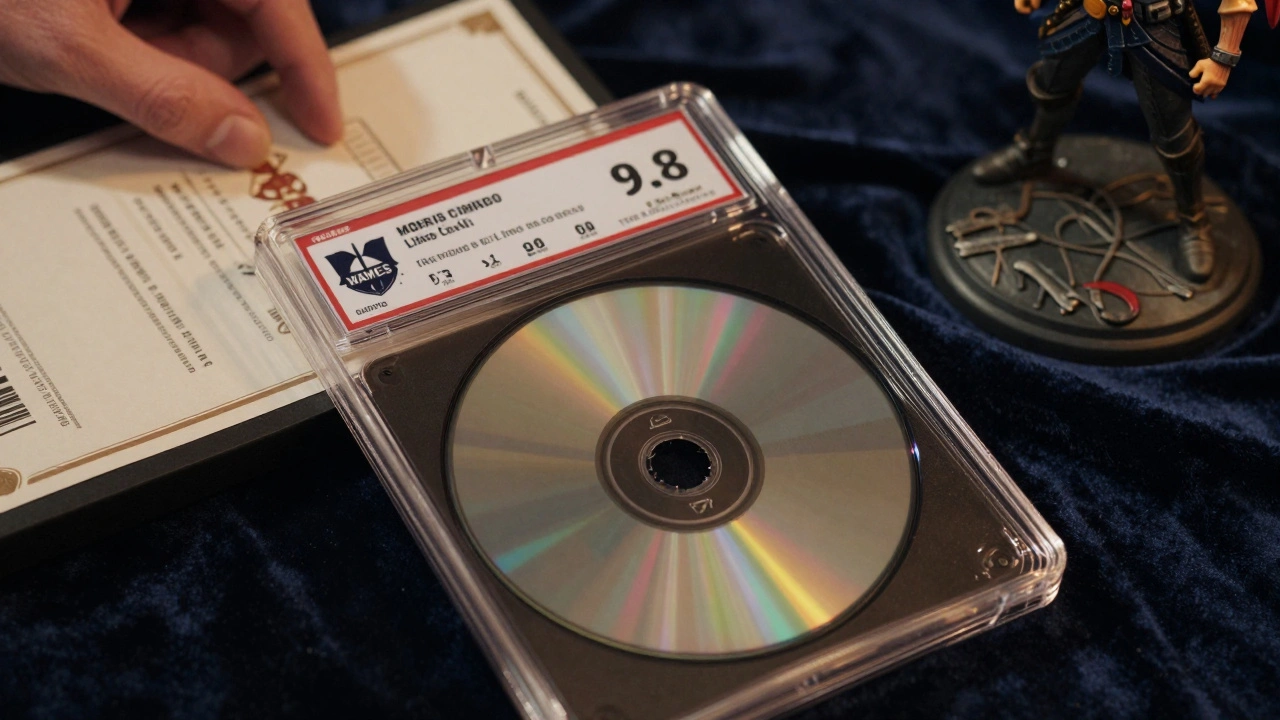
A sealed copy of a limited edition game can be worth 50 to 100 times more than an opened one. That’s not hype. That’s fact. Look at retro games: a sealed Super Mario Bros. the 1985 Nintendo Entertainment System title that became one of the most valuable video games in history, with sealed copies selling for over $1 million sold for $1.56 million. An opened copy? Maybe $80. The same math applies today. If you want your game to appreciate, it must stay sealed. No opened box. No missing inserts. No scratched discs or damaged cases. The grading standards used for retro games-like PSA 9.8 or Wata 9.2-are starting to be applied to modern releases. Companies like Wata Games and PSA now grade modern limited editions. A game graded 9.8 can sell for double or triple the price of a 9.0. Treat it like fine art: keep it in climate-controlled storage, away from sunlight and humidity.
What’s Inside Matters More Than the Box
It’s not just about the game disc or cartridge. The physical extras are what create real value. Artbooks printed on thick, coated paper. Soundtracks on vinyl or CD with original artwork. Figurines made of high-quality PVC with hand-painted details. Signed and numbered certificates. These aren’t throwaways-they’re collectible artifacts. Take Unicorn Overlord a 2024 tactical RPG with a special edition that included a physical card game, artbook, and full orchestral soundtrack on CD. The card game alone has resale value because it’s unique, limited, and playable. Compare that to a digital bonus like a skin code or early access. Those vanish when servers shut down. Physical items last. And if the figurine is from a character that became iconic-like the Elden Ring a 2022 action RPG from FromSoftware that spawned a massive collector’s market for its limited editions statue of Radahn? That’s a future trophy piece.
Franchise Legacy Isn’t Just About Popularity
Just because a game is from a big franchise doesn’t mean it’ll hold value. Final Fantasy a long-running Japanese role-playing game franchise with numerous limited editions across decades has had dozens of collector’s editions. Only a few stand out-like the 1997 Final Fantasy VII the landmark 1997 PlayStation RPG that revolutionized the JRPG genre and remains one of the most influential games in history box, because it changed gaming. The same goes for The Legend of Zelda a Nintendo franchise that began in 1986 and has produced multiple iconic entries, many with highly sought-after limited editions. It’s not the brand-it’s the moment. A game that introduced a new mechanic, broke sales records on launch day, or became a cultural touchstone has the best chance. Look for titles that were talked about for months before release, had delayed launch dates, or were announced as "a passion project" by the studio. Those signals matter more than marketing budgets.
Regional Exclusives Are Hidden Gems
Some games were only sold in one country. Japan, South Korea, or parts of Europe. These are often the most valuable. Take Pokémon Snap a 1999 Nintendo 64 game that had a Japan-exclusive limited edition with a unique packaging design and bonus items. The Japanese version sells for 3x the price of the North American one. Why? Because it was never officially released elsewhere. Today, games like Lords of the Fallen a 2024 action RPG with a Japan-only collector’s edition featuring a steelbook and exclusive art card are following the same pattern. If you see a game with region-specific packaging, language options, or bonus items only available in one market-it’s likely to appreciate. Track Japanese pre-orders. Monitor Korean gaming forums. These are the places where true scarcity hides.
Don’t Trust the Hype
Every year, a dozen games get marketed as "the next collectible classic." Most flop. Why? Because hype ≠ value. Look at South Park: Snow Day! a 2024 video game with a collector’s edition that included novelty items like a toilet paper roll holder, which became a meme but lacks long-term collectible appeal. The toilet paper roll? It’s funny. But it’s not valuable. Collectors don’t want gimmicks. They want substance. A game with a 100-page artbook, a 24-track vinyl soundtrack, and a limited numbered certificate? That’s substance. A plush toy and a keychain? That’s trash. The market rewards depth, not novelty. Also, avoid games tied to short-lived trends. A game based on a viral TikTok meme? It’ll fade fast. A game that taps into enduring themes-mythology, war, survival, exploration? That’s lasting.
Watch the Buyers, Not the Sellers
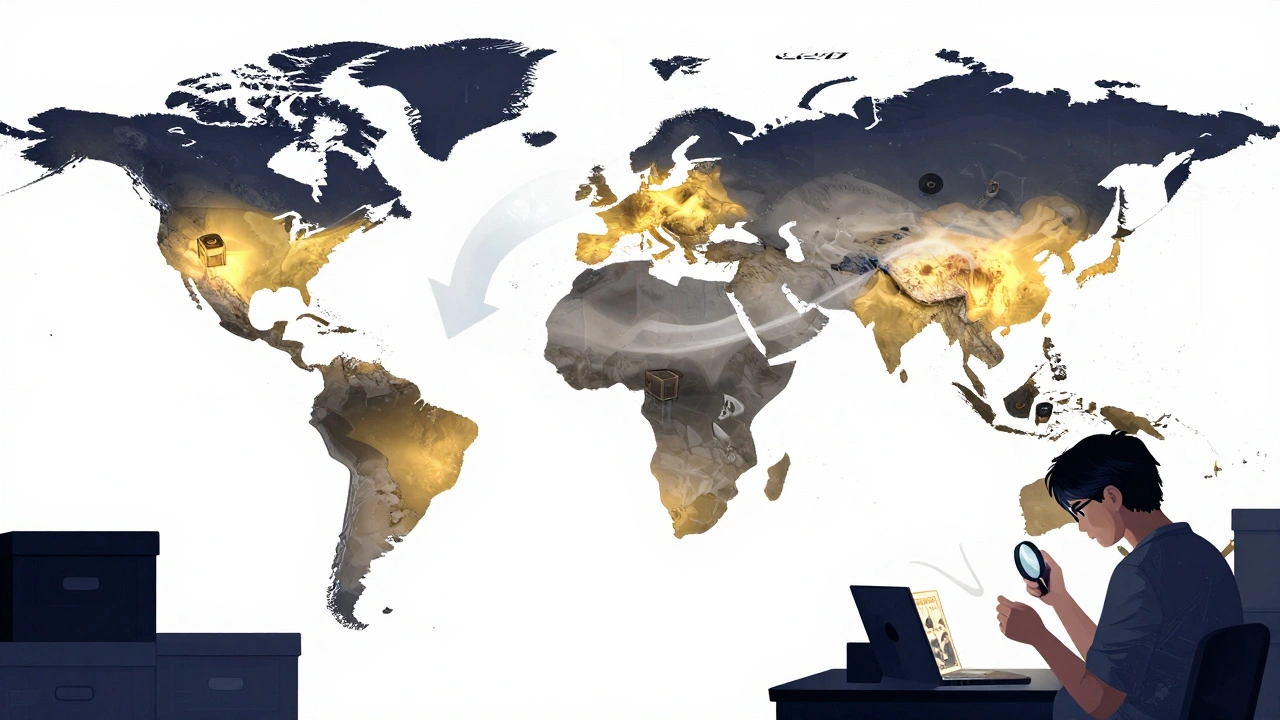
The people buying these games aren’t kids. They’re 30- to 50-year-olds who grew up with these franchises. In the U.S., 60% of people don’t care about limited editions. But in places like Indonesia (35%), the UAE (37%), and India (31%), demand is rising. Why? Because these markets have growing middle classes with disposable income and strong nostalgia for 90s and early 2000s games. The real price surge happens when a generation hits peak earning years. That’s happening now. If you’re tracking sales, look at eBay and specialized auction houses like Heritage Auctions. Notice which games are getting multiple bids? Which ones sit unsold for months? That’s your signal. A game that sells quickly at 2x MSRP? Good sign. One that drops to 70% of retail? Walk away.
Know the Risks
This isn’t a get-rich-quick scheme. It’s a long game. Liquidity is a nightmare. You might own a $5,000 game and have no idea who to sell it to. Grading can be inconsistent. Counterfeit boxes are everywhere. A fake numbered certificate can look real. And if the publisher goes under? The game’s digital extras vanish. You’re left with a physical shell. The market moves slowly. It can take 3 to 7 years for a game to appreciate meaningfully. Don’t buy hoping to flip in six months. Buy because you believe in the game’s legacy. Treat it like a收藏品, not a stock.
Where to Start
Start small. Pick one game from 2023 or later with:
- A print run under 5,000
- Physical extras (artbook, vinyl, figurine)
- From a franchise with lasting cultural weight
- Sealed and graded (if possible)
Monitor forums like Reddit’s r/GameCollecting and the collector sections of GameFAQs. Join Discord servers focused on limited editions. Talk to sellers-not just buyers. Ask why they’re selling. Are they cashing out? Or are they moving to a new collection? The answers will tell you more than any price chart.
Can modern limited edition video games really appreciate like retro games?
Yes, but only under strict conditions. Retro games appreciate because they’re old, scarce, and culturally significant. Modern limited editions can too-if they’re truly limited (under 5,000 copies), sealed, packed with physical collectibles, and tied to a franchise with lasting impact. Most won’t. A few will. The key is identifying those few early.
Is grading really worth it for modern games?
If you plan to sell or invest, yes. Grading from Wata or PSA adds trust and transparency. A sealed copy graded 9.8 can sell for 2x the price of an ungraded one. It also makes resale easier, because buyers know exactly what they’re getting. For games with print runs under 1,000, grading is almost mandatory.
Should I buy limited editions just because they’re expensive?
No. High price doesn’t mean future value. Many games spike in price due to hype or short-term demand, then crash. Look at the underlying factors: scarcity, physical extras, franchise legacy. If those aren’t there, the price is likely artificial. Buy for substance, not status.
What’s the best way to store sealed limited edition games?
Keep them in a cool, dry place away from direct sunlight. Use acid-free boxes or archival-quality sleeves. Avoid basements or attics. Temperature swings and humidity are the biggest enemies. Some collectors use climate-controlled safes or museum-grade storage. Even small changes over time can degrade packaging, reducing value by 30% or more.
Are digital bonuses like skins or weapons worth anything?
No. Digital content has zero resale value. Servers shut down. Licenses expire. Even if a skin is rare, it’s tied to a platform that can disappear overnight. Real value comes from physical items you can hold, display, and pass down. Stick to games with tangible extras.
Which regions have the strongest demand for modern limited editions?
The UAE, Indonesia, and India lead in purchase intent, with over 30% of consumers open to limited editions. Japan and South Korea have the deepest collector bases, especially for region-specific releases. In contrast, the U.S. and U.K. show the highest indifference, with over 58% of consumers saying limited editions don’t influence their buying. Focus on global markets, not just your own.
How do I verify if a limited edition is authentic?
Buy from reputable sellers with clear photos and provenance. Look for official certificates, serial numbers, and publisher seals. Check forums for known counterfeits. If the price seems too good to be true, it probably is. Graded copies from Wata or PSA are the safest bet-they come with tamper-proof packaging and verification.