

Working in the adult entertainment industry doesn’t mean you lose your right to safety, respect, or dignity. Too many performers face harassment, coercion, or physical abuse - and too many don’t know how to report it without losing their livelihood. If you’ve been mistreated, you’re not alone. And you don’t have to stay silent.
What counts as workplace abuse?
Abuse in this industry doesn’t always look like violence. It can be subtle, sneaky, and hard to name. But if it makes you feel unsafe, disrespected, or pressured, it’s abuse. Common forms include:
- Being forced to perform acts you didn’t agree to
- Threats to cut pay, cancel contracts, or leak private content if you complain
- Sexual advances from producers, directors, or coworkers that make you uncomfortable
- Being denied breaks, water, or medical care during shoots
- Receiving payment below agreed terms or being charged for equipment, cleaning, or "insurance"
- Being isolated on set with no one else present - no crew, no chaperone, no witnesses
These aren’t "just part of the job." They’re violations of basic human rights - and in many cases, they’re illegal.
Document everything
Before you report anything, start collecting proof. Paper trails save lives. Even if you’re scared, write it down. You don’t need fancy tools - just a notebook, your phone, or a secure cloud folder.
- Write down dates, times, locations, and names of everyone involved
- Save texts, emails, DMs, or voice messages that show pressure or threats
- Record audio or video if it’s legal in your state (Oregon allows one-party consent)
- Keep copies of contracts, payment receipts, and any communication about boundaries
- Take screenshots of social media posts where someone admits to mistreatment
Don’t wait for "enough" evidence. Start now. Even small details matter. You’re not trying to "prove" you’re a victim - you’re building a record so others can’t erase what happened.
Who can you report to?
There are more options than you think. You don’t have to go to the police first - though you can. Here are five trusted paths:
- Performer advocacy groups - Organizations like the Adult Performer Advocacy Network (APAN) and the Free Speech Coalition offer confidential help. They have legal teams, counselors, and connections to law enforcement who understand this industry.
- Unionized production companies - If you work with companies that are part of the Free Speech Coalition, they’re required to have a written anti-harassment policy. Report to their HR department. They’re legally bound to investigate.
- State labor boards - In Oregon, the Bureau of Labor and Industries (BOLI) handles workplace harassment claims. You can file anonymously. They don’t need your real name to start an investigation.
- Online platforms - Sites like OnlyFans, ManyVids, and Patreon have policies against coercion. If someone is abusing you to get content, report them directly. These platforms can ban users and freeze payments.
- Law enforcement - If you’re in physical danger, call 911. If you’re unsure, contact your local police department’s victim services unit. Many have officers trained specifically for sex worker safety.
Many performers fear retaliation. But here’s the truth: most companies that abuse performers are already breaking laws. Reporting them doesn’t put you at risk - it exposes their illegal behavior.
How to stay safe while reporting
Reporting abuse is brave. But it can also be risky. Protect yourself:
- Use a burner phone or encrypted messaging app like Signal to communicate with advocates
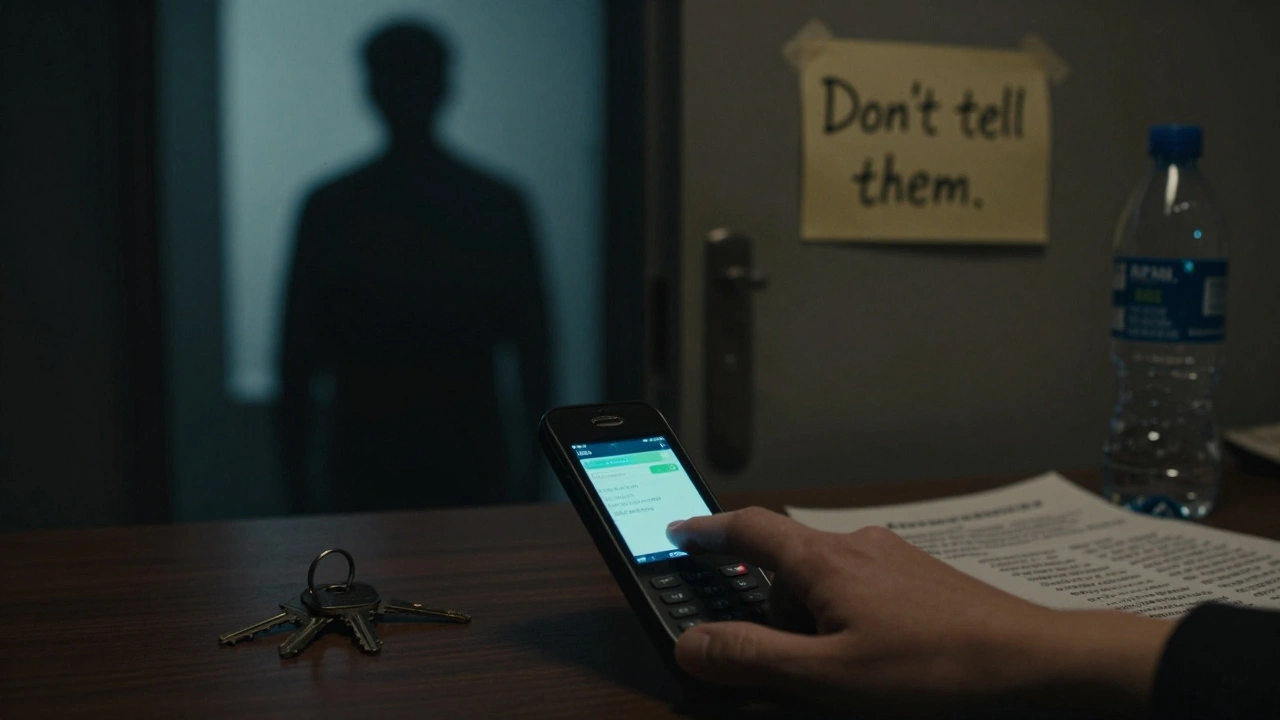
- Don’t tell your abuser you’re reporting them - not even in passing
- Change passwords on all accounts tied to your work - email, social media, payment apps
- Consider temporarily stepping away from filming while you gather support
- Reach out to trusted peers. You’re not alone. Many others have been through this.
There’s no shame in taking time. Healing isn’t linear. You don’t have to report everything at once. One step is enough.
What happens after you report?
When you report to an advocacy group or labor board, they’ll likely:
- Assign you a case manager who speaks your language and understands your industry
- Help you file a formal complaint without exposing your identity
- Connect you with free legal aid if you want to sue or press charges
- Work with law enforcement to gather evidence - without putting you on the spot
- Help you access counseling, medical care, or housing support if needed
Some reports lead to investigations that shut down abusive studios. Others lead to policy changes - like mandatory chaperones or live-streamed safety checks during shoots. Every report adds pressure. And pressure changes systems.
Why this matters beyond you
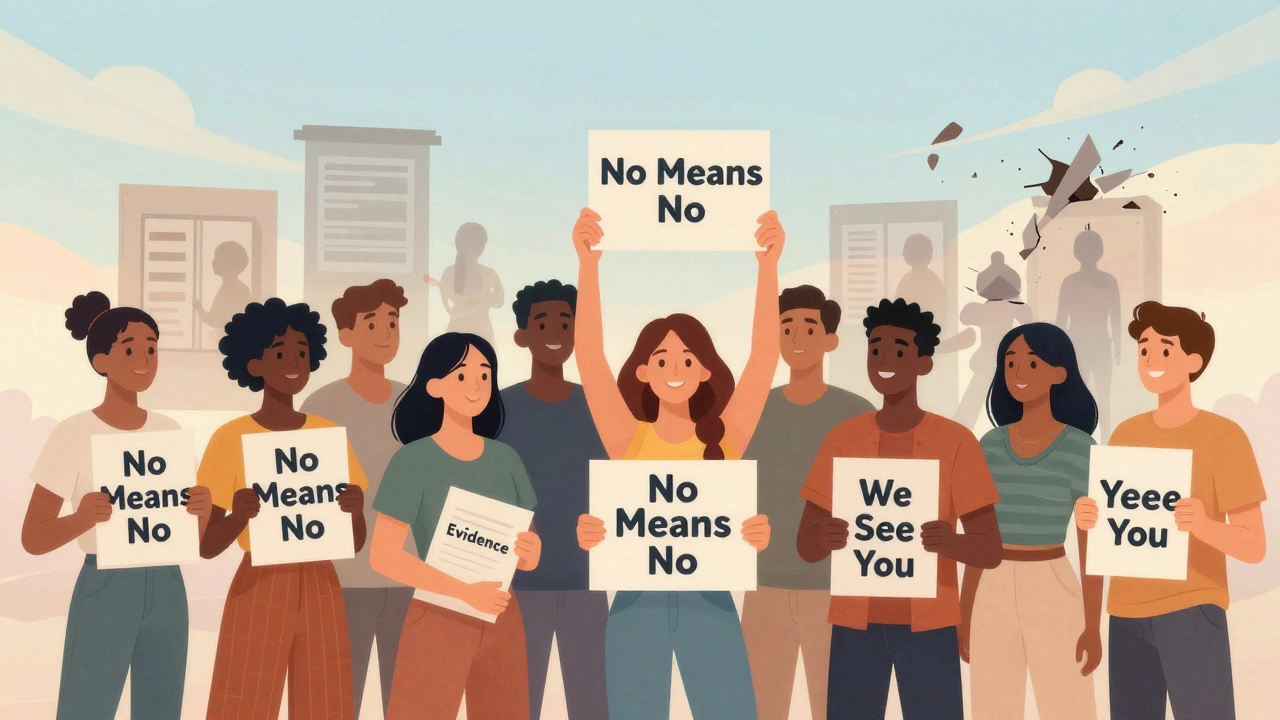
When you speak up, you don’t just protect yourself. You protect the next performer who walks into that studio. You make it harder for predators to hide. You help create a culture where "no" means no - and "I’m scared" means help is coming.
There are thousands of performers who’ve stayed quiet because they thought no one cared. They were wrong. People care. Organizations are ready. Systems are changing. And you have more power than you know.
Immediate resources
Here are direct contacts you can use right now:
- Adult Performer Advocacy Network (APAN) - apan.org - 24/7 hotline: 1-888-547-8833
- Free Speech Coalition - freespeechcoalition.com - Report abuse form: freespeechcoalition.com/report-abuse
- Oregon Bureau of Labor and Industries - boli.oregon.gov - File a complaint: 1-877-889-4848
- National Domestic Violence Hotline - 1-800-799-SAFE (7233) - 24/7, confidential
You don’t have to call today. But keep this list. Save it. Share it. One day, someone else will need it.
Can I report abuse if I’m not a U.S. citizen?
Yes. U.S. labor laws protect all workers, regardless of immigration status. Reporting abuse won’t trigger immigration enforcement. Organizations like APAN and the Free Speech Coalition work with legal teams who specialize in protecting non-citizens. Your safety comes first.
What if the person abusing me is also my agent or manager?
This is common - and especially dangerous. Start by contacting APAN or the Free Speech Coalition. They can help you file a complaint against your agent without notifying them first. Many performers have successfully cut ties with abusive agents and found new representation through protected networks. You’re not stuck.
Will reporting hurt my career?
Some people will try to make you feel that way - but it’s a lie. The industry is changing. More platforms now require anti-harassment training. More studios hire independent safety officers. Performers who speak up are often respected, not shunned. Your worth isn’t tied to silence. Your courage is your power.
Can I report abuse that happened years ago?
Yes. There’s no time limit for reporting harassment or coercion to advocacy groups or labor boards. Evidence may be harder to find, but your story still matters. Many investigations are reopened because someone finally spoke up. You’re not too late.
What if I’m not sure whether it was abuse?
You don’t need to be sure. If something felt off, it’s worth talking about. Advocacy groups have trained counselors who help you sort out what happened - without judgment. You’re not required to label it. Just share what you remember. They’ll help you decide what to do next.