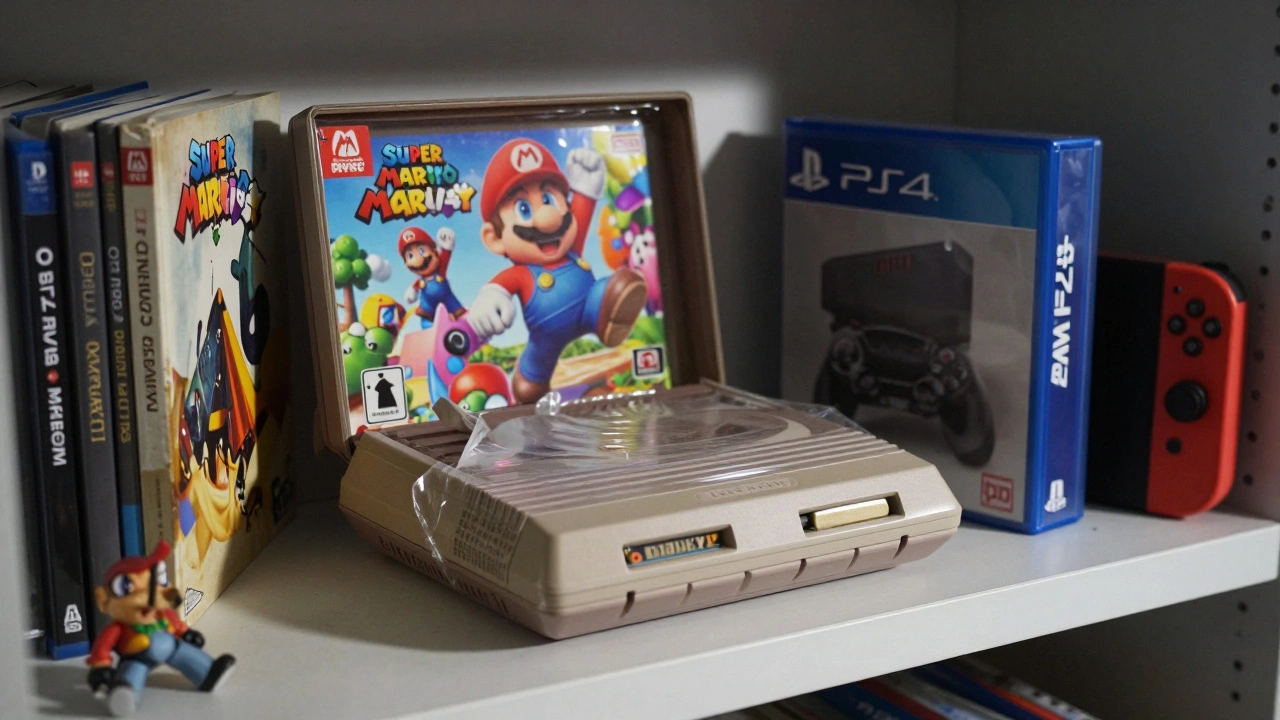

Back in 2023, you could drop $300 on a boxed copy of Super Mario Odyssey with a steelbook case, art book, and figurine-and people would line up for it. Fast forward to 2026, and that same box sits unsold on eBay, marked down to $120. What happened? The hype train ran out of steam. Limited edition physical video games aren’t dead, but the way people buy them has changed-big time.
The Hype Machine Is Broken
Remember when publishers announced a "limited run" of 10,000 copies and suddenly every collector on Twitter was screaming about "getting in before it’s gone"? That’s not how it works anymore. In 2026, those announcements don’t trigger panic buys. They trigger eye rolls.
Why? Because the market is flooded. Every major studio-Sony, Nintendo, Microsoft-has been pushing special editions for years. The Switch had over 80 deluxe versions. The PS4 had more than 120. And now? Most of them are sitting in basements, unopened, because people bought them thinking they’d flip them for profit. They didn’t. The secondary market is saturated. Whatnot auctions are overflowing with sealed copies of games nobody remembers. eBay listings for "rare" editions of Horizon Forbidden West or God of War: Ragnarök are doubling in number every month.
And here’s the kicker: most collectors don’t even want them anymore. A 2026 survey of 1,200 active collectors found that 72% said they’d rather buy a standard edition and save $80. Why? Because the extra stuff-the figurines, the cloth maps, the lithographs-just doesn’t hold up. They break. They fade. They get lost. And if you’re not displaying them, what’s the point?
What Actually Holds Value?
If you’re thinking about buying limited edition games as an investment, forget the flashy boxes. Focus on three things: rarity, franchise power, and emotional legacy.
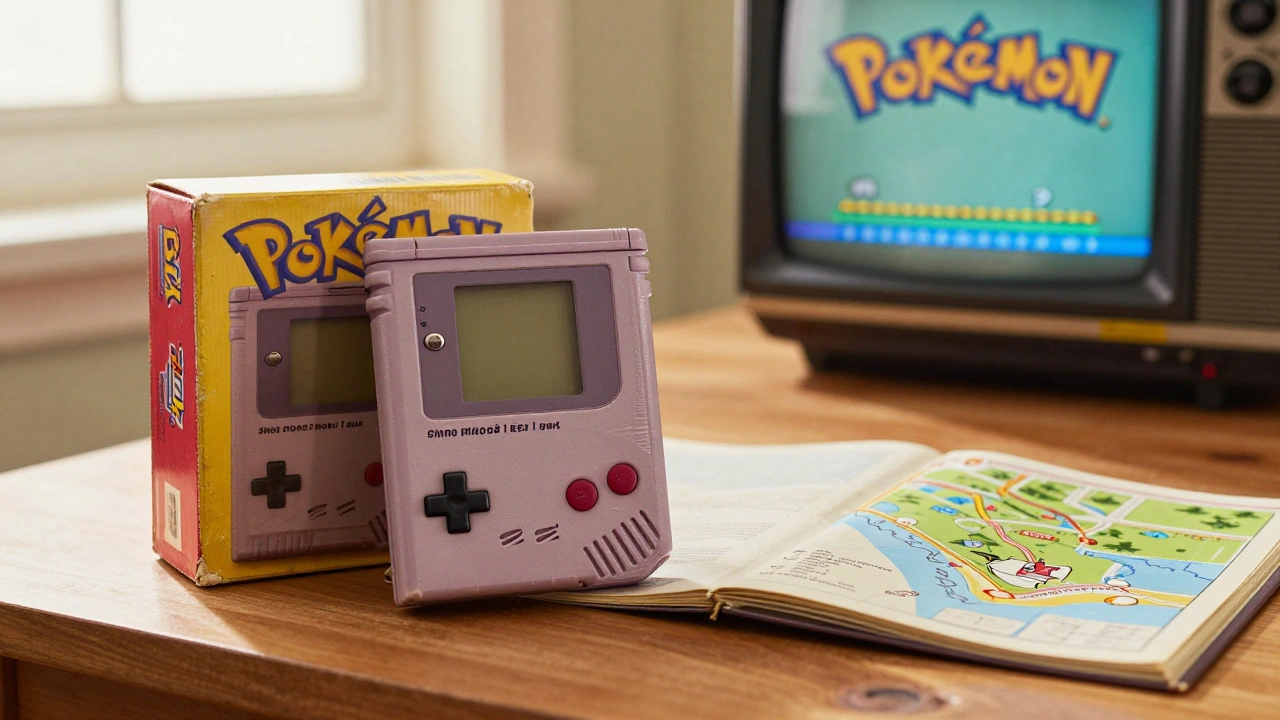
The only titles still climbing in value are from Nintendo’s first-party franchises-especially Pokémon and Mario. Why? Because these aren’t just games. They’re cultural touchstones. A sealed copy of Pokémon Red on Game Boy in near-mint condition sold for $3,800 in late 2025. A first-run Mario 64 with the original box? $2,100. These aren’t flukes. They’re trends.
Why do these hold value? Three reasons:
- Original production runs were tiny. Many early Nintendo games had under 5,000 units printed. No reprints. No digital replacements.
- Emotional attachment runs deep. People who grew up with these games are now adults with disposable income. They’re not buying to flip-they’re buying to relive.
- No digital equivalent. You can’t own a physical copy of a Game Boy cartridge on the Switch. That physicality matters.
Compare that to a special edition of Call of Duty: Modern Warfare III with a 12-inch statue. It’s impressive. But when the next game drops? Nobody cares. That statue is now a dust collector.
The Economic Reality
Let’s talk money. The average gamer isn’t rich. According to the Boston Consulting Group’s 2026 report, 65% of gamers wait for sales before buying anything. Even hardcore fans are budgeting. That means premium-priced limited editions are competing with $40 standard versions and $20 sales.
And here’s the truth: if you bought a $250 special edition of Animal Crossing: New Horizons in 2020, you’re lucky to get $80 for it now. That’s not a crash-it’s a correction. The market is finally adjusting to reality. Publishers thought they could sell collectors on scarcity. But scarcity doesn’t mean anything if nobody actually wants the item.
Meanwhile, the games that do hold value? Their prices are stable. Not rising fast. Not crashing. Just… staying there. A sealed Pokemon Crystal from 2000? Still $450. A first-run Super Metroid? Still $700. These aren’t investments. They’re heirlooms.
The Shift in Collector Behavior
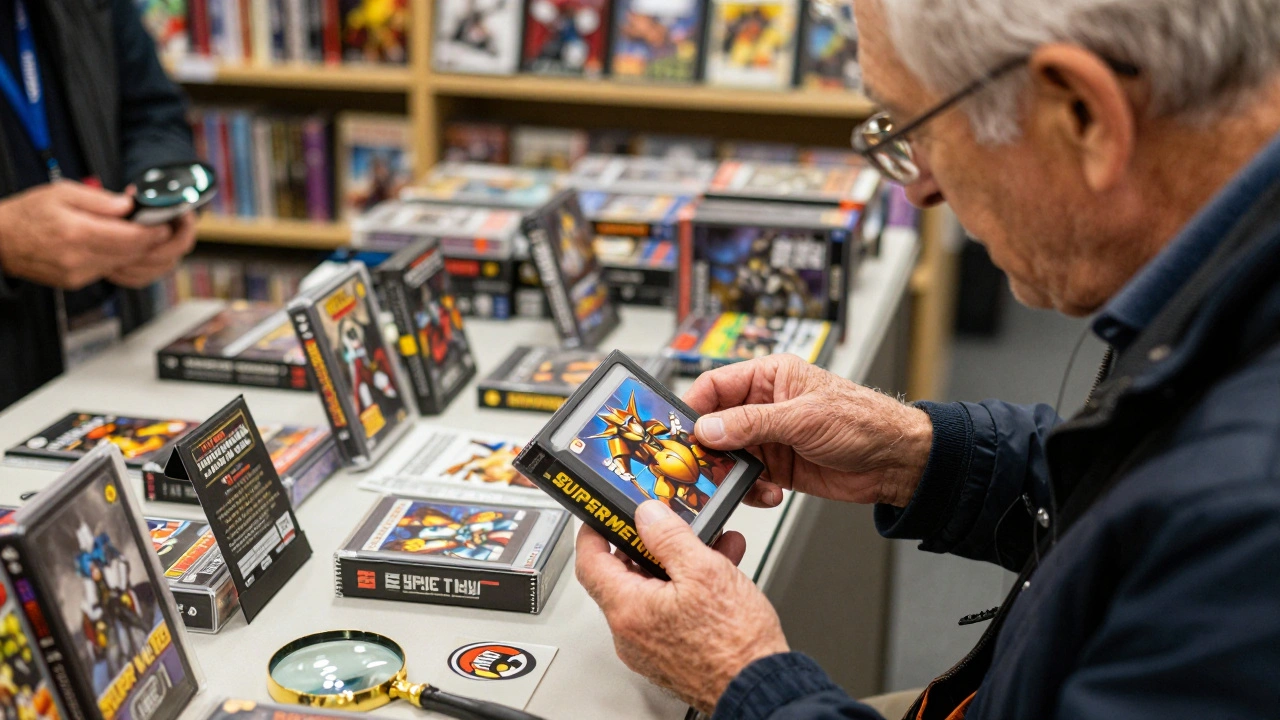
Today’s serious collectors aren’t buying sealed boxes. They’re buying played copies-with original boxes and manuals. Why? Because they care about the full experience. They want to open the box, read the manual, feel the weight of the cartridge. They don’t care if it’s been played 100 times. They care if it’s complete.
Grading services like VGCG and Wata, which once promised to certify the "perfect" sealed copy, are losing credibility. Why? Because they graded hundreds of thousands of games that had zero collector demand. A "graded 9.8" copy of Destiny 2: The Final Shape deluxe edition? Worth $25. A "graded 9.2" copy of EarthBound? Worth $600. The system failed because it treated hype like value.
Now, collectors are going back to basics: condition, completeness, and rarity. They’re trading on forums, not auction sites. They’re trading in person at retro game expos. They’re building relationships, not portfolios.
What Should You Do?
If you’re thinking about buying limited edition games right now, here’s the playbook:
- Avoid anything from 2018 onward unless it’s Nintendo. The market for Switch and PS4 special editions is dead. Don’t buy them hoping to sell later.
- Only buy games from franchises with 20+ years of history. Mario, Zelda, Pokémon, Metroid, Final Fantasy, Sonic. These have staying power.
- Look for original packaging and manuals. A game without its box is worth 60% less. Always.
- Buy to keep, not to flip. If you’re not emotionally attached to the game, don’t buy it. The market won’t reward you.
- Shop secondhand. eBay, Whatnot, and local retro shops have way more inventory than ever. Prices are lower. Competition is fierce. You can find deals.
The days of buying a $400 game because a YouTube influencer said "it’s gonna be worth a fortune" are over. The market has matured. The hype is gone. And the real collectors? They’re the ones who never cared about the hype to begin with.
Future Outlook
By 2030, the physical game market will still exist-but it’ll be smaller. Sharper. More selective. Publishers will stop making 100,000-unit special editions. They’ll make 5,000. And they’ll only make them for games with proven legacy.
Think of it like vinyl records. Nobody buys vinyl because they think it’ll go up in value. They buy it because they love the sound, the art, the ritual. The same is true for physical games. The ones that survive won’t be the flashiest. They’ll be the ones that meant something.
So if you’re thinking about starting a collection? Don’t chase trends. Chase memories. Find the game that made you stay up past midnight. The one you played with your brother. The one you cried at when the credits rolled. That’s the one that’ll still be worth something in 20 years.
Are limited edition physical video games a good investment?
Only in very specific cases. Most special editions from 2018 onward have lost value. The only ones that hold or grow in value are rare first-party Nintendo titles-especially early Pokémon, Mario, and Zelda games with original packaging and manuals. Everything else is a gamble.
Why are sealed games losing value?
Because too many were produced, and too many people bought them hoping to flip them. The market is now flooded with sealed copies of games nobody wants. Grading services overvalued them. Sellers are now lowering prices just to get rid of inventory. Scarcity only matters if there’s demand-and demand has shifted.
Should I buy a special edition of a new game?
Only if you love the game enough to keep it forever. If you’re buying it because you think it’ll be worth more in five years, you’re likely to lose money. The market for new special editions is saturated and declining. Save your money for classics.
What’s the best way to sell a limited edition game?
Sell on eBay or Whatnot, but be realistic. List it with the box, manual, and all original items. Take clear photos. Price it 20-30% below what you paid. The market is buyer-driven right now. If you’re too greedy, it’ll sit unsold for months.
Which games are still increasing in value?
Sealed, complete copies of early Nintendo titles: Pokémon Red/Blue, Super Metroid, EarthBound, Super Mario 64, and The Legend of Zelda: Ocarina of Time. These have consistent demand from collectors who grew up with them. Newer games-even from Nintendo-rarely match this.