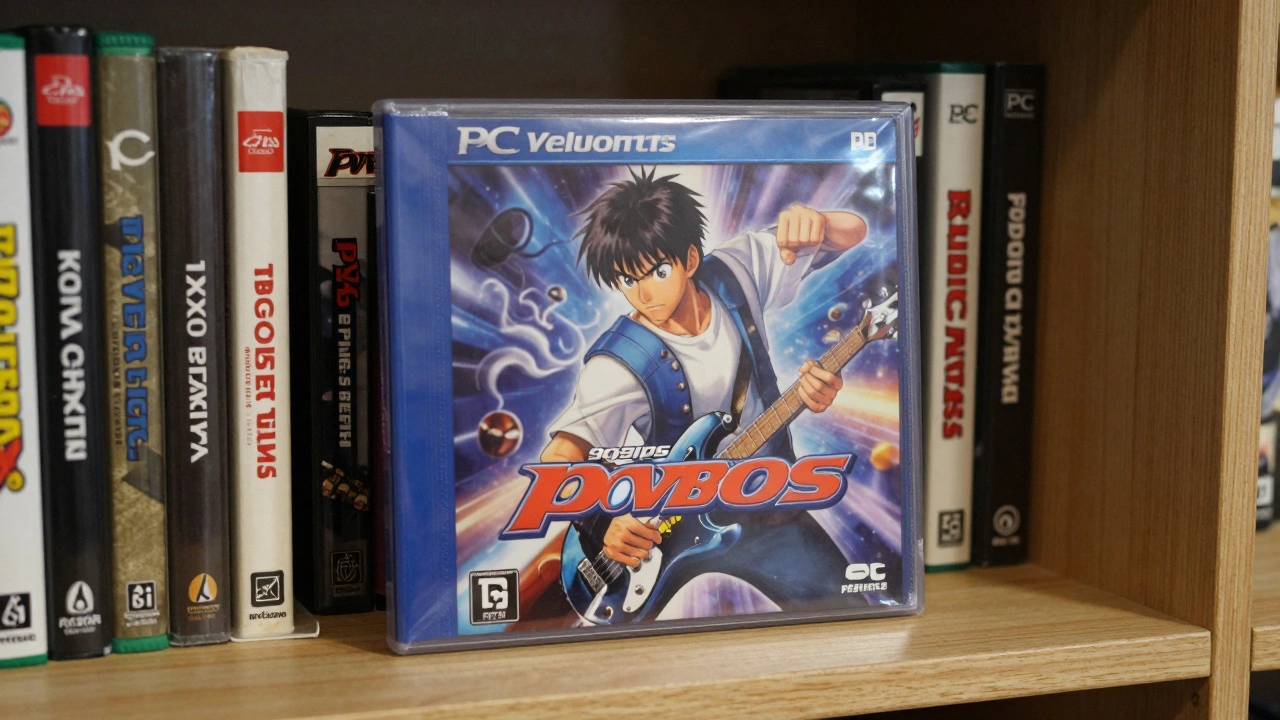

When you pull a classic PC game off the shelf-its box still sealed, the artwork crisp, the plastic wrap tight-it’s more than just a game. It’s a time capsule. A piece of computing history. But if you’re collecting these big box PC titles, you already know one thing: condition isn’t just important. It’s everything. A game with a torn box or faded cover can lose 70% of its value overnight. And if you store it wrong? You could be slowly destroying it without even realizing.
What Makes a PC Big Box Game Valuable?
Not all PC games from the 90s and early 2000s are created equal. The big box era-roughly 1992 to 2005-was when games came in oversized cardboard boxes, packed with manuals, maps, registration cards, and sometimes even CD-ROMs in jewel cases or multi-disc sets. These weren’t just products. They were experiences. And collectors pay for that.
The most valuable titles? Games with limited runs, early printings, or special editions. Think Diablo I with the original manual and map, or Civilization II in its original box with the strategy guide. Even Age of Empires with the full-color map and bonus CD can fetch hundreds if untouched.
But here’s the catch: value isn’t about how rare the game is. It’s about how well it’s been preserved. A sealed copy of Half-Life in perfect condition sold for over $1,200 in 2024. The same game with a cracked box? Maybe $150. That’s not a typo.
Condition Standards: The 4 Pillars of Grading
There’s no official PC big box grading system like there is for NES or PlayStation cartridges. But collectors have built a consensus based on decades of trading. You’ll hear terms like "NM" (Near Mint) or "VG+" (Very Good Plus), but here’s what they really mean:
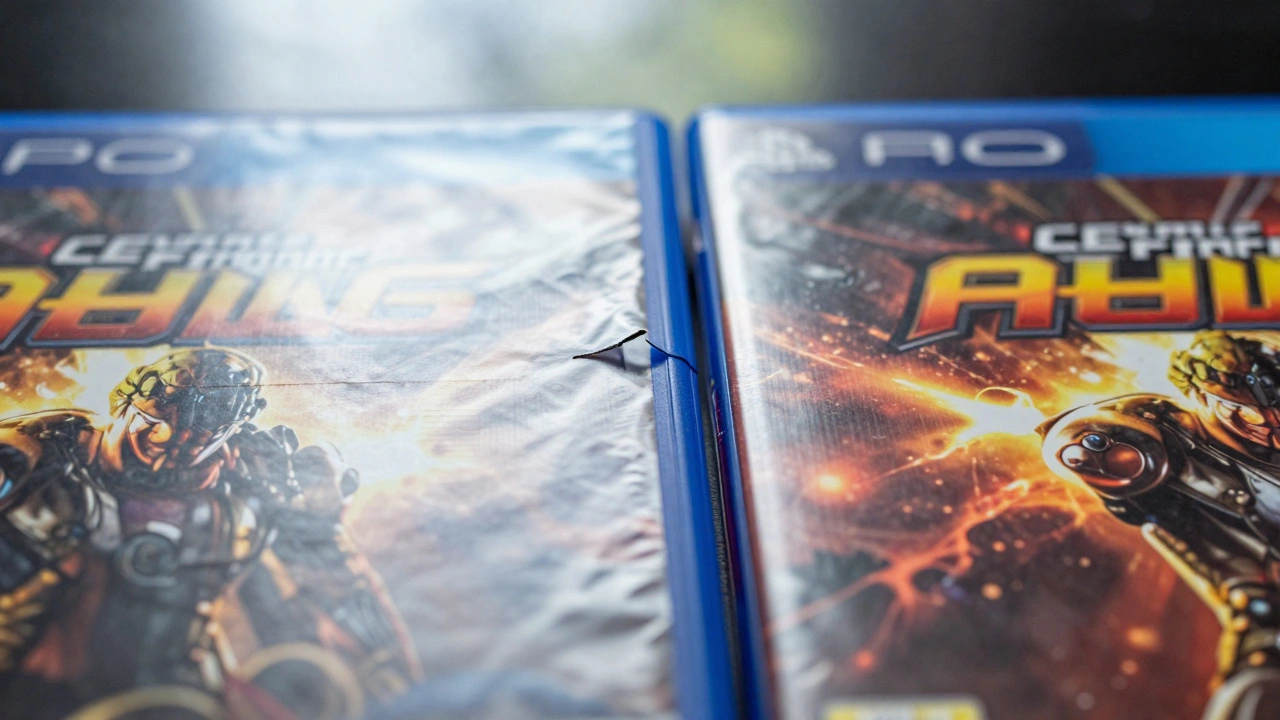
- Seal Integrity - Is the plastic wrap intact? No tears, no peeling, no discoloration? If you can see sunlight through it, it’s downgraded. UV exposure bleeds color and weakens plastic. A seal with even minor fading loses 15-20% of its value.
- Box Condition - Look for dents, creases, corner wear, and tears. The top and bottom flaps are the most vulnerable. A single 1-inch tear near the flap? That’s a drop from "Near Mint" to "Excellent." A water stain? Forget resale. Mold is a deal-breaker.
- Manual and Inserts - The manual should be complete, with no missing pages, no coffee rings, no writing. Registration cards and serial codes matter. A missing CD key card can slash value by 30%. Some collectors even check for original stickers or publisher logos.
- Media Condition - CDs and DVDs are fragile. Scratches on the data side? Unplayable. Even light scratches on the label side can indicate poor handling. Floppy disks? They’re nearly worthless unless still sealed in their original plastic sleeves. Dust, humidity, and magnetism kill them fast.
Think of it like this: a game with a perfect seal but a dented box? It’s "Excellent"-not "Near Mint." A perfect box with a cracked seal? "Good" at best. You need all four elements to hit "Near Mint."
Storage Solutions: Don’t Let Your Collection Decay
You wouldn’t leave a vinyl record in a hot garage. So why leave a sealed PC game on a windowsill?
Here’s what actually works, based on real collector practices in climate-controlled environments:
- Temperature - Keep it between 65°F and 72°F. Above 75°F? Plastic starts to warp. Below 60°F? Condensation forms. Both are silent killers.
- Humidity - Stay between 35% and 45%. Too dry? Cardboard gets brittle. Too humid? Mold grows. A small hygrometer (under $15) is worth its weight in gold.
- Light - UV light is the #1 cause of color fading. Store games in a dark closet or behind UV-filtering film. Even indirect sunlight from a window will fade colors in under 18 months.
- Shelving - Use sturdy, non-acidic shelves. Cardboard boxes can sag if stacked too high. Store vertically, like books, with support on both sides. Avoid plastic bins-they trap moisture. Metal or solid wood is best.
- Protection - Slip each box into a Mylar sleeve (0.75 mil thickness). It’s breathable, blocks UV, and prevents dust buildup. Don’t use polyethylene bags-they trap moisture and cause "box rot."
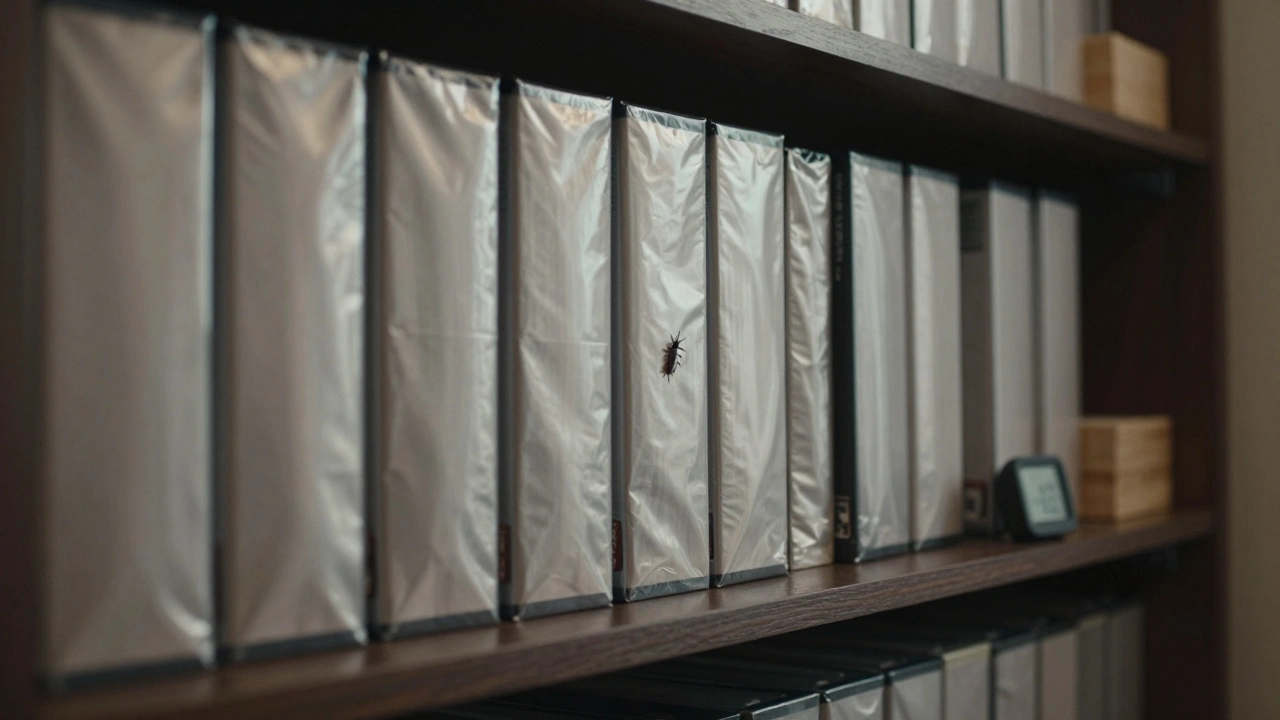
- Pests - Silverfish and booklice love cardboard. Use cedar blocks or silica gel packs (not mothballs-they leave residue). Check your shelves every 3 months.
One collector in Portland stored his collection in a basement with no climate control. After two years, 17 of his 80 games had mold. He lost $4,000 worth of inventory. Don’t be him.
Common Mistakes (And How to Avoid Them)
Even seasoned collectors make these errors:
- Storing games upright without support - Boxes bow and warp. Use bookends or dividers.
- Using tape to repair boxes - Tape yellows, leaves residue, and damages paper. If a box is damaged, leave it alone. Don’t "fix" it.
- Keeping games in original packaging inside plastic bins - Trapped moisture = mold. Always use Mylar sleeves first.
- Ignoring the manual - Manuals are 40% of the value. Keep them flat, not folded.
- Buying "sealed" games without checking the seal - Some sellers reseal opened boxes with new plastic. Use a UV light to check for glue residue or uneven edges.
Market Realities: What’s Worth It?
Not every big box game is a treasure. Here’s what’s actually collecting value right now:
- Pre-2000 titles - Games before Windows 98 are rarer and more collectible. Think Command & Conquer: Red Alert, SimCity 2000, or Thief: The Dark Project.
- Boxed versions with extras - Maps, strategy guides, and bonus CDs add 50-100% value.
- Early print runs - Look for "Version 1.0" or "First Edition" on the manual or box.
- Regional variants - European boxes with English text are rarer than U.S. releases.
Avoid mass-market titles like Microsoft Solitaire or Windows 95 bundles. They’re everywhere. No scarcity = no value.
Where to Sell, Trade, or Get Graded
You can’t get your PC big box game graded by CGC or Wata like you can with Nintendo cartridges. But there are options:
- Reddit communities - r/retrogaming and r/pcgamingcollectors have active traders. Post clear photos of box, seal, manual, and disc.
- eBay - Use filters for "sealed" and "complete with manual." Check sold listings-not just current ones.
- Specialty dealers - Sites like Retro Game Store and Vintage PC Games buy and grade PC big box games. They’ll pay more if you send high-res photos first.
- Collector conventions - Events like RetroCon or PAX feature PC collectors who trade and appraise.
Always get a second opinion before selling. One collector sold a sealed Ultima VII for $300-only to find out two weeks later it had sold for $1,100 elsewhere. Photos lie. Condition doesn’t.
Final Thoughts: Collect for the Love, Not Just the Value
Yes, some of these games are worth serious money. But the real reward isn’t the resale price. It’s holding a game from 1997 that still plays perfectly. It’s reading the manual your 14-year-old self devoured. It’s knowing you preserved something that most people tossed out.
Start small. Pick one game. Get it in a Mylar sleeve. Store it in a cool, dark spot. Then do the same for the next. Don’t chase rarity. Chase quality. The value will follow.
What’s the difference between "Near Mint" and "Excellent" for PC big box games?
"Near Mint" means the box has no visible wear, the seal is completely intact with no fading or scuffing, the manual is pristine, and the disc or floppy has no scratches. "Excellent" allows for one or two minor imperfections-like a tiny corner crease on the box, or a faint scratch on the seal. But nothing that affects gameplay or original packaging integrity.
Can I store PC big box games in a climate-controlled self-storage unit?
Yes, but only if it’s specifically designed for sensitive items. Most storage units fluctuate in temperature and humidity. Look for units with climate control set between 65-72°F and 35-45% humidity. Avoid ground-floor units-moisture rises. Always use Mylar sleeves and keep boxes off the floor on wooden pallets.
Is it worth buying sealed PC games that have been opened and resealed?
Almost never. Resealed boxes are common scams. Original plastic seals have a unique texture and sheen. Replacements are usually thinner, glossier, or have glue residue visible under UV light. Even if the game inside is untouched, the collector value drops by 70-90%. Only buy if you’re getting it for play, not collection.
How do I protect floppy disk games from degradation?
Floppy disks are fragile. Keep them in their original plastic sleeves inside the box. Never expose them to magnets, heat, or direct sunlight. Store them flat, not stacked. If the disk is still sealed, leave it that way. Once opened, the magnetic coating degrades faster. Consider digitizing the data if you plan to keep it long-term.
Do CD-ROMs last forever if stored properly?
No. Even under perfect conditions, CD-ROMs begin to degrade after 20-30 years. The reflective layer oxidizes, and the dye layer fades. That’s why many collectors now back up the data to digital formats. Keep the original disc sealed and stored properly, but make a digital copy for long-term play. The disc is the artifact. The data is the experience.