
Imagine posting a photo that gets ten thousand likes in an hour. It feels good until someone comments with your home address. This is the harsh reality for many adult content creators who share their lives online. The line between sharing personal moments and risking total exposure is incredibly thin. You are not just building a business; you are managing a constant threat to your physical safety and mental health. Most people think about the money first, but they forget the cost of being publicly visible 24/7. If you do not set strict boundaries early, you will pay for it later in stress, fear, or worse.
The goal here is simple: keep your life private while making money from your public persona. You need systems that protect your identity, your location, and your mind. This guide breaks down how to build those walls without losing your audience. We will look at technical tools, legal steps, and psychological habits that keep you safe.
The Core Strategy: Compartmentalization
The biggest mistake new creators make is blending their real life with their online brand. They use the same Instagram account for family photos and work promotions. They post stories near their favorite coffee shop. This creates a map of your life that strangers can follow. You must treat your online presence as a separate entity. Think of it like a job you go to, not a part of who you are at home.
Digital compartmentalization means keeping your professional and private worlds completely apart. Your personal phone number should never be on your public profile. Your home Wi-Fi network should not appear in your metadata. You need two distinct identities. One is for banking, bills, and close friends. The other is for fans, platforms, and payments. When these lines blur, risk increases exponentially. A single slip-up can lead to doxxing, which is the malicious publication of private information.
- Use a separate email address solely for your creator accounts.
- Never link your main social media profiles to your adult platforms directly.
- Create a "burner" phone number using services like Google Voice or Burner for fan communications.
- Keep your home address off any shipping labels by using a PO Box or a private mail service.
This separation reduces the attack surface. If one account gets hacked, the hacker cannot easily find your bank details or your mother’s phone number. It buys you time to react. Time is everything when dealing with online threats.
Technical Privacy Shields
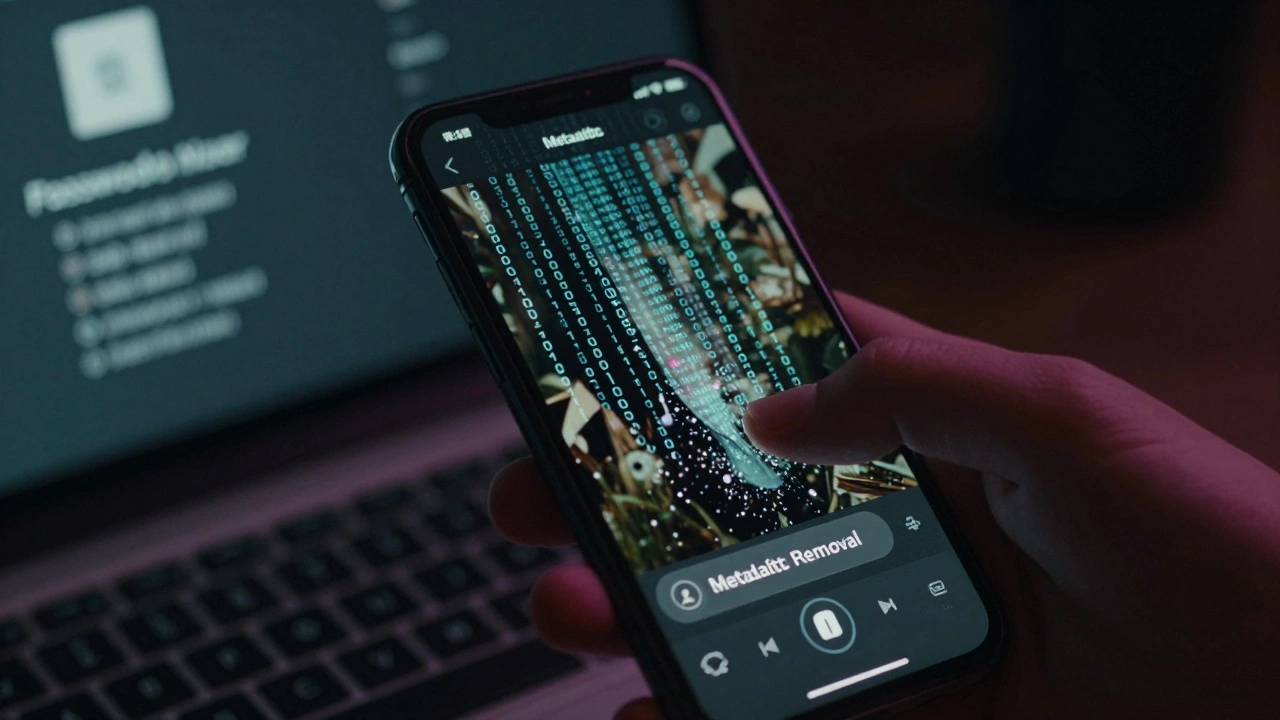
Technology helps you hide, but only if you use it correctly. Many creators rely on platform settings alone. That is not enough. You need active tools that scrub your data from the web. Metadata in photos is a huge leak source. Every picture taken on a smartphone contains GPS coordinates, device model, and timestamp. If you upload raw files, anyone can extract your location.
You must strip this data before posting. Tools like ExifTool or built-in features in apps like Snapchat can remove this info. Also, consider using a Virtual Private Network (VPN) when accessing sensitive accounts. A VPN masks your IP address, making it harder for attackers to trace your physical location through network logs. However, do not trust free VPNs. They often sell your data to advertisers. Stick to reputable providers with a strict no-logs policy.
Password management is another critical layer. Reusing passwords across sites is dangerous. If one small forum gets breached, hackers will try those credentials on your main revenue platforms. Use a password manager like 1Password or Bitwarden. These generate complex, unique passwords for every site. Enable two-factor authentication (2FA) everywhere. Avoid SMS-based 2FA because SIM swapping attacks can bypass it. Use an authenticator app or hardware keys instead.
| Tool Type | Purpose | Risk Mitigated | Recommendation |
|---|---|---|---|
| VPN | Hides IP address | Location tracking, ISP monitoring | Use paid services with no-log policies |
| Password Manager | Generates unique passwords | Credential stuffing, account takeover | Essential for all accounts |
| Metadata Remover | Strips EXIF data from images | Geolocation via photos | Run before every upload |
| Private Mail Service | Receives physical mail | Home address exposure | Use for all business correspondence |
Legal Protections and Takedown Rights
When content leaks, speed matters. You cannot stop everyone from saving files, but you can force platforms to remove them. The Digital Millennium Copyright Act (DMCA) is your primary weapon. As the creator, you own the copyright to your images and videos. Unauthorized distribution violates this right.
Learn how to file DMCA takedowns efficiently. Keep a log of your original files with timestamps. When you see stolen content, send a formal notice to the hosting provider. Do not engage with the person reposting. Engagement gives them attention. Instead, document everything. Screenshots, URLs, and dates are crucial for potential legal action.
Consider registering your works with the Copyright Office. While automatic protection exists upon creation, registration allows you to sue for statutory damages and attorney fees. This acts as a strong deterrent against large-scale piracy rings. For international issues, look into local laws in your country. Some regions have specific protections against revenge porn or non-consensual intimate imagery.
Mental Health Boundaries
The psychological toll of public exposure is often underestimated. Fans may seem supportive, but some cross lines. They might demand personal conversations, send unsolicited explicit messages, or become aggressive when denied access. This constant scrutiny leads to burnout and anxiety.
You must establish clear interaction rules. Decide what you will and will not respond to. Stick to these rules rigidly. If a fan becomes harassing, block and report immediately. Do not feel guilty. Your safety comes first. Consider hiring a moderator for larger communities. They handle initial screening and filter out toxic behavior.
Disconnect regularly. Schedule days where you check no messages. Go offline completely. Your brain needs rest from the performative aspect of your job. Therapy can also help process the unique stresses of this industry. Look for therapists experienced in working with sex workers or online creators. They understand the stigma and isolation you might face.
Remember that your worth is not defined by your subscriber count. Fluctuations in income or engagement are normal. Do not tie your self-esteem to metrics. Build a support network outside the industry. Friends and family who know your real self provide grounding when the online world feels chaotic.
Physical Safety Measures
Online threats can turn physical. Stalkers may use digital footprints to find your home or workplace. Be vigilant about your surroundings. Vary your routines. Do not post about leaving home until you are safely away. Avoid revealing landmarks in background shots.
If you meet fans in person, always choose public places. Inform a trusted friend of your location and expected return time. Carry personal safety alarms. Trust your instincts. If a situation feels wrong, leave immediately. No amount of money is worth compromising your physical security.
Install smart doorbells and security cameras. Review footage regularly. Change locks if you suspect someone knows your address. These steps create layers of defense. They deter casual intruders and provide evidence if crimes occur.
How do I prevent my home address from being leaked?
Use a PO Box or private mail service for all business mail. Never ship products directly from your home. Remove metadata from photos before posting. Avoid mentioning local landmarks or street signs in videos. Use a VPN to mask your IP address. Regularly search your name online to check for accidental exposures.
What should I do if someone threatens me online?
Do not engage with the threatener. Take screenshots of all messages and profiles. Report the user to the platform immediately. Block them. If threats involve violence or specific plans, contact local law enforcement. Document everything meticulously. Consider consulting a lawyer about restraining orders if the threat persists.
Is it safe to use my real name on adult platforms?
It depends on your comfort level and local laws. Using a pseudonym provides more anonymity and protects your personal life. If you use your real name, ensure all other digital footprints are consistent and controlled. Understand that employers or family members could potentially find your content. Weigh the benefits of transparency against the risks of exposure carefully.
How can I protect my financial information?
Use separate bank accounts for your creator income. Avoid linking personal cards directly to payment processors if possible. Use privacy-focused payment methods. Monitor statements regularly for unauthorized transactions. Enable fraud alerts. Consider forming an LLC to separate personal assets from business liabilities. Consult a tax professional familiar with the industry.
What are the best practices for handling fan interactions?
Set clear boundaries from day one. Define acceptable topics and times for communication. Use automated responses for common questions. Hire moderators if volume grows. Block users who violate rules without apology. Remember you are not obligated to reply to everyone. Protect your mental energy by limiting direct interaction to paid tiers only.