
When you’re an adult creator working remotely, your biggest asset isn’t your camera or your editing software-it’s your control. Every video, every image, every message you send out into the digital world carries your name, your face, your boundaries. But when you start collaborating with others-editors, managers, platforms, even fellow creators-you’re handing over pieces of that control. And if you don’t know who you’re working with, you’re not just risking your content. You’re risking your safety, your reputation, and your future.
Why Remote Collaboration Is Riskier Than You Think
Most adult creators assume that because they’re working from home, they’re safe. But remote doesn’t mean secure. A lot of people you interact with online never meet you in person. They don’t have to. They can sign contracts, upload files, and even demand exclusivity without ever showing a face. And when things go wrong-when your content gets leaked, resold, or used in ways you didn’t agree to-you’re left scrambling.
There’s no central registry for verified adult content partners. No government agency that checks if a video editor has a clean record. No public database that tells you if a platform has been sued for data breaches. That means you’re on your own. And if you’re not verifying every person and platform you work with, you’re playing Russian roulette with your career.
Who You Need to Verify (And How)
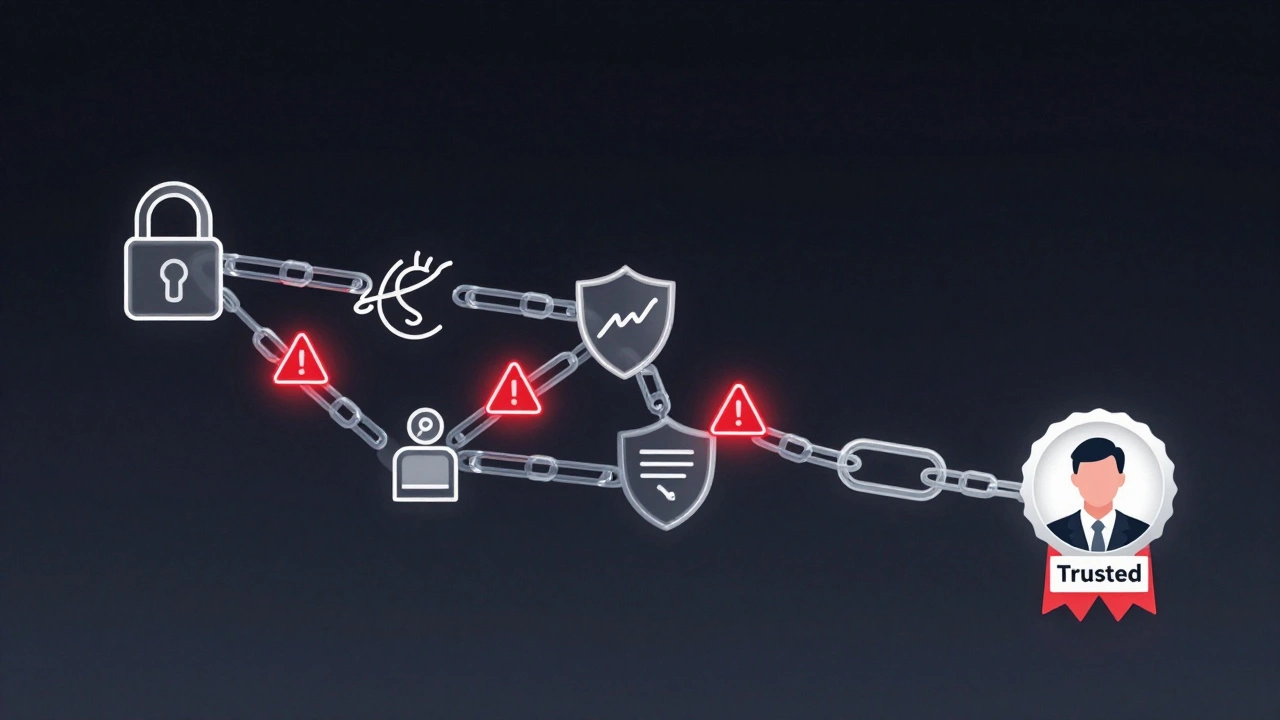
You’re not just dealing with one kind of partner. You’re working with a chain of people and services. Each one needs its own verification process.
- Editors and producers: Do they have a professional website? Do they list past clients with permission? Ask for a sample edit that doesn’t include your content. Check their LinkedIn. Look for reviews on creator-only forums like OnlyFans Creator Network or FanCentro Community. If they refuse to show any track record, walk away.
- Platforms hosting your content: Not all platforms are created equal. Some use end-to-end encryption. Others store your files on public servers. Check if they offer two-factor authentication, watermarking, and content takedown policies. Platforms like ManyVids and FanCentro have clear creator agreements. Others? You’ll have to dig through their Terms of Service like a detective.
- Marketing agents and promoters: If someone promises to get you 10,000 new followers in a week, they’re either lying or using bots. Real promotion doesn’t come from shady Facebook groups or Telegram channels. Look for agents who have public case studies, signed NDAs, and a history of working with creators who’ve spoken out publicly.
- Third-party payment processors: Some platforms route your earnings through unknown intermediaries. If your money passes through three different companies before it hits your bank, you’re at risk. Stick with processors that are transparent: Stripe, PayPal (for eligible creators), or direct bank transfers. Avoid crypto-only payments unless you fully understand the risks.
Red Flags You Can’t Ignore
Here are five warning signs that should make you stop everything:
- They ask for your login credentials. No legitimate editor, manager, or platform needs your OnlyFans, Patreon, or Instagram password. If they do, that’s a breach waiting to happen.
- They pressure you to sign NDAs before you’ve seen the contract. Real professionals send you the full document first. If they say, “Just sign this now, I’ll send the details later,” they’re hiding something.
- Your content is being used without your permission. If you find your videos on a free site you’ve never heard of, or if someone uses your images in ads, that’s not an accident. That’s theft. Document it. Save screenshots. Report it immediately.
- They refuse to use a signed agreement. Even a simple Google Doc with clear terms is better than nothing. If they say, “We don’t do contracts,” they’re not professional-they’re opportunistic.
- You can’t trace the money. If you don’t know where your payments are coming from or how they’re being processed, you’re vulnerable to chargebacks, fraud, or frozen accounts.
Tools That Actually Work
You don’t need expensive software to stay safe. Here are free and low-cost tools that real creators use:
- Have I Been Pwned? Type in any email address you’ve given a partner. If it’s been in a data leak, you need to change your passwords and monitor your accounts.
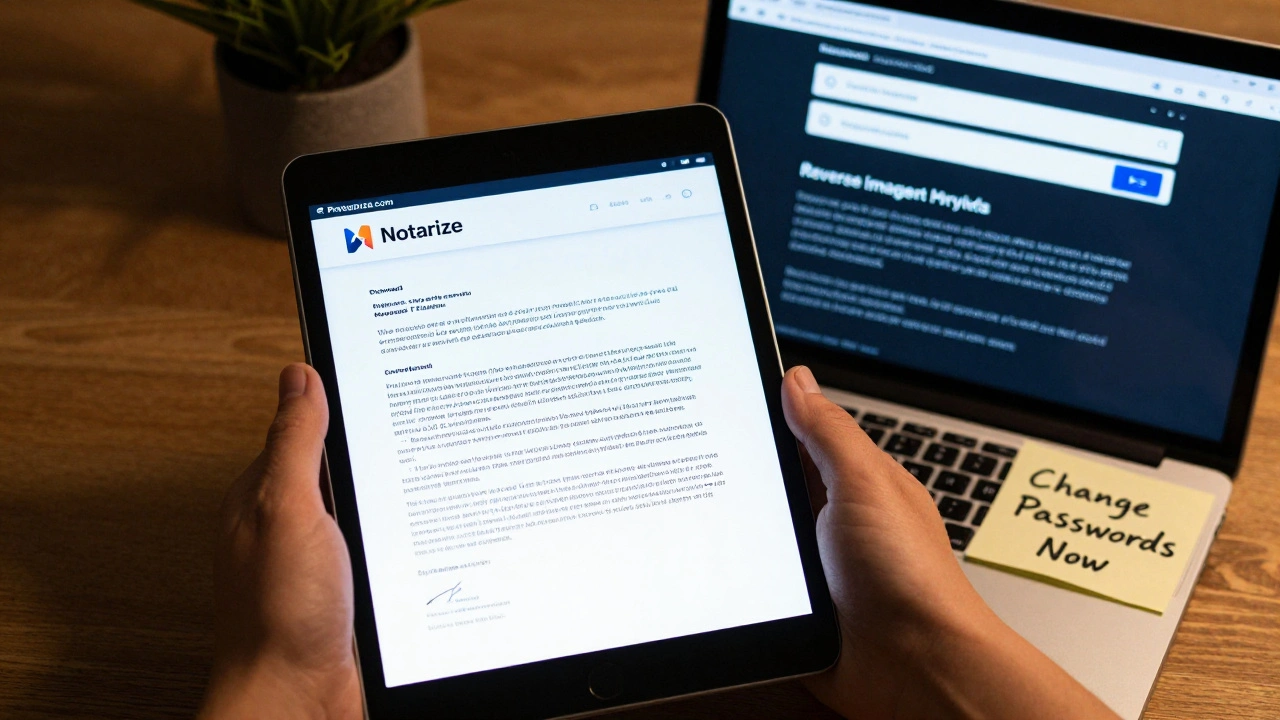
- TinEye or Google Reverse Image Search Upload a still from your content. If it shows up on sites you didn’t approve, you’ve got proof of misuse.
- Notarize.com For contracts: use this to digitally sign and timestamp agreements. It’s legally binding and gives you a timestamped record.
- ProtonMail Use encrypted email for all communication with partners. No Gmail. No Yahoo. These services scan your messages.
- Two-factor authentication (2FA) Enable it everywhere: your cloud storage, your email, your payment accounts. Use an authenticator app like Authy or Google Authenticator-not SMS.
What to Do When Something Goes Wrong
Even the most careful creators get burned. When that happens, here’s what to do immediately:
- Stop all collaboration. Don’t send more content. Don’t answer emails. Don’t engage.
- Document everything. Save emails, chat logs, file names, timestamps. Take screenshots of any unauthorized use.
- File a DMCA takedown. If your content is on a public site, send a formal takedown request. Most platforms are required by law to remove it within 48 hours.
- Report to creator safety groups. Organizations like the Adult Performer Advocacy Committee (APAC) and the Free Speech Coalition can help you navigate legal options and connect you with lawyers who specialize in performer rights.
- Change all passwords. Even if you think you’re safe, assume one account was compromised. Use unique passwords for every service.
Your Rights Are Not Optional
You are not a commodity. You are not content. You are a professional with legal rights. In the U.S., performers have the right to:
- Control how their content is distributed
- Be paid fairly and on time
- Refuse any collaboration without a written agreement
- Be informed if their content is being resold or licensed
- Have their data protected under privacy laws like CCPA and GDPR (if applicable)
These aren’t just nice-to-haves. They’re enforceable. If you’re being pressured, threatened, or exploited, you have recourse. Talk to a lawyer who specializes in digital media rights. Many offer free initial consultations.
Building a Safe Network Over Time
Safety isn’t a one-time checklist. It’s a habit. Start small:
- Only work with one new partner at a time.
- Keep a running list of every person and platform you’ve worked with, along with their verification status.
- Join a trusted creator circle. Whether it’s a Discord server, a private Facebook group, or a Slack channel-having others who’ve been through this saves you time and stress.
- Review your security settings every 90 days. Change passwords. Update 2FA apps. Delete old files you no longer need.
The internet doesn’t forget. But you can protect yourself-if you know how to look, what to ask, and when to walk away.
How do I know if a platform is safe for adult content?
Look for platforms that explicitly state they support adult creators in their Terms of Service. Check if they offer encryption, watermarking, and a clear process for reporting misuse. Trusted platforms like ManyVids, FanCentro, and OnlyFans have public creator safety policies. Avoid platforms that don’t list their policies, use vague language like "adult-friendly," or require you to sign NDAs before showing you the full contract.
Can I sue someone who leaks my content?
Yes. In the U.S., you can file a DMCA takedown and pursue civil action for copyright infringement and violation of privacy rights. If the leak came from a contractor or platform that broke a signed agreement, you may also have a breach of contract claim. Many creators have successfully won settlements through lawyers who specialize in digital performer rights. Document everything and contact organizations like APAC or the Free Speech Coalition for legal referrals.
Should I use a pseudonym when collaborating?
Always. Use a stage name or pseudonym for all professional communications. Never share your legal name, home address, or personal phone number unless absolutely necessary-and even then, only after verifying the person’s identity and signing a formal agreement. Your real identity should be kept separate from your professional content operations.
What if a partner asks for my social media passwords?
Never give them. No legitimate editor, manager, or promoter needs access to your personal social accounts. If they claim they need it to promote you, suggest they work with your public profile instead. If they insist, that’s a red flag. They may be planning to post unauthorized content, steal your audience, or lock you out. Walk away.
Is it safe to work with international partners?
It can be, but it adds risk. Laws around content ownership, privacy, and copyright vary by country. If you’re working with someone overseas, use encrypted communication and a written contract that specifies U.S. jurisdiction. Avoid payment methods that bypass standard banking systems. Stick to platforms with built-in protections, and never send raw, unwatermarked files until you’ve verified their reputation.