
Quick Safety Checklist
- Verify the driver's identity and vehicle plate before entering.
- Share your live GPS location with a trusted "flight controller" at home.
- Avoid using public Wi-Fi for coordinating transport.
- Confirm the exact entry and exit points of the venue.
- Maintain a "go-bag" with essentials and a portable charger.
The Logistics of Secure Transportation
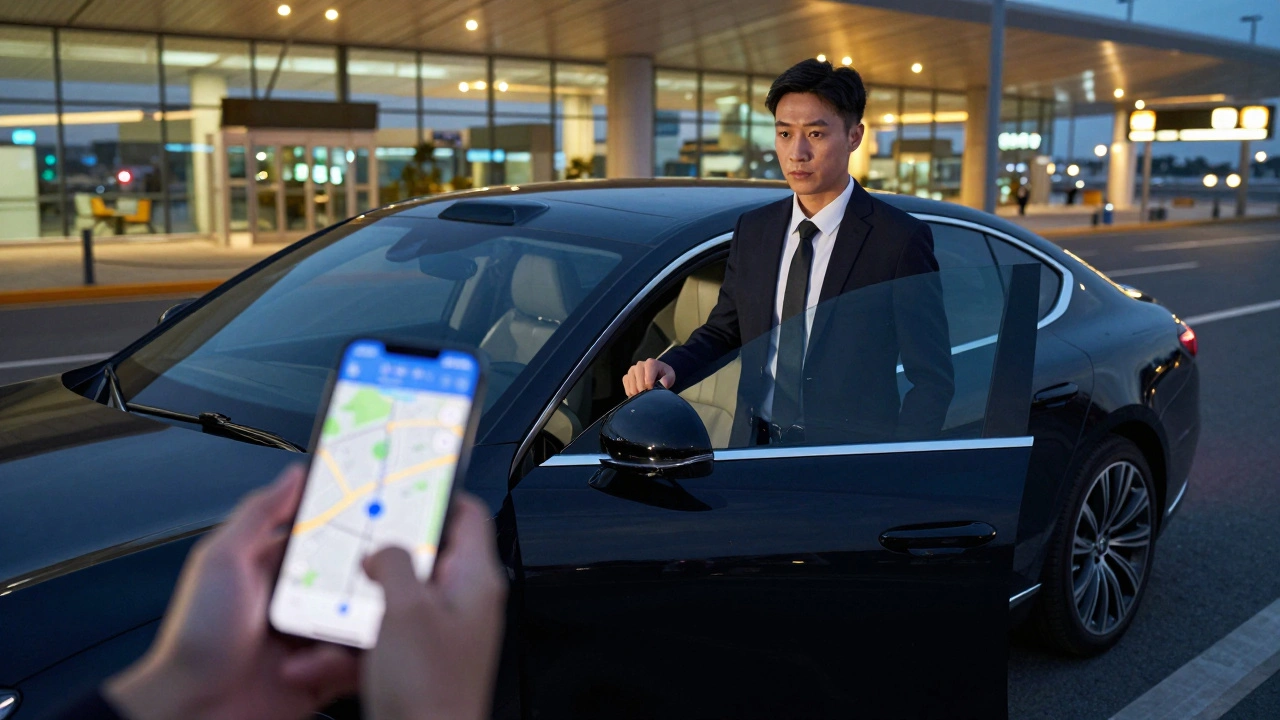
When you are traveling for work, your car or ride is more than just a way to get around-it is a mobile sanctuary. The biggest mistake many performers make is relying on standard rideshare apps without extra precautions. While Uber and Lyft are convenient, they don't offer the level of discretion or security needed for high-profile creators. If you have the budget, hiring a private security detail or a vetted car service is the gold standard. A professional driver doesn't just drive; they act as a buffer between you and the crowd. If you must use an app, always use the "Share Trip" feature. Send that link to a friend or a manager who is awake and monitoring your progress in real-time. If the car stops for an unexpected ten minutes in an unfamiliar area, your contact should know to call you immediately. For those traveling internationally, the risks increase. Local transport in different cities can be unpredictable. Research whether the city has specific reputable car services that cater to VIPs or performers. Avoid taking taxis hailed on the street in unfamiliar districts. Instead, arrange transport through your hotel concierge, as they usually have a verified list of drivers who are accountable to the establishment.Vetting Event Organizers and Security Teams
Not all event organizers are created equal. Some provide a comprehensive security plan, while others just hire a few people in neon vests and call it a day. Before you sign a contract, ask for their security protocol. Do they have a dedicated escort for performers? Is there a secure "green room" with limited access? Event Security should be a partnership, not a mystery. You want to know who is on your detail. Ask if the security staff has experience with the adult industry. This is crucial because you need people who understand the specific dynamics of your work and won't treat you with judgment or neglect your safety because they are uncomfortable with the content you produce. Check the track record of the event. Talk to other performers who have attended in previous years. Did they feel safe? Was the transport reliable? If multiple creators report that the organizers were lax with guest lists or let random people into the backstage area, that is a massive red flag. Adult performer security requires a zero-tolerance policy for boundary crossing.| Option | Privacy Level | Reliability | Cost | Best For... |
|---|---|---|---|---|
| Standard Rideshare | Low | Medium | Low | Short, low-risk trips |
| Hotel Car Service | Medium | High | Medium | Airport to Hotel |
| Private Security Detail | High | Very High | High | High-profile events/Large crowds |
Planning Your Movement: The "Safe Route" Strategy
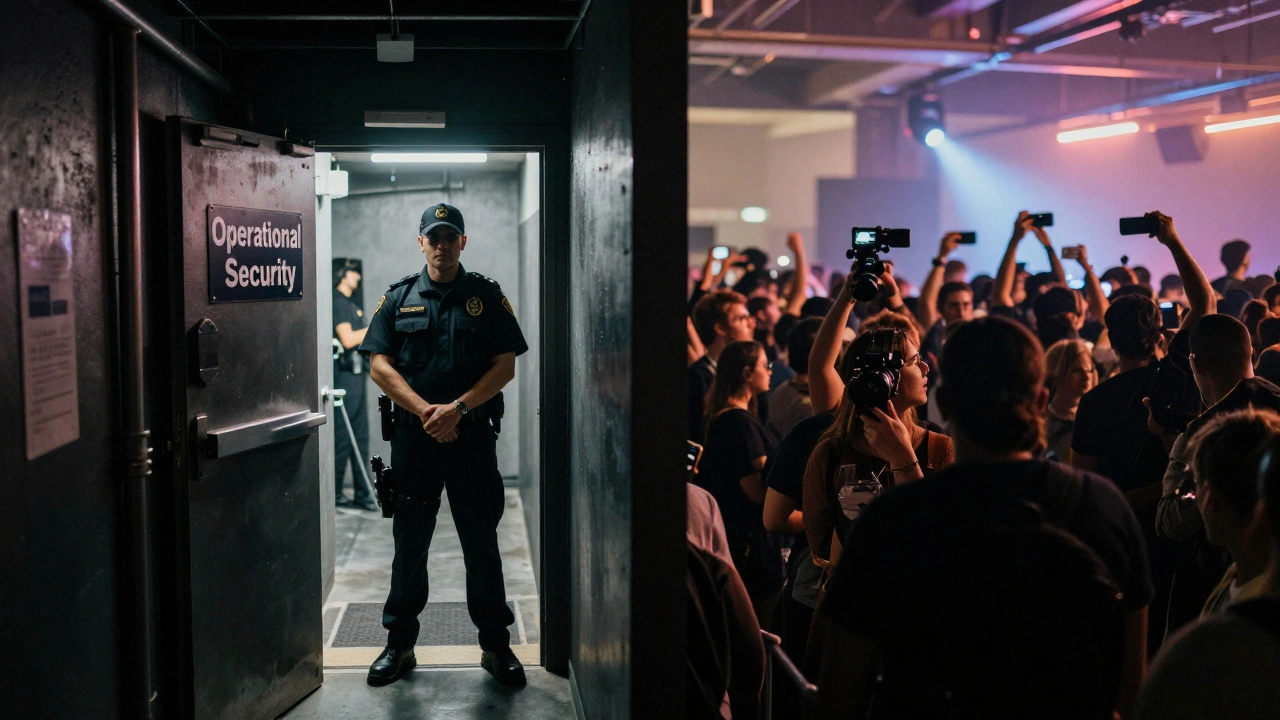
Getting into and out of a venue is where most security breaches happen. The "front door" is rarely the safest option. Work with the event coordinator to establish a secondary or tertiary exit. This is often called a "backdoor entry." By using a service entrance or a private loading dock, you avoid the gauntlet of fans and paparazzi, which significantly reduces the risk of being swarmed or harassed. Once inside, map out your environment. Where is the nearest exit? Where is the security hub? If you feel uncomfortable in a specific area, do you have a pre-arranged signal to tell your escort that it is time to leave? A simple phrase like "I need to check my schedule" can be a code for "get me out of here now." Avoid predictable patterns. If you are staying at a hotel for a three-day event, don't leave and return at the exact same time every day. Vary your routine slightly to make it harder for obsessive individuals to track your movements. This is a basic tenet of Operational Security (OPSEC) that is often overlooked in the excitement of a convention.Digital Safety and Location Privacy
Your phone is a tracking device that can betray your location if you aren't careful. Many creators accidentally leak their location by posting a "live" story on Instagram or X. By the time a fan sees the post, you are still in that specific cafe or hotel lobby. Implement a "post-delay" rule. Never post your exact location until you have already left that spot. If you want to share that you are at an event, post the photos after you have returned to your secure room. Also, disable "Significant Locations" in your phone settings and be mindful of the metadata attached to your photos. Use encrypted communication for coordinating with your team. Signal is the preferred choice here because of its end-to-end encryption and disappearing messages feature. If your travel itinerary is leaked, you don't want it to be in a plain-text email or a standard SMS thread that could be intercepted or accessed via a compromised account.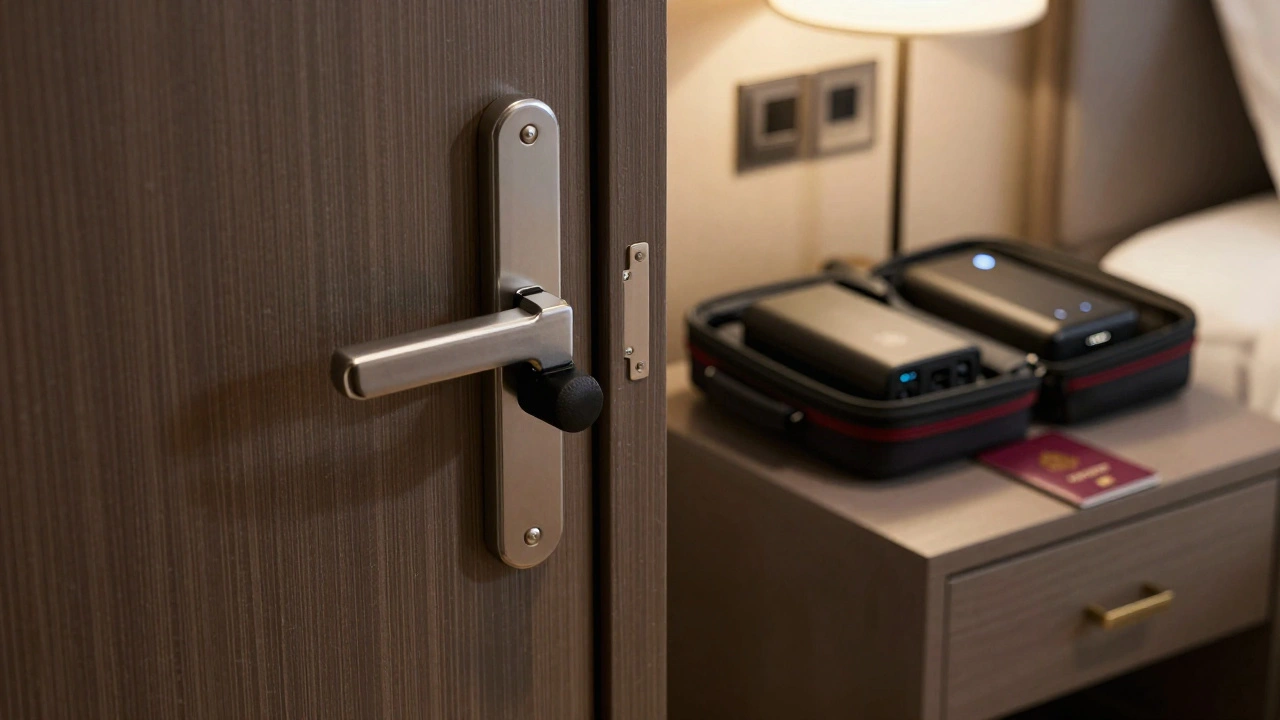
Managing the "Last Mile" and Hotel Safety
The journey from the car to your hotel room door is the "last mile," and it is a vulnerability point. Never walk through a hotel lobby alone if you can help it. If you are traveling without a personal guard, ask the hotel staff to keep your room number confidential. This is a standard request in the hospitality industry, but it is worth reminding the front desk agent explicitly: "Please do not give my room number to anyone, even if they claim to be with me." Once in your room, perform a quick security sweep. Check the locks and ensure the deadbolt works. If you are in a high-risk environment, a simple door wedge or a portable travel lock can provide an extra layer of peace of mind. These tools are cheap but effective, preventing someone with a master key from entering your space while you sleep. Keep your luggage organized. Your passport, emergency cash, and backup phone should be in a secure, hidden spot, not just sitting on the desk. If you have to evacuate the hotel quickly for any reason, you should be able to grab your essential documents in under thirty seconds.What should I do if a fan follows my car to the hotel?
Do not drive directly to the hotel entrance. Pull over at a safe, well-lit public area or a nearby gas station and call the hotel security or local police to report a stalker. Once the situation is assessed, ask the hotel to provide a security escort from the curb to your room. Never confront the individual yourself; let professional security handle the intervention.
Is it safe to use the event's provided shuttle service?
It depends on the vetting process. Ask the organizers if the drivers are employees or third-party contractors. If they are contractors, ask for the company name and check their reviews. If you feel uneasy, prefer a private car. A shuttle often puts multiple performers together, which is great for morale but can sometimes lead to a "target-rich" environment if the shuttle is spotted by crowds.
How do I handle a security guard who is crossing professional boundaries?
Document the behavior immediately. If a guard makes inappropriate comments or touches you without consent, notify the event organizer in writing. If you have a manager, have them handle the communication to create a paper trail. Do not feel obligated to "be nice" to someone whose job is to protect you; if they are the threat, they need to be replaced immediately.
What are the best apps for real-time safety tracking?
Signal is best for secure communication. For location tracking, Google Maps' "Location Sharing" or Apple's "Find My" are industry standards. Some performers also use apps like Life360 for a more permanent circle of trust. Always ensure your battery is topped up with a high-capacity power bank, as a dead phone is a major security liability.
Should I use a fake name for hotel bookings?
Using a legal name is usually necessary for payment and ID verification, but you can request that the hotel use a "pseudonym" or "alias" for the room registration. This means that if someone calls the front desk asking for your stage name, the staff will have no record of it. This adds a layer of anonymity that can prevent unwanted guests from finding your room.