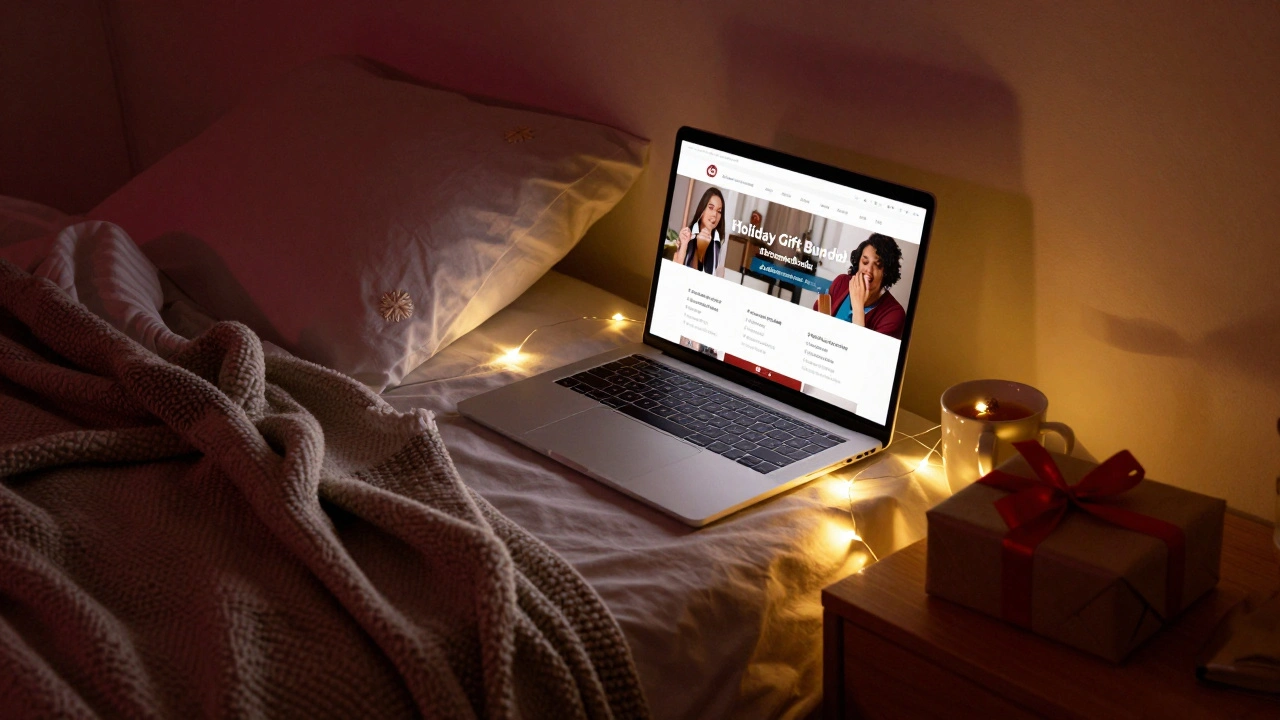

Adult content sales don’t happen at random. They follow patterns - quiet months, spikes around holidays, and predictable dips after major events. If you’re releasing content without factoring in these rhythms, you’re leaving money on the table. This isn’t about guesswork. It’s about matching your releases to when people are actually searching, spending, and sharing.
When Do People Buy Adult Content?
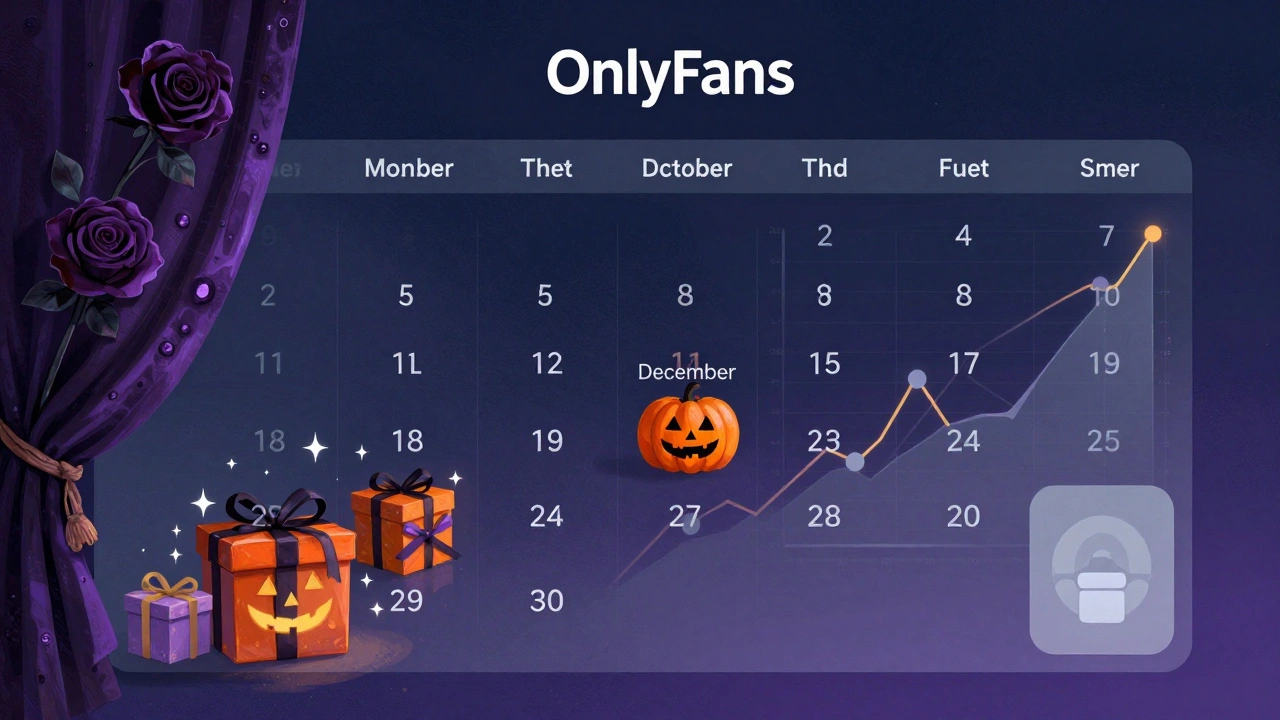
Look at the data from major platforms like OnlyFans, ManyVids, and FanCentro over the last three years. December is consistently the highest-selling month. Why? Holidays. People are home, gifts are being exchanged, and disposable income spikes. Valentine’s Day is a close second. February sees a 42% jump in new subscriptions compared to January, according to a 2025 industry report from Digital Content Insights.
But here’s what most creators miss: the post-holiday slump. January isn’t just slow - it’s brutal. After the December rush, engagement drops by up to 60% on average. That’s not a coincidence. People are broke, bills are due, and they’re not thinking about subscriptions.
Then there’s summer. June and July are quiet. Why? Travel. People are on vacation, out of routine, less likely to binge content at home. August sees a small rebound as people return, but it’s not a peak. The real second wind comes in October - Halloween, spooky themes, and a mood shift toward indoor activities.
Plan Your Release Calendar Like a Pro
You don’t need to release every day. In fact, releasing too often can burn out your audience. The sweet spot? Strategic bursts.
- October: Launch themed content - Halloween costumes, erotic horror, or sensual dark aesthetics. This is when searches for "spicy Halloween outfits" and "adult horror roleplay" peak.
- November: Start teasing December content. Teasers work better than full releases. Build anticipation. A creator in Portland saw a 31% increase in pre-orders after posting a 15-second teaser of their December bundle.
- December: Release your biggest bundle. Bundle deals perform 2.7x better than single items. Include exclusive access, behind-the-scenes footage, or a personalized video message. Don’t forget to tag your posts with #HolidayGift and #DecemberBundle.
- January: Don’t vanish. Post low-effort, high-value content - polls, Q&As, memes. Keep your audience warm. This is when you re-engage lapsed followers with a "Come Back? I Missed You" campaign.
- February: Roll out Valentine’s-themed content. Couples’ bundles, duet videos, or "Date Night Pack"s. This is when demand for romantic, not just sexual, content spikes.
- June-July: Post light, fun, vacation-style content. Beachwear, poolside clips, travel vlogs. Don’t push hard sales. Just stay visible.
Marketing Isn’t Just About Content - It’s About Timing
Releasing a video on a Tuesday at 3 p.m. won’t help if your audience is asleep, at work, or scrolling TikTok. The best times to post? Wednesday and Friday evenings, between 7 p.m. and 10 p.m. local time. That’s when engagement spikes across all platforms.
And don’t forget email lists. Creators who send a single email 48 hours before a release see 23% higher click-through rates than those who post without warning. Use subject lines like: "Your December Gift Is Ready" or "I Made Something Just for You - Coming Friday".
Platforms reward consistency. If you post every Wednesday, your audience learns to expect it. Algorithms notice. You get pushed to more feeds. But if you post wildly - one week, then nothing for 10 days - you lose momentum.
What to Avoid
Don’t release holiday content too early. A creator who dropped their Christmas bundle in November 15 saw 68% fewer sales than the same bundle released on December 1. People aren’t ready. They’re still thinking about Thanksgiving.
Don’t ignore analytics. Track your top-performing content month by month. Look at retention rates, refund requests, and average watch time. If your June content has a 70% drop-off after 2 minutes, maybe it’s too long. Or maybe it’s not seasonal enough.
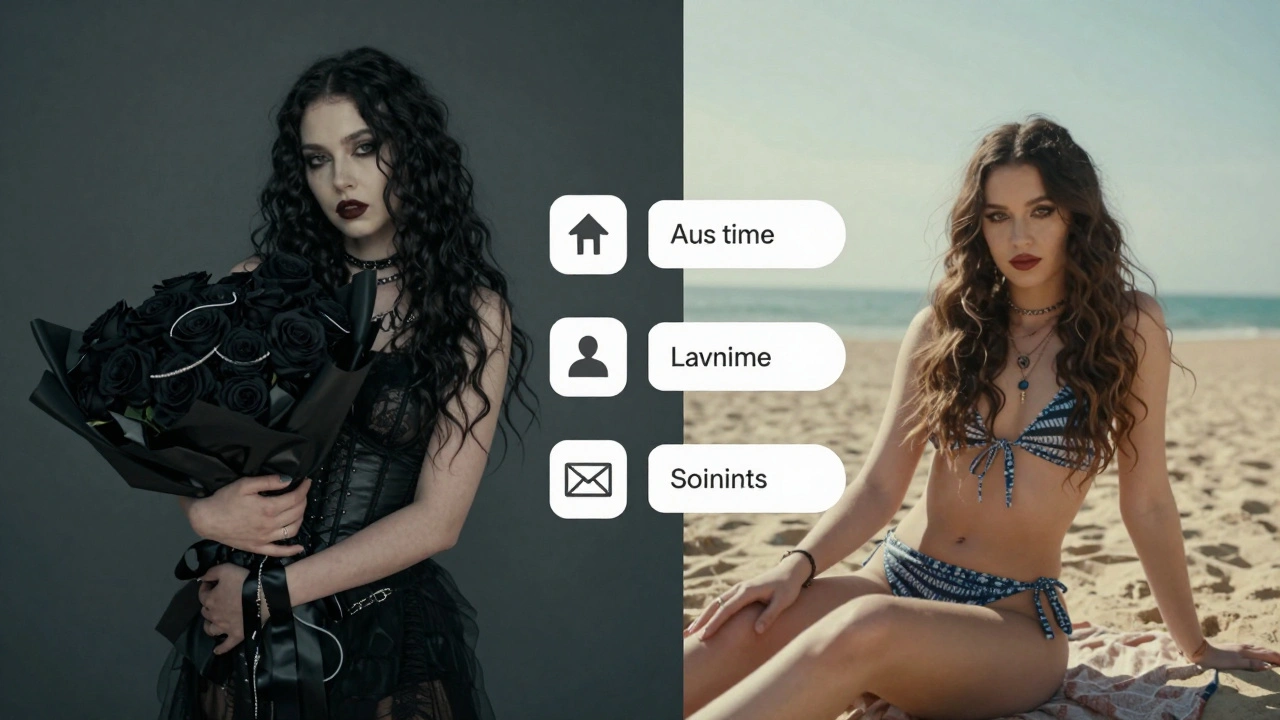
And never copy trends blindly. Just because someone else went viral with a "Summer Beach Body" video doesn’t mean it fits your brand. Authenticity beats trends every time. If you’re a goth aesthetic creator, don’t force a bikini video. Lean into your niche - it’s more profitable in the long run.
Tools That Actually Help
You don’t need expensive software. But you do need to use what’s free:
- Google Trends: Type in "erotic lingerie" or "adult gift ideas" and see seasonal spikes. Compare regions - Oregon sees higher interest in October than Florida.
- Platform analytics: OnlyFans and FanCentro give you exact data on when your followers are online. Use it.
- Calendar apps: Mark your release dates like appointments. Set reminders 7 days, 3 days, and 24 hours before.
One creator in Portland started using Notion to track her release calendar. She linked each post to its expected sales, engagement, and feedback. Within three months, her monthly revenue jumped 41%.
It’s Not Magic - It’s Mechanics
Seasonality in adult content sales isn’t about luck. It’s about aligning your work with human behavior. People buy gifts during holidays. They relax in summer. They crave intimacy in February. They want escape in October.
When you plan around those rhythms, you stop begging for attention. You become predictable in the best way - the kind of creator people look forward to.
Start with one season. Pick December. Build your next release around it. Track the results. Then repeat. You’ll see a difference before the next holiday.
Why do adult content sales drop in January?
January sales drop because of post-holiday financial strain. After December spending on gifts, travel, and parties, most people cut back on discretionary spending - including subscriptions. Studies show a 50-60% drop in new sign-ups and a 30% decline in repeat purchases. Creators who maintain engagement with low-pressure content (polls, memes, Q&As) retain up to 70% more followers than those who go silent.
Is it better to release daily or in batches?
Batches win. Releasing one high-quality bundle every 4-6 weeks outperforms daily posts. Why? Algorithms favor consistency over frequency. Audiences appreciate anticipation. A 2025 survey of 1,200 subscribers found that 68% preferred waiting for a curated bundle over daily updates. Daily posts often lead to fatigue, lower engagement, and higher unsubscribe rates.
What’s the best time to post adult content?
Wednesday and Friday evenings, between 7 p.m. and 10 p.m. local time, see the highest engagement. This is when people are off work, settled in, and scrolling. Posting at 3 p.m. on a Tuesday misses the peak window. Use your platform’s analytics to confirm - your audience’s behavior may vary slightly based on location or demographic.
Should I create holiday-themed content even if it’s not my usual style?
Only if you can do it authentically. Forcing a bikini video when you specialize in bondage or cosplay will feel off and turn off your core audience. Instead, adapt your style to the theme. A goth creator can do "Midnight Valentine’s" with dark roses and velvet. A fitness creator can do "New Year, New Me" with gym-themed roleplay. Stay true to your brand - but let the season enhance it.
How do I know if my release timing is working?
Track three things: sales volume, new followers in the 72 hours after posting, and average watch time. If sales jump 25%+ and watch time stays above 80%, you’ve timed it right. If sales are flat but followers spike, you’re getting exposure but not converting - maybe your preview isn’t strong enough. If both drop, your timing or content needs adjustment. Revisit your calendar every quarter.
Next Steps
Start today. Open your calendar. Mark the next three big dates: Halloween, Valentine’s Day, and Christmas. Then, plan one piece of content for each. Don’t overthink it. Just create. Post it. See what happens. You don’t need a team. You don’t need a budget. You just need to align your work with when people are ready to pay.
Seasonality isn’t a constraint - it’s your advantage. Use it.