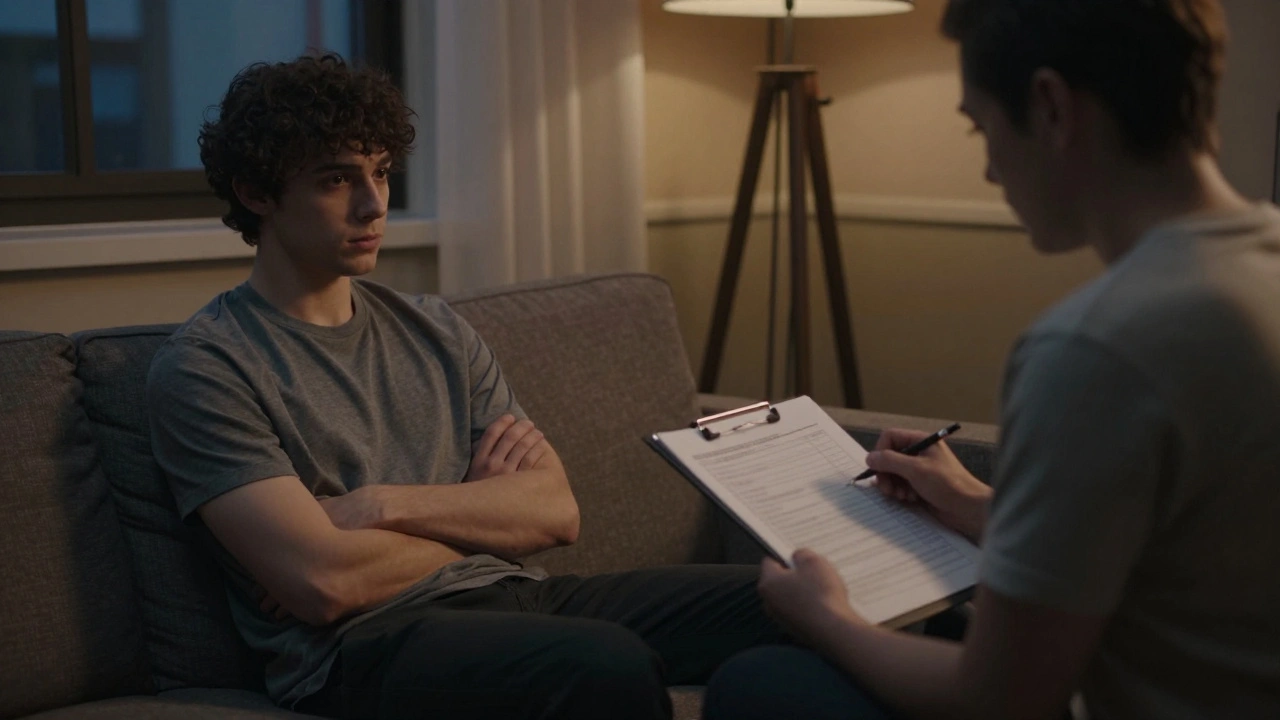

When someone films adult content, consent isn’t just a signature on a form. It’s a living, breathing process that must be checked, rechecked, and respected at every stage. Too often, the public sees only the final video-not the hours of negotiation, boundaries, and protections that should come before the camera rolls. But for performers, consent is the foundation of their safety, dignity, and livelihood. Without clear, enforceable protocols, the industry remains dangerous and exploitative.
What Consent Protocols Actually Look Like
Consent protocols in adult content production aren’t vague ideas. They’re specific, written procedures that cover everything from the first meeting to the last edit. A real protocol includes:
- A detailed list of acts that are allowed-or strictly off-limits
- Clear communication channels for changing boundaries during filming
- Medical testing schedules and verification methods
- Third-party oversight, like independent consent monitors
- Post-production controls, including how footage can be used, shared, or deleted
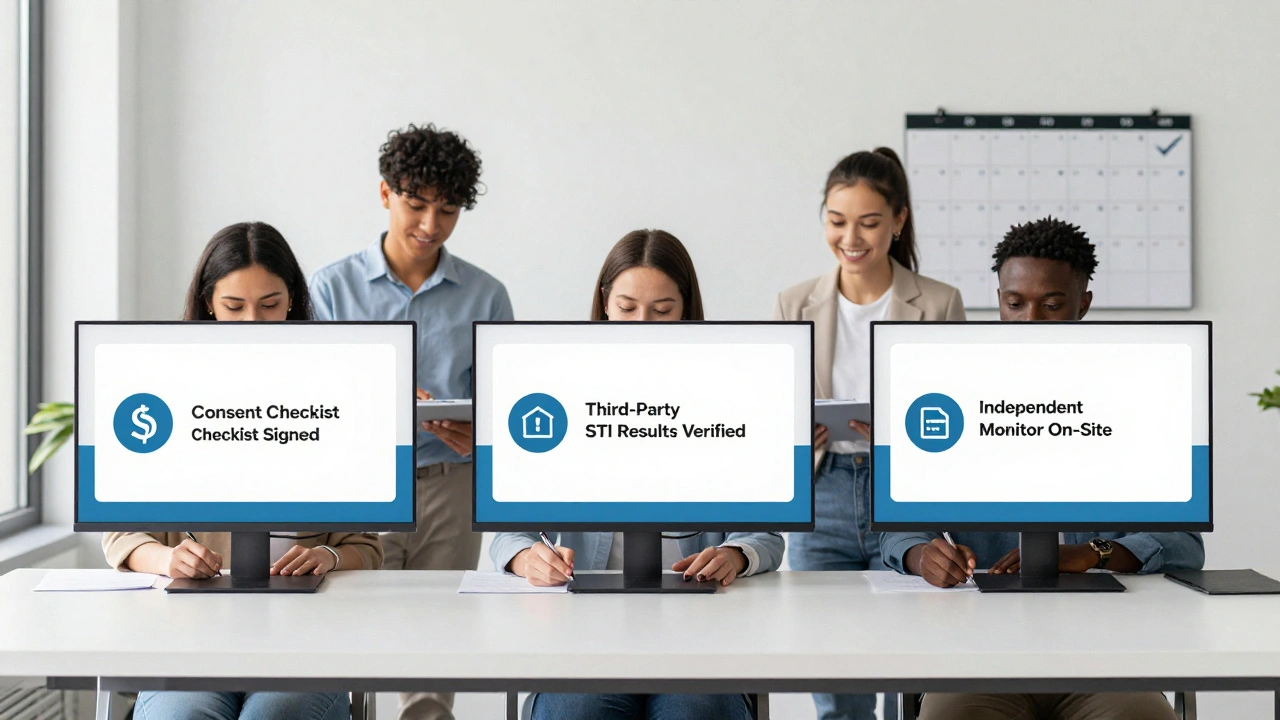
These aren’t suggestions. They’re contractual obligations. In 2023, the Adult Performer Advocacy Committee (APAC) released a standardized consent checklist used by over 200 production companies. It requires all parties to sign off on each clause before any scene begins. No exceptions.
Why Verbal Consent Isn’t Enough
You might think, “If they said yes on camera, that’s enough.” But consent isn’t a one-time event. It’s an ongoing conversation. A performer might agree to a scene on Monday, but by Wednesday, they’ve changed their mind. Or they’re exhausted. Or they’re under pressure from a producer who says, “We already paid for the time.”
Real protocols stop that. They require:
- Verbal confirmation before every new act
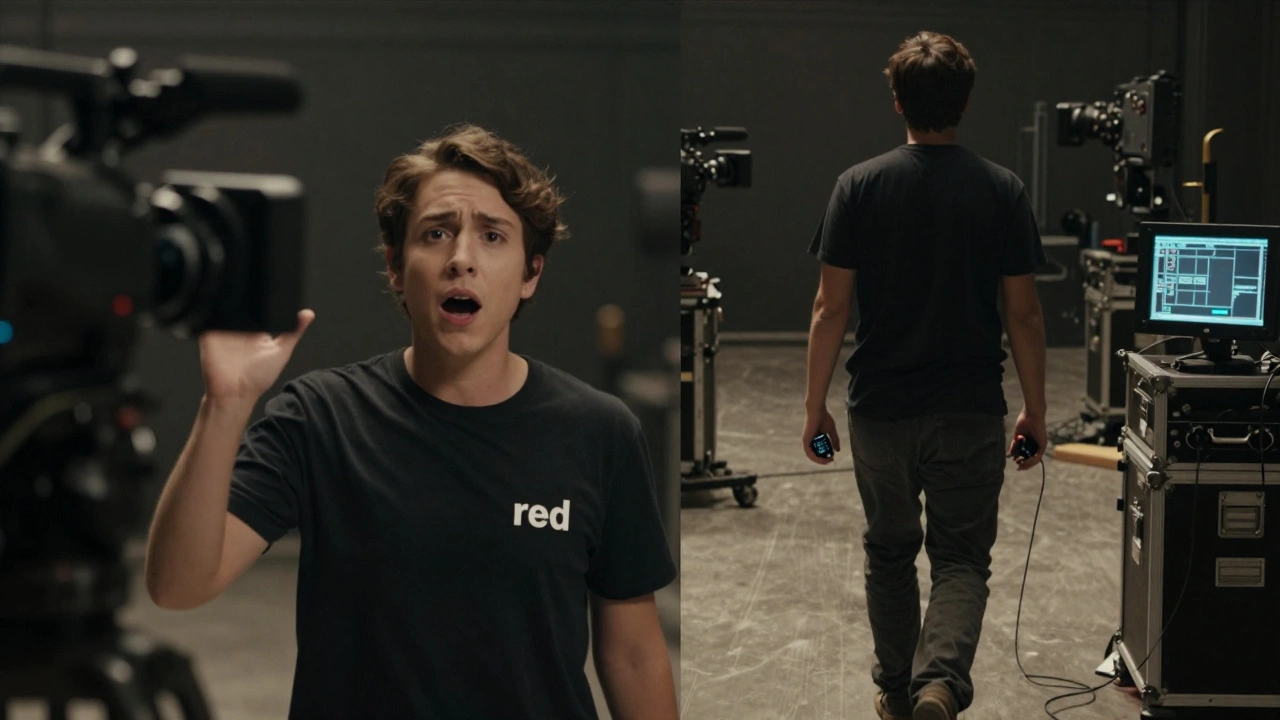
- A safe word system-like “red” to stop immediately
- Time between scenes to reset mentally and physically
- The right to walk away without penalty or blacklisting
One performer, who asked to remain anonymous, told a 2024 investigation that she agreed to a scene with two performers. On set, she was told a third person would join. She said no. The crew kept filming. No protocol was followed. She left the industry two months later.
The Role of Independent Consent Monitors
Production companies can’t be trusted to police themselves. That’s why many ethical studios now hire independent consent monitors-neutral third parties who are not employees of the studio, not connected to the director, and not paid by the performer’s agent.
These monitors:
- Review all consent forms before filming
- Attend every scene to ensure boundaries are honored
- Have the power to halt filming on the spot
- Report violations to a central database, not internal HR
Since 2022, the Performer Safety Alliance has trained over 350 monitors. Studios that use them report 78% fewer complaints and 92% higher performer retention rates. That’s not coincidence. It’s structure.
Medical and Legal Protections
Consent isn’t just about what happens on camera. It’s about what happens afterward.
Every performer should have access to:
- Free, confidential STI testing before and after every shoot
- Results verified by a third-party lab-not the studio’s in-house clinic
- Legal representation during contract negotiations
- Clear terms on how footage is stored, licensed, and deleted
Some studios claim they “follow industry standards.” But standards vary wildly. In 2025, the U.S. Department of Labor issued new guidelines requiring all federally registered adult production companies to use certified testing labs and retain footage logs for at least five years. Non-compliance means loss of business licenses.
How Performers Can Protect Themselves
Even with protocols in place, performers must stay vigilant. Here’s what works:
- Always read every line of the contract. If something is unclear, ask for a lawyer.
- Use a trusted agent or union rep to review agreements. The Adult Talent Guild now offers free contract reviews.
- Insist on a consent checklist signed by all parties, including the monitor.
- Record your own notes after each shoot: what was done, what was said, who was present.
- Know your right to refuse any act-even if you’ve done it before.
One performer in Los Angeles kept a voice memo journal after every job. When a studio tried to reuse footage she’d rejected, she had timestamps, names, and exact phrases. She sued. She won.
What Happens When Protocols Are Ignored
When consent protocols are ignored, the damage isn’t just emotional. It’s financial, legal, and career-ending.
In 2024, a major platform removed 12,000 videos after an audit found they were filmed without proper consent. The studio behind them lost its insurance. Its owner was charged with human trafficking. The performers had no recourse-no contracts, no medical records, no witnesses.
That’s why protocols matter. They’re not about censorship. They’re about accountability. They turn a chaotic, risky environment into one where performers have power, not just permission.
Industry Shifts Since 2020
The adult industry has changed. It’s no longer just underground studios and unregulated webcams. Major platforms now require proof of consent protocols before they’ll host content. Investors are demanding ethical standards. Performers are organizing.
The 2023 Consent Act in California made it illegal to film sexual content without a licensed consent monitor present. Similar laws are being drafted in New York, Nevada, and Canada. In Europe, the EU’s Digital Services Act now classifies non-consensual adult content as a high-risk violation.
Platforms like OnlyFans, ManyVids, and FanCentro now require producers to submit consent documentation before payment is processed. They’ve built automated checks that flag missing signatures, expired tests, or unverified monitors.
Why This Isn’t Just About Pornography
What happens in adult content production sets a precedent. If we accept that consent can be ignored for profit, then we normalize it everywhere else. The same power imbalances that let producers pressure performers are the same ones that silence workers in other industries.
Protecting performers isn’t a niche issue. It’s a human rights issue. When consent protocols are strong, they create a culture of respect that ripples outward. Performers who feel safe speak up. They advocate. They build businesses. They mentor newcomers.
And that’s the real win-not just safer shoots, but a better standard for everyone.
Do performers have the legal right to refuse any act during filming?
Yes. Under U.S. labor and contract law, a performer can withdraw consent at any time, even mid-scene. Refusing an act cannot be used as grounds for termination, blacklisting, or financial penalty. Any contract clause that tries to restrict this right is unenforceable. Many studios now include explicit language in their agreements confirming this right.
Are consent protocols the same across all countries?
No. In the U.S., protocols are mostly industry-driven, though states like California and New York now enforce minimum standards. In the EU, the Digital Services Act requires documented consent for all adult content distributed online. In Canada, performers are protected under labor unions with binding consent rules. In countries without specific laws, performers often rely on third-party agencies or international platforms that enforce their own policies.
Can a performer be forced to sign a contract after filming?
No. Any contract signed after filming, especially under pressure or without legal review, is likely invalid. Consent must be obtained before any content is recorded. Post-filming contracts are often used to retroactively justify abuse. Legal experts advise performers to never sign anything after filming unless they’ve consulted a lawyer and have a copy of the signed document before leaving the set.
What happens if a performer is injured on set?
If the studio is registered and follows protocols, workers’ compensation should cover medical costs and lost wages. Unregistered studios often leave performers without support. In 2025, the Performer Safety Alliance launched a fund to cover emergency medical bills for performers harmed on unregulated sets. Over $2.3 million has been disbursed so far. But prevention is better than payout-hence the push for mandatory consent monitors and insurance.
How can someone verify if a production company follows consent protocols?
Ask for their consent checklist, monitor certification, and third-party testing records. Reputable studios post these on their websites. Platforms like OnlyFans and ManyVids display compliance badges for producers who meet their standards. If a company refuses to show documentation, assume they don’t follow protocols. Walk away.