

Quick Summary of Revenue Streams
- Subscriptions: Predictable monthly income based on access.
- Clip Stores: High-margin, one-time sales of specific videos.
- Live Streaming: Real-time monetization through tips and requests.
- Custom Content: High-ticket personalized services.
The Subscription Model: Building Predictable Income
Subscriptions are the backbone of the modern creator economy. Instead of hoping a video goes viral, you're building a community that pays a monthly fee to keep access to your feed. This is essentially the "SaaS" (Software as a Service) model applied to human connection. When you use platforms like OnlyFans or Fansly, you are selling a membership, not just a photo.
The trick here is the "value ladder." If you charge $9.99 a month, you're attracting a wide audience, but you're also inviting people who expect a lot for very little. Some creators prefer a high-ticket model-charging $25 or $50-to filter for "whales," or high-spending fans who provide the bulk of the revenue. The danger of the subscription model is "churn." If you don't post consistently or engage with your fans, they'll cancel their sub the moment they feel they've seen everything you have to offer.
To keep churn low, successful creators use a tiered strategy. They might have a free page to act as a marketing funnel, a mid-tier subscription for general access, and a VIP tier for direct messaging and exclusive behind-the-scenes content. This ensures that as a fan's interest grows, there's always a higher level of investment available.
Clip Stores: The Digital Asset Strategy
While subscriptions provide a steady floor, clip stores provide the ceiling. A clip store is essentially a digital storefront where you sell individual videos. Unlike a subscription, where the value is in the ongoing relationship, a clip store is about the specific adult content business models of transactional sales. You're selling a specific fantasy, a specific outfit, or a specific act.
Platforms like ManyVids or ModelCenter allow you to upload a video once and sell it a thousand times. This is the definition of passive income. You spend four hours filming and editing a high-quality scene, and that asset can generate money for years. The key to winning here is metadata-using tags and titles that match exactly what people are searching for in the search bar.
One major advantage of clip stores is that they attract "search-based" traffic. Someone might not know who you are, but they are looking for a specific niche. If your video satisfies that niche, they'll buy it. This makes clip stores a fantastic way to acquire new fans who might later be converted into monthly subscribers.
Live Streaming: The High-Intensity Cash Cow
If subscriptions are the salary and clip stores are the investments, live streaming is the overtime pay. Live streaming is the most volatile but potentially most lucrative model because it relies on "impulse spending." When a creator is live on Chaturbate or MyFreeCams, the psychological pressure of a live audience encourages fans to tip more than they would for a recorded video.
The business model here is based on gamification. Tips aren't just money; they are "commands." A fan pays a certain amount of tokens to make the creator do a specific action. This creates a feedback loop: the fan sees an immediate result for their money, which triggers a dopamine hit, leading them to tip again. The revenue is driven by a mix of small "micro-tips" and occasional massive donations from a few dedicated viewers.
However, streaming is grueling. It requires you to be "on" for hours at a time. To avoid burnout, the pros use a schedule. They don't just go live whenever; they treat it like a TV show with set times. This trains the audience to be there at a specific hour, creating a predictable peak in traffic and revenue.
Comparing the Three Main Models
| Feature | Subscriptions | Clip Stores | Live Streaming |
|---|---|---|---|
| Revenue Type | Recurring (MRR) | Transactional | Real-time/Impulse |
| Effort Level | Medium (Consistent) | High (Initial) / Low (Later) | Very High (Active) |
| Scalability | High (Audience growth) | Very High (Passive) | Low (Limited by time) |
| Primary Goal | Retention | Acquisition | Instant Monetization |
Custom Content and the High-Ticket Upsell
No matter which model you start with, the real profit margins are in custom content. A custom video is when a fan pays you to film something specifically for them. This is the "consulting" arm of the business. Because it's a personalized service, you can charge a massive premium.
For example, a standard clip in a store might be $15, but a custom 5-minute video where you say the fan's name and follow their specific script could be $100 to $500. The challenge here is boundary setting. Without a strict set of rules and a clear price list, custom requests can quickly become a nightmare of "scope creep," where the fan asks for "just one more thing" without paying extra.
The most efficient way to handle customs is to create a "menu." List exactly what you will and won't do, and set a price per minute. This removes the negotiation phase and makes the process professional. It turns a chaotic request into a structured transaction.
The Hybrid Approach: The "Revenue Stack"
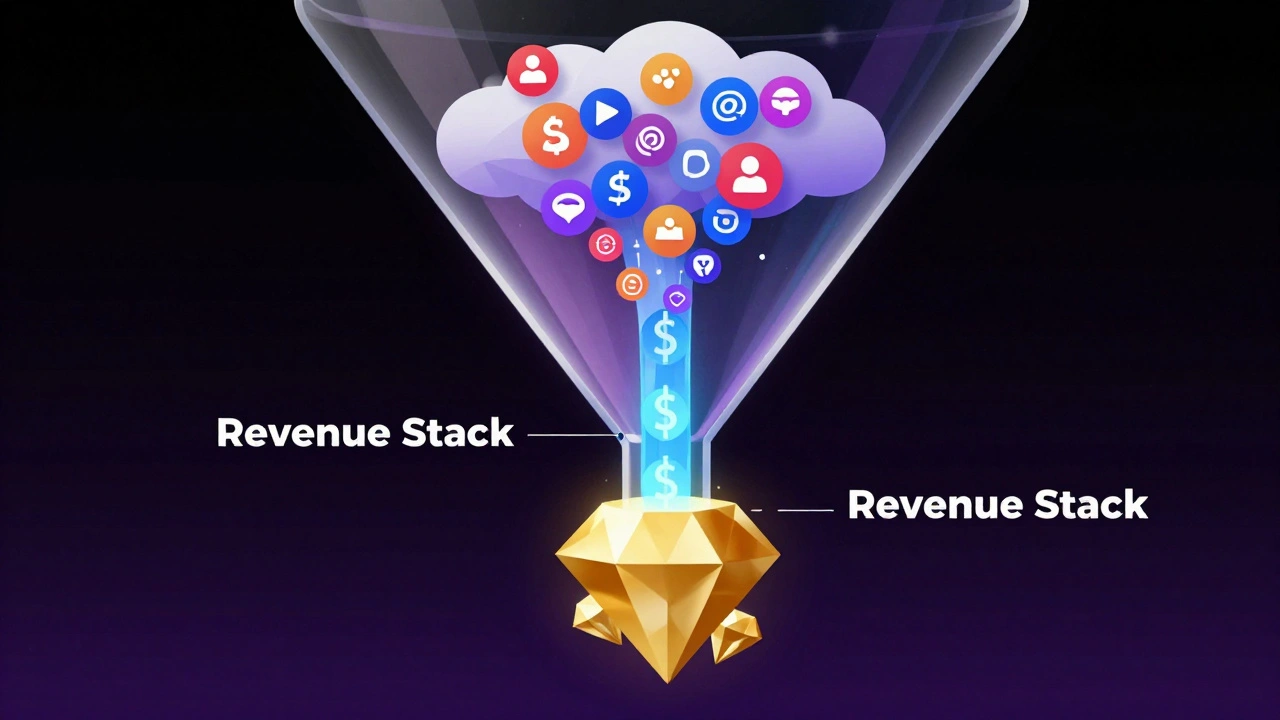
The most successful creators don't pick just one model; they stack them. This is called a hybrid strategy. They use a free social media presence to drive traffic to a low-cost subscription page. Once the fan is in the ecosystem, they offer higher-priced custom videos and occasionally host a live stream to clear out the "tip jars." Meanwhile, they upload their old subscription content to a clip store to monetize it a second time.
Think of it as a funnel. At the top, you have your free content (TikTok, X, Instagram) which casts a wide net. In the middle, you have your subscriptions, which filter for people willing to pay. At the bottom, you have your customs and live streams, where your most loyal fans spend the most money. This stack ensures that you aren't reliant on a single platform's algorithm or a single type of customer.
One common mistake beginners make is trying to do everything at once. If you're streaming 8 hours a day, you won't have time to edit high-quality clips or engage with your subscribers. The smart move is to master one model first-usually subscriptions-and then layer in the others as your audience grows.
Avoiding Common Pitfalls in Industry Economics
The biggest risk in these business models isn't a lack of fans; it's poor financial management. Because the money comes in bursts (a big tip here, a surge in subs there), it's easy to overspend during the peaks. You have to account for the fact that these platforms take a significant cut-usually between 20% and 40%. If you're making $1,000, you only keep $600 to $800. If you don't factor in this "platform tax," your budget will be a mess.
Another pitfall is neglecting the "backend" of the business. Many creators ignore Chargebacks and payment disputes. In the adult industry, some users will buy content and then dispute the charge with their bank. This can lead to your account being flagged or banned. Using reputable platforms that handle the payment processing and risk management is worth the fee because it protects your primary income stream.
Lastly, watch out for "content fatigue." If you put everything you have on your subscription page on day one, you have nothing to sell later. Space out your releases. Create "seasons" or "themes" for your content. This gives fans a reason to stay subscribed month after month, as they're waiting for the next big drop.
Which model is best for a complete beginner?
Subscriptions are usually the best starting point because they allow you to build a loyal fan base and create a predictable monthly income. It's easier to manage one feed than to manage a store of 100 individual clips or to commit to a grueling live stream schedule. Once you have 100-500 steady subscribers, you can easily pivot into selling clips or doing customs to those same fans.
How do I price my custom videos without underselling myself?
The best way is to calculate your "hourly rate" and then add a "convenience premium." If you want to make $100 an hour but a custom video takes you an hour to film and an hour to edit, your base cost is $200. Add a premium because customs are high-effort and tailored. Most pros charge a per-minute rate (e.g., $10-$20 per minute) with a minimum order requirement (e.g., minimum 3 minutes) to ensure the project is worth their time.
Are clip stores actually passive income?
They are "semi-passive." The initial work-filming, editing, and tagging-is high effort. However, once the video is live, it can sell indefinitely without further work from you. To keep it passive, you need a large library of content. A single video won't make you rich, but a library of 200 targeted videos can create a significant monthly revenue stream that requires very little maintenance.
What is the biggest mistake in live streaming monetization?
The biggest mistake is relying solely on the "room" for money. Many streamers forget to funnel their live viewers into a subscription service. Live streaming is great for quick cash, but it's an unstable long-term strategy. You should always use your stream as a marketing tool to move viewers toward a recurring payment model where you have more control over the relationship and the income.
How do I handle the platform fees?
You have to treat the platform fee as a business expense, similar to rent for a physical store. To mitigate the impact, focus on high-margin items like customs or VIP tiers where the percentage fee feels smaller relative to the total price. Always track your "Net Income" (what actually hits your bank account) rather than your "Gross Income" (what the fans paid) to avoid tax and budgeting surprises.
Next Steps for Growth
If you're already making money but feel stuck, your next move is to analyze your data. Look at your "Average Revenue Per User" (ARPU). If you have a lot of fans but low income, you need to introduce a high-ticket item like a VIP tier or custom services. If you have high income but are burning out, you need to shift more of your focus toward the passive nature of clip stores.
For those just starting, pick one platform, set a consistent posting schedule for 30 days, and focus entirely on building a "top of funnel" audience on social media. Don't worry about the complex stacks until you have a core group of people who are actively asking for more content.