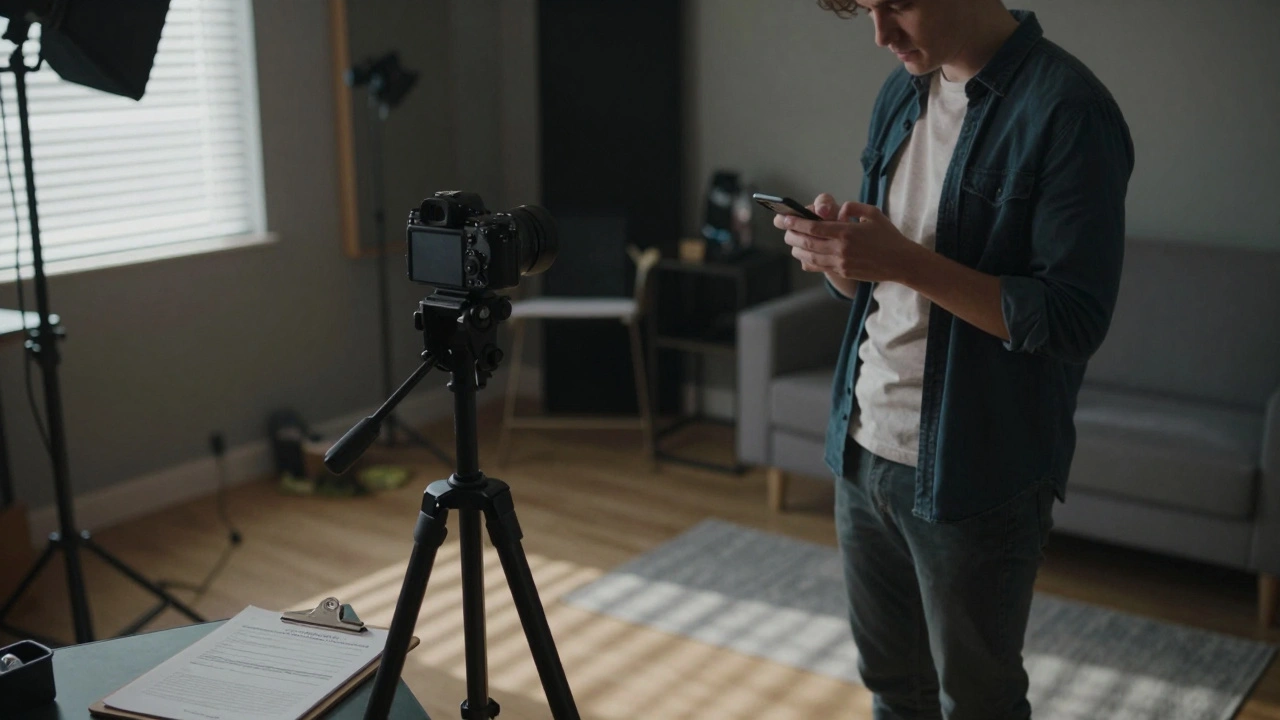

Every time you click play on a video, someone somewhere made it happen. Behind the scenes, there’s a chain of people - camera operators, editors, coordinators, performers - all part of a system that rarely gets inspected. In the adult content industry, this chain is often invisible. And that invisibility is where exploitation hides.
Unlike factories or farms, there’s no OSHA inspector walking through a home studio or a rented Airbnb set. No labor board audits pay stubs. No union reps checking if workers are being paid fairly or pressured into scenes they didn’t agree to. That’s why auditing supply chains in adult content isn’t just about compliance - it’s about survival.
What Does a Supply Chain Look Like in Adult Content?
It’s not just performers. The supply chain includes lighting technicians, makeup artists, set designers, post-production editors, payment processors, hosting platforms, and even marketers. Each link has its own contractors, freelancers, or gig workers. Many are paid per project, with no benefits, no contracts, and no way to report abuse without losing access to work.
Platforms like ManyVids, OnlyFans, and FanCentro act as marketplaces, but they don’t verify who’s behind the accounts. A performer might be 19, coerced by a partner, or trapped in debt bondage. Someone else might be a college student doing it to pay rent. Another might be a veteran using the work to reclaim control. Without audits, you can’t tell the difference.
Why Auditing Matters Now
In 2024, the U.S. Department of Justice reported a 47% increase in cases involving online sexual exploitation tied to adult content platforms. Many of these cases started with someone being lured under false pretenses - a modeling gig, a "career opportunity," a romantic relationship. Once they were isolated, the coercion began.
Platforms that don’t audit don’t just ignore risk - they enable it. When a platform takes a cut from every transaction without knowing who’s producing the content, they become part of the problem. Auditing isn’t about censorship. It’s about accountability.
How Ethical Auditing Works in Practice
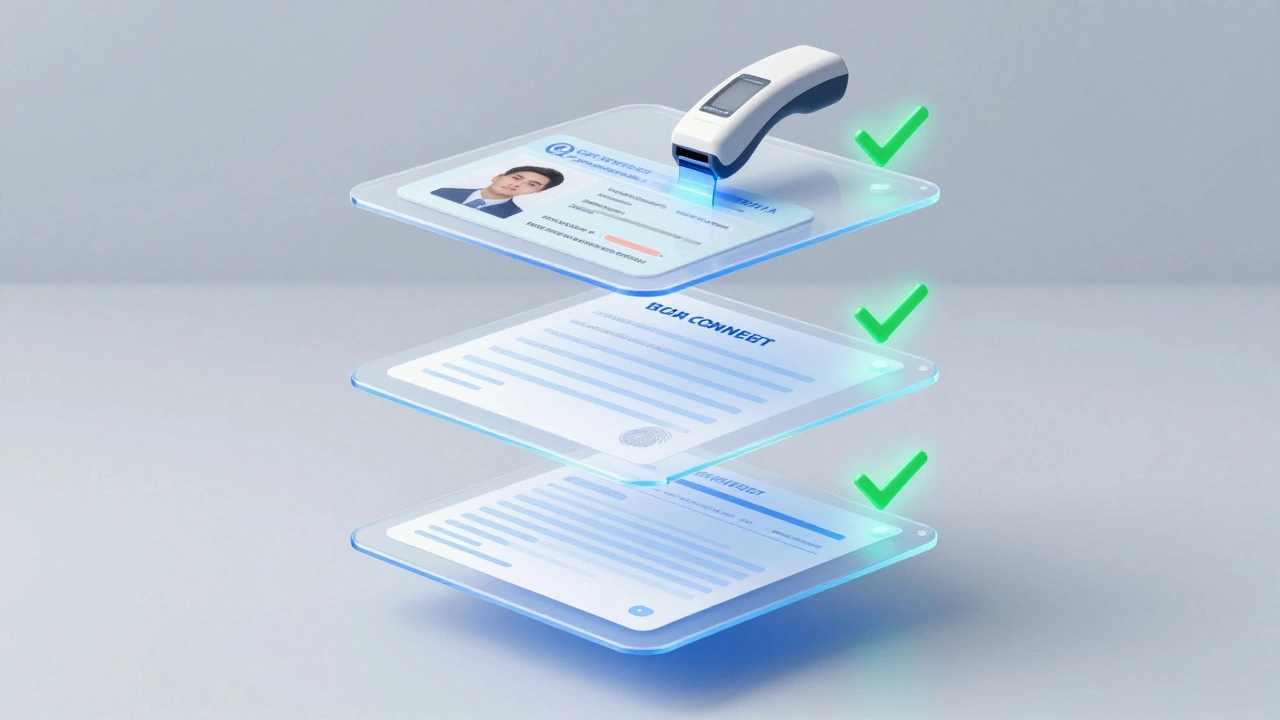
There are three layers to a real ethical audit in this space:
- Identity and age verification - Not just a selfie with a ID. Independent third-party verification using government-issued documents, biometric checks, and cross-referencing with national databases. No exceptions.
- Consent documentation - Every scene must have a signed, witnessed, and timestamped consent form that includes: what was filmed, who was present, how payment was agreed upon, and the right to withdraw consent at any time - even mid-shoot.
- Payment transparency - Performers must receive clear records of earnings, deductions, and payout timelines. No hidden fees. No delayed payments. No "platform fees" that eat up 60% of their income.
Companies like VeriPerformer is a third-party compliance service that audits adult content production chains have started offering these services. They don’t shut down creators. They protect them.
Real Cases That Changed the Game
In 2023, a small studio in Atlanta was shut down after an audit revealed that 12 of its 18 performers were under 21. They had been told they were "modeling for fashion." The studio owner used fake contracts and forged IDs. The audit flagged inconsistencies in tax IDs and bank account names. That’s what good auditing does - it catches the lies before they become trauma.
Another case involved a performer in Poland who was paid $150 for a video that later made $28,000 on a platform. She had no contract. No way to track sales. No recourse. After an audit was mandated by a coalition of industry groups, platforms began requiring revenue-sharing disclosures. Now, performers can see exactly how much their content earns.
What Ethical Auditing Doesn’t Do
It doesn’t ban nudity. It doesn’t censor sexuality. It doesn’t target independent creators. Ethical auditing doesn’t care if you’re a solo performer filming in your bedroom. It cares if you’re free to say no. If you’re paid fairly. If you’re not being watched, tracked, or threatened.
Some critics say audits are too expensive or invasive. But the cost of not auditing? A teenager sold into forced labor. A veteran with PTSD exploited for content. A person whose face is on thousands of videos they never consented to. That cost is measured in lives, not dollars.
The Role of Platforms
Platforms can’t outsource ethics. If you’re taking money from adult content, you’re responsible for how it’s made. No more "we didn’t know" excuses.
Platforms that audit:
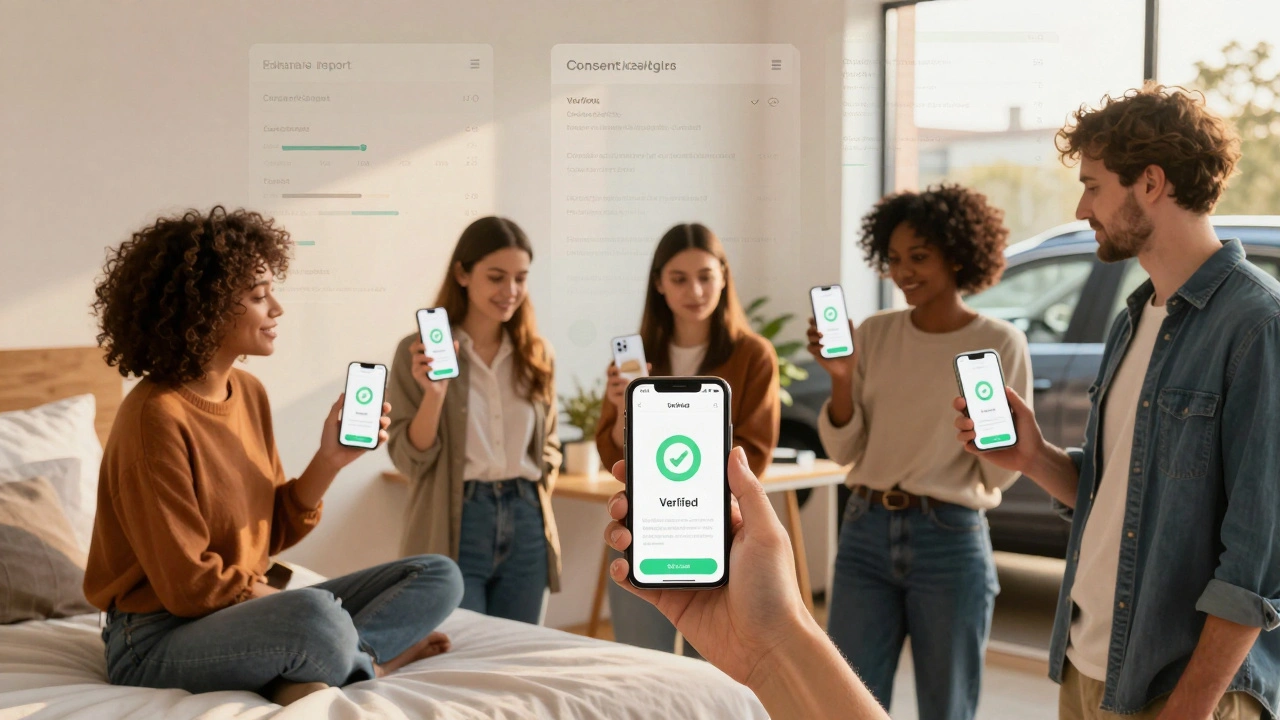
- Require verified ID and consent forms before payout
- Use encrypted, tamper-proof consent logs stored independently
- Offer anonymous reporting channels for performers
- Publicly share audit results (at least anonymized summaries)
- Partner with NGOs like SafeNet is a nonprofit focused on labor rights in digital sexual industries to train staff
Platforms that don’t do this? They’re not neutral. They’re complicit.
What Creators Can Do Today
You don’t need a corporate team to start auditing your own work. Here’s how:
- Keep a digital log of every shoot: date, location, people present, consent form signed
- Use free tools like ConsentKeeper is a mobile app that securely stores timestamped consent records to store proof
- Only work with platforms that show you earnings breakdowns before you upload
- Join creator collectives that share safety resources - groups like Sex Workers’ Collective is a network that provides legal aid and peer support for adult content creators
- If something feels off, walk away. No one owes you content.
The Bigger Picture
This isn’t just about adult content. It’s about how we treat labor in the digital age. Gig workers, content creators, streamers, AI trainers - they’re all part of a new economy where rights are optional. If we can’t audit a porn shoot, how can we trust any digital job?
Ethical supply chains aren’t a luxury. They’re the baseline. The next time you watch something, ask: Who made this? Were they free? Were they paid? Did they have a choice?
Because if the answer is no - then you’re not just consuming content. You’re supporting a system that’s broken.
Are there legal requirements for auditing adult content production?
In the U.S., federal law requires age verification for performers, but there’s no nationwide mandate for consent documentation or payment transparency. Some states, like California and New York, have passed laws requiring platforms to verify consent and provide earnings records. Internationally, the EU’s Digital Services Act now requires platforms to take reasonable steps to prevent exploitation, which includes supply chain audits. But enforcement is patchy. Most audits are voluntary - and that’s why independent certification matters.
Can independent creators afford to audit their own work?
Yes. Tools like ConsentKeeper, VeriPerformer’s free tier, and open-source consent templates are available at no cost. The biggest expense isn’t money - it’s time. But spending 20 minutes documenting each shoot protects you legally and emotionally. Many creators say the peace of mind is worth it. Plus, platforms that require audits often give verified creators higher visibility and better payout rates.
What if a performer is pressured to film but doesn’t want to speak up?
Anonymous reporting channels are critical. Groups like SafeNet and the Sex Workers’ Collective offer encrypted hotlines and legal liaisons who won’t report to police unless the performer asks. Many performers fear retaliation or deportation - especially if they’re undocumented. Ethical audits include third-party mediators who can intervene without triggering law enforcement unless consented to by the worker.
Do audits stop performers from making money?
No - they protect their ability to make money. Performers who go through audits report fewer payment disputes, higher trust from buyers, and more repeat clients. Platforms that verify creators often promote them more. One study from the University of Oregon found verified performers earned 32% more on average than those without documentation, not because they were "better," but because buyers felt safer transacting with them.
Isn’t this just another form of surveillance?
It’s only surveillance if it’s imposed from above without consent. Ethical auditing is designed by performers, for performers. It’s not about monitoring behavior - it’s about protecting autonomy. The consent forms, ID checks, and logs are owned by the performer. They control who sees them. This isn’t government oversight. It’s worker empowerment.