
Why Physical Media Is Thriving in 2026
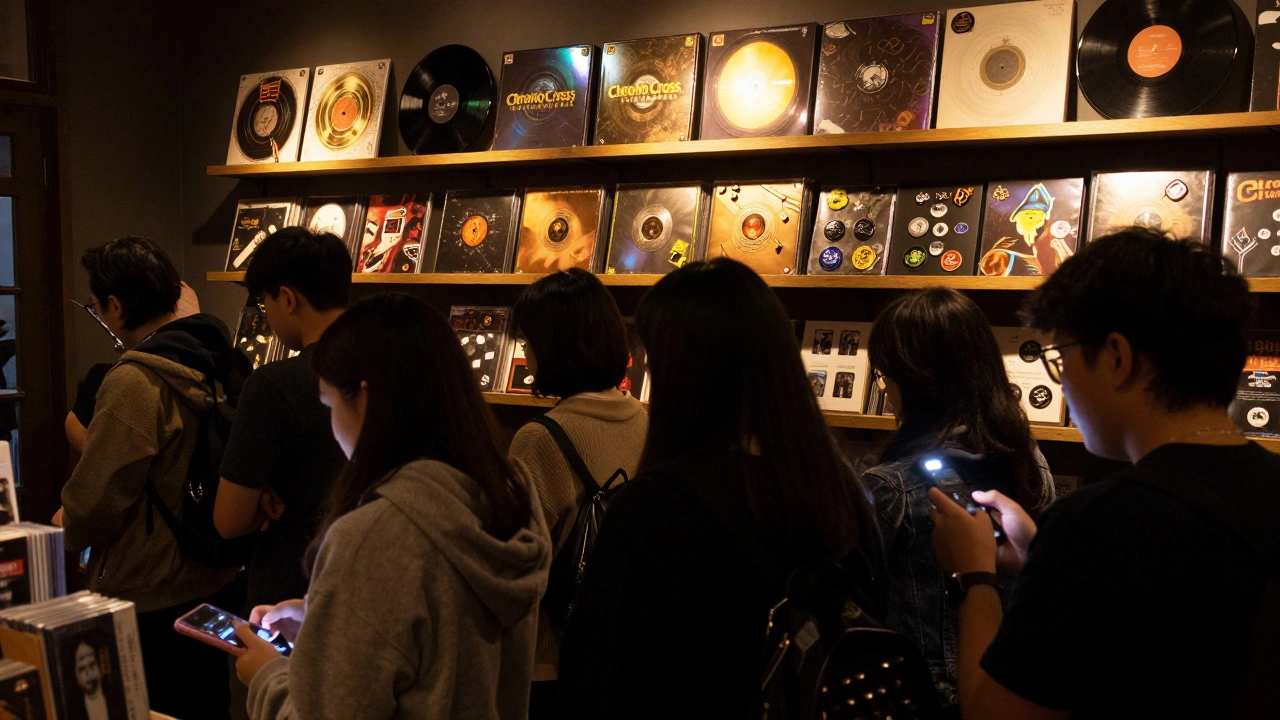
It’s 2026, and everyone said physical media was dead. Streaming, cloud saves, digital downloads-why bother with discs, cases, and vinyl? But if you walk into a local game shop in Portland, Evansville, or even a small town in Ohio, you’ll see something surprising: lines forming for steelbook editions, vinyl pressings, and boxed sets that cost more than the digital version. People aren’t just buying these items-they’re building collections. And they’re not alone. Across the U.S., collectors are merging their love of video games, music, and art into one unified hobby: cross-collecting.
The truth is, digital doesn’t feel the same. You can’t hold a cloud save. You can’t stack digital albums on a shelf. And you sure can’t admire the gold-foiled artwork of a steelbook case when it’s buried in a folder on your hard drive. That’s why collectors are doubling down on physical objects-not because they’re stuck in the past, but because these items carry something digital can’t: meaning, beauty, and scarcity.
Steelbooks: More Than Just a Case
Steelbooks used to be rare. Back in 2018, you’d hunt for one like a treasure. Now, they’re standard for major game releases. Publishers like Limited Run Games, Nintendo, and Sony don’t just offer steelbooks as bonuses-they build entire collector editions around them. A single steelbook case can now include a metal disc holder, a 40-page art book, a character pin, and even a numbered certificate. Some editions come with glow-in-the-dark prints or foil-stamped covers that change under light.
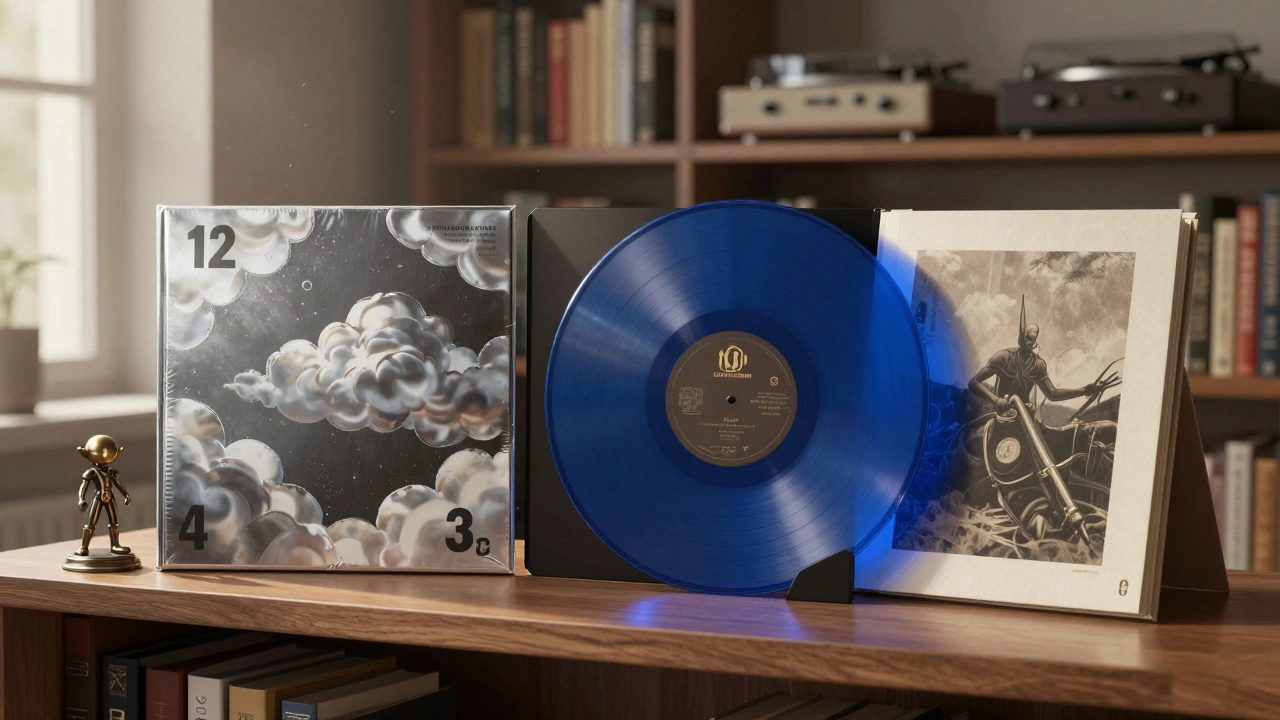
What makes a steelbook valuable isn’t just the game inside. It’s the design. A limited run of 5,000 copies with a hand-painted cover by an indie artist? That’s not a game case. That’s a collectible artifact. And when a game like Chrono Cross: Reimagined drops with a steelbook featuring metallic silver clouds and a custom lenticular cover, collectors know they’re not just buying a game-they’re buying a piece of history.
And here’s the kicker: retailers are getting smarter. Local shops in Evansville, Indiana, get exclusive preorder waves before big chains like GameStop even get stock. You might not find the same steelbook online, but if you show up at your local indie game store on release day, you might walk out with a bonus poster or a signed card no one else has. That’s not marketing-that’s community.
Vinyl: The Sound of Scarcity
Vinyl didn’t just come back. It evolved. In 2026, a new vinyl release isn’t just about the music-it’s about the experience. Record labels are treating albums like museum exhibits. Take the reissue of Blue Moon Rising by indie band The Hollows. The standard black vinyl is $25. The limited edition? It’s pressed on translucent cobalt blue wax, includes a 12-page zine with unreleased lyrics, and comes in a gatefold sleeve with UV-reactive ink that glows under blacklight. Only 1,200 were made. Sold out in 11 minutes.
It’s not just about nostalgia. Audiophiles swear the analog warmth of vinyl sounds richer than any streaming bitrate. But collectors? They’re chasing the story behind the record. Numbered editions. First pressings. Bonus tracks pressed only on the 10th anniversary version. Some collectors buy vinyl not to play it, but to display it. A well-curated shelf of vinyl can look like a gallery-each sleeve telling a different story.
And the resale market? It’s wild. A sealed copy of Neon Pulse by synthwave artist Luma, released in a run of 800, sold for $420 on eBay six months after release. Why? Because the artist hand-signed each one. That’s not just music. That’s art with a paper trail.
Where Steelbooks, Vinyl, and Games Overlap
The magic of cross-collecting is how these formats feed each other. A collector who buys vinyl might also snap up the steelbook edition of the game that inspired the album. A fan of Stellaris: Echoes of the Void might buy the vinyl soundtrack, then hunt for the game’s steelbook, then track down the companion art book. These aren’t separate hobbies-they’re parts of one ecosystem.
Game studios are catching on. Horizon: Dawnfall’s collector’s edition includes a steelbook, a 7” vinyl of the game’s original score, and a miniature metal figurine of the protagonist. No digital code. No download key. Just physical objects you can hold, display, and pass down. It’s a statement: this matters. This is worth saving.
Even indie devs are joining in. A game like Wanderer’s Lullaby came with a hand-numbered vinyl of its ambient soundtrack and a 16-page zine made from recycled paper. No one expected it to sell out in 48 hours. But it did. Why? Because collectors saw it as more than a game. It was a ritual.
The Role of Scarcity and Local Retailers
Scarcity isn’t a gimmick-it’s the engine. If you can buy something anywhere, it loses its magic. But if only 200 copies exist, and only 50 are available through your local comic shop? You act fast. That’s why retailers are becoming curators, not just sellers.
Local game stores, indie bookshops, and record shops now host release nights. You show up at 8 p.m., get a numbered ticket, and walk out with your edition before the online bots even load the page. Some shops even let you pre-order a bundle that includes a vinyl, a steelbook, and a custom poster-all signed by the developer or artist.
Evansville, Indiana, is one of the most active collector hubs in the Midwest. Why? Because the local community owns it. A single shop, Pixel & Vinyl, hosts monthly collector meetups. People bring their steelbooks, trade vinyl, show off their rare game boxes. They share tips on how to spot fakes, where to find unopened stock, and which editions are likely to rise in value. It’s not about money. It’s about belonging.
Quality Problems and the Collector’s Dilemma
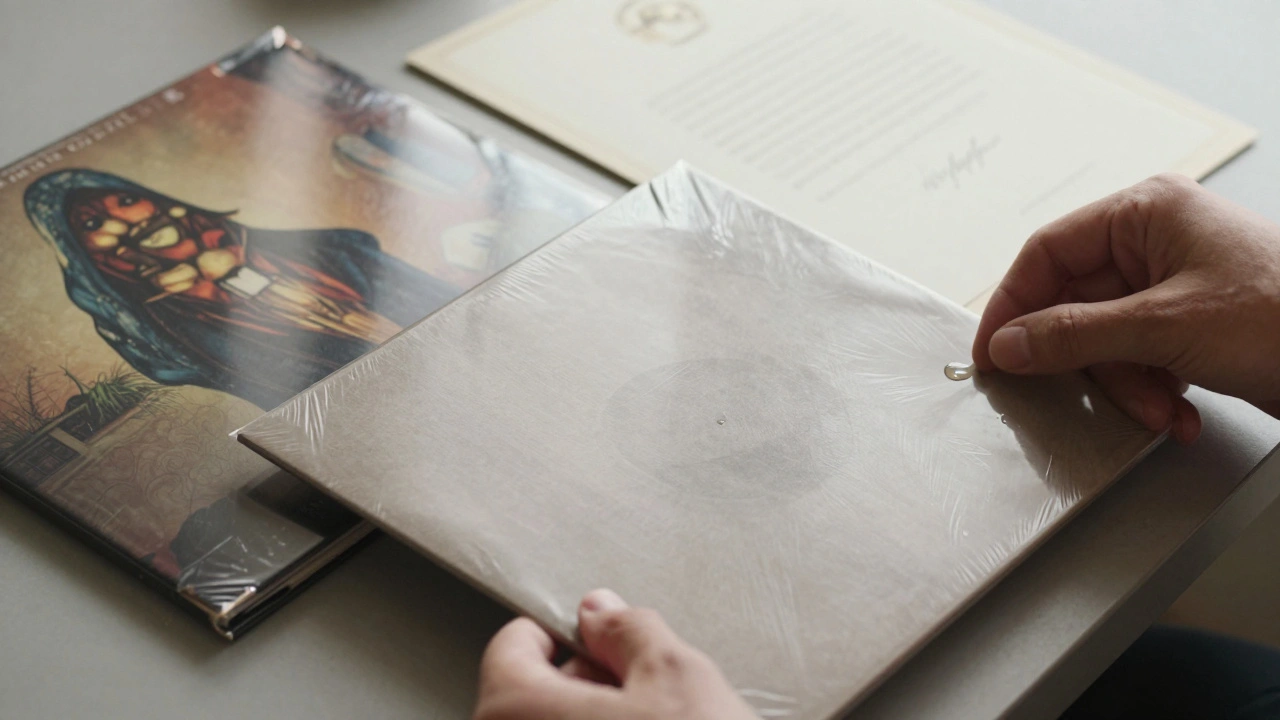
But it’s not all perfect. In early 2026, Limited Run Games faced backlash when dozens of collectors reported warped steelbook cases, misaligned hinges, and art prints that faded under sunlight. Some boxes arrived with broken inserts. One collector spent $200 on a limited edition, only to find the vinyl inside had a scratch that made it unplayable.
These aren’t minor issues. For collectors, a damaged item isn’t just a broken case-it’s a broken promise. You’re not buying a product. You’re buying trust. And when that trust breaks, it hurts.
Some collectors now demand transparency: “Show me the production run number.” “Can I see photos of the actual item before shipping?” “Do you guarantee the steelbook won’t rust?”
It’s a growing tension. The desire for beautiful, limited items clashes with the reality of mass production. But collectors aren’t giving up. They’re getting smarter. They’re forming buyer coalitions. They’re demanding better quality control. And publishers? They’re starting to listen.
Why This Isn’t Just a Fad
People keep saying digital is the future. And maybe it is. But collectors aren’t fighting the future. They’re preserving a part of it.
Think of it this way: future generations won’t care about your Steam library. But they might care about the steelbook of Final Fantasy VII Rebirth with the hand-drawn sketch inside. They might care about the vinyl of a game’s soundtrack that no longer exists online. They might care about the box that held your first real gaming experience.
Physical media isn’t about resisting progress. It’s about honoring it. It’s about saying: this mattered. This was worth saving. This wasn’t just data-it was art.
And as long as there are collectors who believe that, steelbooks, vinyl, and physical games won’t disappear. They’ll just keep growing.
What’s Next for Collectors
Look beyond games and records. The same forces are driving demand in books, comics, and even sports cards. Limited-run graphic novels with foil covers. Signed first editions of indie novels. Autographed trading cards with embedded QR codes linking to video messages from the artist.
The trend is clear: collectors want items that tell a story, not just ones that work. They want to touch, display, and share. They want to feel connected-to the creators, the community, and the moment.
So if you’re thinking about starting a collection? Don’t wait for the next big release. Start small. Find one item that speaks to you. A vinyl. A steelbook. A comic. And hold onto it. Because in 2026, the best investments aren’t in stocks or crypto.
They’re in the things you love.
Are steelbooks worth the extra cost?
Yes-if you value art, preservation, and exclusivity. A steelbook isn’t just a case; it’s a display piece. Limited runs, unique artwork, and bundled extras (like art books or pins) make them desirable. Resale values for rare editions often double within a year. But if you only care about playing the game, digital is cheaper. The value is in the experience, not the gameplay.
Why are vinyl records making a comeback in 2026?
Vinyl isn’t just about sound-it’s about ritual. The act of pulling a record from its sleeve, placing it on the turntable, and flipping sides creates a connection digital streaming can’t match. Limited pressings with colored wax, signed inserts, and exclusive tracks turn albums into collectibles. Labels now design vinyl like art objects, not just audio carriers. Demand is up 47% since 2022, with 2026 sales hitting record highs.
Do video game collectors care about digital versions?
Most collectors use digital for gameplay but still buy physical editions for the extras. A steelbook with a poster, soundtrack, and figurine has more emotional weight than a digital download. Many collectors say they’ll keep buying physical copies even if future consoles go fully digital. For them, it’s about legacy, not convenience.
Where can I find exclusive steelbooks and vinyl?
Start with local indie retailers. Game shops, record stores, and comic book stores often get exclusive allocations before big retailers. Preorder directly from publishers like Limited Run Games, iam8bit, or Third Man Records. Join collector forums-Reddit’s r/Steelbooks and r/VinylCollectors are great for tracking drops. Avoid Amazon and eBay for new releases; they often mark up prices after stock sells out.
Is cross-collecting expensive?
It can be, but it doesn’t have to be. Start with one item you love-a $25 vinyl, a $40 steelbook. Build slowly. Many collectors trade items, attend swap meets, or buy used copies in good condition. The goal isn’t to own everything-it’s to own what moves you. A single meaningful item is worth more than ten that don’t.