
Every year, thousands of collectors walk into gaming conventions hoping to find that rare NES cartridge, a sealed SNES title, or a mint-condition board game like Terraforming Mars. But hidden among the legitimate vendors are sellers pushing counterfeit games that look real-until you try to play them. By 2026, counterfeit video games have become a serious problem, especially at swap meets and large shows where buyers can’t easily return items. The good news? You can avoid getting scammed if you know what to look for.
Physical Inspection Is Your First Line of Defense
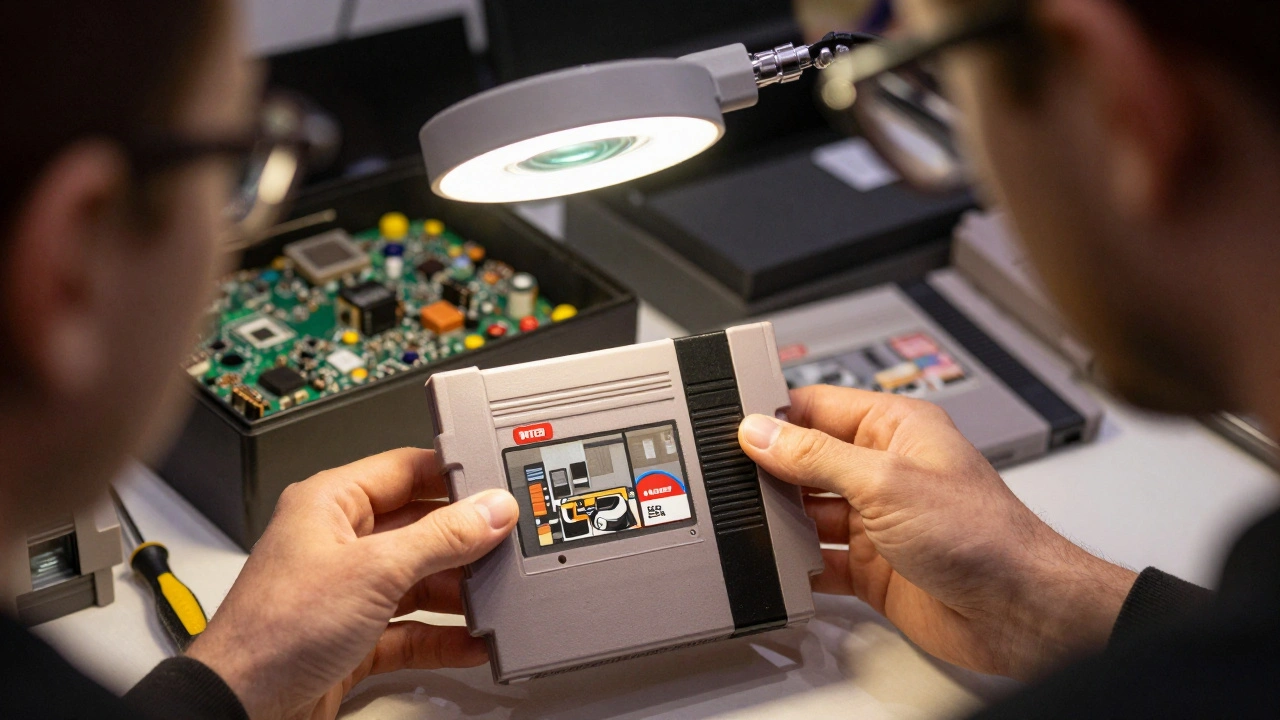
Don’t just glance at the box or cartridge. Hold it. Feel it. Compare it. Authentic game cartridges from the 80s and 90s were made with specific plastic molds that give them a unique texture. Counterfeit versions often use cheaper, smoother plastic that feels off-too shiny, too thin, or too rigid. The color might be slightly off, or the logo might be slightly blurry. These aren’t always easy to spot, but they’re there. For cartridge-based games like NES or SNES, a simple trick is to open the case. You’ll need a 3.8 mm game bit screwdriver, which costs less than $10 online. Once open, look at the circuit board. Authentic boards have clean solder joints, consistent labeling, and specific chip placements. Counterfeit boards often have messy wiring, mismatched chips, or even reused parts from other games. If the board looks like it was assembled in a garage, it probably was. Board games like Terraforming Mars have their own telltale signs. All real copies use cards with a black core layer inside-this prevents light from passing through when held up. Fake cards are often just printed on thin cardboard without that layer. Hold a card up to a bright light. If you can see through it, you’ve got a bootleg.Test the Game Before You Buy
One of the best ways to confirm authenticity is to play the game right there at the booth. If the seller refuses to let you test it, walk away. A working game is proof enough. Many counterfeit cartridges don’t work at all-they crash, freeze, or display glitchy graphics. Even if they boot up, they might have corrupted save files or missing audio tracks. Some sellers will say, “I don’t have a console here,” but that’s not a good excuse. Reputable vendors bring at least one working system. If they’re selling a $200 NES game and won’t plug it in, that’s a red flag. Don’t let convenience override caution.Watch Out for Suspicious Sellers
Not all vendors at conventions are scammers, but some patterns are dead giveaways. If a seller has five copies of the same ultra-rare game-say, a sealed Super Mario Bros. 3 with the original box-they’re likely running a scam. Real collectors don’t own multiples of rare titles. They hunt for one perfect copy. Look at their other items. Are they selling mostly obscure, low-demand games? That’s a sign they’re not serious collectors. Legit sellers usually have a mix of common and rare items, with clear provenance. Check their booth history. If they’ve been at the same convention for three years or more, they’re more likely to care about their reputation. Ask for proof. If you’re spending over $50, ask to see a photo of the circuit board with a penny next to it for scale. Or ask if the game has a serial number or QR code inside the box. Some publishers now include these. If they hesitate, say no.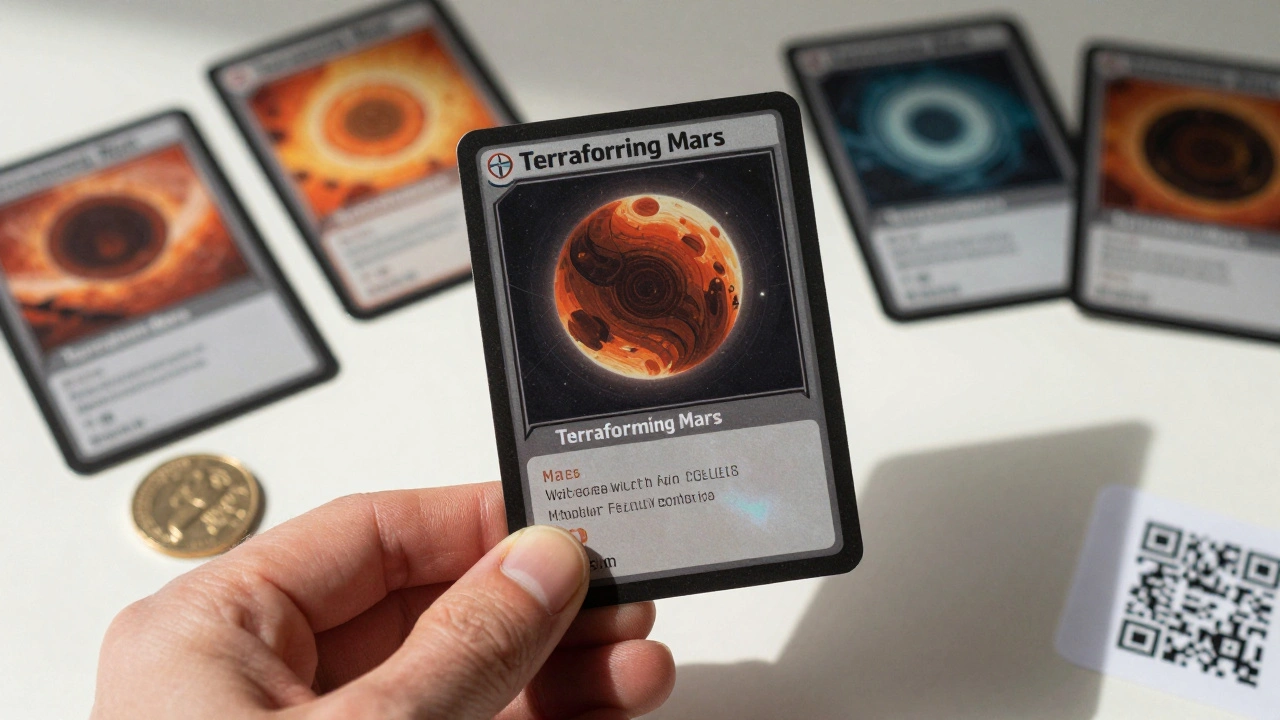
Know the Market Price
If a game is listed at half the going rate, it’s probably fake. For example, a sealed Streets of Rage 2 in good condition typically sells for $150-$200. If someone’s selling it for $60, they’re either lying or don’t know what they’re selling. Use apps like PriceCharting or eBay’s sold listings to check real prices before you go. Don’t rely on what the seller says.Use Trusted Sources When Possible
Conventions are fun, but they’re not the safest place to buy high-value games. If you can afford to wait, buy from established retailers, publishers, or verified online sellers like Retro Game Repair or GameStop’s certified pre-owned section. These places offer returns and warranties. You’re paying more upfront, but you’re not risking $300 on a fake.What Publishers Are Doing About It
Major companies like Bandai Namco and Stone Maier Games are fighting back. Bandai Namco alone took legal action 75 times in 2023 to shut down counterfeit arcade machines and emulator sites. They work with customs agencies to block fake goods at borders. Publishers are also adding hidden authentication features: QR codes inside boxes, watermarks in rulebooks, and even unique serial numbers tied to online registration. Some board game companies now use different artwork in digital versions (like Tabletop Simulator) so that if someone prints a fake copy, it’ll look nothing like the real thing. It’s not perfect, but it helps.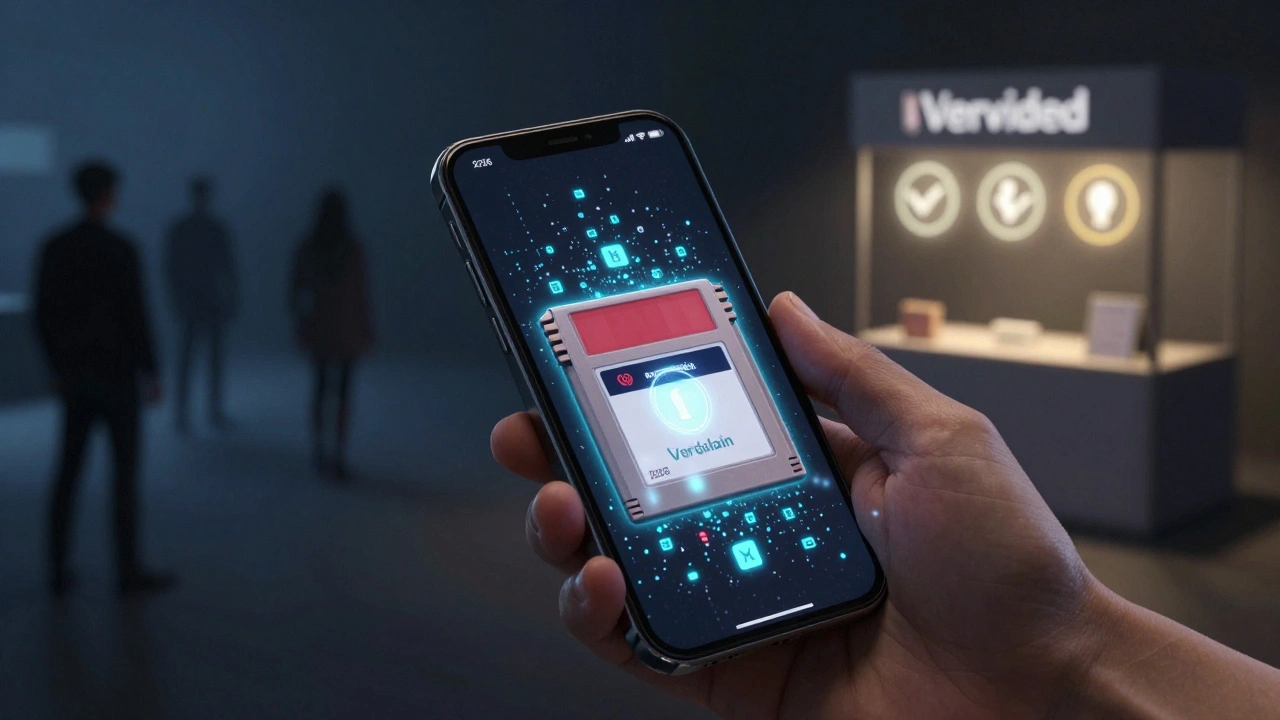
Emerging Tech in 2026
By 2026, the fight against counterfeits is getting smarter. Some manufacturers are embedding tiny digital identifiers into game cartridges-things you can’t see, but a phone app can scan. Blockchain tracking is starting to appear, letting buyers trace a game from factory to shelf. AI tools now analyze photos of packaging and detect tiny inconsistencies in fonts or colors that humans miss. These tools aren’t mainstream yet, but they’re coming. Keep an eye out for apps from publishers that let you scan your game and verify its authenticity.What to Do If You Get Scammed
If you realize you bought a fake game after the convention ends, don’t just shrug it off. Report it. First, contact the convention organizer. Most have a process for reporting fraudulent sellers. Then, file a complaint with the FTC or the Internet Crime Complaint Center. If you bought it online through a marketplace like eBay or Etsy, report the seller there too. Post about it on Reddit, Twitter, or gaming forums. A simple post like “Bought a fake Metroid at PAX East-here’s what it looked like” can save someone else $200. Don’t stay silent.Final Checklist Before You Buy
- Hold the game. Does the plastic feel right? Is the color accurate?
- Check the label. Is the logo crisp? Are there spelling errors?
- Ask to open the cartridge or box. Can you see the circuit board or card core?
- Test the game. Does it load? Does it play smoothly?
- Check the price. Is it way below market value?
- Ask for a photo of the inside with a coin. If they refuse, walk away.
- Look at the seller’s history. Have they been at this con before?
Buying games at conventions should be exciting, not risky. With a little knowledge and a few simple checks, you can walk away with real treasures-not fake ones.