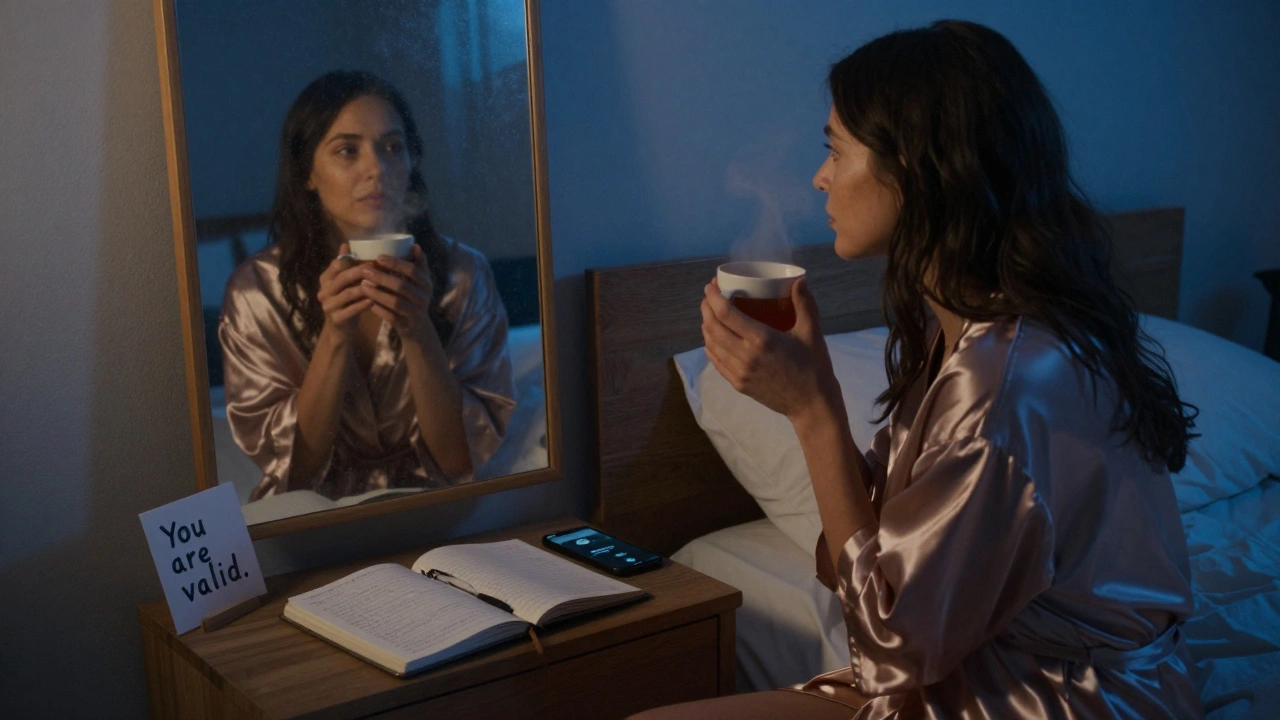

Being an LGBTQ+ adult performer isn’t just a job-it’s a daily act of courage. You show up on camera, in front of cameras, and sometimes in front of judgmental strangers who don’t know your story. You’re expected to be confident, sexy, and unshakable. But behind the scenes? Many of you are silently struggling with anxiety, depression, or just plain exhaustion. And the worst part? Most mental health resources don’t speak your language.
Why mainstream therapy often fails LGBTQ+ adult performers
Therapists who specialize in trauma or sexual health rarely understand the adult industry. They might say things like, "Have you considered a different career?" or "Isn’t that stressful?" as if your work is something to fix, not a valid way to earn a living. Meanwhile, therapists who specialize in adult performers often don’t know how to handle queer identity. They might assume you’re "confused," "going through a phase," or need to "repress" your identity to be healthy.
This gap leaves performers stuck. You can’t talk about your job with your therapist, and you can’t talk about your identity with your therapist. So you say nothing. And silence is the quiet killer here.
One performer in Los Angeles told me she saw five therapists before finding one who didn’t blink when she said, "I’m a trans woman who does femboy content." The fifth one didn’t ask her to change. She didn’t try to "fix" her. She just said, "Tell me what you need right now." That’s the difference.
What inclusive mental health support looks like
Inclusive care doesn’t mean adding a rainbow sticker to a brochure. It means building systems that understand your reality. Here’s what actually works:
- Therapists who know the industry-They understand NDAs, platform algorithms, how to handle harassment from viewers, and why you might need to take a month off after a viral clip.
- Queer-affirming language-They use your correct pronouns without asking. They don’t assume your relationship status. They don’t pathologize your sexuality.
- Flexible scheduling-You work odd hours. Therapy shouldn’t be at 3 p.m. on a Tuesday if you’re shooting at 6 a.m. and editing until midnight.
- Financial accessibility-Many performers don’t have insurance. Sliding-scale fees, payment plans, and even barter systems (therapy for video editing help, for example) make a huge difference.
There’s a group in Portland called Queer Performer Collective that started a peer-led mental health circle. No therapists. Just performers. They meet every Thursday. Someone brings tea. Someone brings snacks. Someone leads a 10-minute breathing exercise. Then they talk. No judgment. No advice unless asked. Just space. And it’s working. One member said, "For the first time, I didn’t feel like I had to explain why I didn’t feel guilty for doing this."
Online resources built by performers, for performers
You don’t need to wait for a therapist. There are tools already out there-made by people who’ve been where you are.
- Performer Mental Health Hub (performermentalhealth.org): A free, ad-free site with guided meditations, journal prompts, and scripts for setting boundaries with clients. Created by a non-binary performer who left the industry after burnout.
- SafeSpace Chat: A private Discord server with 1,200+ LGBTQ+ performers. Moderated by licensed therapists twice a week. You can ask, "How do I deal with a client who won’t stop messaging me?" and get real answers from people who’ve been there.
- Queer Sex Work Archive: Not a therapy site, but a collection of personal essays from performers across 17 countries. Reading stories like "I was kicked out at 16, now I make more than my parents ever did" helps you feel less alone.
These aren’t sponsored by big companies. They’re built by people who got tired of waiting for someone else to help. And they’re free.

How to find the right therapist (without wasting time)
Not every therapist who says "I’m LGBTQ+ friendly" actually is. Here’s how to screen them:
- Ask: "Have you worked with adult performers before?" If they say "no," ask if they’re open to learning. If they say "I don’t think that’s a real job," walk away.
- Ask: "What’s your experience with non-binary or trans clients?" Watch for language. If they say "I treat everyone the same," that’s a red flag. Everyone doesn’t have the same needs.
- Ask for a 15-minute free call. Use it to say: "I’m a queer performer. I need someone who won’t try to change me or shame me for my work." See how they react.
- Check if they’re part of National Sex Worker Task Force or SWOP-USA. These groups vet therapists who specialize in sex work.
One performer in Atlanta found her therapist through a Reddit thread. She posted: "Need someone who gets that I’m trans, I’m a performer, and I’m not broken." Within 48 hours, three people replied with names. She picked one. Two months later, she said, "I cried the first time she said, ‘Your work is valid.’ I didn’t know I needed to hear that from a professional."
Self-care that doesn’t feel like a chore
You don’t need to meditate for 30 minutes or journal every night. Real self-care fits into your life, not the other way around.
- Make a playlist of songs that make you feel powerful. Play it before you shoot.
- Keep a list of 5 people you can text when you feel like you’re drowning. Not "I’m fine," but "I need to vent."
- Set a phone timer for 2 minutes. When it goes off, look in the mirror and say one thing you’re proud of today. It doesn’t have to be about work. "I made coffee. I didn’t answer that text. I took a shower."
- Leave your phone in another room for 10 minutes after you finish a shoot. Breathe. Don’t check comments. Just be.
These aren’t "self-help" tricks. They’re survival tactics. And they work because they’re simple, real, and built for your rhythm-not someone else’s.

What to do when you’re overwhelmed
There will be days when the weight hits hard. Maybe it’s a hate comment. Maybe it’s a client who crossed a line. Maybe you just feel empty. Here’s what to do right now:
- Call or text one person from your support list. Say: "I need to talk. No advice. Just listen."
- Go outside. Walk for 5 minutes. Don’t look at your phone. Just feel the air.
- Write down one thing you still have control over. "I can turn off the camera." "I can cancel this shoot." "I can take tomorrow off."
- If you’re in crisis, text HOME to 741741. The Crisis Text Line has trained responders who know about sex work and queer identity. No judgment. Just help.
You don’t have to be strong all the time. In fact, asking for help isn’t weakness-it’s the bravest thing you can do.
Why community matters more than you think
Isolation is the biggest threat to mental health in this industry. You’re told to keep your personal life separate from your work. But your identity, your trauma, your joy-they’re all connected.
When you find others who get it, something shifts. You stop apologizing. You stop hiding. You start healing.
There’s a monthly Zoom call called "Queer & On Camera" where performers from 12 countries join. No agenda. No speakers. Just people talking. Some cry. Some laugh. Some say nothing. And that’s okay. Last month, a 19-year-old non-binary performer from Poland said, "I thought I was the only one who felt this way." Someone from Brazil replied: "Welcome home."
You’re not alone. Even if it feels like it.
Can I get therapy if I’m not out as a performer?
Yes. You don’t have to disclose your work to get help. Many therapists specialize in identity, trauma, or anxiety without needing to know your job. You can say, "I work in a high-stress, isolating field," and that’s enough. Your privacy matters. A good therapist will protect it.
Is it okay to use adult industry forums for mental health support?
Yes-but with limits. Forums like Reddit or Discord can be lifelines, especially when you’re new. But they’re not therapy. If you’re having panic attacks, suicidal thoughts, or deep trauma, talk to a licensed professional. Forums offer connection. Therapy offers healing.
What if my therapist doesn’t understand my identity?
You’re not broken. They’re not the right fit. It’s okay to switch. You don’t owe anyone your time or patience. Find someone who gets it. There are directories like Therapy for Queer Sex Workers and GLMA Provider Directory that list therapists trained in both LGBTQ+ and sex work issues. You deserve care that sees you fully.
Are there free mental health services for performers?
Yes. The Sex Worker Outreach Project (SWOP-USA) offers free peer counseling and referrals. Performer Mental Health Hub has free audio guides and journal templates. Some local LGBTQ+ centers offer sliding-scale therapy. If you’re in the U.S., check with your local Planned Parenthood-they often have mental health referrals for sex workers.
How do I know if I’m burning out?
Burnout looks different for everyone. But common signs: feeling numb during shoots, dreading your phone, losing interest in things you used to enjoy, feeling like your work doesn’t matter anymore. If you’ve said "I just need to disappear" more than once, it’s time to pause. Taking a break isn’t quitting. It’s survival.
Healing doesn’t happen in a day. It happens in small moments: when you say no to a shoot, when you laugh with someone who gets it, when you finally let yourself rest. You’re not just a performer. You’re a person. And you deserve care that doesn’t ask you to shrink.