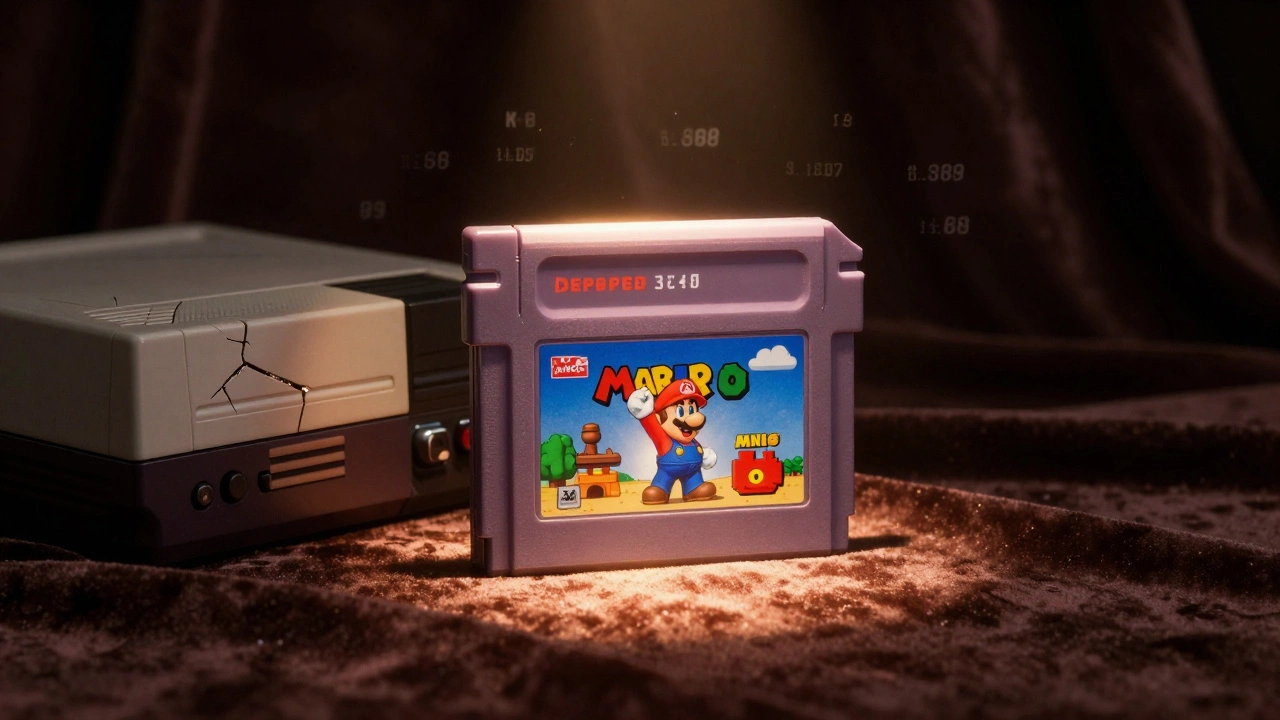

When you see a sealed copy of Super Mario 64 sell for $1.5 million, or a rare EarthBound cartridge go for $120,000, it’s easy to think this is just collectors going crazy. But these aren’t random spikes-they’re signals. And if you know how to read them, they tell you when the whole video game market is about to crack.
The AAA game industry is in trouble. Not because games are bad. Not because people stopped playing. But because the business model broke. Publishers kept raising prices, adding microtransactions, and releasing half-finished games, betting that players would keep paying for patches and DLC. It worked for a while. Then it didn’t.
Take EA. In late 2025, one of their biggest live-service titles had only 1.55 million active players-half of what they projected. Their stock dropped 40% in three months. That’s not a glitch. That’s a pattern. And the same thing happened to Ubisoft, Sony’s first-party studios, and Warner Bros. Games. Players stopped buying what they were selling. But here’s the twist: while the big publishers are bleeding, the secondary auction market is booming.
What Auctions Reveal That Publishers Ignore
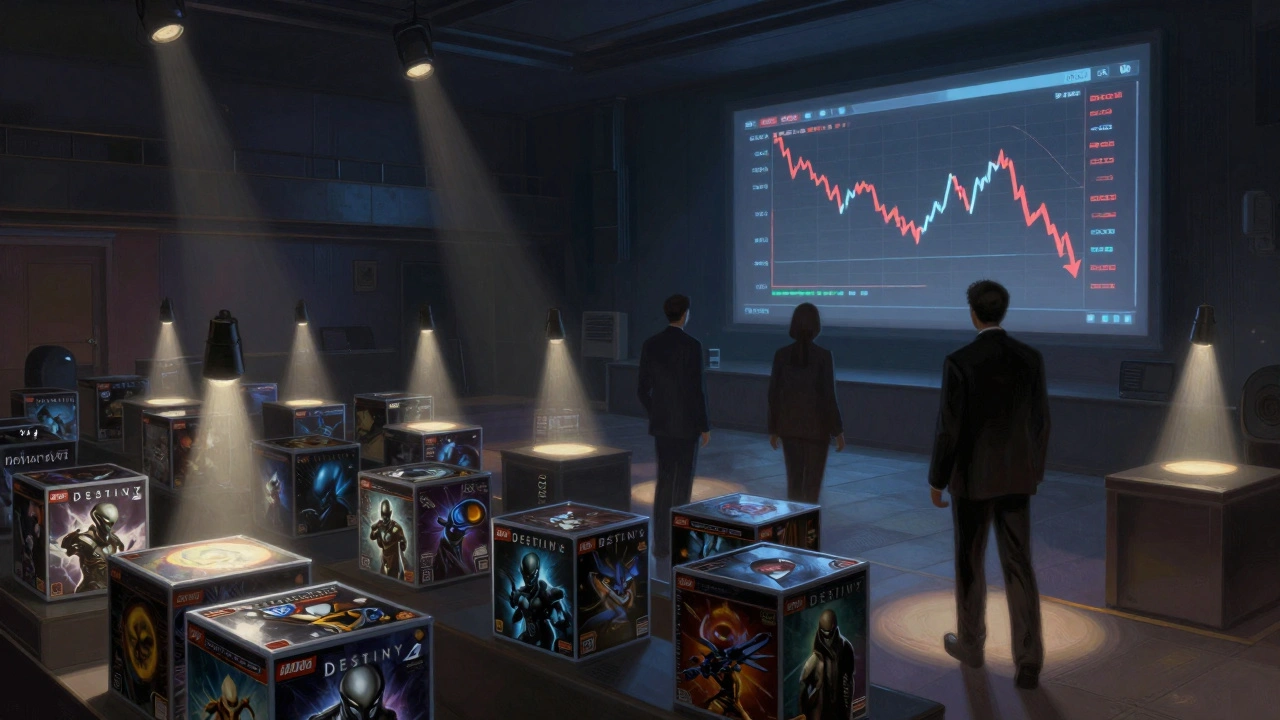
When a game flops on Steam or PlayStation, publishers see a failed launch. Collectors see something else: a future collector’s item. The price of a used copy of Destiny: The Taken King on eBay jumped 300% within six months of its last DLC shutting down. Why? Because players who loved it realized they’d never get it again. And that’s the first signal: scarcity created by abandonment.
Auctions don’t care about revenue targets. They care about what people are willing to pay right now. And that’s where the truth hides. If you track auction data over time, you’ll see three clear patterns:
- Price spikes before a game dies-When a game’s online services are scheduled to shut down, demand for physical copies spikes. Not because it’s a good game. Because it’s the last chance.
- Price drops after a reboot-When a franchise gets re-released (like Resident Evil or Final Fantasy), the original versions crash in value. Why? Because the new version replaces the old one in people’s minds.
- Collector demand rises when reviews are bad-Yes, really. A game like Alien: Isolation was critically panned at launch. But its sealed copy prices rose steadily for five years. Why? Because it was the only version with a physical manual, original box, and no DRM. Players who cared about preservation started hoarding it.
These aren’t anomalies. They’re data points. And they’re more accurate than any earnings call.
The Dot-Com Bubble and the AAA Game Bubble
Think back to 2000. Investors poured money into internet startups with no profits, no users, and no revenue. Why? Because they believed “this time is different.” Sound familiar? That’s exactly what happened in AAA gaming.
From 2015 to 2023, game budgets exploded. Call of Duty: Modern Warfare III cost $500 million to make. Star Wars: Jedi Fallen Order had a $300 million budget. Meanwhile, the average player spent less than $60 on a game. Publishers doubled down on microtransactions, season passes, and loot boxes. They assumed players would keep paying forever.
But here’s what they forgot: people aren’t dumb. They noticed. And they started walking away. By 2025, 72% of gamers said they’d avoid a game if it had aggressive monetization. That’s not a trend. That’s a rebellion.
Just like the dot-com bubble, the AAA game bubble was fueled by easy money. Venture capital, publisher stock buybacks, and inflated valuations kept the machine running. But when real demand dropped, the whole thing started to unravel.
Auction Signals as Early Warning Systems
Here’s the key insight: auction prices are a leading indicator. They don’t wait for earnings reports. They react in real time.
Look at Mass Effect: Andromeda. It launched to terrible reviews. Sales were underwhelming. But within a year, sealed copies on eBay were selling for 3x their original price. Why? Because EA never released a proper remaster. They didn’t fix it. They buried it. And collectors knew: this was the only version that would ever exist.
Compare that to Assassin’s Creed Valhalla. It sold 20 million copies. But because Ubisoft kept releasing updates and DLCs, the original retail copies didn’t spike in value. Why? Because the game was still alive. There was no scarcity. No urgency. No finality.
That’s the pattern: scarcity drives value. And scarcity comes from one place: abandonment.
So if you’re watching auction sites like eBay, Heritage Auctions, or even specialized game marketplaces like GameStop’s Collector’s Corner, here’s what to track:
- Price trends for sealed copies of games that haven’t been re-released in 3+ years
- Games with physical extras-manuals, art books, steelbooks
- Titles with known unreleased content or canceled expansions
- Games that were pulled from digital stores (like Xbox 360 titles removed from backward compatibility)
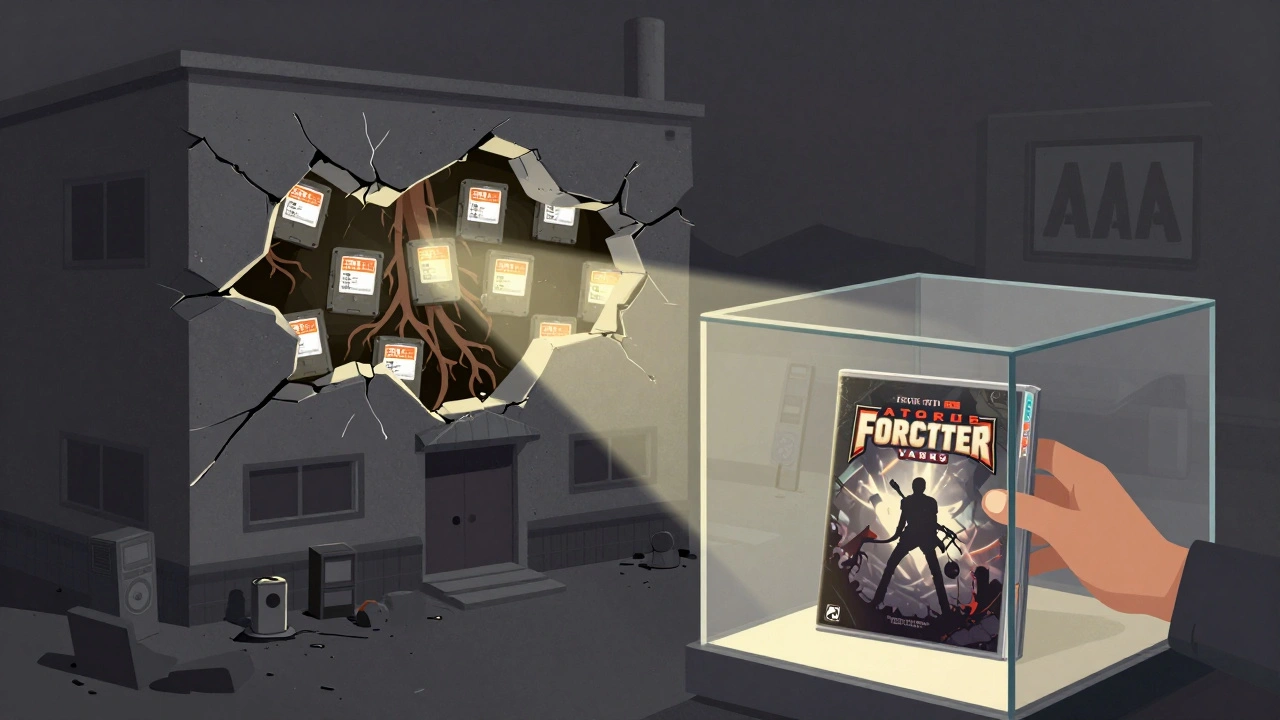
If you see three or more of these signals in a single title, it’s not a fluke. It’s a warning. The publisher is done. The game is dead. And the market is about to correct.
Why This Matters to Everyone
You don’t need to be a collector to care about this. If you work in gaming, you’re watching for layoffs. If you’re a player, you’re wondering if your next game will be abandoned. If you’re an investor, you’re trying to figure out who’s next.
But here’s the real value: auction data tells you what the market believes before the news breaks. When EA’s stock crashed in Q3 2025, analysts blamed “lower-than-expected player engagement.” But if you’d been tracking sealed copies of Apex Legends on eBay, you’d have seen the price drop 40% six months earlier. Why? Because players stopped buying the game. They didn’t stop playing. They stopped owning it.
That’s the shift. People used to buy games to play them. Now they buy games to keep them. And that’s why auctions matter.
What Comes Next?
The bubble didn’t burst overnight. It’s still deflating. Publishers are trying to fix it by raising prices. One analyst even suggested games should cost $100. That’s not a solution. It’s a death wish.
The real fix? Smaller, smarter games. Independent studios. Better monetization. Or maybe… just letting games be games again.
But until then, watch the auctions. They’re not about nostalgia. They’re about truth. And the truth is written in the bidding history of sealed cartridges and boxed editions.
When a game sells for 10x its original price… it’s not because it’s perfect. It’s because it’s the last one left.